Vibration Plate Benefits: An Evidence-Based Guide for Patients
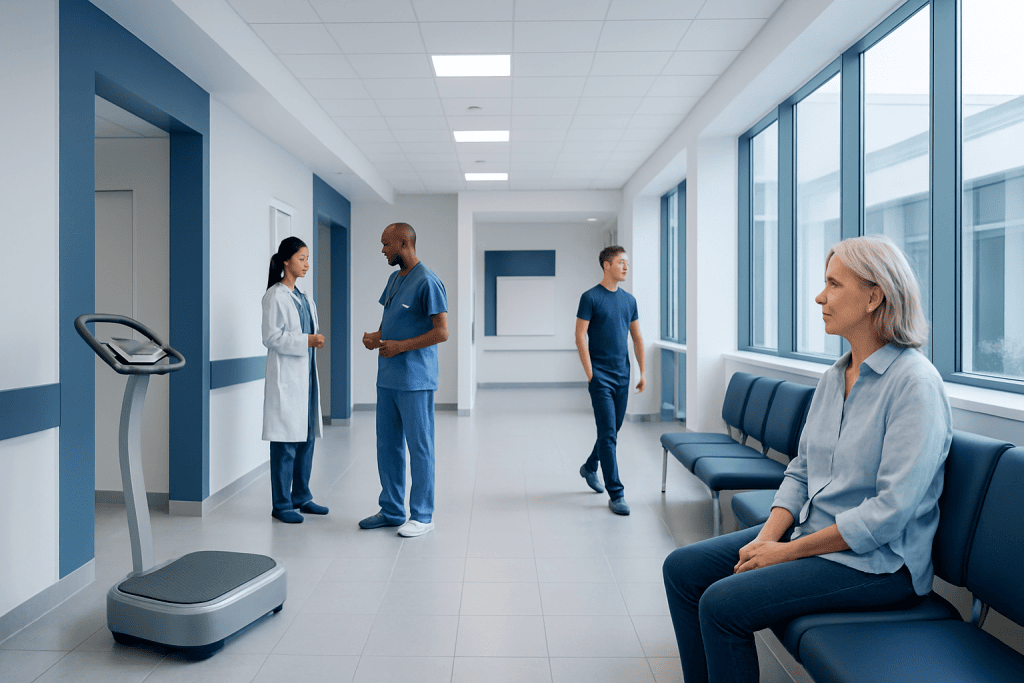
Whole-body vibration is not a shortcut to fitness, but it may complement regular exercise. The most supported benefits are modest improvements in muscle function, balance, and mobility.
Key Takeaways
- Whole-body vibration is not a shortcut to fitness, but it may complement regular exercise.
- The most supported benefits are modest improvements in muscle function, balance, and mobility.
- Results depend on the person's age, health status, posture, exercise program, and machine settings.
- Vibration plates are not suitable for everyone, especially people with certain medical devices, pregnancy, or unstable medical conditions.
- A clinician or physiotherapist can help decide whether a vibration plate is appropriate and how to use it safely.
Vibration plate benefits can be real, but they are usually modest rather than dramatic. For many adults, whole-body vibration may help support strength, balance, mobility, and exercise adherence when it is used correctly as part of a broader fitness or rehabilitation plan.
Overview: what vibration plate benefits can realistically offer
Vibration plate benefits are often described in very broad terms online, but the evidence suggests a more measured answer. Whole-body vibration involves standing, sitting, or performing exercises on a platform that vibrates at a set frequency and amplitude. These vibrations cause muscles to contract reflexively, which may add a training stimulus to simple positions or movements.
For patients, the most realistic expectation is not dramatic weight loss or instant muscle building. Instead, vibration plates may offer modest support for lower-body strength, balance, mobility, circulation, and exercise participation, especially in older adults or people who find standard exercise difficult. Benefits tend to be greatest when vibration is combined with supervised exercise rather than used alone.
Research is mixed because studies use different machines, settings, session lengths, and patient groups. This means there is no single result that applies to everyone. A vibration plate can be a useful tool, but it works best as one part of a larger plan that may also include walking, resistance training, stretching, and rehabilitation.
How whole-body vibration works in the body
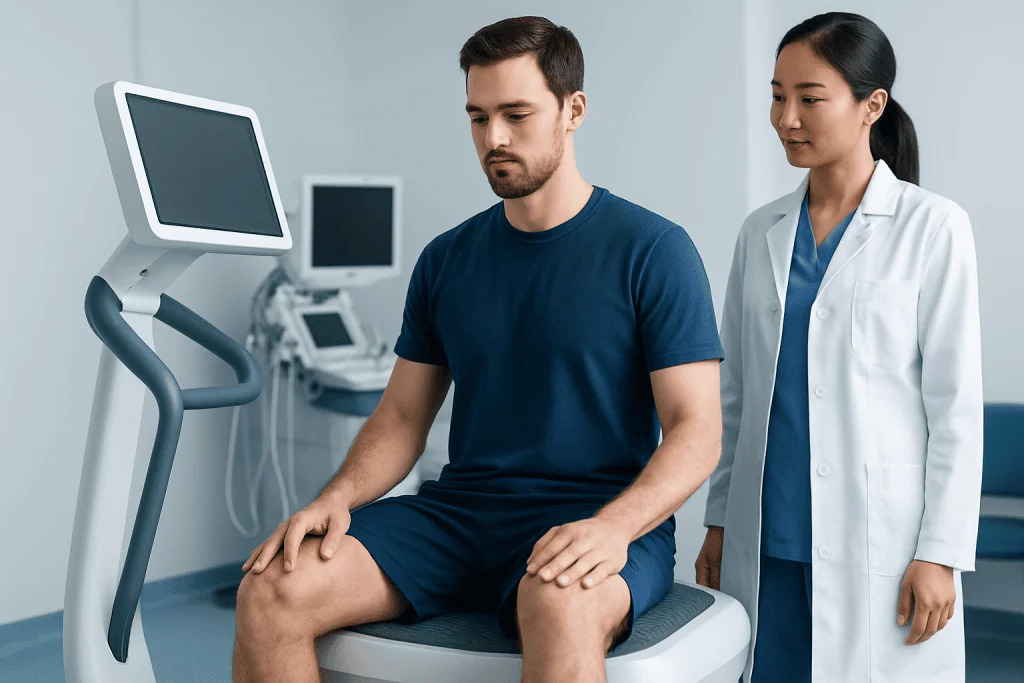
When a person stands on a vibration plate, the body responds to the rapid movement of the platform. Muscles in the legs, hips, and trunk activate repeatedly to help maintain posture and stability. This repeated activation may slightly increase the effort involved in positions such as standing with bent knees, squatting, or performing simple strengthening exercises.
Some devices move up and down, while others tilt from side to side. The effect on the body depends on vibration frequency, amplitude, session duration, body position, and whether the knees are locked or slightly bent. Because these variables matter, the same machine may feel easy for one person and too intense for another.
Whole-body vibration is also being explored in rehabilitation settings. Under professional guidance, it may sometimes be used to support recovery goals related to balance, gait, or muscle activation. In people recovering from orthopedic issues, a doctor may also assess related conditions such as osteoarthritis or recommend a personalized physical therapy and rehabilitation program.
Potential benefits supported by current evidence

The most commonly reported vibration plate benefits relate to muscle function and physical performance. Studies suggest that some users may see small to moderate improvements in lower-body strength, power, and functional tasks such as standing from a chair, climbing stairs, or maintaining posture. These effects may be especially helpful for older adults, people with low baseline fitness, or those in rehabilitation.
Balance and mobility are also areas where whole-body vibration may help. Because the body must respond continuously to the changing surface, vibration training can challenge postural control. In some patients, this may translate into better steadiness, improved gait confidence, and support for fall-prevention strategies when combined with standard exercise.
There is also interest in bone health. Weight-bearing exercise remains the foundation for maintaining bone strength, but vibration has been studied as an additional tool in some populations at risk of low bone density. Evidence is not strong enough to treat it as a replacement for medical care, but a clinician may discuss it within a broader bone-health plan that also addresses nutrition, fall risk, and conditions such as osteoporosis.
Some people report improved circulation, flexibility, or reduced stiffness after use. These effects may reflect gentle muscle activity and movement rather than a unique treatment effect. Patients with joint discomfort may find vibration easier to tolerate than high-impact exercise, but a proper evaluation is important when pain persists, including whether orthopedic assessment and care is needed.
What vibration plates do not do
A vibration plate should not be seen as a substitute for regular physical activity. Evidence does not support the idea that simply standing on a vibrating platform will produce the same cardiovascular, metabolic, or strength benefits as a well-designed program of walking, resistance training, and flexibility work. Any improvements are usually modest and depend on consistent use.
Claims about rapid weight loss, detoxification, or targeted fat reduction are not strongly supported by medical evidence. A person may burn some energy during vibration sessions, especially if exercises are added, but the effect is generally too small to replace a balanced eating plan and regular movement. For weight management, sustainable habits remain more important than any single device.
Vibration plates also do not correct the underlying cause of pain, weakness, or balance problems on their own. If symptoms are related to nerve conditions, severe arthritis, inner ear disorders, or other medical issues, those causes need proper diagnosis. In that context, whole-body vibration may be a supportive tool, not a stand-alone solution.
Who may benefit most and who should be cautious
People who may benefit most from vibration plate use include older adults, people with reduced muscle strength, and patients who need a low-impact way to begin moving more. It may also be helpful for some individuals in supervised rehabilitation, particularly when traditional exercise feels difficult or confidence is low. The key is matching the device and exercise plan to the person’s health status and goals.
However, vibration plates are not appropriate for everyone. People who are pregnant, have certain implanted medical devices, recent fractures, acute blood clots, uncontrolled heart disease, severe balance impairment, recent surgery, or significant spine problems should seek medical advice before use. Caution is also important in people with dizziness, neuropathy, active joint inflammation, or chronic pain conditions that worsen with mechanical stimulation.
Patients with long-standing back pain or limb symptoms should not assume a vibration plate is harmless. Sometimes symptoms relate to issues that require direct medical evaluation, such as herniated disc disease or other musculoskeletal causes. If needed, a specialist may advise imaging, rehabilitation, or a structured spine surgery evaluation when conservative measures are not enough.
How to use a vibration plate safely and effectively
Safe use starts with a gradual approach. Beginners are usually better off with short sessions, low to moderate settings, and simple positions such as standing with knees slightly bent rather than locked. This posture may help reduce unnecessary transmission of vibration to the head and spine while allowing the leg and core muscles to absorb more of the load.
Adding guided exercises can make the session more purposeful. Squats, calf raises, supported lunges, or gentle balance drills may provide more benefit than passive standing alone. Technique matters, so professional instruction can be useful for older adults, people with joint disease, or anyone starting vibration after injury or illness.
People should stop the session if they feel pain, dizziness, chest discomfort, unusual shortness of breath, or worsening numbness. Hydration, appropriate footwear when recommended by the manufacturer or clinician, and a stable support surface nearby can improve comfort and safety. A structured rehabilitation plan may be especially helpful for those with chronic mobility issues, often coordinated through physical therapy and rehabilitation services.
- Start slowly and increase duration only if comfortable.
- Keep knees slightly bent during standing exercises.
- Use hand support if balance is limited.
- Avoid using the device during acute pain flares unless a clinician advises it.
- Pair vibration with walking, strengthening, and flexibility work for better overall results.
When to seek medical care
Medical advice is important before starting whole-body vibration if a person has a chronic medical condition, recent injury, implanted device, pregnancy, unexplained pain, severe osteoporosis, or a history of falls. A clinician can help determine whether the expected benefits outweigh the risks and whether another form of exercise would be safer or more effective.
A person should seek prompt medical care if vibration plate use triggers chest pain, fainting, severe dizziness, marked shortness of breath, sudden weakness, worsening back pain, or numbness that spreads or persists. These symptoms are not expected training effects and should not be ignored.
It is also sensible to arrange a medical review if symptoms such as poor balance, joint pain, or reduced mobility are limiting daily life. Identifying the underlying cause can prevent delay in appropriate treatment. Near the end of that care pathway, patients may find it reassuring to know that Acibadem International’s multidisciplinary specialists in JCI-accredited hospitals evaluate and treat musculoskeletal, neurological, and rehabilitation needs for international patients.
Frequently asked questions
Are vibration plate benefits real?
Yes, but they are usually modest rather than dramatic. Research suggests vibration plates may help support strength, balance, and mobility, especially when combined with regular exercise or rehabilitation.
Can a vibration plate help with weight loss?
A vibration plate alone is unlikely to cause significant weight loss. It may add a small amount of activity, but healthy eating, regular movement, and resistance exercise remain far more important for long-term weight management.
Is a vibration plate good for older adults?
It can be helpful for some older adults, particularly for balance training, leg strength, and confidence with movement. Because fall risk and medical conditions vary, it is best used with guidance from a doctor or physiotherapist.
Can vibration plates improve bone density?
They may play a supportive role in some people, but they are not a primary treatment for low bone density. Bone health usually requires a broader plan that may include medical evaluation, weight-bearing exercise, adequate nutrition, and fall prevention.
Who should avoid using a vibration plate?
People who are pregnant or who have certain implanted devices, recent fractures, acute clots, uncontrolled heart conditions, or recent surgery should speak with a clinician before use. Anyone with severe pain, dizziness, or unstable balance also needs caution.
How often should a person use a vibration plate?
There is no one schedule that fits everyone because machines and health goals differ. Most people should begin with short, low-intensity sessions and adjust only with professional guidance if they have medical concerns or are in rehabilitation.
References
- World Health Organization
- National Institute on Aging
- National Institutes of Health
- International Osteoporosis Foundation
- American College of Sports Medicine
This article is for general information only and is not a substitute for professional medical advice. Please consult a qualified doctor about your individual situation.
Explore treatments in Turkey — costs, top hospitals & a free quote
JCI-accredited · board-certified surgeons · reply within 24h
Add us as a Preferred Source to see more of our trusted health content across Google Search, AI Overviews and Discover.