Vigina: An Evidence-Based Guide for Patients

Vigina usually means the vagina, an internal part of the female reproductive tract. Mild changes in discharge, odor, or comfort can have many causes, including infections, irritation, and hormonal shifts.
Key Takeaways
- Vigina usually means the vagina, an internal part of the female reproductive tract.
- Mild changes in discharge, odor, or comfort can have many causes, including infections, irritation, and hormonal shifts.
- Persistent pain, unusual bleeding, severe itching, or sores should be assessed by a qualified clinician.
- Diagnosis often includes a history, physical exam, and sometimes simple swab or urine tests.
- Good genital hygiene supports comfort, but harsh cleansing and douching can worsen symptoms.
Vigina is commonly a misspelling of vagina, the muscular canal that connects the vulva to the cervix. When people search for vigina, they are often looking for clear information about normal anatomy, common symptoms, and when vaginal changes may need medical attention.
What does vigina mean?
The term vigina is usually a spelling variation of vagina. The vagina is an internal, flexible muscular canal that extends from the opening inside the vulva to the cervix, which is the lower part of the uterus. Many people use the word vagina to describe the entire genital area, but medically, the outer structures are called the vulva.
Understanding this difference can help a person describe symptoms more accurately. For example, itching on the outside may involve the vulva, while pain with intercourse or unusual discharge may come from the vagina or cervix. Clear language can make medical visits more efficient and help guide the right tests and treatment.
The vagina has a naturally balanced environment. Healthy vaginal tissue contains normal bacteria, especially lactobacilli, that help maintain an acidic pH and protect against infection. Normal discharge can vary across the menstrual cycle, during pregnancy, and around menopause, so not every change is a sign of disease.
How the vagina works and what is considered normal
The vagina serves several important functions. It allows menstrual blood to leave the body, receives the penis during intercourse, and forms the birth canal during vaginal delivery. Its lining responds to hormones, particularly estrogen, which affects moisture, elasticity, and comfort.
Normal vaginal discharge is often clear, white, or slightly cloudy. It may be thicker or more noticeable at certain times in the cycle. A mild scent can also be normal. What matters most is whether the change is new, persistent, or associated with itching, burning, pain, bleeding, or a strong unpleasant odor.
Hormonal changes can influence how the vagina feels. During puberty, pregnancy, breastfeeding, and menopause, discharge and lubrication often change. After menopause, lower estrogen may lead to dryness, irritation, or discomfort with sex, a pattern sometimes linked to genitourinary syndrome of menopause.
Because vaginal symptoms can overlap, it is not always possible to tell the cause at home. Common problems include irritation, bacterial imbalance, yeast overgrowth, sexually transmitted infections, and skin conditions affecting the vulva. In some cases, symptoms may also relate to pelvic floor dysfunction or nearby urinary issues.
Common symptoms and possible causes

Symptoms involving the vagina or vulva are common and often treatable. A person may notice unusual discharge, itching, burning, dryness, odor, pain during urination, pain during sex, spotting, or visible sores or bumps. Some symptoms start suddenly, while others develop gradually over time.
Several conditions can cause these changes. Bacterial vaginosis may cause thin discharge and a stronger odor. Yeast infections often cause itching, irritation, and thicker discharge. Sexually transmitted infections can sometimes cause discharge, pelvic pain, sores, or bleeding, but they may also have few symptoms. Vaginal dryness and irritation can be related to hormonal changes, certain medications, or skin sensitivity.
Noninfectious causes are also important. Scented soaps, bubble baths, vaginal sprays, detergents, tight synthetic clothing, and prolonged moisture can irritate delicate tissue. Small cuts, friction from sex, and allergic reactions to condoms or personal care products may also lead to discomfort.
- Discharge changes: May reflect normal cycle variation, bacterial vaginosis, yeast, or an STI.
- Itching or burning: Often linked to yeast, irritation, allergy, or dermatologic conditions.
- Dryness or pain with sex: Can occur with low estrogen, pelvic floor tension, or inflammation.
- Bleeding after sex or between periods: Needs medical review to identify the source.
How doctors diagnose vaginal concerns
Diagnosis begins with a careful medical history. A clinician may ask about symptoms, menstrual pattern, sexual activity, contraception, pregnancy possibility, hygiene products, medications, and any recent antibiotic use. These details help narrow the likely causes and guide testing.
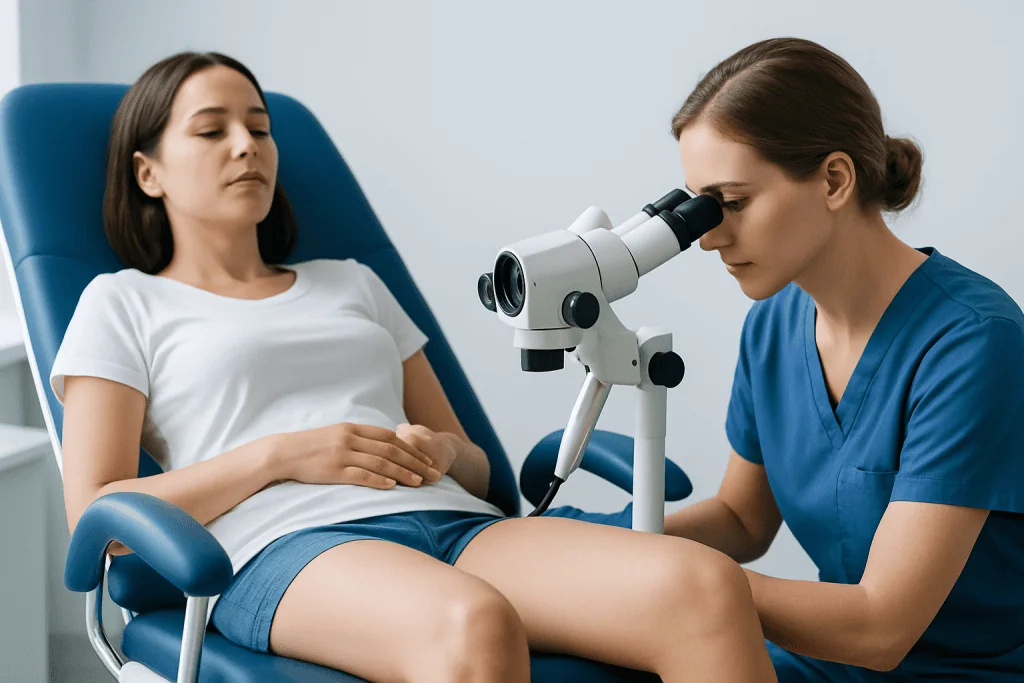
A physical exam may include inspection of the vulva and, if appropriate, a gentle speculum exam to view the vagina and cervix. Swabs may be taken to check pH, microscopy findings, bacterial vaginosis, yeast, or sexually transmitted infections. Urine tests or pregnancy tests may also be useful depending on the symptoms.
If symptoms are recurrent or atypical, additional evaluation may be needed. This may include testing for conditions such as cervical cancer when abnormal bleeding or cervical changes are present, or examination for skin disorders affecting the vulva. Persistent pelvic pain may lead to assessment for deeper gynecologic causes.
Self-diagnosis can be unreliable because different problems may feel similar. Using over-the-counter treatments without being sure of the cause may delay appropriate care, especially if symptoms are due to an STI, a skin condition, or a noninfectious inflammatory problem.
Treatment options for vigina-related symptoms
Treatment depends on the cause. Bacterial vaginosis is usually treated with prescription antibiotics. Yeast infections may be treated with antifungal medication. If testing identifies a sexually transmitted infection, the clinician will recommend the right treatment plan and may advise partner testing or treatment as well.
When dryness or painful intercourse is related to menopause or low estrogen states, options may include vaginal moisturizers, lubricants, or prescription hormone-based treatment if suitable for the individual. Evaluation by a specialist may be helpful when symptoms are chronic, severe, or not responding to standard care. Some patients may need broader gynecologic assessment through services such as gynecology care.
If symptoms are linked to irritation rather than infection, avoiding triggers is an important part of care. This may mean stopping scented products, changing detergents, wearing breathable cotton underwear, and keeping the area dry. Skin conditions may require targeted treatment prescribed by a clinician.
Some people with pelvic discomfort, pressure, or pain during intercourse may benefit from evaluation of the uterus and ovaries, especially if symptoms suggest another pelvic condition such as ovarian cancer or other gynecologic disease. In selected cases, imaging or procedures such as laparoscopy may be used to clarify the diagnosis.
Self-care, hygiene, and prevention
Healthy vaginal care is usually simple. The vagina cleans itself naturally, so douching is not recommended. Washing the external genital area gently with water and, if preferred, a mild unscented cleanser is usually enough. Harsh soaps, perfumed products, and internal cleansing can disrupt the normal balance and increase irritation or infection risk.
Safer sex practices can reduce the risk of sexually transmitted infections. Barrier methods such as condoms can help, and regular screening may be advised depending on age, sexual history, and risk factors. It is also helpful to urinate after sex if prone to urinary symptoms, stay well hydrated, and change out of wet clothing promptly.
For people with dryness, fragrance-free lubricants or vaginal moisturizers may improve comfort. Cotton underwear and loose-fitting clothing can help reduce moisture and friction. If antibiotics are needed for another illness, new vaginal symptoms afterward should be discussed with a doctor rather than assumed.
Routine gynecologic care is also part of prevention. Depending on age and personal history, cervical screening and broader evaluation of reproductive health may be recommended. When concerns extend beyond the vagina, doctors may consider assessment by specialists in areas such as obstetrics and gynecology.
When to seek medical care
Medical care is appropriate if vaginal symptoms are new, persistent, or causing significant discomfort. A person should arrange an evaluation for strong odor, unusual discharge, marked itching, burning with urination, pain during intercourse, or symptoms that return after treatment. Professional assessment is especially important during pregnancy.
More urgent care is needed for fever, severe pelvic or abdominal pain, heavy bleeding, fainting, painful sores, or symptoms after a possible sexual exposure to an infection. These signs do not always indicate a serious condition, but they should not be ignored. Prompt evaluation can help identify the cause early and reduce complications.
People who have bleeding after menopause, bleeding after sex, or a lump or persistent lesion in the genital area should also speak with a doctor. If cancer screening is overdue or there is a history of abnormal test results, timely follow-up matters. In complex cases, multidisciplinary specialists can help coordinate care.
Acibadem International’s multidisciplinary specialists and JCI-accredited hospitals diagnose and treat gynecologic conditions for international patients. Even so, any person with concerning symptoms should seek advice from a qualified local or international healthcare professional rather than relying on internet information alone.
Frequently asked questions
Is vigina the same as vagina?
In most cases, yes. Vigina is commonly a misspelling or alternate spelling of vagina. People searching this term are usually looking for information about vaginal anatomy, symptoms, or care.
What is normal vaginal discharge?
Normal discharge can be clear, white, or slightly cloudy and may change during the menstrual cycle. It is more concerning if it has a strong unpleasant odor, causes itching or burning, or looks very different from a person's usual pattern.
Can vaginal itching happen without an infection?
Yes. Itching can be caused by irritation from soaps, detergents, pads, tight clothing, shaving, or allergic reactions. Skin conditions and hormonal dryness can also cause itching, so testing may be needed if symptoms persist.
Should a person douche to clean the vagina?
No. The vagina is self-cleaning, and douching can disrupt its natural balance. This may increase irritation and the risk of some infections.
When is vaginal dryness a medical issue?
Dryness should be assessed if it is persistent, painful, or interfering with daily life or sexual activity. It can be related to menopause, breastfeeding, medications, or other health conditions, and treatment often helps.
Can vaginal symptoms be a sign of something serious?
Sometimes, although many causes are minor and treatable. Bleeding after menopause, bleeding after sex, severe pain, sores, or symptoms that keep coming back should be evaluated to rule out more significant conditions.
This article is for general information only and is not a substitute for professional medical advice. Please consult a qualified doctor about your individual situation.
Explore treatments in Turkey — costs, top hospitals & a free quote
JCI-accredited · board-certified surgeons · reply within 24h
Add us as a Preferred Source to see more of our trusted health content across Google Search, AI Overviews and Discover.

More from the Health Library

Nectarine — Explained by Medical Evidence, Not Myths

Iron Deficiency Nails — Explained by Medical Evidence, Not Myths

Diabetic Shock: A Complete Medical Overview

Dandelion Root — Explained by Medical Evidence, Not Myths

Lhermitte’s Sign: An Evidence-Based Guide for Patients