Viral Conjunctivitis: Early Signs, Risk Factors, and How It Is Treated

Viral conjunctivitis usually causes a red, watery, irritated eye and may spread easily from person to person. It is most often linked to common respiratory viruses and can begin in one eye before affecting the other.
Key Takeaways
- Viral conjunctivitis usually causes a red, watery, irritated eye and may spread easily from person to person.
- It is most often linked to common respiratory viruses and can begin in one eye before affecting the other.
- Treatment is usually supportive, such as cool compresses, artificial tears, and careful hygiene.
- Antibiotics do not treat viral conjunctivitis, but an eye doctor may be needed to confirm the diagnosis.
- Urgent medical care is important if there is severe pain, light sensitivity, reduced vision, or contact lens use.
Viral conjunctivitis is a common, contagious inflammation of the clear membrane covering the white of the eye and inner eyelid. It often causes redness, watery discharge, and irritation, and while it usually gets better on its own, medical assessment may be needed to confirm the cause and rule out more serious eye problems.
Overview
Viral conjunctivitis is an infection or inflammation of the conjunctiva, the thin transparent tissue that covers the white part of the eye and lines the inside of the eyelids. It is one of the most common causes of a red eye and is often referred to as “pink eye.” In many people, it causes noticeable redness, watery discharge, burning, and a gritty feeling, but it usually improves with time and supportive care.
The condition is most often caused by viruses that also lead to colds, sore throats, or other upper respiratory infections. Because of this, viral conjunctivitis may appear along with symptoms such as a runny nose, cough, or swollen lymph nodes near the ear. It can affect children and adults and tends to spread easily in households, schools, and workplaces.
Not every case of conjunctivitis is viral. Red eye can also be caused by bacteria, allergies, irritants, dry eye, or more serious eye disease. That is why accurate diagnosis matters, especially when symptoms are severe, vision is affected, or the person wears contact lenses. A clinician may also consider related eye conditions such as conjunctivitis in the broader sense when evaluating symptoms.
Early Signs and Symptoms
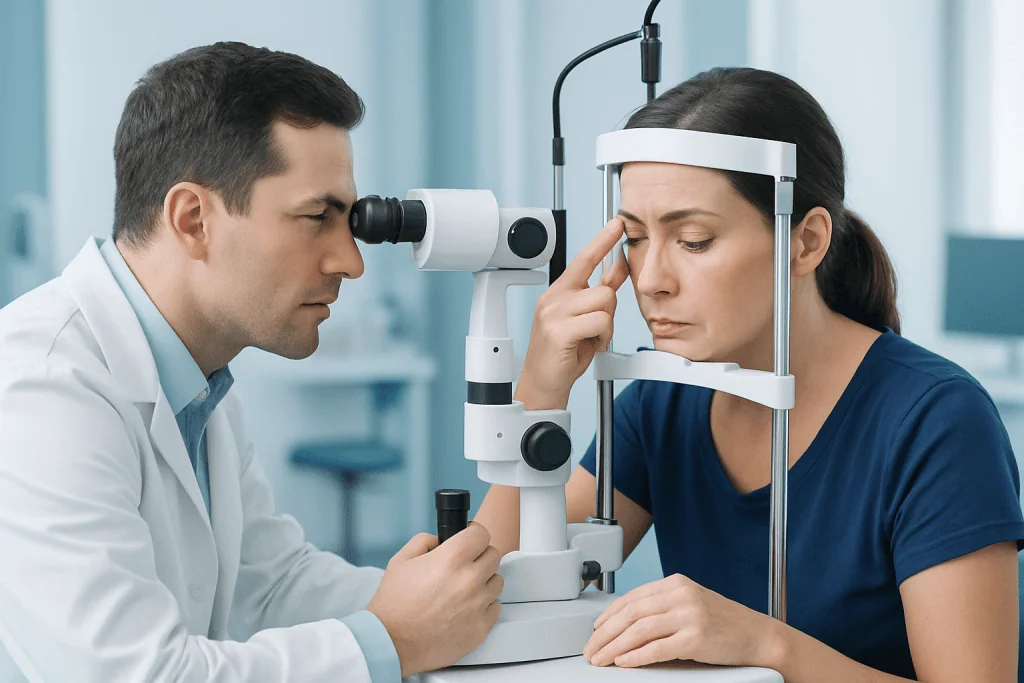
Early viral conjunctivitis symptoms often begin in one eye and may spread to the other within a day or two. The eye usually looks pink or red, feels irritated, and produces a clear or watery discharge rather than thick pus. Many people describe a sandy, gritty, or burning sensation, as though something is in the eye.
Other symptoms can include mild eyelid swelling, crusting on waking, tearing, and increased sensitivity to light. Vision may seem slightly blurry for a short time because of tearing or mucus on the surface of the eye, but significant or persistent vision loss is not typical and should be checked promptly. Some people also develop a tender lymph node in front of the ear, especially with adenoviral infections.
Features that may suggest viral conjunctivitis rather than bacterial or allergic causes include:
- Watery discharge rather than thick yellow-green discharge
- Recent cold, sore throat, or close contact with someone who has pink eye
- Symptoms starting in one eye and then moving to the other
- Associated mild fever, cough, or upper respiratory symptoms
- Itching that is present but usually less intense than in allergies
Because symptoms can overlap, a red eye should not be self-diagnosed with certainty. Similar complaints can occur in dry eye and allergic eye disease, while severe pain or vision changes may point to a different problem that needs urgent attention.
Causes and Risk Factors

Viral conjunctivitis is most commonly caused by adenoviruses, a large group of viruses that often trigger colds and throat infections. Other viruses, including enteroviruses, herpes simplex virus, and varicella-zoster virus, can also affect the eye. The exact virus matters because some forms are mild and self-limited, while others, such as herpes-related eye disease, need specific treatment to protect vision.
The infection spreads through direct contact with eye secretions, contaminated hands, shared towels, and frequently touched surfaces. It can also spread through respiratory droplets when a viral illness is present. People may unknowingly transfer the virus from one eye to the other or to other people by rubbing the eyes and then touching objects or skin.
Several factors increase the risk of getting viral conjunctivitis or passing it on:
- Recent cold, flu-like illness, or sore throat
- Close contact with someone who has pink eye
- Living or working in crowded settings such as schools, offices, or dormitories
- Poor hand hygiene or sharing personal items like towels, pillowcases, or eye makeup
- Touching the eyes frequently
- Contact lens use, especially if lenses are worn too long or handled without proper hygiene
Although contact lenses do not cause viral conjunctivitis directly, they can make eye irritation more complicated and increase concern for corneal infection. Anyone with red eyes who wears lenses should usually stop using them and seek professional advice, because the symptoms can overlap with conditions affecting the cornea such as keratitis.
How Doctors Diagnose Viral Conjunctivitis
Diagnosis usually begins with a careful history and eye examination. A doctor asks when symptoms started, whether one or both eyes are involved, whether there has been a recent cold, and whether there is contact lens use, allergy history, or exposure to someone with pink eye. This context is often very helpful because viral conjunctivitis follows recognizable patterns.
During the examination, the clinician checks the redness pattern, the type of discharge, eyelid swelling, lymph nodes near the ear, and visual acuity. A slit-lamp eye exam may be used to inspect the conjunctiva and cornea more closely. This helps distinguish simple conjunctivitis from corneal involvement or other conditions that need different treatment.
Most cases do not need laboratory testing. However, testing may be considered if symptoms are severe, the diagnosis is uncertain, outbreaks are occurring, or herpes infection is suspected. In some settings, the clinician may use fluorescein dye to look for corneal surface damage.
Diagnosis is especially important when symptoms do not fit the usual pattern. Eye pain out of proportion to irritation, marked light sensitivity, thick unilateral discharge, or reduced vision may suggest another cause. In these situations, an ophthalmology assessment and specialized eye examination can help clarify the diagnosis and guide treatment safely.
Treatment Options and Recovery
For most people, treatment for viral conjunctivitis is supportive. This means easing symptoms while the body clears the infection. Common measures include cool compresses, preservative-free artificial tears, rest, and avoiding eye rubbing. Symptoms often improve gradually over several days to a few weeks, depending on the virus and whether the cornea becomes involved.
Antibiotic eye drops do not treat viral infections. They are not routinely recommended unless a doctor suspects a bacterial infection as well. Antiviral treatment may be needed in selected cases, particularly when herpes simplex virus or varicella-zoster virus affects the eye. Because these infections can threaten vision, they should be managed by an eye specialist.
Doctors sometimes recommend short-term prescription medicines for inflammation in more complicated cases, but these should only be used under medical supervision. Steroid eye drops can be helpful in specific situations and harmful in others, especially if herpes is present. For that reason, people should not use leftover eye drops or someone else’s medication.
If symptoms are persistent, severe, or involve the cornea, an ophthalmologist may discuss more advanced care as part of a broader ophthalmology treatment plan. In international care settings, Acibadem International’s multidisciplinary specialists and JCI-accredited hospitals evaluate eye complaints and treat patients with tailored, evidence-based care.
Preventing Spread and Caring for the Eyes at Home
Because viral conjunctivitis is highly contagious, hygiene is an important part of treatment. Washing hands often with soap and water, especially after touching the face or applying eye drops, helps reduce spread. Alcohol-based hand sanitizer may also be useful when soap and water are not available.
At home, it is best to avoid sharing towels, pillowcases, cosmetics, eye drops, or washcloths. Frequently touched items such as phones, keyboards, countertops, and bathroom surfaces should be cleaned regularly. Eye makeup used during the infection should be discarded, and contact lenses should not be worn until the eye doctor says it is safe to restart.
Helpful self-care steps include:
- Use cool compresses for comfort
- Apply artificial tears as directed on the product label or by a doctor
- Avoid rubbing or touching the eyes
- Wash pillowcases, towels, and washcloths often
- Stay home from school or work if symptoms are active and hygiene cannot be maintained
- Replace or clean contact lens cases as advised before resuming lens wear
Returning to school or work depends on symptoms, local guidance, and how well infection-control steps can be followed. A doctor can advise on the safest timing, especially during outbreaks or when the diagnosis is uncertain.
When to Seek Medical Care
Although viral conjunctivitis is usually mild, some symptoms need prompt medical attention. Severe eye pain, marked sensitivity to light, worsening redness, or any noticeable drop in vision should be assessed quickly. These are not typical features of routine viral conjunctivitis and may indicate a more serious problem involving the cornea or deeper structures of the eye.
Medical care is also important for infants, people with weakened immune systems, anyone with recent eye surgery, and anyone who wears contact lenses. Contact lens users are at higher risk of corneal complications and should stop wearing lenses as soon as the eye becomes red or irritated. If the eye is very swollen, symptoms last longer than expected, or the diagnosis is unclear, professional evaluation is the safest approach.
In some situations, additional assessment by an eye specialist may be needed to rule out other causes of a red eye and to decide whether therapies beyond home care are appropriate. A complete eye check-up can help determine whether the condition is uncomplicated viral conjunctivitis or another eye disorder that needs different treatment.
Frequently asked questions
How long does viral conjunctivitis last?
Many cases improve within one to two weeks, but some can last longer, especially if the cornea becomes mildly inflamed. Redness and watering may ease before the eye feels completely normal. If symptoms are worsening or not improving, a doctor should review the diagnosis.
Is viral conjunctivitis contagious?
Yes. Viral conjunctivitis spreads easily through hands, eye secretions, shared items, and sometimes respiratory droplets. Careful handwashing and avoiding shared towels, makeup, and contact lenses can help reduce transmission.
Do antibiotics help viral conjunctivitis?
No, antibiotics do not treat viruses. Most people only need supportive care such as artificial tears and cool compresses. A doctor may prescribe other treatment if a different cause is suspected or if there is a complication.
Can a person go to work or school with viral conjunctivitis?
That depends on the severity of symptoms and whether good hygiene can be maintained. Because the condition is contagious, some people may need to stay home during the most active phase. A doctor or local school or workplace policy can help guide the timing of return.
What is the difference between viral and allergic conjunctivitis?
Viral conjunctivitis often causes redness, watering, and irritation and may come with cold symptoms or recent exposure to someone with pink eye. Allergic conjunctivitis usually causes intense itching, affects both eyes, and is linked to allergens such as pollen or dust. A clinician can help tell them apart when symptoms overlap.
Should contact lenses be worn during viral conjunctivitis?
No. Contact lenses should be stopped until the eye has healed and a clinician confirms it is safe to restart them. Wearing lenses during an active red eye can worsen irritation and may increase concern for corneal complications.
References
- American Academy of Ophthalmology
- Centers for Disease Control and Prevention
- National Eye Institute
- Mayo Clinic
- World Health Organization
This article is for general information only and is not a substitute for professional medical advice. Please consult a qualified doctor about your individual situation.
Conjunctivitis in Turkey — costs, top hospitals & a free quote
JCI-accredited · board-certified surgeons · reply within 24h
Add us as a Preferred Source to see more of our trusted health content across Google Search, AI Overviews and Discover.

Ophthalmology
Comprehensive eye care from laser vision correction to retina, cornea and cataract surgery.
75 specialists in this unitMore from the Health Library



Related Specialists

Dr. Merve Albayrak Barı
Gynecology & ObstetricsDr. Cemalettin Sakal
Emergency Service
Dr. Hamza Furkan Şen
Gynecology & Obstetrics
Dr. Nezail Demircler
Aesthetic Plastic & Reconstructive Surgery