

Viral Meningitis: How It Is Diagnosed and What Recovery Looks Like

Viral meningitis can cause headache, fever, neck stiffness, nausea, and sensitivity to light. Diagnosis often includes a physical exam, blood tests, and a lumbar puncture to examine cerebrospinal fluid.
Key Takeaways
- Viral meningitis can cause headache, fever, neck stiffness, nausea, and sensitivity to light.
- Diagnosis often includes a physical exam, blood tests, and a lumbar puncture to examine cerebrospinal fluid.
- Many cases improve with supportive care, such as rest, fluids, pain relief, and observation.
- Most people recover well, but fatigue, headaches, or concentration problems may last for weeks in some cases.
- Urgent medical care is important because early symptoms can overlap with bacterial meningitis, which is more dangerous.
Viral meningitis is an infection-related inflammation of the membranes around the brain and spinal cord. It is often less severe than bacterial meningitis, but it still needs prompt medical assessment to confirm the cause, guide care, and monitor recovery.
Overview
Viral meningitis is inflammation of the meninges, the protective membranes that surround the brain and spinal cord, caused by a virus. It can affect children and adults and may begin suddenly with symptoms that feel similar to the flu or a severe headache illness. In many people, it is less severe than bacterial meningitis, but the symptoms can still be intense and should not be ignored.
Several viruses can lead to viral meningitis. Common causes include enteroviruses, herpes viruses, and in some settings viruses spread by mosquitoes. Because the early signs of viral and bacterial meningitis can overlap, doctors treat meningitis symptoms seriously until testing helps identify the cause.
Most people with viral meningitis recover without specific antiviral treatment, especially when the cause is an enterovirus. However, some patients need hospital care for monitoring, symptom control, hydration, or treatment if a virus such as herpes simplex is suspected. Recovery time varies from person to person, and follow-up is sometimes needed if symptoms linger.
Symptoms
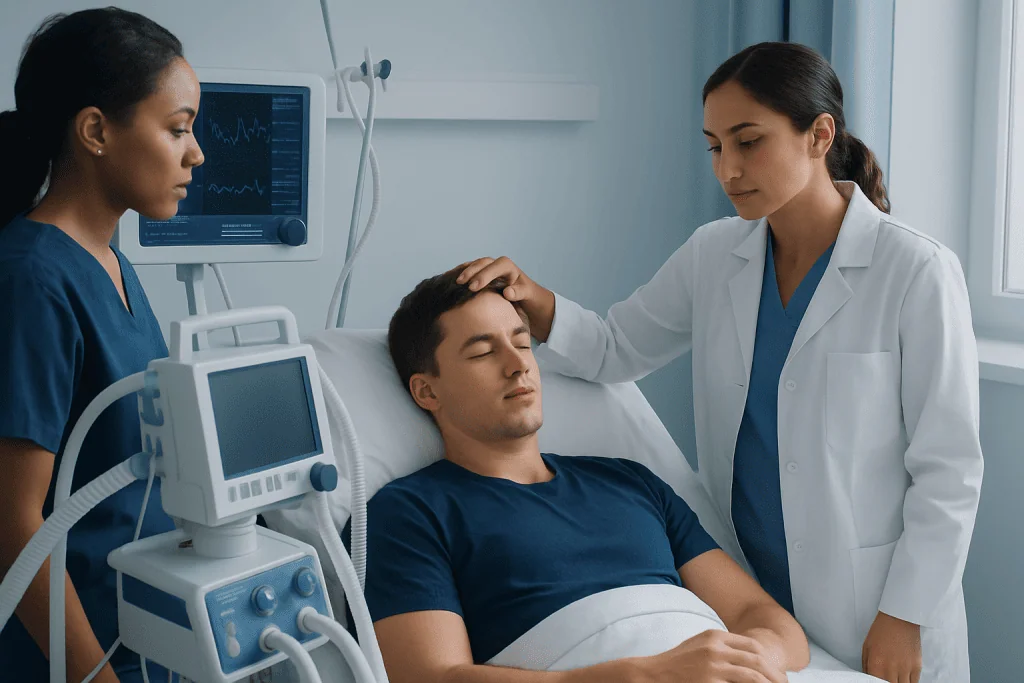
The symptoms of viral meningitis can range from mild to more pronounced. In adults and older children, a severe headache is common and may come with fever, a stiff or painful neck, and sensitivity to light. Nausea, vomiting, tiredness, and muscle aches may also occur.
Some people feel confused, unusually sleepy, or generally unwell. Infants and very young children may not have the classic symptoms seen in adults. Instead, they may be irritable, feed poorly, vomit, seem unusually sleepy, or have a bulging soft spot on the head.
Common symptoms may include:
- Fever
- Headache
- Neck stiffness
- Sensitivity to light
- Nausea or vomiting
- Tiredness or weakness
- Confusion or difficulty concentrating
These symptoms are not unique to viral meningitis, which is why medical evaluation matters. A doctor will consider whether the pattern fits meningitis and whether urgent treatment is needed while test results are pending.
Causes and Risk Factors

Viruses are the most frequent cause of meningitis overall in many age groups. Enteroviruses are especially common, particularly in late summer and fall in some regions. Other possible causes include herpes simplex virus, varicella-zoster virus, mumps virus, and less commonly viruses carried by mosquitoes or ticks depending on geography and season.
A person may develop viral meningitis after a recent viral illness, though it can also appear without many warning signs. The viruses spread in different ways, including respiratory droplets, close personal contact, stool contamination, or insect bites. Good hygiene can reduce risk in some cases, but not every infection can be prevented.
Risk factors can include young age, close contact in group settings, a weakened immune system, and limited protection against vaccine-preventable viruses. People who have conditions affecting immunity may have a higher chance of severe infection or unusual viral causes. Travel, outdoor exposure in mosquito-prone areas, and lack of routine vaccination can also play a role.
How Viral Meningitis Is Diagnosed
Diagnosis begins with a medical history and physical examination. The doctor asks about the onset of fever, headache, neck pain, rashes, recent illnesses, travel, insect exposure, and contact with sick people. They also assess alertness, neck stiffness, and signs that could suggest pressure changes in the brain or irritation of the nervous system.
Because meningitis can be caused by bacteria, viruses, fungi, or other conditions, testing is important. Blood tests may help look for signs of infection and inflammation. In some cases, imaging such as MRI or CT scanning may be used before a lumbar puncture if there are concerns about brain swelling, focal neurological findings, or other complications.
The key diagnostic test is usually a lumbar puncture, also called a spinal tap. During this test, a small sample of cerebrospinal fluid is collected and examined for cell counts, protein, glucose, and signs of infection. Laboratory tests, including molecular testing, can often help identify a viral cause and distinguish it from bacterial meningitis.
Prompt diagnosis helps doctors decide whether hospital observation, supportive care, or antiviral treatment is needed. If herpes virus infection or another serious cause is suspected, treatment may begin before all final results are available. This careful approach helps protect the patient while the exact cause becomes clearer.
Treatment Options
Treatment for viral meningitis depends on the cause, the severity of symptoms, the person’s age, and their overall health. Many cases do not require a specific antiviral medicine and improve with supportive care. Supportive care focuses on comfort and recovery, including rest, fluids, pain relief, and treatment for fever or nausea as advised by a doctor.
Some patients need to stay in hospital, especially if symptoms are severe, dehydration is a concern, or the diagnosis is still uncertain. Doctors may give intravenous fluids and monitor neurological status closely. If herpes simplex virus or varicella-zoster virus is suspected, antiviral therapy may be started because these infections can sometimes be more serious.
When symptoms overlap with more dangerous conditions, doctors may initially manage the patient as though bacterial meningitis is possible until tests say otherwise. In selected situations, hospital teams may also use EEG or further neurological evaluation if there are seizures, confusion, or concern about related brain inflammation such as encephalitis.
Near the end of evaluation and treatment planning, some patients benefit from multidisciplinary care, especially if symptoms are prolonged or atypical. Acibadem International’s multidisciplinary specialists and JCI-accredited hospitals diagnose and treat viral meningitis and related neurological infections for international patients.
What Recovery Looks Like
Recovery from viral meningitis is often good, and many people improve steadily over days to a few weeks. Fever and acute neck pain may settle first, while headaches and tiredness can take longer to fade. Children and otherwise healthy adults often recover fully, although the timeline is not identical for everyone.
It is common to feel weaker than usual for a period after the main infection has passed. Some people notice temporary difficulty concentrating, light sensitivity, poor sleep, or reduced stamina. These symptoms usually improve gradually, but they can be frustrating and may require a slower return to work, school, or exercise.
Follow-up is important if symptoms persist, worsen, or return. A doctor may reassess ongoing headaches, memory issues, or balance problems to make sure there is no complication or a different diagnosis. In people who had a more severe course, recovery may include tailored rehabilitation, hydration advice, symptom management, and a step-by-step return to normal activities.
Prevention and Self-Care
Not all cases of viral meningitis can be prevented, but practical steps can lower risk. Regular handwashing, avoiding sharing drinks or utensils during illness, and cleaning commonly touched surfaces can help reduce the spread of some viruses. Families and caregivers should also pay attention to routine vaccinations, which can protect against certain infections linked to meningitis.
Protection against mosquito bites may matter in areas where insect-borne viruses circulate. Measures can include using insect repellent, wearing long sleeves outdoors, and reducing standing water around the home when appropriate. Travel-related precautions may also be relevant, depending on destination and season.
During recovery, self-care usually centers on rest, hydration, and pacing activities. It can help to stay in a quiet, dimly lit environment if headaches or light sensitivity are bothersome. People should use medicines only as recommended by a healthcare professional and avoid returning to demanding activity too quickly if fatigue remains significant.
When to See a Doctor
Anyone with possible meningitis symptoms should seek medical care promptly. Early assessment is important because viral meningitis can look similar to bacterial meningitis at first, and bacterial meningitis needs urgent treatment. It is safer to be evaluated early than to wait for symptoms to become more severe.
Emergency care is especially important for a severe headache with fever, new neck stiffness, confusion, seizures, fainting, or a reduced level of alertness. Babies who are difficult to wake, feeding poorly, crying inconsolably, or appearing unusually limp or irritable also need urgent medical attention.
People recovering from viral meningitis should contact a doctor if headaches are worsening, fever returns, vomiting prevents drinking, or concentration and balance problems interfere with daily life. A healthcare professional can decide whether symptoms are part of normal recovery or a sign that further tests or treatment are needed.
Frequently asked questions
Is viral meningitis the same as bacterial meningitis?
No. Both affect the membranes around the brain and spinal cord, but they have different causes and can behave differently. Viral meningitis is often less severe, but symptoms can overlap, so doctors need to rule out bacterial meningitis quickly.
How is viral meningitis confirmed?
Doctors usually confirm it with a combination of clinical assessment and testing of cerebrospinal fluid from a lumbar puncture. Blood tests and sometimes brain imaging may also be used to support diagnosis and rule out other causes.
Does viral meningitis need antibiotics?
Antibiotics do not treat viruses, so they do not treat viral meningitis itself. However, doctors may start antibiotics at first if bacterial meningitis has not yet been excluded, then adjust treatment once test results are clearer.
How long does recovery from viral meningitis take?
Many people start improving within days and recover over a few weeks. Some symptoms, especially tiredness and headaches, can last longer, so recovery may be gradual even after the infection is under control.
Can viral meningitis cause long-term problems?
Most people recover well without lasting effects, especially when the illness is uncomplicated. Still, some may have temporary fatigue, difficulty concentrating, or lingering headaches, which should be discussed with a doctor if they persist.
Is viral meningitis contagious?
The viruses that cause it can be contagious, but not everyone infected with those viruses develops meningitis. Spread depends on the specific virus, so doctors may advise hygiene measures, temporary isolation, or other precautions based on the suspected cause.
References
- World Health Organization
- Centers for Disease Control and Prevention
- National Institute of Neurological Disorders and Stroke
- NHS
- Merck Manual Consumer Version
This article is for general information only and is not a substitute for professional medical advice. Please consult a qualified doctor about your individual situation.
Meningitis in Turkey — costs, top hospitals & a free quote
JCI-accredited · board-certified surgeons · reply within 24h
Add us as a Preferred Source to see more of our trusted health content across Google Search, AI Overviews and Discover.

More from the Health Library



Related Specialists

Dr. Nurcan Göğebakan
Otorhinolaryngology
Dr. Betül Toygar
Physical Medicine & Rehabilitation
Canberk Altan
Physical Medicine & Rehabilitation
Dr. Sedef Başgönül
Infectious Diseases & Clinical Microbiology