Virtual Colonoscopy Preparation: Diet, Bowel Cleanout, and What to Expect

A clean colon helps virtual colonoscopy detect polyps and other changes more accurately. Preparation commonly includes a low-fiber diet, clear liquids, and prescribed bowel-cleansing medicines.
Key Takeaways
- A clean colon helps virtual colonoscopy detect polyps and other changes more accurately.
- Preparation commonly includes a low-fiber diet, clear liquids, and prescribed bowel-cleansing medicines.
- The scan itself is usually brief and does not require sedation in many cases.
- Some patients may feel temporary bloating or cramping when the colon is gently inflated with air or carbon dioxide.
- If the scan finds a suspicious polyp, a standard colonoscopy may still be needed for biopsy or removal.
Virtual colonoscopy preparation is an important part of CT colonography, helping the scan produce clear images of the colon. Most preparation plans include diet changes, bowel cleansing, and simple instructions about what to expect before, during, and after the exam.
Overview of Virtual Colonoscopy Preparation
Virtual colonoscopy, also called CT colonography, is a specialized imaging test used to examine the large intestine. It uses computed tomography to create detailed pictures of the colon and rectum. Because stool or fluid can hide important findings, virtual colonoscopy preparation is essential for obtaining clear, useful images.
The preparation often feels like the most demanding part of the process, but it directly affects the quality of the exam. A well-prepared colon gives the radiologist a better view of the lining and helps reduce the chance that small polyps or other abnormalities will be missed.
Preparation plans vary slightly between hospitals, so patients should always follow the instructions given by their own care team. In general, the process includes temporary diet changes, drinking clear liquids, and taking medicines that empty the bowel. Some centers also use oral contrast agents to help label any remaining stool or fluid on the scan.
Why Preparation Matters
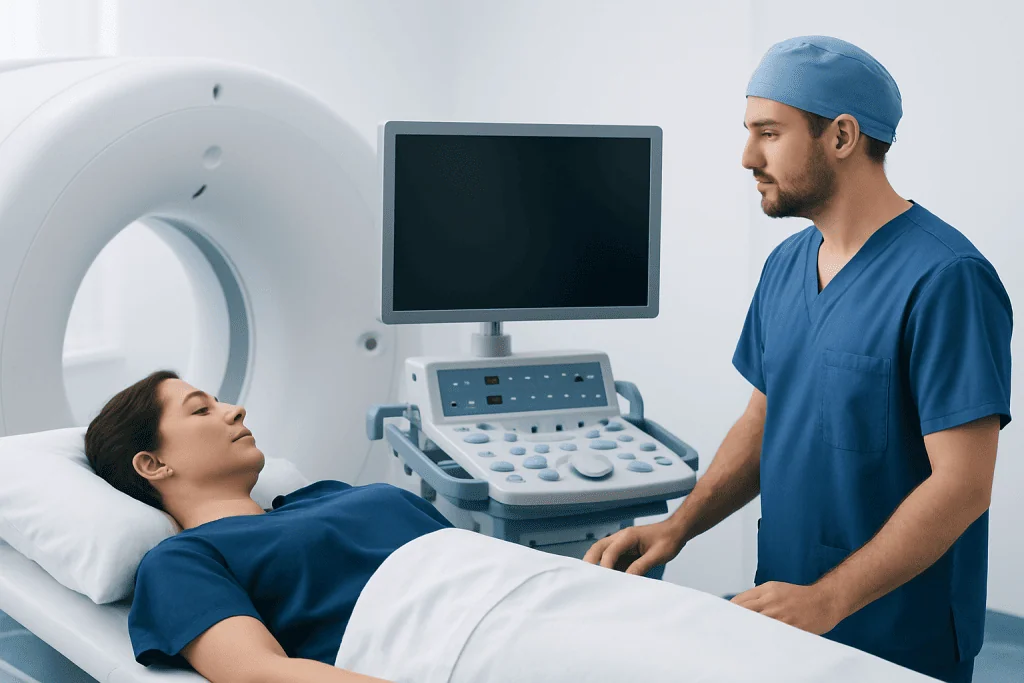
The purpose of bowel preparation is to leave the colon as empty and clean as possible. Even small amounts of stool can look like a polyp on imaging, while retained fluid may hide the colon lining. Good preparation helps improve accuracy and may reduce the need to repeat the test.
Virtual colonoscopy is often used as a screening tool for colorectal abnormalities, including polyps and cancer. It can be an option for some people who cannot complete a standard colonoscopy or prefer a less invasive imaging approach. However, if preparation is incomplete, the usefulness of the test can be limited.
A clear understanding of instructions can make the process easier. Patients often find it helpful to review the schedule ahead of time, buy approved fluids and foods early, and stay close to a bathroom once the bowel-cleansing medicine begins to work.
Diet Before a Virtual Colonoscopy

Many preparation plans begin one to two days before the exam, although exact timing depends on the center. Patients may be asked to switch to a low-fiber or low-residue diet first, then move to clear liquids the day before the scan. This reduces the amount of undigested material in the bowel.
Foods that may be limited or avoided include whole grains, nuts, seeds, raw vegetables, beans, and some fruits with skins or pulp. Lower-fiber choices may be easier to digest during this period. Common examples include white bread, plain rice, pasta, eggs, yogurt without fruit pieces, and lean protein, if allowed by the care team.
On the clear-liquid day, patients are usually asked to avoid solid foods and drink only approved fluids. These commonly include:
- Water
- Clear broth
- Tea or coffee without milk or cream, if permitted
- Clear apple juice or white grape juice
- Sports drinks without red or purple coloring
- Gelatin or ice pops without red or purple coloring
Red or purple liquids are often discouraged because they can interfere with image interpretation. Staying well hydrated is important, as bowel-cleansing medicines can increase fluid loss. If a patient has diabetes, kidney disease, heart failure, or another condition that affects fluid or diet needs, preparation instructions may need to be adjusted by a doctor.
Bowel Cleanout and Medicines
Bowel cleanout usually involves a laxative regimen taken the day before the test, sometimes with additional doses on the evening before or the morning of the exam. The exact medicines differ between centers and may include a liquid laxative, tablets, or agents that mark leftover stool for the radiologist to recognize more easily. It is important to follow the timing carefully.
After the bowel-cleansing medicine is taken, frequent watery bowel movements are expected. This is a normal part of the process. Planning ahead can help: loose, comfortable clothing, easy bathroom access, and skin-protective products may make the experience more manageable.
Patients should tell their healthcare team about all medicines they take, including blood thinners, iron supplements, diabetes medicines, and over-the-counter products. Some medicines may need temporary adjustments before the scan. Iron, for example, may darken stool and can sometimes affect preparation quality, while diabetes medicines may need special planning if food intake is reduced.
Any severe symptoms during preparation, such as fainting, persistent vomiting, significant weakness, or signs of dehydration, should prompt medical advice. People with kidney problems, bowel obstruction concerns, severe constipation, or prior bowel surgery may need a tailored preparation plan.
What to Expect During the Scan
On the day of the exam, patients usually check in at the imaging department and review their preparation and medical history. In many cases, sedation is not needed, which means most people can return to normal activities sooner than after a standard colonoscopy. The scan itself is usually relatively quick.
During the procedure, a small tube is gently placed into the rectum so the colon can be inflated with air or, more commonly, carbon dioxide. This helps open the colon and improve image quality. Patients may feel fullness, pressure, bloating, or mild cramping for a short time, but the discomfort is often brief.
The scanner takes images while the patient lies in different positions, often on the back and stomach or side. It is important to stay still and hold the breath for short periods when instructed. Some exams may include contrast depending on the reason for imaging and the center’s protocol. The test is related to CT scanning technology and may be part of a broader diagnostic imaging pathway.
Unlike a standard colonoscopy, virtual colonoscopy does not allow the doctor to remove a polyp or take a biopsy during the same session. If an abnormality is found, a traditional colonoscopy may still be recommended for direct evaluation and treatment.
After the Exam and Understanding Results
After virtual colonoscopy, most patients can drink, eat, and resume usual activities unless their doctor advises otherwise. Mild bloating or passing gas can occur for a short time as the air or carbon dioxide leaves the bowel. This generally settles quickly.
A radiologist reviews the images and looks for polyps, cancers, and other changes in the colon. Sometimes the scan may also show findings outside the colon, because CT images include nearby structures in the abdomen and pelvis. Not all incidental findings are serious, but they may lead to further evaluation.
Results may be reported as normal, inconclusive, or abnormal. If a suspicious growth is seen, the next step is often standard colonoscopy for confirmation and possible removal. If colorectal cancer is suspected or diagnosed, patients may then need further assessment for colon cancer and discussion of treatment options with a specialist team.
Tips for a Smoother Preparation
Many patients feel more confident when they prepare in advance. Shopping early for approved drinks, arranging a light schedule, and reading the instructions fully can reduce stress. Chilling the bowel-prep solution, drinking it through a straw, or following each dose with a permitted clear liquid may make it easier to tolerate if allowed by the care team.
Hydration is one of the most helpful parts of preparation. Drinking enough clear fluids can reduce thirst, dizziness, and headache. Patients should continue to follow any limits given by their doctor, especially if they have heart, kidney, or endocrine conditions.
It can also help to ask practical questions beforehand, such as when to stop eating, which routine medicines to take, and whether driving is allowed after the exam. If a patient has had difficulty with bowel preparation in the past, that information should be shared, as an alternative plan may be possible. In some cases, the findings from CT colonography may lead to care involving gastroenterology specialists.
When to Contact a Doctor
Patients should contact their healthcare team before the exam if they are pregnant, think they may be pregnant, have severe kidney disease, have recently had bowel surgery, or have symptoms such as severe abdominal pain, fever, or ongoing rectal bleeding. These factors may affect whether the test is appropriate or how the preparation should be done.
During preparation, medical advice is important if there is repeated vomiting, inability to keep fluids down, severe dizziness, fainting, confusion, or very little urination. These may be signs of dehydration or another problem that needs attention. A patient should also call if they are unsure whether the bowel-cleaning process is working properly.
After the scan, urgent medical help is needed for severe abdominal pain, persistent vomiting, fever, heavy rectal bleeding, or signs of significant illness. Although serious complications are uncommon, it is sensible to know which symptoms should not be ignored.
For people seeking evaluation abroad, Acibadem International’s multidisciplinary specialists and JCI-accredited hospitals provide diagnostic imaging and follow-up care for international patients when virtual colonoscopy or related testing is needed.
Frequently asked questions
What is the difference between a virtual colonoscopy and a standard colonoscopy?
A virtual colonoscopy uses CT imaging to create pictures of the colon, while a standard colonoscopy uses a flexible tube with a camera to look directly inside the bowel. Virtual colonoscopy is less invasive and often does not require sedation, but it cannot remove polyps or take biopsies during the same test.
Do all patients need bowel preparation before a virtual colonoscopy?
Most patients do need bowel preparation because a clean colon improves image quality and accuracy. The exact steps can vary, but they often include diet changes, clear liquids, and laxatives. It is best to follow the imaging center's instructions closely.
Can a patient eat anything the day before a virtual colonoscopy?
In many cases, solid food is restricted the day before the exam and only clear liquids are allowed. Some centers begin with a low-fiber diet before switching to clear liquids. The exact schedule depends on the protocol used by the hospital or clinic.
Is virtual colonoscopy painful?
Most people do not describe the test as painful, but some feel temporary pressure, bloating, or mild cramping when the colon is inflated. These sensations are usually brief and improve soon after the scan. If discomfort is significant, the patient should tell the imaging staff.
Will a patient need someone to drive them home afterward?
Because sedation is often not used, many patients can usually return home on their own and resume normal activities. However, local policies may differ, and some people prefer assistance if they feel tired or uncomfortable after preparation. It is sensible to confirm this with the imaging center in advance.
What happens if virtual colonoscopy finds a polyp?
If the scan shows a suspicious polyp or another abnormal finding, the doctor may recommend a standard colonoscopy. This allows direct examination of the area and, if appropriate, biopsy or removal of the polyp. Further treatment depends on the final diagnosis.
References
- American College of Radiology
- Radiological Society of North America
- National Institute of Diabetes and Digestive and Kidney Diseases
- U.S. Preventive Services Task Force
- National Cancer Institute
This article is for general information only and is not a substitute for professional medical advice. Please consult a qualified doctor about your individual situation.
Persistent digestive symptoms? Get evaluated in Turkey
JCI-accredited · board-certified surgeons · reply within 24h
Add us as a Preferred Source to see more of our trusted health content across Google Search, AI Overviews and Discover.

More from the Health Library



Related Specialists

Prof. Dr. Ilgaz Doğusoy
Thoracic Surgery
Dr. Sinem Altunyuva Usta
Pediatric Cardiology
Prof. Dr. Ömer Fatih Ölmez
Medical Oncology
Assoc. Prof. Dr. Bahadir Osman Bozkirli
General Surgery