Visceral Fat: An Evidence-Based Guide for Patients

Visceral fat is deep abdominal fat that surrounds organs such as the liver, pancreas, and intestines. Higher visceral fat is linked with insulin resistance, type 2 diabetes, fatty liver disease, heart disease, and sleep apnea.
Key Takeaways
- Visceral fat is deep abdominal fat that surrounds organs such as the liver, pancreas, and intestines.
- Higher visceral fat is linked with insulin resistance, type 2 diabetes, fatty liver disease, heart disease, and sleep apnea.
- Waist size and overall health risks can help estimate visceral fat, while imaging tests can measure it more directly.
- The most effective approach usually combines nutrition, regular physical activity, better sleep, stress management, and treatment of related conditions.
- A doctor should assess rapid weight gain, increasing waist size, or signs of metabolic disease such as high blood sugar or high blood pressure.
Visceral fat is fat stored deep inside the abdomen around internal organs. Unlike fat just under the skin, visceral fat is more strongly linked with metabolic and cardiovascular disease, but it often improves with steady lifestyle changes and treatment of related health conditions.
Overview: What visceral fat means
Visceral fat is fat stored deep inside the abdomen, where it surrounds internal organs rather than sitting just under the skin. In everyday language, it is often called deep belly fat. A small amount is normal, but too much visceral fat is important because it is metabolically active and is more closely linked with illness than subcutaneous fat, the softer fat that can be pinched under the skin.
This type of fat can affect how the body handles sugar, fats, inflammation, and hormones. As a result, higher visceral fat is associated with conditions such as type 2 diabetes, high blood pressure, abnormal cholesterol, obesity, and fatty liver disease. It does not mean that everyone with abdominal weight has the same risk, but it does mean that body fat distribution matters as much as body weight alone.
Patients often ask whether visceral fat can be reduced. In many cases, yes. It usually responds to long-term changes in eating patterns, physical activity, sleep, and stress, and some people also benefit from structured medical support when weight-related or metabolic conditions are present.
How visceral fat differs from other body fat
Not all body fat behaves the same way. Subcutaneous fat lies under the skin, commonly around the hips, thighs, arms, and abdomen. Visceral fat sits deeper, packed between and around the organs in the abdominal cavity. Because of its location and biological activity, visceral fat releases substances that can promote inflammation and interfere with insulin action.
A person may have visible abdominal fullness from a combination of subcutaneous and visceral fat. This is why appearance alone cannot show exactly how much visceral fat someone has. Some people with a larger body size have relatively lower metabolic risk than expected, while others with a moderate body weight can still carry excess visceral fat and develop blood sugar or cholesterol problems.
Doctors therefore look at the broader picture, including waist size, family history, blood pressure, blood tests, activity level, and sleep patterns. This helps move the conversation away from appearance and toward measurable health outcomes.
Symptoms and signs linked with visceral fat

Visceral fat itself usually does not cause specific symptoms. Most people do not feel it directly, and many only become aware of it when their waistline increases or when routine tests show metabolic changes. A larger waist circumference is one of the most practical clues that excess deep abdominal fat may be present.
Although visceral fat does not usually hurt or produce a distinct sensation, it often appears alongside other signs of metabolic strain. These may include:
- Increasing waist size or central weight gain
- High blood pressure
- High fasting blood sugar or prediabetes
- Abnormal cholesterol or triglyceride levels
- Low energy or reduced exercise tolerance
- Snoring or possible sleep apnea
Some related conditions can produce symptoms of their own. For example, insulin resistance may lead to rising blood sugar over time, and fatty liver disease may be discovered on blood tests or ultrasound. Because these changes can develop quietly, regular health checks are often helpful, especially for adults with a family history of diabetes or heart disease.
Causes and risk factors
Visceral fat develops through a mix of biology, lifestyle, and age-related changes. A long-term calorie surplus can contribute, but the pattern is more complex than simply eating too much. Genetics, hormones, sleep quality, stress, and daily activity all influence where the body stores fat.
Common risk factors include getting older, physical inactivity, a diet high in ultra-processed foods and sugary drinks, regular alcohol overuse, chronic stress, and short or poor-quality sleep. Family history also matters, as some people are more prone to storing fat centrally around the abdomen.
Certain medical conditions can contribute as well. These include insulin resistance, menopause-related hormonal changes, and endocrine disorders. In some patients, medicines such as long-term corticosteroids may promote central weight gain. A doctor may also consider related illnesses and whether more targeted care, including obesity surgery or endocrinology care, is appropriate for the wider health picture.
How doctors assess visceral fat
Visceral fat is often estimated in routine care rather than directly measured. Doctors usually begin with medical history, weight, body mass index, and waist circumference. Waist size is especially useful because abdominal fat distribution can add risk even when body mass index does not look very high.
Blood pressure and blood tests are also important. These may include fasting glucose, HbA1c, cholesterol, triglycerides, and liver function tests. This helps identify metabolic syndrome, diabetes risk, or liver involvement. If symptoms suggest sleep-disordered breathing, a sleep assessment may also be considered.
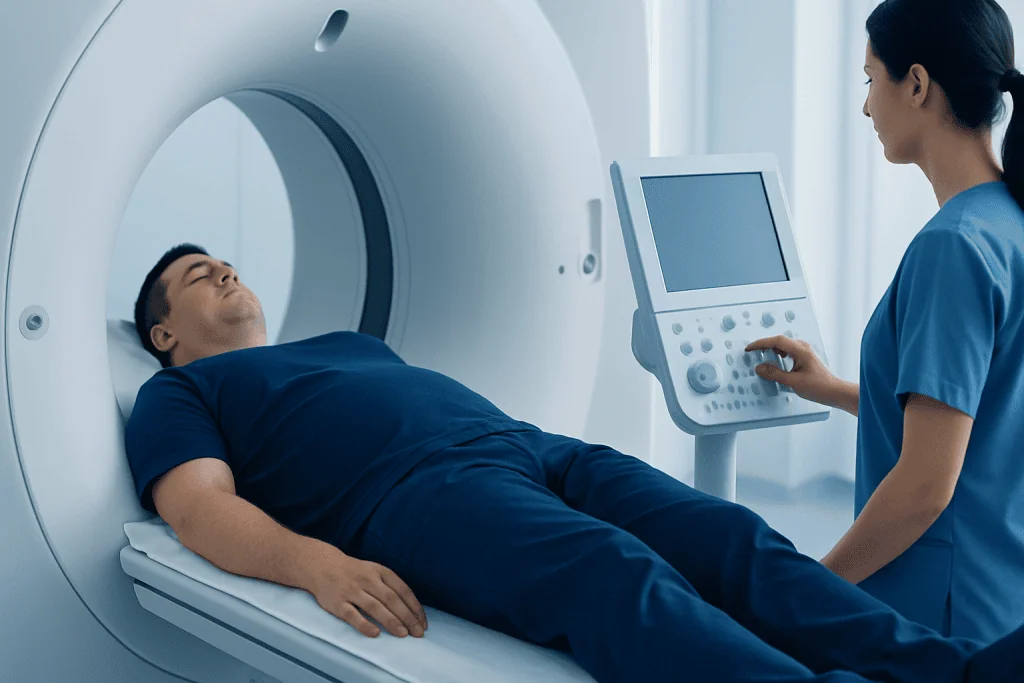
Imaging tests such as CT or MRI can measure visceral fat more directly, but they are not needed for most people. Ultrasound may sometimes be used to look for liver fat. The goal is usually not just to label fat type, but to understand whether it is already affecting health and what level of intervention is most useful.
Treatment and ways to reduce visceral fat
The most effective way to reduce visceral fat is gradual, sustainable weight loss supported by healthy routines. Even modest weight loss can improve blood sugar, cholesterol, blood pressure, and liver health. There is no safe way to target only one body area, but visceral fat often responds well when overall metabolic health improves.
Nutrition is a central part of treatment. Helpful patterns usually emphasize vegetables, fruit, legumes, whole grains, lean protein, and healthy fats while limiting sugary drinks, refined carbohydrates, and highly processed foods. Regular meal timing and portion awareness may also help some patients. A doctor or dietitian can tailor advice to existing conditions such as diabetes, high cholesterol, or liver disease.
Physical activity also matters. A combination of aerobic exercise and strength training is often recommended because it supports fat loss, insulin sensitivity, and muscle preservation. People who are new to exercise may begin with walking and gradually increase intensity as tolerated. Some patients may benefit from structured diet and nutrition support or supervised weight loss program follow-up.
For selected patients, medical treatment may be part of the plan. This can include management of diabetes, blood pressure, cholesterol, sleep apnea, or fatty liver disease. In people with severe obesity or obesity-related complications, specialist evaluation can help determine whether medication or procedural treatment is appropriate.
Prevention and self-care habits that help
Preventing visceral fat gain usually relies on consistent habits rather than short-term efforts. A balanced eating pattern, regular exercise, and weight monitoring over time can make a meaningful difference. The aim is steady health improvement, not perfection.
Self-care steps that commonly help include:
- Choosing mostly minimally processed foods
- Reducing sugar-sweetened beverages and excess alcohol
- Doing regular aerobic activity and muscle-strengthening exercise
- Sleeping 7 to 9 hours when possible
- Managing stress with practical, repeatable techniques
- Keeping up with routine checkups and blood tests
Weight around the waist can increase gradually, so tracking waist size from time to time may be useful. Patients should focus on long-term patterns instead of quick fixes, detoxes, or extreme diets. These approaches are difficult to sustain and may not improve overall metabolic health.
Near the end of a care journey, some people need coordinated specialist support rather than self-management alone. Acibadem International’s multidisciplinary specialists at JCI-accredited hospitals diagnose and treat weight-related and metabolic conditions for international patients when more advanced evaluation is needed.
When to seek medical care
Medical care is appropriate if abdominal weight gain is increasing, especially when it is accompanied by high blood pressure, high blood sugar, snoring, daytime sleepiness, or abnormal cholesterol results. A clinician can help determine whether visceral fat is contributing to metabolic syndrome, liver disease, or cardiovascular risk.
Patients should also seek evaluation if they have a strong family history of diabetes or heart disease, if they have been unable to lose weight despite consistent efforts, or if they notice rapid body changes without a clear reason. Sudden abdominal swelling, severe pain, or unexplained weight changes should always be assessed, as these are not typical signs of visceral fat alone.
Prompt medical advice can also be useful when a person has obesity together with joint pain, shortness of breath, fertility concerns, or symptoms of sleep apnea. Early assessment often allows doctors to identify manageable risk factors before complications develop.
Frequently asked questions
What is visceral fat?
Visceral fat is fat stored deep in the abdomen around organs such as the liver, pancreas, and intestines. It differs from subcutaneous fat, which lies just under the skin. Too much visceral fat is linked with higher metabolic and cardiovascular risk.
Can someone have visceral fat even if they are not very overweight?
Yes. Some people have a normal or only mildly elevated body weight but still carry excess fat centrally around the abdomen. That is why waist size, blood pressure, blood sugar, and cholesterol are important alongside body mass index.
How can visceral fat be measured?
Doctors often estimate it using waist circumference and by looking at related health markers such as blood sugar and cholesterol. CT and MRI can measure visceral fat more directly, but they are not usually necessary in routine care. The decision depends on the person's overall health needs.
What is the fastest safe way to reduce visceral fat?
There is no reliable quick fix that safely removes only visceral fat. The safest and most effective approach is a sustainable plan that combines healthier eating, regular exercise, good sleep, and treatment of related conditions. Even modest weight loss can improve risk markers.
Does exercise help reduce visceral fat?
Yes. Regular aerobic activity and strength training can help reduce visceral fat, especially when combined with a balanced diet. Exercise also improves insulin sensitivity, blood pressure, fitness, and long-term weight maintenance.
Is visceral fat dangerous?
Excess visceral fat is considered more medically important than fat just under the skin because it is linked with inflammation and metabolic disease. It can raise the risk of type 2 diabetes, heart disease, fatty liver disease, and sleep apnea. Risk varies from person to person, so medical assessment is useful.
References
- World Health Organization
- Centers for Disease Control and Prevention
- National Institute of Diabetes and Digestive and Kidney Diseases
- American Heart Association
- National Heart, Lung, and Blood Institute
This article is for general information only and is not a substitute for professional medical advice. Please consult a qualified doctor about your individual situation.
Medical weight-loss options in Turkey — costs & eligibility
JCI-accredited · board-certified surgeons · reply within 24h
Add us as a Preferred Source to see more of our trusted health content across Google Search, AI Overviews and Discover.
Check your numbers in seconds
BMI, calories, due date, blood pressure and 30+ more clinical calculators — free, instant, doctor-reviewed ranges.