Vitamin D Deficiency: Symptoms, Testing, and Safe Supplementation

Vitamin D helps the body absorb calcium and supports bones, muscles, and immune function. Low vitamin D may cause fatigue, muscle aches, bone pain, weakness, or no symptoms at all.
Key Takeaways
- Vitamin D helps the body absorb calcium and supports bones, muscles, and immune function.
- Low vitamin D may cause fatigue, muscle aches, bone pain, weakness, or no symptoms at all.
- The main test is a blood level called 25-hydroxyvitamin D, interpreted with a doctor’s guidance.
- Supplementation should be individualized, especially for children, pregnant people, older adults, and those with kidney or parathyroid conditions.
- Taking too much vitamin D can be harmful, so high-dose supplements should not be used without medical advice.
Vitamin D deficiency is common and often develops quietly, but it can affect bone strength, muscle function, and overall health. A simple blood test can help guide safe treatment, including diet, sunlight habits, and supplements when needed.
Overview
Vitamin D is a fat-soluble vitamin that acts more like a hormone in the body. It helps the intestines absorb calcium and phosphorus, two minerals that are essential for healthy bones and teeth. Vitamin D also supports muscle function and plays a role in normal immune system activity.
Vitamin D deficiency means the body does not have enough vitamin D to meet its needs. This may happen because of limited sun exposure, low intake from food, reduced absorption in the digestive system, certain medical conditions, or some medications. In many people, deficiency develops gradually and may not cause obvious symptoms at first.
Because vitamin D levels can be influenced by age, skin pigmentation, clothing habits, season, geography, diet, and health conditions, there is no one-size-fits-all approach. Testing and treatment decisions are best made with a qualified healthcare professional who can interpret results in context.
Symptoms of Vitamin D Deficiency
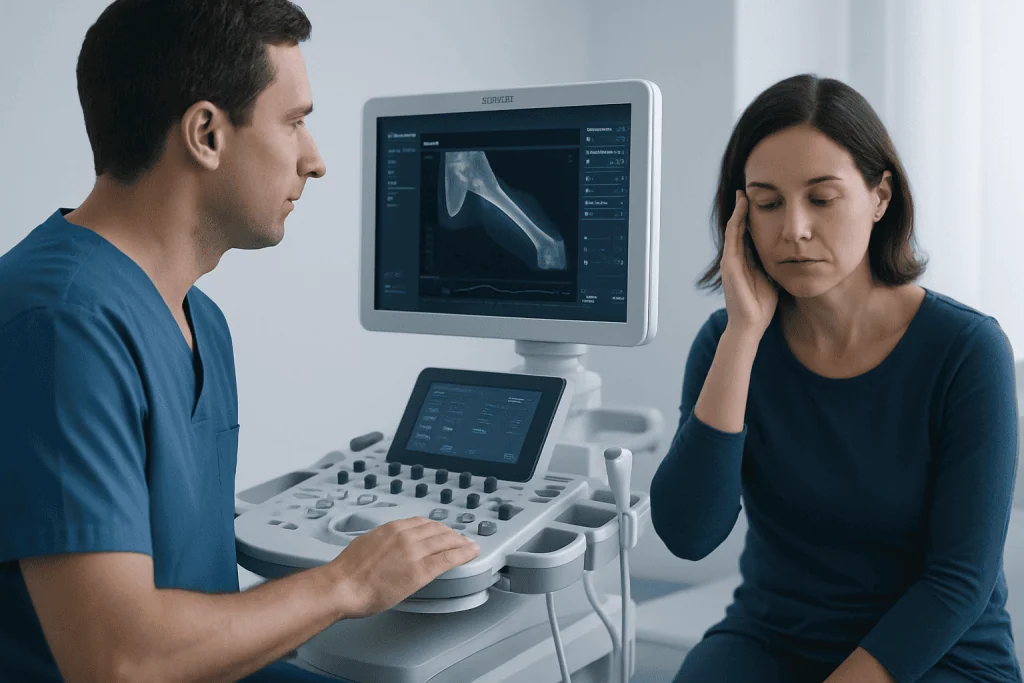
Some people with vitamin D deficiency feel well and only discover it after a blood test. Others may notice symptoms that are easy to attribute to stress, lack of sleep, aging, or a busy lifestyle. Symptoms can be mild and nonspecific, which is why medical evaluation is helpful when they persist.
Possible symptoms of low vitamin D include:
- Fatigue or low energy
- Muscle aches, cramps, or weakness
- Bone discomfort, especially in the back, hips, ribs, or legs
- Frequent falls or reduced balance in older adults
- Low mood or reduced sense of wellbeing
- Slow recovery from bone stress or fractures
In children, severe deficiency can affect bone development and may contribute to rickets, a condition in which bones become soft and may bend. In adults, long-standing deficiency can contribute to osteomalacia, which means softening of the bones, and may worsen osteoporosis risk when combined with other factors.
Causes and Risk Factors

The body can make vitamin D when skin is exposed to ultraviolet B rays from sunlight. However, many factors reduce this process, including living at northern or southern latitudes with limited winter sunlight, spending most of the day indoors, using sun protection, air pollution, darker skin pigmentation, and clothing that covers most of the skin. Sun safety remains important, so increasing sun exposure should be discussed carefully rather than approached as unlimited sunbathing.
Diet can also contribute. Only a limited number of foods naturally contain meaningful vitamin D, such as oily fish and egg yolks. Some countries fortify foods such as milk, plant-based drinks, cereals, or spreads, but fortification practices vary widely. People who follow strict vegan diets, avoid fortified foods, or have very limited dietary variety may be at higher risk.
Several health conditions can reduce vitamin D absorption or activation. These include celiac disease, inflammatory bowel disease, some liver or kidney conditions, and a history of bariatric or intestinal surgery. Certain medicines may also affect vitamin D metabolism, including some anti-seizure medicines, glucocorticoids, and medications that reduce fat absorption.
Risk is also higher in older adults, people with obesity, pregnant or breastfeeding people, infants who are exclusively breastfed without appropriate supplementation, and individuals with osteoporosis or a history of low-trauma fractures. These groups may benefit from targeted screening and individualized prevention plans.
Diagnosis and Vitamin D Testing
The most commonly used blood test is 25-hydroxyvitamin D, often written as 25(OH)D. This test reflects vitamin D from sunlight, food, and supplements. A doctor may order it when symptoms, medical history, bone health concerns, or risk factors suggest deficiency.
Vitamin D results are usually reported in ng/mL or nmol/L. Exact cutoffs vary between guidelines and laboratories, and interpretation should consider the person’s age, medical conditions, calcium level, kidney function, bone health, and supplement use. For this reason, it is better to review results with a healthcare professional rather than relying on a single number alone.
Additional tests may be needed in some cases. A doctor may check calcium, phosphorus, alkaline phosphatase, parathyroid hormone, kidney function, or bone density, especially when deficiency is severe, symptoms are significant, or there is concern about osteoporosis or another underlying condition.
Routine screening of every healthy adult is not always recommended, but testing is often appropriate for people with clear risk factors. Repeating the blood test after treatment can help confirm that the level has improved and that the chosen plan is safe.
Treatment Options and Safe Supplementation
Treatment depends on how low the vitamin D level is, why it is low, and whether there are related problems such as low calcium, bone pain, osteoporosis, kidney disease, or digestive malabsorption. For some people, small daily supplements and dietary changes are enough. Others may need a higher medically supervised replacement plan for a limited period.
Vitamin D supplements are commonly available as vitamin D3, also called cholecalciferol, and vitamin D2, called ergocalciferol. Both can raise vitamin D levels, although clinicians may prefer one form depending on the person’s needs and local availability. Supplements may be taken as tablets, capsules, drops, or combined with calcium when appropriate.
Safe supplementation means avoiding guesswork. Taking more vitamin D than needed for a long time can raise calcium levels in the blood, which may cause nausea, constipation, excessive thirst, confusion, kidney stones, or kidney injury. High-dose vitamin D, injections, and concentrated drops should only be used under medical supervision.
People with kidney disease, sarcoidosis, tuberculosis, lymphoma, primary hyperparathyroidism, a history of kidney stones, or high calcium levels need special guidance before taking supplements. Babies, children, pregnant people, and older adults should also follow age-appropriate medical recommendations rather than adult supplement habits.
Food, Sunlight, and Self-Care
A balanced approach usually works best. Food alone may not correct a significant deficiency, but it can support long-term maintenance. Helpful sources include oily fish such as salmon, sardines, and mackerel; egg yolks; fortified milk or plant-based drinks; fortified cereals; and some fortified dairy products. People who avoid animal products can look for fortified foods and discuss suitable supplements with a clinician.
Sunlight can help the body make vitamin D, but it must be balanced with skin cancer prevention. The amount of sun needed varies greatly by skin type, season, location, time of day, age, clothing, and sunscreen use. Rather than seeking intense sun exposure, patients can ask their doctor what is reasonable for their skin type and medical history.
General bone-health habits also matter. Weight-bearing exercise, resistance training, adequate calcium intake, not smoking, and limiting excessive alcohol all support stronger bones. For older adults, fall-prevention strategies such as vision checks, balance exercises, safe footwear, and removing home trip hazards can be just as important as correcting vitamin D.
When to See a Doctor
A doctor should be consulted if fatigue, muscle weakness, bone pain, frequent falls, or unexplained aches continue for more than a short period or interfere with daily life. Medical advice is also important after a low-trauma fracture, in known osteoporosis, during pregnancy, for infants and children, and for anyone with chronic digestive, liver, kidney, or endocrine conditions.
People who are already taking vitamin D should seek guidance before adding extra supplements, combining multiple products, or using high-strength preparations. Many multivitamins, calcium products, immune-support products, and bone-health formulas contain vitamin D, so it is possible to take more than intended.
International patients seeking evaluation can be assessed by multidisciplinary specialists at Acibadem International’s JCI-accredited hospitals, where testing, diagnosis, and treatment planning are coordinated according to individual medical needs. Wherever care is received, the safest plan is one based on a medical history, blood test results, and follow-up when needed.
Frequently asked questions
What is the best test for vitamin D deficiency?
The standard test is a blood level called 25-hydroxyvitamin D, or 25(OH)D. It reflects vitamin D from sun exposure, food, and supplements. A doctor can interpret the result along with calcium levels, kidney function, symptoms, and medical history.
Can vitamin D deficiency cause tiredness?
Yes, fatigue can occur with low vitamin D, but it is not specific to vitamin D deficiency. Many other issues, such as anemia, thyroid disease, poor sleep, stress, and infections, can also cause tiredness. Persistent fatigue should be discussed with a healthcare professional.
Is sunlight enough to correct low vitamin D?
Sunlight may help maintain vitamin D levels in some people, but it is not always enough to correct deficiency. Season, geography, skin pigmentation, age, clothing, and sun protection all affect vitamin D production. Sun exposure should also be balanced with skin safety.
Can taking too much vitamin D be dangerous?
Yes. Excess vitamin D can raise calcium levels in the blood and may harm the kidneys or cause other symptoms. High-dose supplements should only be taken when recommended and monitored by a qualified healthcare professional.
How long does it take to improve vitamin D levels?
Improvement depends on the starting level, the supplement plan, absorption, and the reason for deficiency. Many clinicians recheck blood levels after a period of treatment to confirm the response. Patients should follow the schedule recommended by their doctor rather than changing doses on their own.
Who is most likely to need vitamin D supplementation?
People at higher risk include older adults, infants, pregnant or breastfeeding people, those with limited sun exposure, people with darker skin, and individuals with malabsorption, kidney disease, or osteoporosis. Supplement needs vary, so testing and medical guidance are especially useful for these groups.
References
- World Health Organization
- Endocrine Society
- National Institutes of Health Office of Dietary Supplements
- Mayo Clinic
- American Academy of Pediatrics
This article is for general information only and is not a substitute for professional medical advice. Please consult a qualified doctor about your individual situation.
Persistent digestive symptoms? Get evaluated in Turkey
JCI-accredited · board-certified surgeons · reply within 24h
Add us as a Preferred Source to see more of our trusted health content across Google Search, AI Overviews and Discover.