Vocal Cord Surgery: Benefits, Risks, and Recovery — A Complete Guide

Vocal cord surgery may remove lesions, obtain a biopsy, improve vocal fold closure, or widen a narrowed airway. Most procedures are performed through the mouth using specialized instruments, without an external neck incision.
Key Takeaways
- Vocal cord surgery may remove lesions, obtain a biopsy, improve vocal fold closure, or widen a narrowed airway.
- Most procedures are performed through the mouth using specialized instruments, without an external neck incision.
- Voice rest, hydration, reflux control when needed, and speech-language therapy can support healing.
- Risks include temporary voice changes, bleeding, scarring, infection, and anesthesia-related complications; serious airway problems are uncommon but require urgent assessment.
- The expected recovery timeline varies considerably according to the condition treated and the type of surgery performed.
Vocal cord surgery is a group of procedures used to diagnose or treat abnormalities that affect the voice, airway, or swallowing. The best approach depends on the underlying problem, and recovery commonly includes a period of carefully planned voice rest and follow-up with an ENT specialist.
Overview: What Is Vocal Cord Surgery?
Vocal cord surgery, also called vocal fold or laryngeal surgery, refers to procedures performed on the vocal cords inside the voice box (larynx). It may be recommended when a structural change, injury, movement problem, narrowing, or suspicious area is causing persistent hoarseness, breathing difficulty, swallowing concerns, or other symptoms. The aim may be to improve the voice, protect the airway, remove abnormal tissue, or confirm a diagnosis through biopsy.
The vocal cords are two flexible bands of tissue that vibrate as air passes through them. Their precise movement creates sound, while their ability to close helps protect the airway during swallowing. Small changes such as a cyst, polyp, nodule, scar, paralysis, or inflammation can affect this delicate function.
Not every voice problem requires surgery. Many people improve with voice therapy, treatment of reflux or allergies, smoking cessation, vocal habit changes, or medical treatment of an underlying condition. An ear, nose, and throat (ENT) specialist, often working with a laryngologist and speech-language therapist, helps determine whether surgery is likely to be useful.
Why It May Be Recommended and Who May Benefit
A specialist may consider vocal cord surgery when symptoms persist despite appropriate nonsurgical care, when a lesion needs removal or biopsy, or when a problem is affecting breathing or safe swallowing. Common reasons include vocal fold polyps, cysts, certain nodules, granulomas, scarring, leukoplakia, benign growths, vocal fold paralysis, and narrowing of the larynx. Surgery may also be part of the evaluation or treatment plan when cancer is suspected.
Candidacy is individual. The clinician considers the nature and location of the problem, how long symptoms have lasted, professional voice demands, general health, medications, smoking history, and findings from a detailed laryngeal examination. Flexible laryngoscopy and stroboscopy, which assesses vocal fold vibration in slow motion, are often important in planning treatment.
Some voice changes are related to other conditions rather than a lesion that surgery can correct. For example, reflux, muscle tension dysphonia, neurologic conditions, or inflammation may need medical management or therapy first. When a mass or persistent abnormality is seen, evaluation for laryngeal cancer may be necessary before deciding on the most appropriate procedure.
How the Procedure Works: Common Types and Steps

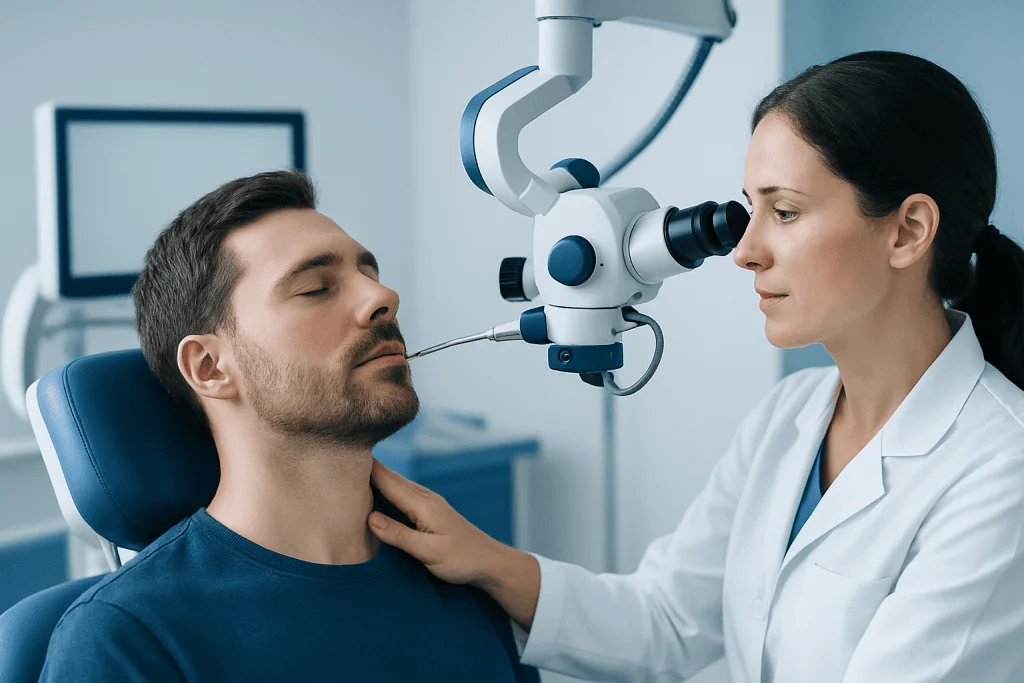
Many vocal cord operations are performed as direct microlaryngoscopy. Under general anesthesia, the surgeon passes a laryngoscope through the mouth to view the larynx. A microscope, camera, or laser may be used to magnify the area and allow precise treatment. Because the approach is through the mouth, an external incision is usually not needed.
During microlaryngeal surgery, the surgeon may remove a polyp or cyst, treat scar tissue, take a biopsy, remove abnormal surface tissue, or use laser technology for selected conditions. The goal is to preserve as much healthy vocal fold tissue as possible, since delicate tissue layers are essential for normal vibration. Some procedures for vocal fold paralysis, such as injection augmentation, may be performed in an office setting with local anesthetic or in an operating room, depending on the situation.
For airway narrowing or more complex movement disorders, treatment can involve different techniques and may require a broader surgical plan. Before surgery, the team reviews medical history, medications, allergies, fasting instructions, anesthesia considerations, and the expected period of voice rest. Patients should tell their clinician about blood-thinning medicines, supplements, tobacco use, and any recent respiratory infection.
- Assessment: Voice evaluation, laryngeal imaging, and discussion of goals.
- Anesthesia and access: The larynx is reached through the mouth in many cases.
- Targeted treatment: Abnormal tissue is removed, repaired, injected, widened, or biopsied.
- Recovery planning: Written advice covers voice use, diet, activity, medicines, and follow-up.
Potential Benefits and Expected Results
The potential benefit of vocal cord surgery depends on the problem being treated. Removing a benign lesion may reduce hoarseness, vocal fatigue, strain, or loss of vocal range. Surgery for incomplete vocal fold closure may improve voice strength and, in selected people, may also help reduce coughing or choking with liquids. Procedures for airway narrowing can improve airflow and breathing.
When tissue is removed for laboratory examination, surgery can provide an important diagnosis and guide further care. If abnormal or precancerous tissue is found, early assessment and treatment may be particularly valuable. However, surgery does not always restore the voice to its exact prior quality, especially when there has been longstanding scarring, nerve impairment, extensive inflammation, or repeated vocal strain.
Voice therapy is often a central part of success rather than an optional extra. A speech-language therapist can help a person return to speaking safely, reduce harmful vocal behaviors, improve breath support, and protect the surgical result. People who use their voice professionally may need a more gradual and individualized return-to-voice plan.
Recovery Timeline and Aftercare
Recovery after vocal cord surgery varies by procedure. Following a small lesion removal, many people go home the same day and may experience a sore throat, mild swallowing discomfort, temporary hoarseness, or fatigue from anesthesia. These symptoms usually improve over several days. More extensive procedures, airway surgery, or treatment for cancer may involve a different recovery process and closer monitoring.
Complete voice rest is often advised for a short period after certain microlaryngeal procedures, but the exact length is individualized. Voice rest generally means avoiding speaking, singing, whispering, throat clearing, and coughing when possible. Whispering is not a safe substitute for speech because it can still strain the vocal folds. The specialist will explain when gentle voice use can resume and whether voice therapy should begin soon afterward.
During healing, hydration is important. Patients may be advised to avoid smoking and vaping, alcohol if it irritates the throat or interacts with medicines, shouting, heavy voice use, and environments with dry air or irritants. If reflux contributes to symptoms, dietary measures and prescribed treatment may be included in the recovery plan. Follow-up laryngoscopy allows the clinician to check healing and tailor the return to normal activities.
A typical recovery is measured in stages rather than a single date: immediate throat and anesthesia recovery during the first few days, a protected healing period with restricted voice use, then gradual voice reintroduction over subsequent weeks. A person should follow their own surgeon’s instructions, as returning to high-demand speaking or singing too early can affect healing.
Risks and Possible Complications
Vocal cord surgery is generally performed with careful attention to preserving voice function, but all procedures carry potential risks. Common short-term effects include throat discomfort, hoarseness, coughing, mild pain with swallowing, nausea after anesthesia, and temporary changes in voice quality. These do not necessarily mean the surgery has been unsuccessful, as the tissues need time to settle and heal.
Less common risks include bleeding, infection, dental or lip injury from instruments, breathing problems related to swelling, reaction to anesthesia, scarring, web formation between the vocal folds, and persistent or worsened voice changes. Removing too much tissue or developing scar tissue can affect vocal fold vibration, which is why precision and postoperative care are important.
The care team discusses risks in relation to the individual procedure and health history. It is important for patients to ask what outcome is realistic, whether nonsurgical alternatives remain appropriate, how long voice restrictions will last, and what signs should prompt an urgent call. People should not stop prescribed medicines or start over-the-counter treatments without discussing them with their clinical team.
Protecting the Voice and When to Seek Medical Care
Good vocal health can support recovery and may help prevent some recurring voice problems. Useful habits include drinking enough water, taking voice breaks during long conversations or presentations, using amplification instead of shouting, avoiding smoking and secondhand smoke, and treating nasal allergies, reflux, or frequent coughing when advised. Learning efficient speaking techniques with a speech-language therapist can be especially helpful for teachers, performers, call-center workers, and others with high voice demands.
Medical assessment is recommended for hoarseness that lasts longer than several weeks, particularly for people who smoke, have a history of head and neck cancer, or use their voice professionally. Earlier review is appropriate for persistent pain, a neck lump, difficulty swallowing, coughing up blood, unexplained weight loss, noisy breathing, or breathing difficulty. Sudden significant breathing trouble requires emergency medical care.
After surgery, patients should contact their surgical team promptly for increasing pain, fever, significant bleeding, inability to swallow fluids, worsening shortness of breath, or symptoms that feel concerning. Acibadem International’s multidisciplinary specialists and JCI-accredited hospitals can assess and treat vocal cord conditions for international patients, including through vocal cord surgery evaluation and treatment.
Frequently asked questions
How long does it take to recover from vocal cord surgery?
Recovery depends on the type and extent of surgery. Throat discomfort may improve within days, while voice healing and a gradual return to normal voice use often take several weeks. The surgeon and speech-language therapist provide an individualized schedule for voice rest and rehabilitation.
Will the voice be better after vocal cord surgery?
Many people notice improvement when surgery successfully treats the underlying problem, such as a polyp, cyst, or incomplete vocal fold closure. Results vary with the diagnosis, tissue healing, vocal habits, and whether voice therapy is needed. Some conditions may improve only partly or may require ongoing treatment.
Is vocal cord surgery painful?
The procedure itself is commonly performed under general anesthesia, so the patient is asleep and does not feel pain during surgery. Afterwards, a sore throat, mild swallowing discomfort, or hoarseness can occur for a short time. The care team can recommend suitable pain relief if needed.
Why is whispering discouraged after vocal cord surgery?
Whispering can place strain on the vocal folds and may interfere with protected healing. When voice rest is prescribed, it usually means avoiding both normal speech and whispering. Patients should use other methods of communication and follow their surgeon's specific instructions.
Can vocal cord lesions return after surgery?
Some lesions can recur, particularly if the contributing factors remain, such as repeated vocal overuse, smoking, uncontrolled reflux, or frequent throat clearing. Voice therapy and management of these factors can reduce the chance of recurrence. Follow-up appointments help identify any ongoing problems early.
What should someone eat after vocal cord surgery?
Many people can resume fluids and soft foods once they are fully awake and swallowing comfortably after anesthesia. A clinician may recommend avoiding foods or drinks that worsen reflux or irritate the throat. Specific dietary instructions can differ if more extensive throat or airway surgery was performed.
References
- American Academy of Otolaryngology–Head and Neck Surgery
- National Institute on Deafness and Other Communication Disorders
- American Speech-Language-Hearing Association
- Mayo Clinic
- National Cancer Institute
This article is for general information only and is not a substitute for professional medical advice. Please consult a qualified doctor about your individual situation.
Explore treatments in Turkey — costs, top hospitals & a free quote
JCI-accredited · board-certified surgeons · reply within 24h
Add us as a Preferred Source to see more of our trusted health content across Google Search, AI Overviews and Discover.