Vulvodynia: A Complete Medical Overview

Vulvodynia means chronic vulvar pain, often described as burning, stinging, rawness, or soreness. It may be localized to one area, such as the vestibule, or generalized across the vulva.
Key Takeaways
- Vulvodynia means chronic vulvar pain, often described as burning, stinging, rawness, or soreness.
- It may be localized to one area, such as the vestibule, or generalized across the vulva.
- Diagnosis is based on symptoms, examination, and ruling out other causes such as infection, skin disease, or nerve-related conditions.
- Treatment often combines pelvic floor therapy, pain-relief strategies, skin care measures, and sometimes medications or procedures.
- Early evaluation can help reduce ongoing discomfort and improve sexual, emotional, and physical well-being.
Vulvodynia is persistent pain, burning, or irritation in the vulvar area that lasts for months and is not explained by one obvious cause such as an infection or skin injury. Although the pain can affect daily life, work, exercise, and intimacy, many people improve with a careful diagnosis and a personalized treatment plan.
Overview: what vulvodynia is
Vulvodynia is long-lasting pain or discomfort in the vulva, the outer part of the female genital area. The pain usually lasts at least three months and is not fully explained by a single identifiable problem such as a simple infection, a fresh injury, or a clearly visible skin condition. People often describe the sensation as burning, stinging, irritation, throbbing, aching, or rawness.
This condition is a real pain disorder, not something imagined or caused by poor hygiene. Symptoms may be constant or may come and go. Some people feel pain only when the area is touched, for example during intercourse, tampon use, cycling, or sitting for long periods. Others have pain even without contact.
Doctors often describe vulvodynia by where the pain occurs. Localized vulvodynia affects one specific area, commonly the vestibule, which is the tissue around the vaginal opening. Generalized vulvodynia involves broader areas of the vulva. Understanding the pattern helps guide treatment and can make the condition feel more manageable.
How vulvodynia can feel and affect daily life
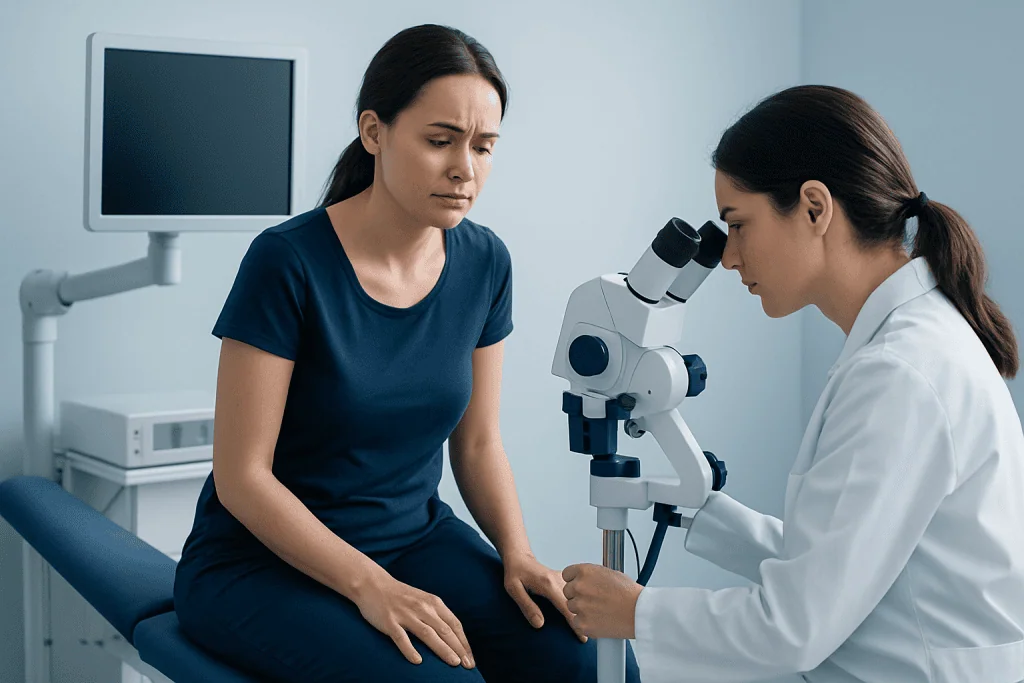
Symptoms vary from person to person. Some feel a sharp, needle-like pain, while others notice burning, soreness, pressure, itching without rash, or a sense that the skin is unusually sensitive. The vulva may look normal on examination, which can be confusing and frustrating for patients. Pain intensity can range from mild irritation to severe discomfort that interferes with normal activities.
Common triggers include sexual intercourse, inserting a tampon, gynecologic examinations, prolonged sitting, exercise, tight clothing, or even light touch. In some people, symptoms flare after recurrent vaginal infections, irritation from products, or periods of emotional stress, even though these may not be the sole cause.
Vulvodynia can affect much more than the vulva itself. It may lead to avoidance of intimacy, tension in relationships, reduced physical activity, sleep disruption, and anxiety about when pain will start. Recognizing these wider effects is important because treatment often works best when both physical symptoms and quality of life are addressed together.
- Burning or stinging
- Rawness or irritation
- Pain with intercourse or tampon use
- Discomfort with sitting, exercise, or tight clothing
- Increased sensitivity to touch
Possible causes and risk factors

There is rarely one single cause of vulvodynia. Instead, it is usually understood as a condition with several possible contributors. These may include increased sensitivity of pain nerves, pelvic floor muscle tension, past inflammation, hormonal influences, skin sensitivity, or a history of repeated irritation. In some people, symptoms begin after a yeast infection, childbirth, surgery, or trauma, while in others no clear starting point is found.
Researchers also think the nervous system may become over-responsive in some cases, causing normal touch to feel painful. Pelvic floor muscles can become tight or overactive as a response to pain, and that muscle tension may then maintain or worsen symptoms. This is one reason pelvic floor assessment is often part of the evaluation.
Risk factors are not the same as causes, but some patterns are seen more often. These include a history of recurring vaginal infections, chronic pain conditions, pelvic floor dysfunction, sensitivity to fragranced products, or conditions that may overlap with vulvar pain, such as vaginitis or endometriosis. It is also possible for vulvodynia to coexist with bladder pain, bowel discomfort, or other persistent pain syndromes.
How doctors diagnose vulvodynia
Diagnosis begins with listening carefully to the patient’s story. A doctor will ask where the pain is felt, how long it has lasted, what it feels like, what triggers it, and how it affects daily life. Medical history may include prior infections, skin conditions, childbirth, surgery, allergies, menstrual patterns, sexual pain, and any treatments already tried.
A gentle physical examination usually follows. This may include inspection of the vulvar skin and a cotton-swab test to identify tender areas and determine whether pain is localized or generalized. The clinician may also assess pelvic floor muscles for tightness or spasm. If needed, vaginal samples or other tests may be done to look for infections, skin disorders, hormonal changes, or other conditions that can mimic vulvodynia.
There is no single blood test or scan that confirms vulvodynia. The diagnosis is made after excluding other likely causes of vulvar pain, such as yeast infection, bacterial infection, dermatologic disease, trauma, menopause-related tissue changes, and certain nerve disorders. In some cases, patients may benefit from evaluation by specialists in gynecology, pelvic pain, dermatology, or pain medicine to build a complete picture.
Treatment options and what care may involve
Treatment is individualized because symptoms and triggers differ widely. Many people do best with a combination approach rather than a single treatment. The first step is often reducing factors that irritate the vulvar tissue, while also treating any underlying condition found during evaluation. It can take time to identify which measures are most helpful, but steady progress is common.
Conservative treatment may include pelvic floor physical therapy, especially if muscle tension contributes to pain. This can help relax overactive muscles, improve control, and reduce pain with touch or intercourse. Depending on the pattern of symptoms, a doctor may also consider topical treatments, certain oral medicines used for chronic pain, or counseling focused on coping strategies, intimacy concerns, and fear of pain.
Some patients benefit from targeted procedures if symptoms are localized and persistent despite other care. For selected cases, doctors may discuss options such as nerve-focused pain management or surgery for carefully diagnosed vestibular pain. If vulvodynia occurs alongside other gynecologic issues, related care such as pelvic floor rehabilitation or evaluation in pain management may be useful. Decisions should always be made with a qualified clinician who can explain expected benefits, limits, and possible side effects.
Treatment also often includes education. Understanding that chronic pain can involve skin, muscles, and the nervous system helps patients make sense of symptoms and avoid self-blame. Improvement may be gradual rather than immediate, and follow-up matters because treatment plans often need adjustment over time.
Self-care, prevention, and living with vulvar pain
There is no guaranteed way to prevent vulvodynia, but careful vulvar care can reduce irritation and may help prevent flare-ups. Patients are often advised to avoid perfumed soaps, douches, scented pads, and other fragranced products around the vulva. Gentle cleansing with water or a mild, non-irritating cleanser can be enough for many people.
Loose cotton underwear, breathable clothing, and avoiding prolonged pressure on the vulva may also help. Some people find it useful to change out of wet exercise clothes promptly, use a soft cushion when sitting for long periods, and choose lubricants carefully during intercourse if recommended by their doctor. If sexual activity is painful, forcing through pain is usually not helpful and may worsen muscle guarding.
Living with vulvodynia can be emotionally tiring, so support matters. Open communication with partners, stress management, and therapy when needed can be valuable parts of care. Because vulvodynia may overlap with pelvic pain or muscle dysfunction, some patients are also assessed in physical therapy and rehabilitation settings as part of a broader recovery plan.
When to seek medical care
Medical evaluation is important if vulvar pain, burning, or irritation lasts more than a few weeks, keeps returning, or interferes with sitting, exercise, sleep, sexual activity, or emotional well-being. Patients should also seek care if they notice pain with intercourse, pain when using tampons, or tenderness that makes daily tasks difficult.
Prompt assessment is especially important if symptoms are accompanied by unusual discharge, bleeding, visible skin changes, sores, fever, or new severe pelvic pain, because these findings may point to other conditions that need specific treatment. A clinician can help distinguish vulvodynia from infections, inflammatory skin disorders, nerve-related pain, and other gynecologic causes.
When symptoms are persistent, multidisciplinary care can be helpful. Acibadem International’s multidisciplinary specialists and JCI-accredited hospitals diagnose and treat vulvodynia for international patients, with care plans tailored to the person’s symptoms, examination findings, and quality-of-life needs.
Frequently asked questions
Is vulvodynia an infection?
No. Vulvodynia means ongoing vulvar pain that is not explained by a single obvious cause such as a simple infection. However, a doctor may still test for infections because they can cause similar symptoms or sometimes trigger pain that continues afterward.
Can vulvodynia go away on its own?
Some people notice improvement over time, but persistent symptoms should be evaluated rather than simply waited out. Early diagnosis can help identify contributing factors and reduce the chance that pain becomes more disruptive to daily life.
Does vulvodynia always cause pain during sex?
Not always. Some people have pain mainly with touch or penetration, while others feel burning or soreness even when they are not sexually active. The pattern of pain helps doctors decide which treatments may be most useful.
How is vulvodynia different from a yeast infection?
A yeast infection is caused by an overgrowth of fungus and often improves with antifungal treatment. Vulvodynia is a chronic pain condition, and the vulva may appear normal even when pain is significant. Because symptoms can overlap, medical assessment is important.
What kind of doctor treats vulvodynia?
Evaluation often starts with a gynecologist or another clinician experienced in vulvar pain. Depending on symptoms, care may also involve pelvic floor physical therapists, dermatologists, pain specialists, or mental health professionals.
Can pelvic floor therapy help vulvodynia?
Yes, many patients benefit when pelvic floor muscles are tight, overactive, or painful. A trained therapist can use techniques to reduce muscle tension, improve relaxation, and make activities such as sitting or intercourse more comfortable.
This article is for general information only and is not a substitute for professional medical advice. Please consult a qualified doctor about your individual situation.
Explore treatments in Turkey — costs, top hospitals & a free quote
JCI-accredited · board-certified surgeons · reply within 24h
Add us as a Preferred Source to see more of our trusted health content across Google Search, AI Overviews and Discover.

More from the Health Library

Episiotomy — Explained by Medical Evidence, Not Myths

Circle of Willis: A Complete Medical Overview

Rolfing Massage: What Patients Need to Know

Tracheoesophageal Fistula: What Patients Need to Know

Blood in Stool: A Complete Medical Overview