

Vulvodynia: Chronic Vulvar Pain Symptoms, Diagnosis, and Treatment Options

Vulvodynia refers to persistent vulvar pain lasting three months or longer without a single clear cause. Symptoms may include burning, stinging, rawness, soreness, or pain with touch, sitting, exercise, or intercourse.
Key Takeaways
- Vulvodynia refers to persistent vulvar pain lasting three months or longer without a single clear cause.
- Symptoms may include burning, stinging, rawness, soreness, or pain with touch, sitting, exercise, or intercourse.
- Diagnosis is based on medical history, physical examination, and ruling out infections, skin conditions, and other causes of vulvar pain.
- Treatment often combines pelvic floor therapy, medications, skincare changes, and pain management strategies.
- Early medical evaluation can help reduce symptoms and improve quality of life.
Vulvodynia is ongoing pain or discomfort in the vulvar area that lasts for at least three months and does not have one single identifiable cause. Although it can affect daily comfort, intimacy, and emotional wellbeing, many people improve with a careful diagnosis and a personalized treatment plan.
Overview
Vulvodynia is chronic pain, burning, or irritation affecting the vulva, which is the external part of the female genital area. The discomfort lasts for at least three months and is not explained by a single visible infection, injury, or other obvious disease. The pain may be constant or may come and go, and it can range from mild irritation to severe discomfort that affects daily activities.
Some people feel pain only when the area is touched, such as during sexual activity, tampon insertion, cycling, or a pelvic exam. Others have pain even without contact. Doctors may describe vulvodynia as localized when it affects one area, such as the vestibule near the vaginal opening, or generalized when it affects a broader part of the vulva.
Vulvodynia is a real medical condition. It is not caused by poor hygiene, and it is not simply “in someone’s head.” Because symptoms can overlap with other gynecologic or skin conditions, getting the right diagnosis may take time. With patient-centered care and a tailored treatment plan, many people find meaningful relief.
Symptoms of Vulvodynia

The most common symptom of vulvodynia is ongoing vulvar pain or discomfort. People often describe this pain in different ways, including burning, stinging, rawness, soreness, throbbing, itching, or a feeling of irritation. The skin may look normal even when symptoms are significant.
Symptoms can occur in different patterns. For some, pain is triggered by touch or pressure, while for others it is present more continuously. The discomfort may make sitting for long periods, exercising, wearing tight clothing, using tampons, or having sexual intercourse difficult.
Common symptoms may include:
- Burning or stinging in the vulvar area
- Pain with intercourse or attempted penetration
- Discomfort when inserting a tampon
- Pain when sitting, walking, or cycling
- Soreness, tenderness, or a raw sensation
- Symptoms that flare during periods of stress or irritation
Living with chronic pain can also affect sleep, mood, relationships, and confidence. Some people may avoid intimacy or physical activity because they fear worsening symptoms. Recognizing this broader impact is an important part of care.
Causes and Risk Factors
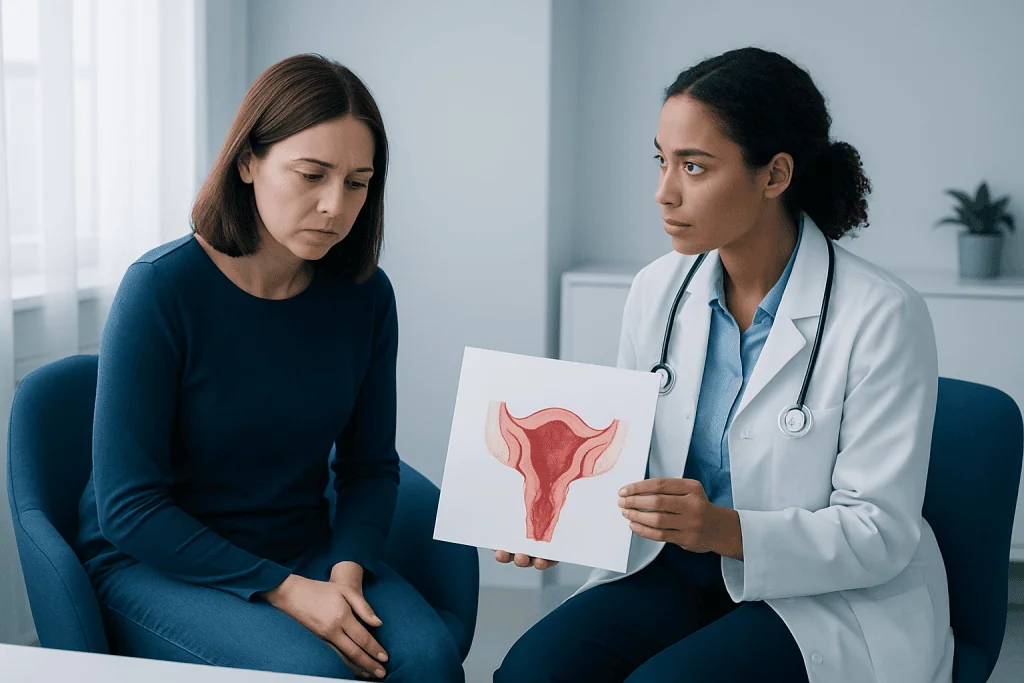
There is no single known cause of vulvodynia. Instead, specialists believe it may develop through a combination of factors that increase pain sensitivity or irritate the vulvar tissues. This is why two people with vulvodynia may have different symptom patterns and may respond best to different treatments.
Possible contributing factors include irritation or injury to vulvar nerves, increased sensitivity of pain pathways, pelvic floor muscle tension, past infections such as recurrent yeast infections, hormonal influences, inflammation, or skin sensitivity. In some people, symptoms begin after a specific trigger, while in others they develop gradually without a clear starting point.
Risk factors or associated conditions may include:
- History of repeated vulvovaginal infections or irritation
- Pelvic floor muscle tightness or spasm
- Sensitive skin or chronic inflammatory skin disorders
- Pain conditions such as bladder pain syndrome or irritable bowel syndrome
- Previous childbirth trauma or surgery in the pelvic area
- Stress, anxiety, or chronic pain sensitization
Importantly, vulvodynia is not considered a sexually transmitted infection, and it is not a sign of cancer. However, because symptoms can resemble infections or other gynecologic problems, doctors first look for other causes before confirming the diagnosis of vulvar cancer is not responsible or another condition such as endometriosis is contributing to pelvic pain symptoms.
How Vulvodynia Is Diagnosed
Diagnosis begins with a detailed discussion of symptoms, medical history, menstrual history, sexual health, and any products or activities that seem to trigger discomfort. A doctor will ask where the pain is felt, how long it has been present, and whether it is provoked by touch, pressure, or intercourse.
A physical examination is usually needed. During the exam, the clinician may inspect the vulvar skin for redness, lesions, signs of infection, or dermatologic conditions. A gentle cotton-swab test may be used to identify the exact location of tenderness and to distinguish localized from generalized pain.
Additional tests may be done to rule out other causes. These can include vaginal or vulvar swabs for infection, testing for yeast or bacterial imbalance, and sometimes biopsy if a skin disorder is suspected. Evaluation may also include assessment of the pelvic floor muscles, since muscle tightness can play an important role in pain.
Because chronic vulvar pain can overlap with gynecologic, dermatologic, urologic, and pain-related conditions, some people benefit from multidisciplinary evaluation. In selected cases, doctors may also recommend MRI imaging or ultrasonography if another pelvic condition needs to be excluded based on symptoms and examination findings.
Treatment Options
There is no single treatment that works for everyone with vulvodynia. Care is usually individualized and may involve trying more than one approach over time. The goal is to reduce pain, improve function, and support emotional wellbeing.
Common treatments include gentle vulvar skincare, avoiding known irritants, pelvic floor physical therapy, and pain-relieving or nerve-calming medications prescribed by a doctor. Some people benefit from topical treatments, while others may be offered oral medicines, counseling for coping with chronic pain, or treatment for related conditions such as pelvic floor dysfunction.
Pelvic floor therapy can be especially helpful when muscle tension contributes to pain. In certain cases, a doctor may recommend procedures for selected patients after careful evaluation. When symptoms are linked to tissue changes or scarring near the vaginal opening, surgical treatment of the vulvar area may occasionally be discussed, although surgery is not a first-line option for most people with vulvodynia.
Treatment often works best when it is gradual and combined. This may include medication review, sexual health counseling, mental health support, and structured follow-up. Near the end of the care pathway, some patients seek multidisciplinary assessment at centers such as Acibadem International, where JCI-accredited hospitals and specialists care for international patients with chronic pelvic and vulvar pain conditions.
Prevention and Self-care
Vulvodynia cannot always be prevented, especially when no single cause is identified. Still, practical self-care steps may help reduce irritation and support symptom control. Many people notice improvement when they protect the vulvar skin and avoid unnecessary friction or chemical exposure.
Helpful measures often include wearing loose cotton underwear, avoiding tight clothing, using mild unscented cleansers or plain water only, and skipping perfumed pads, sprays, or harsh soaps. During symptom flares, some people feel more comfortable using cool compresses, sitting on a soft cushion, or taking breaks from activities that increase pressure on the area.
Other self-care tips include:
- Use water-based lubricants if intercourse is painful
- Avoid douching and fragranced hygiene products
- Change out of wet exercise clothes promptly
- Consider pelvic relaxation exercises if advised by a clinician
- Keep a symptom diary to identify triggers such as products or activities
Self-care is valuable, but it should not replace medical evaluation when pain is ongoing. Persistent symptoms deserve a proper assessment so that treatable causes are not missed and effective support can begin early.
When to See a Doctor
Anyone with vulvar pain that lasts more than a few weeks, returns repeatedly, or interferes with sitting, exercise, sleep, or intimacy should make an appointment with a gynecologist or other qualified healthcare professional. Early evaluation can help rule out infections, skin conditions, hormonal changes, and other causes of pain.
Medical attention is especially important if there is visible skin change, sores, unusual bleeding, discharge, fever, or sudden severe pain. These symptoms may point to a different condition that needs prompt treatment. A clinician can also help when pain has led to anxiety, relationship stress, or avoidance of necessary gynecologic care.
It can be helpful to prepare for the visit by noting when symptoms started, what makes them better or worse, any treatments already tried, and whether there is pain with intercourse, tampon use, or exercise. A detailed history gives the care team a stronger starting point for diagnosis and treatment.
Frequently asked questions
What is vulvodynia?
Vulvodynia is chronic pain or discomfort of the vulva lasting at least three months without one clear identifiable cause. It may feel like burning, stinging, soreness, or irritation, and the symptoms can be constant or triggered by touch.
Can vulvodynia go away on its own?
Some people notice that symptoms improve over time, especially when irritants are avoided and contributing factors are addressed. However, ongoing vulvar pain should still be evaluated by a doctor because targeted treatment often helps and other conditions may need to be ruled out.
Is vulvodynia caused by an infection?
Vulvodynia itself is not simply an infection, although past or repeated infections may contribute in some cases. Doctors often test for yeast, bacterial imbalance, and other causes first because those conditions can mimic or worsen vulvar pain.
Does vulvodynia affect sexual intercourse?
Yes, vulvodynia can make intercourse or any form of penetration painful. This is a common and understandable effect of the condition, and treatment may include pelvic floor therapy, lubrication guidance, pain management, and supportive counseling.
How is vulvodynia treated?
Treatment is usually individualized and may include vulvar skincare changes, pelvic floor physical therapy, topical or oral medications, and treatment of related conditions. Many people improve with a combination of approaches rather than a single treatment.
Is vulvodynia a sign of cancer?
Vulvodynia is not the same as cancer, and most chronic vulvar pain is not caused by cancer. Still, a doctor should assess persistent symptoms to rule out skin disorders, infections, precancerous changes, or other gynecologic conditions.
References
- American College of Obstetricians and Gynecologists
- National Institute of Child Health and Human Development
- International Society for the Study of Vulvovaginal Disease
- National Health Service
- Mayo Clinic
This article is for general information only and is not a substitute for professional medical advice. Please consult a qualified doctor about your individual situation.
Explore treatments in Turkey — costs, top hospitals & a free quote
JCI-accredited · board-certified surgeons · reply within 24h
Add us as a Preferred Source to see more of our trusted health content across Google Search, AI Overviews and Discover.

More from the Health Library



Related Specialists

Prof. Dr. Deniz Tuna Edizer
Ear Nose & Throat
Dt. Ülkü Noyan
Oral & Dental Health
Assoc. Prof. Dr. Mustafa Aykut Kural
Neurology
Dt. Alen Palancıoğlu
Oral Dental & Maxillofacial Surgery