Waist Trainer: What Patients Need to Know

A waist trainer changes appearance temporarily by compressing the abdomen and lower ribs. It does not burn fat from the waist or create lasting weight loss on its own.
Key Takeaways
- A waist trainer changes appearance temporarily by compressing the abdomen and lower ribs.
- It does not burn fat from the waist or create lasting weight loss on its own.
- Common problems include skin irritation, reflux, shortness of breath, and back or rib discomfort.
- People with digestive, breathing, circulation, or skin conditions should be especially cautious.
- Persistent pain, breathing difficulty, numbness, or worsening reflux should prompt medical advice.
A waist trainer is a tight compression garment designed to make the waist look smaller while it is being worn. It may create a temporary change in shape, but it does not produce permanent fat loss or safely remodel the body, and prolonged or overly tight use can cause discomfort and health problems.
Overview: what a waist trainer can and cannot do
A waist trainer is a firm, close-fitting garment that compresses the midsection to create a narrower waistline under clothing. Many people use the term for corset-style garments with hooks, zippers, or boning, while others use it for elastic shaping bands worn during daily activities or exercise. The visible effect comes from pressure on soft tissues rather than permanent body change.
For most people, the key question is simple: does a waist trainer work? The answer is that it may make the waist look smaller while it is on, but it does not remove fat from a specific area, permanently change bone structure, or replace healthy nutrition and physical activity. Any reduction in waist size measured immediately after wearing one is usually temporary and related to compression, posture changes, and sometimes fluid shifts.
Because waist trainers are widely promoted online, it helps to look at them as a health topic rather than a fashion claim. A neutral medical view focuses on how they affect breathing, digestion, skin, comfort, posture, and daily function. Used occasionally and not too tightly, some people tolerate them without major problems. However, prolonged or overly tight use can lead to symptoms that should not be ignored.
How waist trainers affect the body
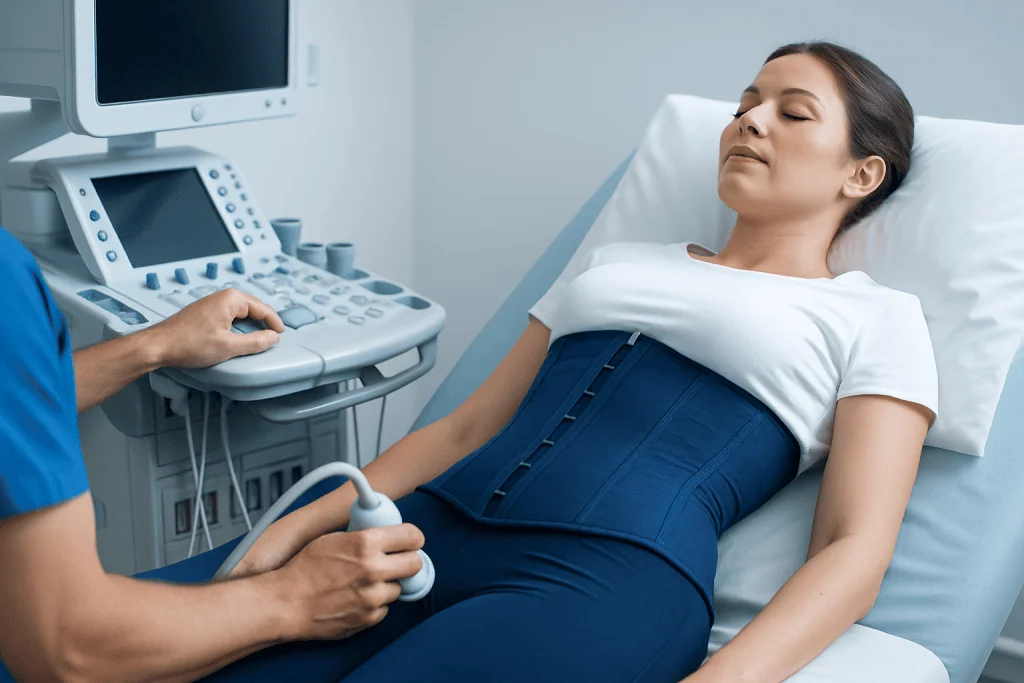
A waist trainer applies external pressure to the abdomen, lower chest, and sometimes the lower back. This pressure can limit how far the abdominal wall expands and may make a person sit or stand more upright for short periods. Some users describe a smoother silhouette or a feeling of support, but this is different from strengthening the core muscles.
The body still works the same way underneath the garment. Fat cells are not selectively reduced by squeezing one area, and sweating more during exercise does not mean fat is being lost from the waist. Temporary water loss from sweating can change the number on a scale for a short time, but hydration usually restores that difference.
Compression can also shift how the body feels during routine activities. A person may feel full sooner when eating, feel pressure after meals, or notice shallow breathing during walking, bending, or exercise. In some cases, existing issues such as reflux symptoms or back pain can become more noticeable when the midsection is tightly compressed.
Possible benefits and realistic expectations

The most realistic benefit of a waist trainer is cosmetic and temporary. It may help clothing fit more smoothly and may create a defined waistline for a limited time. Some people also like the brief sense of posture support, especially during an event. These effects disappear when the garment is removed.
It is important to separate appearance from health outcomes. Waist trainers are not an evidence-based treatment for obesity, abdominal fat, or weak core muscles. They also do not replace structured care such as obesity treatment when a person is dealing with excess weight that affects health.
People who are considering body contouring should know that external compression garments are very different from medical or surgical approaches. For example, a doctor may discuss options such as liposuction or abdominoplasty only after a proper assessment, with attention to goals, anatomy, risks, and recovery. A waist trainer should not be viewed as a substitute for these decisions or as a medically proven body-remodeling method.
Risks, side effects, and who should be careful
The most common side effects are discomfort, skin irritation, chafing, overheating, and trouble taking a deep breath. A very tight waist trainer can press on the stomach and intestines, which may contribute to bloating, indigestion, or heartburn. People who already have frequent heartburn or symptoms of hiatal hernia may find that compression makes symptoms worse.
Some users also report rib soreness, back discomfort, dizziness, or numbness if the garment is excessively tight or worn for long periods. Exercise in a restrictive garment can be especially uncomfortable because the body needs to breathe more deeply and regulate heat effectively during physical activity. If a person feels faint, short of breath, or in pain, the garment should be removed.
Caution is especially important for people with asthma or other breathing problems, digestive disorders, circulation problems, nerve sensitivity, recent surgery, hernias, or fragile skin. Pregnancy is another time to avoid waist training unless a qualified clinician specifically recommends a medical support garment for a different purpose. A waist trainer is not a treatment for postpartum recovery, back weakness, or pelvic floor issues.
- Do not wear a waist trainer so tightly that speaking, breathing, or sitting comfortably is difficult.
- Avoid sleeping in a restrictive garment.
- Do not use one to hide significant bloating, pain, or other unexplained symptoms.
- Stop use if there is skin breakdown, numbness, chest discomfort, or persistent reflux.
Common myths about waist trainers
One common myth is that a waist trainer permanently changes the waist if it is worn long enough. In adults, external compression does not safely create lasting remodeling of the bones or targeted fat loss. The body may appear different for a short time after removal, but this does not mean a permanent structural change has occurred.
Another myth is that wearing a waist trainer during workouts increases fat burning. A person may sweat more and feel their midsection working differently, but sweat is not the same as fat loss. If anything, restrictive gear can make exercise less comfortable and may reduce the ability to breathe deeply or move naturally.
It is also a myth that a waist trainer strengthens the core because it provides support. Core strength develops through muscle activation, movement, and progressive training. Relying on external support too often may even make some people less aware of their own posture and muscle engagement.
Safer ways to support waistline and body-shape goals
People usually turn to a waist trainer because they want to feel more comfortable in their body, fit into clothes differently, or change their silhouette. A safer long-term plan focuses on overall health and body composition rather than pressure on one area. That usually includes regular physical activity, balanced eating patterns, sleep, and sustainable weight management strategies when needed.
For core support, a supervised exercise program is more useful than compression alone. Gentle strengthening of the abdominal, back, and pelvic muscles can improve posture and comfort without restricting breathing or digestion. If bloating makes the waist feel larger at times, identifying triggers such as diet, constipation, or food intolerance may help more than wearing tight garments.
If a person is considering a procedure for contouring or a treatment plan for weight-related health concerns, an individualized medical evaluation is the safest next step. Specialists can help distinguish between cosmetic goals, obesity care, digestive causes of abdominal fullness, and conditions such as hernias that may need direct treatment rather than concealment.
When to seek medical care
Medical advice is a good idea if symptoms appear while using a waist trainer or if the garment is being used to manage a body change that has not been assessed. A person should stop wearing it and speak with a doctor if they have persistent chest discomfort, trouble breathing, severe heartburn, vomiting, faintness, numbness, skin injury, or significant rib or back pain.
It is also important to seek care for unexplained abdominal swelling, a new bulge in the abdomen or groin, or pain that worsens with pressure or lifting. These symptoms may point to a digestive or abdominal wall issue rather than a simple fit concern. If there is sudden severe pain, marked shortness of breath, or symptoms that feel urgent, emergency evaluation is appropriate.
Near the end of a care journey, some people may also want expert guidance on body contouring, abdominal symptoms, or weight management options. Acibadem International’s multidisciplinary specialists and JCI-accredited hospitals diagnose and treat these concerns for international patients, helping match the person to the right medical or surgical team when needed.
Frequently asked questions
Does a waist trainer make the waist smaller permanently?
No. A waist trainer can make the waist look smaller while it is being worn, but that effect is temporary. It does not permanently remove fat from the waist or safely change the body’s structure.
Can a waist trainer help with weight loss?
A waist trainer is not a proven weight-loss treatment. It may increase sweating or reduce comfort during meals, but these effects do not equal lasting fat loss. Sustainable weight loss usually depends on nutrition, physical activity, sleep, and individualized medical support when needed.
Is it safe to exercise in a waist trainer?
Many clinicians advise caution because restrictive compression can make deep breathing, heat regulation, and full movement more difficult. If someone chooses to exercise in one, it should never be tight enough to cause pain, dizziness, or shortness of breath. Stopping immediately is important if any concerning symptoms appear.
How long can a person wear a waist trainer?
There is no medical requirement to wear a waist trainer, and longer wear is not necessarily better. Risk tends to increase when the garment is very tight or worn for many hours. It should not be worn during sleep, and any discomfort is a sign to remove it.
Can a waist trainer cause acid reflux or stomach problems?
Yes, it can. Tight pressure on the abdomen may worsen heartburn, bloating, and discomfort after meals, especially in people who already have reflux or a hiatal hernia. If symptoms are persistent, a doctor should assess them.
Who should avoid waist trainers?
People with breathing problems, reflux, hernias, circulation issues, nerve sensitivity, fragile skin, or recent surgery should be especially cautious. Pregnancy is another situation in which non-medical compression garments should generally be avoided unless a clinician recommends a specific support device. When in doubt, it is safest to ask a qualified doctor.
References
- World Health Organization
- American Academy of Dermatology
- National Institute of Diabetes and Digestive and Kidney Diseases
- American College of Obstetricians and Gynecologists
- National Health Service
This article is for general information only and is not a substitute for professional medical advice. Please consult a qualified doctor about your individual situation.
Explore treatments in Turkey — costs, top hospitals & a free quote
JCI-accredited · board-certified surgeons · reply within 24h
Add us as a Preferred Source to see more of our trusted health content across Google Search, AI Overviews and Discover.

More from the Health Library

Arachnoid Cyst: A Complete Medical Overview

Circumcision Scar: A Complete Medical Overview

Woods Lamp: What Patients Need to Know

Infant Zyrtec: An Evidence-Based Guide for Patients

Febuxostat: An Evidence-Based Guide for Patients