Warm Pad for Back Pain: Possible Causes and When to Seek Care

A warm pad can relieve back pain related to muscle tension, stiffness, and minor strain. Heat is usually most helpful after the first day or two, rather than immediately after a new injury with swelling.
Key Takeaways
- A warm pad can relieve back pain related to muscle tension, stiffness, and minor strain.
- Heat is usually most helpful after the first day or two, rather than immediately after a new injury with swelling.
- Back pain can come from muscles, joints, discs, nerves, posture, or less common medical conditions.
- Warning signs such as weakness, numbness, fever, trauma, or bladder or bowel changes need prompt medical attention.
- Persistent, severe, or recurring back pain should be assessed by a qualified doctor.
A warm pad for back pain can help many people feel better by relaxing tight muscles and reducing stiffness, especially with short-term strain or overuse. However, heat is not the right choice for every type of back pain, so it is important to recognize possible causes and know when medical evaluation is needed.
Overview: Can a Warm Pad Help Back Pain?
A warm pad for back pain can be a useful self-care step when pain is linked to muscle tightness, stiffness, or mild strain. Heat increases local blood flow, helps muscles relax, and may make movement feel easier. For many people, this brings short-term comfort and supports gentle activity, which is often better than complete bed rest.
That said, heat is a symptom-relief tool, not a diagnosis. Back pain has many possible causes, from simple overuse to nerve irritation or structural spine problems. A warm pad may reduce discomfort even when a more specific treatment is needed, so improvement with heat does not always explain why the pain started.
Timing also matters. For a very recent injury, especially if there is swelling or sudden inflammation, cold therapy may be preferred in the first 24 to 48 hours. After that early period, heat is often more comfortable for stiffness and muscle spasm. Using a barrier between the skin and the heat source and limiting sessions can help prevent burns.
What Kinds of Back Pain Usually Respond to Heat?
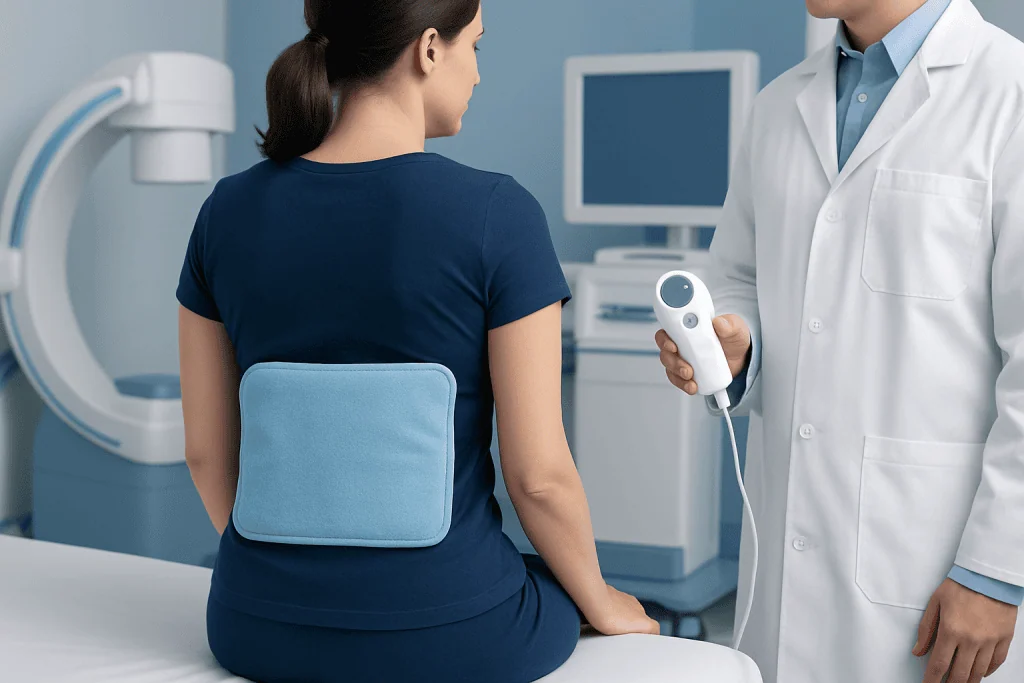
Heat often works best for pain that feels tight, aching, cramp-like, or stiff. This commonly includes discomfort after lifting, prolonged sitting, unusual exercise, poor sleeping position, or stress-related muscle tension. A person may notice that the back feels worse after inactivity and loosens up with movement and warmth.
People with chronic back stiffness, especially in the lower back, may also find a warm pad helpful before stretching or light exercise. In these situations, heat can make everyday tasks more manageable, although it should be combined with posture awareness, gradual movement, and a plan to address the underlying issue.
Heat may be less helpful when pain is sharp, burning, shooting, or clearly traveling down the leg, which can suggest nerve involvement. It is also not ideal for visibly swollen injuries, areas with skin irritation, or situations where a person cannot sense temperature normally. If symptoms suggest a disc-related problem such as a herniated disc, heat may provide some comfort but should not delay evaluation if pain is severe or persistent.
Possible Causes of Back Pain

Back pain is a symptom rather than a single disease. The most common causes are mechanical, meaning they involve muscles, ligaments, joints, discs, or posture. Everyday examples include muscle strain, ligament sprain, deconditioning, repetitive bending, prolonged desk work, and age-related wear in the spine. These causes are often painful but not dangerous, and many improve with time and conservative care.
Some pain starts in the spinal discs or facet joints. A bulging or irritated disc can inflame nearby tissues or press on a nerve root, leading to back pain with leg pain, tingling, or numbness. Degenerative changes can also contribute to pain over time, especially if flexibility, core strength, or body mechanics are poor. In some people, scoliosis or other alignment changes can place uneven stress on the back.
Less often, back pain is related to fractures, inflammatory conditions, osteoporosis, infection, kidney problems, or cancer. Pain can also be referred from organs in the abdomen or pelvis. These causes are much less common than muscle or joint strain, but they matter because they may need urgent or targeted treatment rather than home management with a warm pad.
Risk factors include older age, smoking, low physical activity, obesity, repetitive heavy lifting, poor workstation ergonomics, and previous back injury. Anxiety, stress, and poor sleep can also make pain feel more intense and persistent, even when the original strain is relatively minor.
How to Use a Warm Pad Safely
To use a warm pad for back pain safely, warmth should feel soothing rather than hot or painful. A heating pad, warm compress, or hot water bottle can be used over clothing or a thin towel rather than directly on bare skin. Many clinicians advise short sessions, such as 15 to 20 minutes at a time, with breaks in between.
People should avoid falling asleep on a heating pad or using high heat for long periods. Burns can happen gradually, especially in older adults or in anyone with reduced skin sensation. Heat should not be applied to broken skin, active rashes, or areas of suspected infection.
Simple measures can make heat more effective. Gentle walking, easy stretching, and changing position regularly often help more than heat alone. If pain is recurring, a doctor may recommend supportive care such as physical therapy and rehabilitation to improve flexibility, strength, and movement patterns.
- Use moderate warmth, not intense heat.
- Limit each session and check the skin often.
- Avoid heat right after a new injury if swelling is present.
- Stop if pain worsens, skin becomes very red, or numbness develops.
How Doctors Find the Cause
Doctors usually begin by asking how the pain started, where it is located, what makes it better or worse, and whether there are symptoms such as numbness, weakness, fever, or weight loss. They also ask about work, exercise, prior injuries, and any history of osteoporosis, cancer, or infection. This history often gives important clues about whether the pain is likely muscular, nerve-related, or due to another condition.
A physical examination may include checking posture, range of motion, tenderness, strength, reflexes, and sensation. If pain travels into the leg or foot, the doctor may look for signs of nerve root irritation. Many episodes of uncomplicated back pain do not require immediate imaging, especially when symptoms are mild and improving.
Imaging or other tests may be considered when red flags are present, symptoms persist, or surgery or specialist treatment is being considered. Depending on the situation, evaluation may include X-rays, blood tests, or MRI to look at discs, nerves, and soft tissues. If a structural spinal condition is suspected, a person may be assessed by a team experienced in spine surgery and non-surgical spine care.
Treatment Options Beyond Heat
When back pain is mild and recent, treatment often focuses on staying gently active, avoiding heavy strain, and using measures such as heat, short-term pain relief medicines if appropriate, and gradual return to normal movement. Long periods of bed rest are usually discouraged because they can increase stiffness and slow recovery.
If symptoms last longer, recur often, or interfere with daily life, treatment may need to be more structured. Physical therapy can improve core strength, flexibility, posture, and lifting technique. Exercise-based rehabilitation is often central to recovery because it addresses the mechanics that contribute to repeated pain episodes.
For some people, additional options such as guided injections, specialist pain management, or treatment for an underlying disc or nerve problem may be considered. Surgery is usually reserved for selected cases, such as significant nerve compression, structural instability, or pain that does not improve with appropriate conservative care. The right approach depends on the cause, severity, and impact on function.
Near the end of the care pathway, some patients seek coordinated evaluation at specialized centers. Acibadem International’s multidisciplinary specialists and JCI-accredited hospitals diagnose and treat back pain and related spine conditions for international patients when more detailed assessment is needed.
When to Seek Medical Care
Most back pain improves with time, but some symptoms should not be managed with home heat alone. Medical care is important if pain is severe, follows a fall or other trauma, or continues beyond a few weeks despite sensible self-care. Pain that repeatedly returns or disrupts sleep also deserves assessment.
Urgent evaluation is needed if back pain comes with numbness in the groin area, new bladder or bowel control problems, significant leg weakness, or rapidly worsening numbness. These symptoms can point to serious nerve compression and should be treated as emergencies.
A person should also seek care promptly if back pain is paired with fever, chills, unexplained weight loss, a history of cancer, or immune suppression. Back pain in someone with known osteoporosis or long-term steroid use may also need earlier evaluation because of fracture risk.
- Seek urgent care for weakness, saddle numbness, or bladder or bowel changes.
- Arrange medical review for pain lasting more than a few weeks.
- Get checked sooner if pain follows trauma or is accompanied by fever.
- Consult a doctor if heat does not help or symptoms keep returning.
Frequently asked questions
Is a warm pad good for back pain?
A warm pad can be good for back pain when the pain is related to muscle tightness, stiffness, or mild strain. It often helps people move more comfortably, but it does not treat every cause of back pain.
When should heat not be used for back pain?
Heat is usually not the best first choice immediately after a new injury if there is swelling or clear inflammation. It should also be avoided on broken skin, areas with poor sensation, or if warmth makes symptoms worse.
How long should a heating pad be used on the back?
Short sessions are generally safest, often around 15 to 20 minutes at a time. The pad should feel warm rather than hot, and it should not be used while sleeping.
Can a warm pad help sciatica or nerve pain?
A warm pad may ease muscle spasm that happens alongside sciatica, so some people feel temporary relief. However, nerve-related pain often needs medical assessment, especially if it is severe, travels down the leg, or causes weakness or numbness.
What are signs that back pain is serious?
Warning signs include pain after trauma, fever, unexplained weight loss, significant leg weakness, numbness around the groin, or changes in bladder or bowel control. These symptoms need prompt medical attention.
If heat helps, does that mean the back pain is only muscular?
Not necessarily. Heat can reduce discomfort from several types of back pain, including pain that is not purely muscular. Relief with heat is helpful, but it does not replace a proper diagnosis if symptoms are persistent or concerning.
References
- National Institute of Arthritis and Musculoskeletal and Skin Diseases
- American Academy of Orthopaedic Surgeons
- National Institute for Health and Care Excellence
- MedlinePlus
- World Health Organization
This article is for general information only and is not a substitute for professional medical advice. Please consult a qualified doctor about your individual situation.
Joint and spine care in Turkey — expert assessment & treatment
JCI-accredited · board-certified surgeons · reply within 24h
Add us as a Preferred Source to see more of our trusted health content across Google Search, AI Overviews and Discover.

More from the Health Library



Related Specialists

Assoc. Prof. Dr. Cem Gün
Emergency Service
Prof. Dr. Esen Demir
Pediatric Allergy
Fzt. Alperen Mustafa Oğuz
Physical Medicine & Rehabilitation
Dr. Lamiya Aliyeva Javit
Medical Genetics