Water Retention: A Complete Medical Overview

Water retention, also called fluid retention or edema, can be temporary or related to an underlying health problem. Common triggers include high salt intake, prolonged sitting or standing, hormonal changes, heat, and some medicines.
Key Takeaways
- Water retention, also called fluid retention or edema, can be temporary or related to an underlying health problem.
- Common triggers include high salt intake, prolonged sitting or standing, hormonal changes, heat, and some medicines.
- Swelling in both legs is often less urgent than sudden one-sided swelling, shortness of breath, or chest pain, which need prompt medical attention.
- Doctors diagnose water retention by reviewing symptoms, examining the body, and sometimes ordering blood, urine, heart, kidney, liver, or imaging tests.
- Treatment depends on the cause and may include lifestyle changes, managing an underlying condition, compression therapy, or prescribed medicines.
Water retention is the buildup of excess fluid in the body's tissues, often causing swelling in the legs, ankles, hands, abdomen, or face. It is common and often temporary, but persistent, sudden, or one-sided swelling can sometimes signal an underlying medical condition that needs evaluation.
What water retention means
Water retention is the accumulation of excess fluid in the body’s tissues. In medical terms, this is often called edema. It can affect small areas, such as the ankles at the end of the day, or be more noticeable in the legs, hands, abdomen, or face. Some people describe it as feeling puffy, swollen, tight, or heavier than usual.
In many cases, water retention is short-lived and related to everyday factors such as eating very salty food, long travel, hot weather, or hormonal changes. In other cases, it may be linked to problems involving the heart, kidneys, liver, veins, lymphatic system, or hormone balance. The key question is not only whether swelling is present, but also how quickly it started, where it occurs, and whether other symptoms appear with it.
Fluid balance is normally regulated very closely by the kidneys, blood vessels, hormones, and the movement of fluid between tissues and the bloodstream. Water retention can happen when the body holds on to too much sodium and water, when blood vessels leak more fluid than usual, or when the systems that drain fluid away do not work efficiently.
Common symptoms and where swelling appears
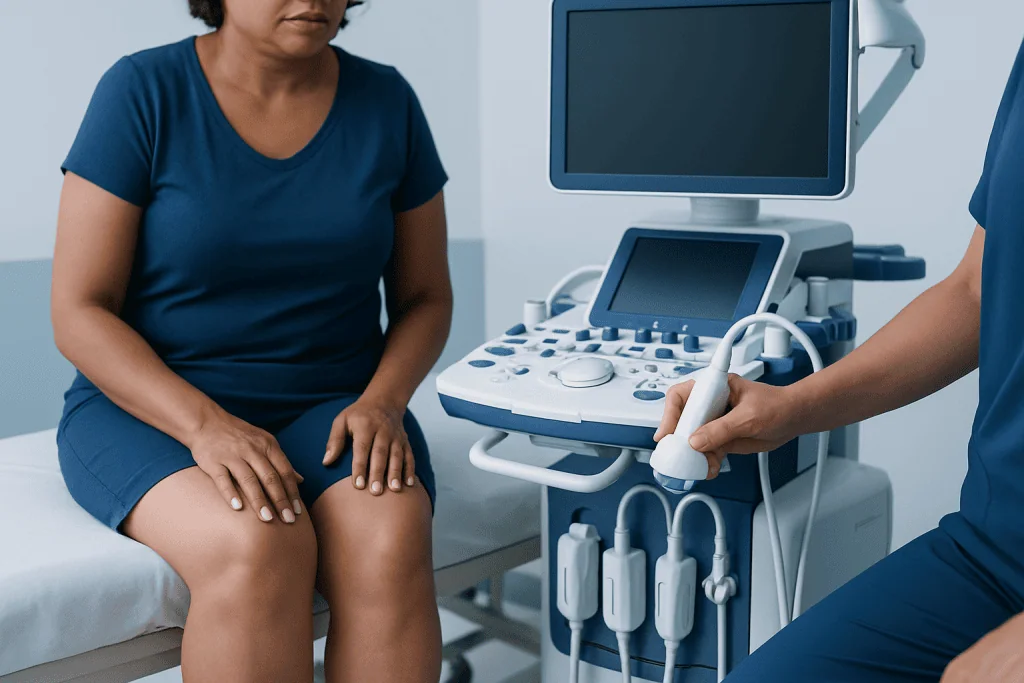
The most familiar sign of water retention is visible swelling. This often affects the feet, ankles, and lower legs, especially after standing or sitting for a long time. Rings, shoes, or clothing may feel tighter than usual. Some people notice a rapid change in body weight over a short period, which can reflect fluid rather than body fat.
Another common feature is a feeling of tightness or heaviness. The skin over a swollen area may look shiny or stretched. In some cases, pressing gently on the swollen area leaves a temporary dent, known as pitting edema. Not all swelling pits, however, and some forms of fluid buildup are firmer.
Water retention can also cause symptoms depending on the area involved:
- Swollen ankles, feet, or legs
- Puffy fingers or hands
- Abdominal bloating or swelling
- Facial puffiness, especially around the eyes
- Temporary weight gain
- Reduced flexibility or joint discomfort from swelling
Symptoms that suggest a more serious cause include shortness of breath, chest discomfort, marked fatigue, reduced urination, swollen abdomen with discomfort, or sudden swelling in one leg. These patterns deserve medical attention rather than self-treatment alone.
Causes and risk factors

Water retention has many possible causes, and the context matters. Common non-serious causes include eating foods high in salt, spending many hours standing or sitting, air travel, hot weather, and hormonal shifts linked to menstruation or pregnancy. Some people naturally notice mild swelling later in the day that improves overnight.
Certain medicines may also contribute to fluid retention. These can include some blood pressure medicines, anti-inflammatory medicines, steroid medicines, hormone therapies, and other prescription drugs. A person should not stop prescribed medication without speaking to the prescribing doctor, but medication review is often an important part of the assessment.
Underlying medical conditions can also cause edema. These include heart problems such as heart failure, kidney disease, liver disease, venous insufficiency, thyroid disorders, malnutrition, and disorders of the lymphatic system. Blood clots in a leg vein can cause sudden swelling in one leg and require urgent assessment. Persistent swelling may also relate to chronic circulation issues or lymphedema, in which lymph fluid does not drain properly.
Risk factors include older age, obesity, limited mobility, pregnancy, a high-sodium diet, vein problems, and chronic medical conditions affecting the heart, liver, or kidneys. The pattern of swelling, along with a person’s overall health and medicines, helps doctors narrow down the cause.
How doctors diagnose water retention
Diagnosis starts with a careful history and physical examination. A doctor will usually ask when the swelling began, whether it is constant or comes and goes, which body parts are affected, whether it is worse at certain times of day, and what other symptoms are present. They may also ask about salt intake, recent travel, pregnancy, menstrual history, exercise, and prescription or over-the-counter medicines.
During the examination, the doctor checks the location and type of swelling, whether it affects one side or both, whether the skin is warm or painful, and whether pitting is present. They also look for clues to heart, kidney, liver, vein, or lymphatic problems. Blood pressure, heart and lung examination, and abdominal assessment may be part of the visit.
Tests are not always necessary for mild, obvious, short-term swelling, but they are often used when symptoms are persistent, unexplained, or associated with possible disease. Depending on the situation, these may include blood tests, urine tests, ultrasound of the leg veins, heart tests such as echocardiography, or imaging to evaluate abdominal organs. If a circulation or vessel problem is suspected, a doctor may recommend vascular surgery evaluation as part of specialist assessment.
The goal is to identify the mechanism behind the fluid buildup, not simply confirm that swelling exists. This is why treatment should be guided by the cause rather than relying only on general remedies.
Treatment options and what helps
Water retention treatment depends on the cause, severity, and the area affected. Mild, temporary swelling often improves with simple measures such as reducing salt intake, moving more regularly, elevating the legs, and avoiding long periods of standing or sitting. Compression stockings may help some people with leg swelling related to venous problems, but they should be used on medical advice if circulation disease is suspected.
When an underlying health issue is responsible, treatment focuses on that condition. For example, managing heart, kidney, liver, thyroid, or vein disorders may reduce ongoing fluid buildup. If swelling is linked to a medicine, a doctor may adjust the treatment plan. Prescription diuretics, sometimes called water pills, may be used in selected situations, but they are not appropriate for every person with swelling and should only be taken under medical supervision.
If swelling is due to impaired lymph drainage, care may include skin care, exercise guidance, compression, and specialized therapies. Some patients benefit from assessment through lymphedema treatment programs. If kidney or urinary causes are suspected, further review by specialists in urology or related fields may be appropriate depending on the findings.
Treatment works best when it matches the reason fluid is collecting. Self-medicating with diuretics or supplements without guidance can be unsafe, especially for people with heart, kidney, or liver disease, or for those taking regular medications.
Prevention and daily self-care
Not all water retention can be prevented, but everyday habits can reduce the chance of mild swelling and help control recurrent symptoms. One of the most effective steps is lowering excess sodium in the diet. This often means limiting highly processed foods, packaged snacks, ready-made sauces, and fast food, since these can contain more salt than expected even when they do not taste very salty.
Regular movement is also important. Walking, calf exercises, and changing position often during work or travel can support circulation. On long flights or car journeys, it helps to stand up, stretch, and move the ankles and feet regularly. People who notice leg swelling may benefit from elevating the legs when resting.
Other practical steps include maintaining a healthy body weight, staying physically active, and following treatment plans for long-term medical conditions. During pregnancy, swelling can be common, but it should still be mentioned to a healthcare professional, especially if it is sudden or accompanied by headache, visual changes, or high blood pressure.
Good self-care should not replace medical evaluation when swelling is new, worsening, painful, or unexplained. If symptoms continue despite lifestyle measures, a doctor can help determine whether the cause is benign or needs further treatment.
When to seek medical care
Medical evaluation is important if water retention is persistent, recurrent, or difficult to explain. A person should arrange a medical visit if swelling lasts more than a few days without a clear reason, keeps returning, affects daily activities, or is associated with weight gain, abdominal swelling, fatigue, or reduced exercise tolerance. This is also important for people with known heart, kidney, liver, thyroid, or vascular disease.
Urgent medical care is needed if swelling starts suddenly, affects only one leg, is painful or red, or is associated with shortness of breath, chest pain, fainting, confusion, or severe weakness. These symptoms can point to a blood clot, heart problem, lung issue, or another condition requiring prompt treatment.
Pregnant individuals should seek medical advice for sudden swelling of the face, hands, or legs, particularly if it occurs with headache, visual disturbance, or upper abdominal pain. These combinations should not be ignored.
For international patients who need further evaluation, Acibadem International’s multidisciplinary specialists in JCI-accredited hospitals diagnose and treat conditions that may underlie water retention, using a coordinated approach based on the suspected cause.
Frequently asked questions
Is water retention the same as weight gain?
Not exactly. Water retention can cause the scale to rise quickly because the body is holding extra fluid, while true weight gain from body fat usually develops more gradually. A doctor can help tell the difference if swelling or rapid changes continue.
What causes water retention in the legs and ankles?
Leg and ankle swelling often happens because fluid collects in the lower body due to gravity, especially after long periods of standing or sitting. Other causes include high salt intake, vein problems, certain medicines, pregnancy, and heart, kidney, or liver conditions.
Can drinking more water help water retention?
Sometimes adequate hydration supports normal fluid balance, especially if a person is mildly dehydrated. However, drinking more water does not treat all forms of edema, and persistent swelling should not be managed by fluids alone without medical advice.
Are diuretics always needed for water retention?
No. Diuretics may help in some conditions, but they are not the right treatment for every type of swelling. Because they can affect blood pressure, kidney function, and body salts, they should only be used on a doctor's recommendation.
When is water retention an emergency?
It needs urgent attention when swelling appears suddenly, affects only one leg, or comes with chest pain, shortness of breath, fainting, or severe weakness. These symptoms may indicate a blood clot, heart problem, or another urgent condition.
Can hormonal changes cause water retention?
Yes. Hormonal fluctuations around menstruation, pregnancy, and menopause can contribute to temporary fluid retention in some people. While this is often mild, sudden or severe swelling should still be assessed by a clinician.
This article is for general information only and is not a substitute for professional medical advice. Please consult a qualified doctor about your individual situation.
Explore treatments in Turkey — costs, top hospitals & a free quote
JCI-accredited · board-certified surgeons · reply within 24h
Add us as a Preferred Source to see more of our trusted health content across Google Search, AI Overviews and Discover.
Check your numbers in seconds
BMI, calories, due date, blood pressure and 30+ more clinical calculators — free, instant, doctor-reviewed ranges.

More from the Health Library

Pityriasis Alba: An Evidence-Based Guide for Patients

Sensitive Teeth: What Patients Need to Know

Rosehip Oil: An Evidence-Based Guide for Patients

Chocolate Chips: What Patients Need to Know

Legally Blind: An Evidence-Based Guide for Patients