Doa stands for medical: Symptoms, Causes, and Treatment — Complete Patient Guide

In many clinical contexts, DOA most commonly means dyspnea on exertion, or breathlessness with activity. DOA can also mean different things in emergency or administrative records, so context matters.
Key Takeaways
- In many clinical contexts, DOA most commonly means dyspnea on exertion, or breathlessness with activity.
- DOA can also mean different things in emergency or administrative records, so context matters.
- Shortness of breath on exertion may be related to heart, lung, blood, fitness, or other medical conditions.
- Diagnosis usually involves a medical history, physical exam, and tests such as blood work, ECG, imaging, or lung function testing.
- Treatment focuses on the underlying cause rather than the abbreviation itself.
- Urgent medical care is needed for severe breathing trouble, chest pain, fainting, or bluish lips.
In medical use, doa stands for medical shorthand with more than one possible meaning, but in patient discussions it most commonly refers to dyspnea on exertion, meaning shortness of breath during physical activity. Because abbreviations can vary by setting, the meaning depends on the clinical context, and symptoms should be assessed by a qualified doctor.
Overview: What does DOA stand for in medical terms?
The phrase doa stands for medical can have more than one answer because medical abbreviations are often used differently in different settings. In everyday patient education, one of the most common meanings is dyspnea on exertion. This describes shortness of breath that happens during physical activity such as walking uphill, climbing stairs, or carrying groceries.
However, DOA may also appear in emergency, hospital, or legal documentation with another meaning, such as “dead on arrival.” That is why abbreviation lists alone can be confusing for patients. A doctor does not diagnose an abbreviation; they diagnose the condition behind the symptom or the term used in the chart.
When people search for DOA in a health context, they are often trying to understand why breathing feels harder with activity. Dyspnea on exertion is not a disease by itself. Instead, it is a symptom that can be linked to many causes, ranging from deconditioning and anemia to asthma, chronic lung disease, heart disease, or anxiety.
A careful medical evaluation helps clarify what the abbreviation means in a specific case and whether the symptom needs treatment. This article focuses mainly on DOA as dyspnea on exertion, since that is the meaning most relevant to symptoms, causes, diagnosis, and treatment for patients.
How dyspnea on exertion feels
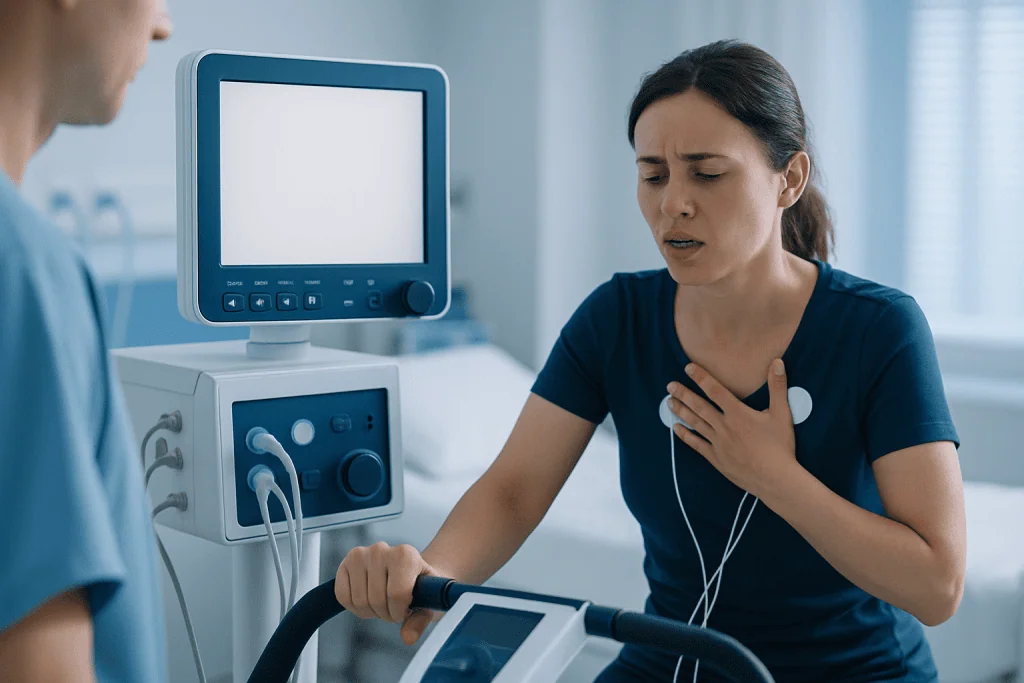
Dyspnea on exertion means breathing feels uncomfortable or unusually difficult during activity. Some people describe it as getting winded too quickly, not being able to catch a full breath, chest tightness with movement, or needing to stop and rest sooner than expected. The sensation may come on gradually over weeks or months, or it may appear more suddenly.
The symptom can vary from mild to severe. Mild cases may happen only with strenuous exercise, while more significant cases may appear during normal daily tasks such as dressing, walking short distances, or climbing a few steps. In some people, breathlessness improves quickly with rest. In others, it may linger or worsen over time.
Other symptoms can provide important clues about the cause. These may include:
- Wheezing or cough
- Chest pain or pressure
- Palpitations or an irregular heartbeat
- Fatigue or reduced exercise tolerance
- Dizziness or fainting
- Leg swelling
- Pale skin or weakness
Because symptoms overlap across many conditions, it is not possible to know the cause from breathlessness alone. For example, shortness of breath with activity may relate to heart failure, asthma, anemia, obesity, infection, or chronic lung conditions such as COPD. That is why persistent or unexplained symptoms should be medically assessed.
Common causes and risk factors

There are many possible reasons for dyspnea on exertion. Heart-related causes include coronary artery disease, heart rhythm problems, valve disease, and heart failure. In these situations, the body may not receive enough oxygen-rich blood during activity, leading to fatigue and breathlessness. Lung-related causes include asthma, chronic obstructive pulmonary disease, interstitial lung disease, pneumonia, and blood clots in the lungs.
Breathlessness can also happen when the blood carries less oxygen than normal, such as with anemia. Other contributors include poor physical conditioning, excess body weight, smoking, anxiety, pregnancy, and certain medications. Sometimes more than one factor is involved, especially in older adults or people with chronic medical conditions.
Risk factors depend on the underlying condition but often include older age, smoking, high blood pressure, diabetes, high cholesterol, a sedentary lifestyle, obesity, and a personal or family history of heart or lung disease. Environmental exposures such as dust, chemicals, or air pollution may also play a role.
It is helpful to notice patterns. Breathlessness triggered mainly by allergens or cold air may suggest a reactive airway problem, while symptoms with ankle swelling or needing extra pillows to sleep may point toward a cardiac cause. A doctor uses these details, together with examination and testing, to narrow the diagnosis.
How doctors evaluate DOA symptoms
When a person reports dyspnea on exertion, the first step is a detailed medical history. A doctor will ask when the symptom began, what activities trigger it, whether it is getting worse, and whether it comes with cough, wheeze, chest pain, fever, swelling, or weight change. Smoking history, medication use, occupational exposure, and prior heart or lung conditions are also important.
A physical examination may include checking oxygen levels, heart rate, blood pressure, lung sounds, and signs such as ankle swelling, pallor, or abnormal heart murmurs. In many cases, simple tests help guide the next steps. These may include blood tests to check for anemia or infection, an electrocardiogram, chest X-ray, or oxygen saturation testing.
Depending on the findings, further evaluation may include echocardiography, exercise testing, lung function tests, or advanced imaging. For respiratory symptoms, doctors may request pulmonary function testing to measure airflow and lung capacity. If a heart cause is suspected, echocardiography can help assess heart pumping function and valve structure.
The goal is not only to identify whether DOA means dyspnea on exertion, but also to determine why it is happening. That distinction matters because treatment differs greatly between conditions such as asthma, anemia, deconditioning, and heart failure.
Treatment depends on the underlying cause
There is no single treatment for dyspnea on exertion because it is a symptom rather than a stand-alone diagnosis. Care is aimed at the cause. For example, asthma or COPD may be treated with inhaled medicines and trigger control, anemia may require investigation and correction of the underlying deficiency, and heart-related problems may need medication, lifestyle changes, or cardiology care.
If poor physical conditioning is contributing, doctors may recommend a gradual, supervised increase in activity. If excess weight plays a role, a structured plan for nutrition, movement, and medical follow-up can help reduce strain on the heart and lungs. Smoking cessation is especially important because smoking can worsen both cardiac and respiratory causes of breathlessness.
Some patients need targeted procedures or specialist treatment. Depending on the diagnosis, evaluation may include cardiology assessment or respiratory care. If oxygen levels are low or symptoms are severe, more urgent treatment may be needed in a hospital setting.
Patients should avoid self-diagnosing based only on an abbreviation. Breathlessness that is new, worsening, or limiting everyday activities deserves professional evaluation so treatment can be matched to the true cause.
Prevention and self-care steps
Not all causes of exertional breathlessness can be prevented, but many can be reduced through healthy habits and regular medical care. Avoiding tobacco, staying physically active, maintaining a healthy weight, and managing chronic conditions such as high blood pressure, diabetes, and asthma can support better heart and lung function.
It also helps to keep vaccinations up to date, especially those that protect against common respiratory infections when recommended by a doctor. People with known heart or lung disease should follow their treatment plan, attend routine reviews, and learn what changes in symptoms matter. Early attention to worsening symptoms may prevent complications.
At home, pacing activity can be useful while waiting for medical advice. This means taking breaks, avoiding sudden overexertion, and noticing whether symptoms are linked to meals, allergens, body position, or temperature. Still, self-care should not replace evaluation when symptoms are persistent, severe, or unexplained.
For international patients who need further assessment, Acibadem International’s multidisciplinary specialists in JCI-accredited hospitals evaluate symptoms such as exertional breathlessness and treat the underlying heart, lung, and general medical conditions when appropriate.
When to seek medical care
Medical advice is important if shortness of breath with activity is new, worsening, or affecting normal daily life. A doctor should also review symptoms that last more than a short period, keep returning, or happen with cough, wheezing, fatigue, palpitations, or swelling in the legs. Even mild symptoms can be worth checking if a person has heart disease, lung disease, anemia, or significant risk factors.
Urgent care is needed if breathlessness occurs at rest, appears suddenly, or comes with chest pain, fainting, confusion, bluish lips, severe wheezing, or coughing up blood. These symptoms can signal a serious heart or lung problem and should not be ignored. If symptoms feel severe or rapidly progressive, emergency services should be contacted right away.
Patients sometimes feel unsure because the term DOA itself sounds alarming. In practice, what matters most is the clinical situation, not the abbreviation. A clear medical assessment can identify the cause, explain the findings in plain language, and guide the safest next steps.
Frequently asked questions
What does DOA stand for in medical language?
DOA can have different meanings depending on where it is used. In symptom-related discussions, it often means dyspnea on exertion, which is shortness of breath during activity. In emergency or administrative records, it may mean something else, so context is essential.
Is dyspnea on exertion the same as normal breathlessness after exercise?
Not always. It is normal to breathe harder during strenuous exercise, especially if a person is untrained. Dyspnea on exertion usually refers to breathlessness that seems excessive for the level of activity, happens earlier than expected, or is new or worsening.
Can anxiety cause shortness of breath on exertion?
Yes, anxiety can contribute to a sensation of breathlessness and may make normal breathing changes feel more intense. However, anxiety should not be assumed to be the cause until heart, lung, blood, and other medical problems have been considered, especially if symptoms are new or persistent.
What tests are commonly used for dyspnea on exertion?
Doctors often begin with a history, physical exam, blood tests, and basic heart and lung checks. Depending on the findings, they may order an ECG, chest X-ray, echocardiogram, lung function tests, or exercise-related testing. The choice of tests depends on the suspected cause.
Can dyspnea on exertion be treated?
Yes, in many cases it can be improved once the underlying cause is identified. Treatment may involve managing asthma, heart disease, anemia, infection, deconditioning, or other contributing factors. The best plan depends on the diagnosis rather than the abbreviation alone.
When is shortness of breath an emergency?
Emergency care is needed if breathing difficulty is severe, sudden, or happens at rest. It is also urgent if it comes with chest pain, fainting, blue lips, confusion, coughing up blood, or signs of very low oxygen. These symptoms need immediate medical attention.
References
- National Heart, Lung, and Blood Institute
- American Lung Association
- Centers for Disease Control and Prevention
- MedlinePlus
- Mayo Clinic
This article is for general information only and is not a substitute for professional medical advice. Please consult a qualified doctor about your individual situation.
Explore treatments in Turkey — costs, top hospitals & a free quote
JCI-accredited · board-certified surgeons · reply within 24h
Add us as a Preferred Source to see more of our trusted health content across Google Search, AI Overviews and Discover.
Check your numbers in seconds
BMI, calories, due date, blood pressure and 30+ more clinical calculators — free, instant, doctor-reviewed ranges.