Water Retention During Period: What Is Normal, What Is Not, and When to Seek Care

Hormonal shifts before menstruation can temporarily increase fluid retention and bloating. Mild swelling in the abdomen, breasts, hands, feet, or face that settles after the period is often normal.
Key Takeaways
- Hormonal shifts before menstruation can temporarily increase fluid retention and bloating.
- Mild swelling in the abdomen, breasts, hands, feet, or face that settles after the period is often normal.
- Regular meals, movement, hydration, sleep, and limiting very salty processed foods may ease symptoms.
- Diuretics and supplements are not appropriate for everyone and should not be started without medical advice.
- Persistent swelling, swelling in one leg, shortness of breath, or severe pelvic symptoms require prompt medical evaluation.
Water retention during a period is commonly linked to normal hormonal changes and may cause temporary bloating, puffiness, breast fullness, or a small fluctuation in weight. Symptoms usually improve within a few days after menstruation starts; swelling that is severe, persistent, sudden, or accompanied by other concerning symptoms should be assessed by a clinician.
Water Retention During a Period: The Short Answer
Water retention during period is usually a normal, temporary premenstrual symptom. Changes in estrogen and progesterone can affect how the body handles salt and water, leading to a feeling of bloating, tighter rings or shoes, breast fullness, or a small short-term increase on the scale. For many people, these changes begin in the days before bleeding and improve during the first few days of the period.
Normal menstrual-related fluid retention should not cause severe pain, major swelling, or breathing difficulty. It also should not continue unchanged throughout the month. Tracking when symptoms occur, how long they last, and whether they interfere with daily life can help distinguish cyclical symptoms from a health concern that needs assessment.
Not every feeling of abdominal fullness is caused by retained fluid. Constipation, gas, dietary changes, stress, and certain gynecological or digestive conditions can all contribute to bloating around menstruation. A clinician can help clarify the cause when symptoms are new, worsening, or disruptive.
How Period-Related Fluid Retention Can Feel
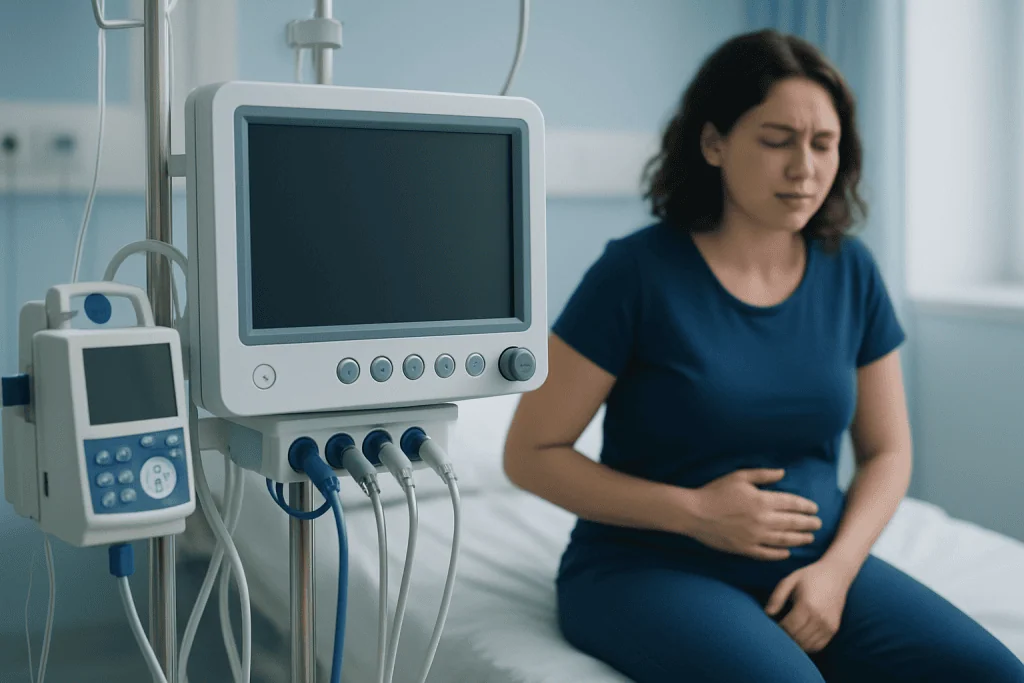
Fluid retention is often described as puffiness or swelling rather than visible, dramatic edema. The abdomen may feel fuller or more uncomfortable, clothing may feel tighter at the waist, and the breasts can feel heavy, tender, or swollen. Some people notice mild swelling in the fingers, ankles, feet, or face, particularly later in the day.
A small temporary weight change can occur because the body is holding additional fluid, not because body fat has increased. This tends to settle as the hormone pattern changes after menstruation begins. Weighing at the same time of day and comparing the same stage of each cycle, rather than day to day, gives a more useful picture if weight changes are being monitored.
Water retention often occurs alongside other premenstrual syndrome (PMS) symptoms, such as mood changes, fatigue, headaches, acne, food cravings, or changes in bowel habits. Symptoms can vary from one cycle to the next and may be more noticeable during stressful periods or when sleep, activity, and diet have changed.
- Usually expected: mild, symmetrical puffiness that appears before a period and eases shortly after it starts.
- Less typical: marked swelling, swelling on one side only, persistent swelling between periods, or symptoms that steadily worsen.
Why Hormones Can Cause Water Retention
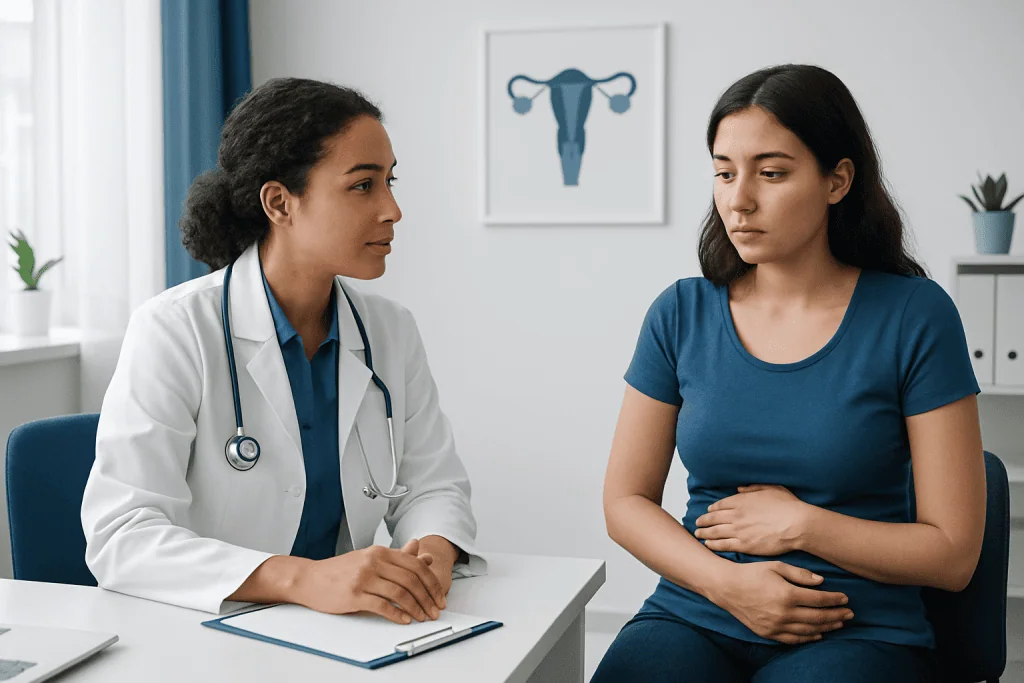
The menstrual cycle involves natural shifts in estrogen and progesterone. In the second half of the cycle, after ovulation, these hormones can influence the kidneys, blood vessels, and the body’s salt balance. This may make the body more likely to hold onto fluid temporarily. The precise pattern differs among individuals, so some people have little or no bloating while others notice it every month.
Salt intake may make fluid retention feel more noticeable because sodium encourages the body to retain water. Highly processed meals, restaurant foods, packaged snacks, and cured foods can contain substantial amounts of salt. This does not mean that a person has caused their symptoms through diet; it simply means that dietary patterns can influence their intensity.
Other factors can overlap with the cycle. Long periods of sitting or standing, hot weather, reduced physical activity, poor sleep, alcohol, constipation, and some medicines may contribute to a feeling of swelling. Hormonal contraception can improve PMS symptoms for some people and worsen bloating for others, especially while the body is adjusting. Any concern about a medication should be discussed with the prescribing clinician rather than stopping it independently.
What Is Normal and What May Point to Another Cause
A pattern is one of the most useful clues. Mild bloating or puffiness that reliably occurs in the days before menstruation and improves soon after bleeding begins is commonly menstrual-related. The swelling should be limited, should not significantly affect mobility or breathing, and should not be accompanied by a rapidly increasing abdomen or severe pain.
Symptoms that are present throughout the cycle may have another explanation. Ongoing abdominal bloating can be related to constipation, food intolerance, irritable bowel syndrome, pregnancy, ovarian cysts, fibroids, or other gynecological conditions. Heavy menstrual bleeding, increasing pelvic pressure, or a visibly enlarged abdomen are reasons to arrange a medical review rather than assuming the symptoms are simply PMS.
Swelling in the legs, ankles, hands, or face can also occur with conditions unrelated to menstruation, including kidney, liver, heart, thyroid, or vein problems. One-sided leg swelling is particularly important to assess because it is not a typical PMS pattern. A doctor will consider the timing of symptoms, medical history, medicines, pregnancy possibility, and findings from a physical examination before deciding whether tests are needed.
Ways to Ease Mild Period Bloating and Puffiness
For mild cyclical symptoms, supportive daily habits are often helpful. Drinking water regularly may seem counterintuitive, but adequate hydration supports normal fluid balance and can be preferable to restricting drinks. Regular, gentle movement such as walking, cycling, swimming, or stretching may also improve circulation and reduce the sense of bloating.
Eating regular meals with fruits, vegetables, whole grains, and protein can support general wellbeing during the menstrual cycle. Limiting very salty packaged foods and alcohol in the days before a period may reduce symptoms for some people. It can also help to avoid making major dietary restrictions in response to temporary scale changes, as these changes are commonly fluid-related and short-lived.
Comfort measures such as loose clothing, light exercise, rest, and a warm pack for menstrual discomfort may be useful. For breast tenderness, a supportive bra may help. Non-prescription pain relief can be appropriate for some people with period pain, but the choice depends on individual health conditions and other medicines; a pharmacist or clinician can offer personalized advice.
Diuretic medicines, sometimes called water tablets, should not be used for routine period bloating unless a clinician recommends them. They can affect fluid and electrolyte balance and may be unsuitable for people with certain health conditions. Similarly, supplements marketed for bloating should be approached cautiously, as their safety and effectiveness can vary.
Tracking Symptoms and Getting a Diagnosis
Keeping a simple cycle and symptom diary for at least two menstrual cycles can be valuable. It may include the first day of bleeding, days when swelling begins and ends, body areas affected, weight changes if relevant, food and activity patterns, medicines, and any associated symptoms such as pain or heavy bleeding. This record can make patterns clearer and gives a clinician useful information.
Diagnosis of ordinary premenstrual fluid retention is often based on the symptom pattern and a medical assessment. Tests are not always necessary. However, a clinician may recommend a pregnancy test, blood tests, urine testing, pelvic examination, or imaging if symptoms are persistent, unusually severe, or suggest another condition.
People with severe cyclical physical and emotional symptoms may need an assessment for PMS or premenstrual dysphoric disorder (PMDD). If bloating is linked with significant pelvic pain, heavy periods, pain during sex, or bowel and bladder symptoms around menstruation, a gynecological evaluation can help identify whether a condition such as endometriosis, fibroids, or an ovarian cyst is contributing.
When to Seek Medical Care
It is sensible to make a routine appointment if water retention during period is new, increasingly bothersome, lasts beyond the period, occurs most days of the month, or affects work, sleep, exercise, or emotional wellbeing. Medical advice is also appropriate for unexplained weight gain, persistent abdominal enlargement, new irregular periods, very heavy bleeding, or significant breast changes.
Urgent medical care is needed for sudden or severe swelling, especially in one leg, or swelling accompanied by chest pain, shortness of breath, fainting, coughing blood, or severe weakness. These symptoms are not typical of menstruation and need prompt evaluation. Severe abdominal or pelvic pain, fever, persistent vomiting, or a possible pregnancy with pain or bleeding also requires urgent assessment.
A qualified gynecologist or primary care clinician can evaluate symptoms in context and recommend care that fits the person’s medical history and reproductive goals. Acibadem International’s multidisciplinary specialists at JCI-accredited hospitals also assess menstrual and gynecological symptoms for international patients when coordinated care is needed.
Frequently asked questions
How many days does water retention during a period last?
For many people, fluid retention begins in the few days before menstrual bleeding and improves during the first few days of the period. The exact timing varies between individuals and cycles. Swelling that continues unchanged after the period or happens throughout the month should be discussed with a clinician.
Is weight gain before a period usually water weight?
A short-term increase in weight before a period can be due to fluid retention, along with normal changes in digestion and food intake. It commonly settles after menstruation begins. A rapid, substantial, or persistent weight increase should not automatically be attributed to the menstrual cycle.
Why are my hands and feet swollen during my period?
Hormonal changes can cause mild, symmetrical puffiness in the fingers, feet, or ankles before a period. Sitting or standing for long periods, warm weather, salty meals, and low activity can make this more noticeable. Swelling in only one limb, sudden swelling, or swelling with pain or shortness of breath needs urgent medical assessment.
Does drinking more water help period bloating?
Regular hydration can support the body's normal fluid balance and may help some people feel less bloated. Restricting fluids is generally not a useful way to treat typical PMS-related water retention. Individual fluid needs vary, especially for people with kidney, heart, or liver conditions, who should follow their clinician's advice.
Can hormonal birth control cause water retention?
Some people notice bloating or fluid-related symptoms when starting or changing hormonal contraception, while others find that hormonal methods improve PMS symptoms. Effects depend on the type of contraception and the individual. A clinician can review symptoms and discuss alternatives if they are persistent or troublesome.
Should diuretics be used for period water retention?
Diuretics should not be self-started for routine menstrual bloating. These medicines can alter electrolyte and fluid balance and may interact with other treatments or be unsafe with certain medical conditions. A doctor should determine whether a diuretic is appropriate and investigate persistent swelling first.
References
- American College of Obstetricians and Gynecologists
- Office on Women's Health, U.S. Department of Health and Human Services
- National Health Service
- Mayo Clinic
- International Society for Premenstrual Disorders
This article is for general information only and is not a substitute for professional medical advice. Please consult a qualified doctor about your individual situation.
Persistent digestive symptoms? Get evaluated in Turkey
JCI-accredited · board-certified surgeons · reply within 24h
Add us as a Preferred Source to see more of our trusted health content across Google Search, AI Overviews and Discover.
Check your numbers in seconds
BMI, calories, due date, blood pressure and 30+ more clinical calculators — free, instant, doctor-reviewed ranges.