Weight Loss Patch: An Evidence-Based Guide for Patients

Most weight loss patch products have limited or no strong clinical evidence for meaningful weight loss. A patch on the skin does not guarantee that active ingredients are absorbed in effective or predictable amounts.
Key Takeaways
- Most weight loss patch products have limited or no strong clinical evidence for meaningful weight loss.
- A patch on the skin does not guarantee that active ingredients are absorbed in effective or predictable amounts.
- Some weight loss patches may cause skin irritation, side effects, or interactions with other medicines and supplements.
- Sustainable weight management usually depends on nutrition, physical activity, sleep, behavior change, and treatment of underlying medical causes.
- People with obesity, diabetes, heart disease, thyroid problems, or pregnancy should speak with a doctor before using any weight loss patch.
A weight loss patch is a skin patch marketed to help with appetite, metabolism, or fat burning, but current evidence does not show that these products are a reliable weight-loss treatment. Patients should view them cautiously, especially if they have medical conditions, take regular medicines, or are considering them instead of evidence-based care.
Overview: what a weight loss patch can and cannot do
A weight loss patch is an adhesive patch placed on the skin and sold as a way to reduce appetite, increase energy, or support fat loss. The short answer for patients is that a weight loss patch is not considered a proven, first-line treatment for overweight or obesity. While some products contain herbal ingredients, stimulants, vitamins, or plant extracts, there is not enough high-quality evidence to show that these patches consistently produce safe, meaningful, long-term weight loss.
Many weight loss patches are marketed online with strong claims. However, the skin is a selective barrier. Not every substance passes through it well, and even when absorption occurs, the amount absorbed may vary from person to person. This means that a patch may not deliver ingredients in a predictable way, making benefits uncertain and side effects harder to judge.
For many patients, the bigger issue is delay. Relying on an unproven patch can postpone evaluation for common contributors to weight gain such as diet patterns, low physical activity, poor sleep, stress, thyroid disease, insulin resistance, certain medicines, or hormonal conditions. In some cases, structured medical care is more appropriate, including lifestyle counseling, treatment of related conditions, or bariatric surgery for selected patients.
How weight loss patches are marketed
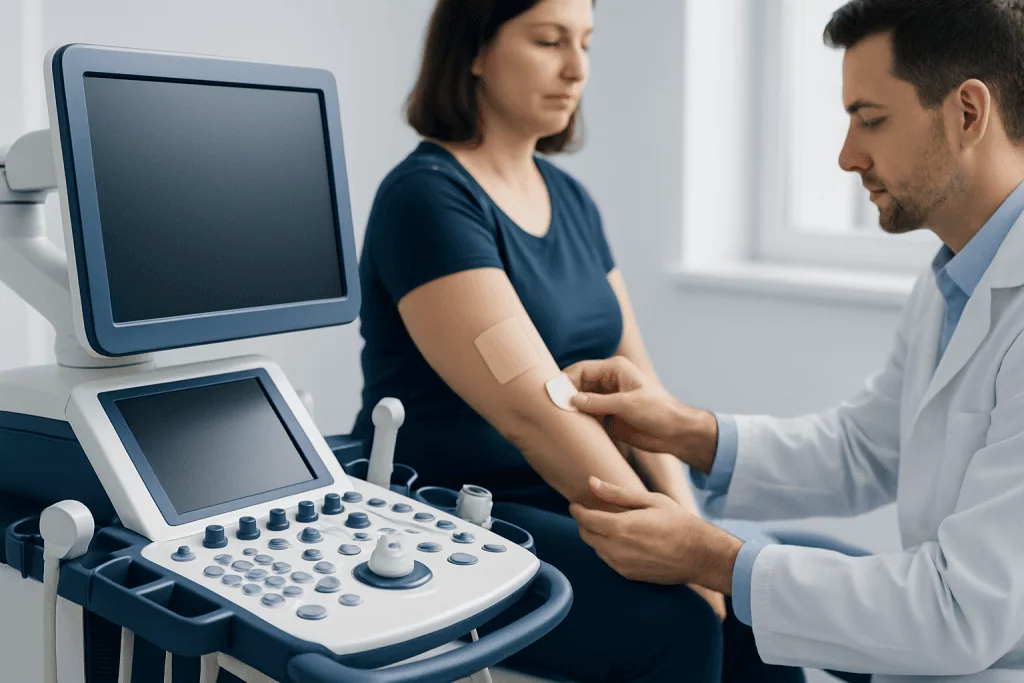
Weight loss patches are often described as “transdermal” products, meaning they are intended to release ingredients through the skin over time. Common ingredients may include caffeine, green tea extract, L-carnitine, guarana, bitter orange, chromium, or herbal blends. Some products claim to suppress appetite, boost metabolism, reduce water retention, or improve fat burning.
These claims can sound appealing because patches seem easy to use and may appear less invasive than tablets or injections. But convenience is not the same as effectiveness. A medicine patch used in standard healthcare works only when the ingredient has been carefully studied for skin absorption, dosing, and safety. Many commercially available weight loss patches do not have this level of evidence behind them.
Patients should also know that “natural” does not automatically mean safe. Herbal or stimulant ingredients can still trigger side effects, affect blood pressure or heart rate, worsen anxiety, or interact with other treatments. Labels may also vary in quality and may not always clearly explain how much of each ingredient is present or how reliably it is absorbed.
What the evidence says

At present, there is no strong body of clinical evidence showing that over-the-counter weight loss patch products are an effective stand-alone treatment for weight loss. Some individual ingredients used in these products have been studied in oral form, but that does not prove they work when applied to the skin. Transdermal delivery is a separate scientific question, and many ingredients marketed in patches have not been shown to reach the bloodstream in consistent, effective amounts.
Even when small studies exist, they are often limited by short follow-up, small patient numbers, mixed ingredients, or weak study design. This makes it difficult to know whether any observed weight change is due to the patch itself, placebo effect, diet changes, or normal weight fluctuation. For this reason, expert guidance generally does not recommend weight loss patches as a primary obesity treatment.
Evidence-based weight management usually focuses on a full medical assessment, realistic goals, nutrition support, exercise suited to the individual, sleep and stress management, and treatment of contributing conditions. In some patients, doctors may also discuss prescription therapies or procedures with better-established benefits and risks. If obesity is affecting health, a specialist may evaluate options through a broader obesity treatment plan rather than relying on a patch.
Possible side effects and safety concerns
The most common side effects of a weight loss patch are skin-related. Patients may develop redness, itching, burning, rash, or irritation where the patch sits. Adhesives can also trigger allergic contact dermatitis, especially in people with sensitive skin, eczema, or prior reactions to tapes and dressings.
Systemic side effects depend on the ingredients. Products containing stimulants such as caffeine-like compounds or bitter orange may cause palpitations, restlessness, tremor, trouble sleeping, headache, or increased blood pressure. Herbal blends may upset the stomach or interact with anticoagulants, antidepressants, diabetes medicines, thyroid medicines, and other prescriptions.
Special caution is needed in pregnancy, breastfeeding, childhood, older age, and in people with heart rhythm problems, uncontrolled high blood pressure, liver disease, kidney disease, anxiety disorders, or endocrine conditions. Patients with diabetes should be especially careful because unexpected changes in appetite, eating patterns, or supplement use can affect glucose control. In some cases, weight concerns may be linked to conditions that deserve medical review, including diabetes.
- Stop using the patch if significant skin irritation develops.
- Do not combine multiple weight-loss supplements without medical advice.
- Tell a doctor or pharmacist about all patches, supplements, and medicines being used.
- Avoid using damaged skin, heating pads, or excessive heat over a patch unless specifically advised, as this may change absorption.
Who should be especially cautious
A weight loss patch may be particularly unsuitable for people with chronic medical conditions or anyone taking regular medicines. This includes patients with cardiovascular disease, arrhythmias, hypertension, thyroid disease, anxiety, glaucoma, seizure disorders, or a history of eating disorders. If a product contains stimulants or poorly defined herbal ingredients, risk may be greater.
People who have gained weight rapidly, have swelling, severe fatigue, menstrual changes, sleep problems, or symptoms of hormone imbalance should not assume a patch is the answer. Weight change can be a symptom rather than the main problem. Medical causes such as thyroid dysfunction, polycystic ovary syndrome, medication side effects, or sleep-related breathing problems may need assessment. Some patients may also benefit from evaluation for sleep apnea when excess weight is combined with loud snoring or daytime sleepiness.
Children and teenagers should not use weight loss patches unless specifically advised by a qualified clinician. Weight management in younger people needs careful attention to growth, nutrition, body image, and underlying health conditions. Similarly, anyone with a history of disordered eating should seek professional guidance before using products marketed for appetite suppression or rapid weight loss.
Better-supported approaches to weight management
Healthy weight management is usually most successful when it is individualized. Rather than promising quick results, evidence-based care looks at eating patterns, physical activity, sleep, stress, emotional health, medical history, and current medicines. A clinician may measure weight, waist circumference, blood pressure, and sometimes check blood tests to identify conditions that can affect weight or increase health risk.
Effective strategies often include practical nutrition changes, regular movement, strength-building activities, improved sleep habits, and behavior support to help maintain routines. For some patients, structured medical weight-loss programs are appropriate. These may include physician oversight, dietitian support, and treatment of conditions that affect metabolism or appetite.
When excess weight is severe or complications are present, more intensive treatment may be discussed. This can include prescription medication or, in selected cases, surgery. If there are signs of hormonal disease contributing to weight change, a clinician may recommend assessment through endocrinology care. Near the end of a patient journey, if advanced treatment is needed, Acibadem International’s multidisciplinary specialists and JCI-accredited hospitals also diagnose and treat obesity-related conditions for international patients.
When to seek medical care
Medical advice is a good idea before using a weight loss patch if the patient has obesity, diabetes, high blood pressure, heart disease, thyroid disease, liver or kidney problems, or is pregnant or breastfeeding. A doctor should also be consulted if the patient takes prescription medicines, because supplement ingredients can interact with treatment.
Prompt medical review is important if a patch causes chest pain, severe palpitations, fainting, shortness of breath, marked anxiety, severe rash, facial swelling, or other signs of an allergic reaction. These symptoms should not be ignored, even if the product is sold as natural or over the counter.
Patients should also seek assessment if they are unable to lose weight despite consistent lifestyle efforts, if weight is increasing without clear reason, or if they have symptoms such as extreme tiredness, constipation, heat or cold intolerance, irregular periods, swelling, or heavy snoring. In these situations, identifying an underlying cause is often more helpful than changing supplements.
Frequently asked questions
Do weight loss patches really work?
Current evidence does not show that most over-the-counter weight loss patches are a reliable way to lose weight. Some products may contain ingredients studied in other forms, but that does not prove a skin patch delivers them effectively or safely.
Are weight loss patches safe?
Not always. Some people develop skin irritation, while others may have side effects related to stimulant or herbal ingredients, such as palpitations, insomnia, or anxiety. Safety also depends on other medical conditions and medicines.
Can a weight loss patch replace diet and exercise?
No. Even if a patch has some effect, it is not a substitute for a balanced eating plan, regular physical activity, good sleep, and treatment of any medical causes of weight gain. Long-term results usually depend on a broader approach.
Who should avoid using a weight loss patch?
People who are pregnant or breastfeeding, children, and those with heart disease, uncontrolled blood pressure, thyroid conditions, anxiety disorders, or medication interactions should be especially cautious. A doctor or pharmacist can help assess individual risk.
Can a weight loss patch interact with medications?
Yes. Herbal and stimulant ingredients may interact with blood thinners, antidepressants, diabetes medicines, thyroid treatment, and other prescriptions. Patients should share the full ingredient list with a healthcare professional before use.
What is a better medical option if weight is affecting health?
The best option depends on the person’s health, body weight, and related conditions. A clinician may recommend structured lifestyle treatment, review medicines that affect weight, evaluate hormonal causes, or discuss prescription therapies and bariatric procedures when appropriate.
References
- World Health Organization
- National Institute of Diabetes and Digestive and Kidney Diseases
- National Institutes of Health Office of Dietary Supplements
- U.S. Food and Drug Administration
- Endocrine Society
This article is for general information only and is not a substitute for professional medical advice. Please consult a qualified doctor about your individual situation.
Medical weight-loss options in Turkey — costs & eligibility
JCI-accredited · board-certified surgeons · reply within 24h
Add us as a Preferred Source to see more of our trusted health content across Google Search, AI Overviews and Discover.
Check your numbers in seconds
BMI, calories, due date, blood pressure and 30+ more clinical calculators — free, instant, doctor-reviewed ranges.