What Are Neurodegenerative Diseases? Common Examples and Key Features

Neurodegenerative diseases involve progressive damage to nerve cells over time. Common examples include Alzheimer’s disease, Parkinson’s disease, ALS, and Huntington’s disease.
Key Takeaways
- Neurodegenerative diseases involve progressive damage to nerve cells over time.
- Common examples include Alzheimer’s disease, Parkinson’s disease, ALS, and Huntington’s disease.
- Symptoms vary by the part of the nervous system affected and may include memory loss, tremor, stiffness, weakness, or personality changes.
- Diagnosis usually combines a medical history, neurological exam, brain imaging, and sometimes genetic or laboratory testing.
- Treatment aims to manage symptoms, maintain function, support quality of life, and address safety and care needs.
Neurodegenerative diseases are conditions in which nerve cells in the brain, spinal cord, or peripheral nervous system gradually lose function and die. They can affect memory, movement, language, behavior, and daily independence, but early evaluation and supportive care can help people manage symptoms and plan treatment.
Overview of Neurodegenerative Diseases
Neurodegenerative diseases are a group of disorders that cause progressive damage to neurons, the specialized cells that carry signals in the nervous system. As these cells become injured or die, the brain and nerves may have increasing difficulty controlling memory, thinking, movement, speech, swallowing, mood, or muscle strength. The changes usually develop gradually and may worsen over months or years.
These conditions are not all the same. Some mainly affect memory and thinking, such as Alzheimer’s disease. Others primarily affect movement, coordination, or muscle control, such as Parkinson’s disease, amyotrophic lateral sclerosis, and certain forms of ataxia. Depending on the disease, symptoms may begin subtly and be mistaken at first for normal aging, stress, or another medical issue.
Neurodegeneration can affect different areas of the nervous system. When the brain is mainly involved, a person may have problems with cognition, behavior, language, or balance. When motor pathways are affected, symptoms may include stiffness, tremor, slowed movement, weakness, or muscle wasting. Because the nervous system is complex, the same person may experience a combination of physical, cognitive, and emotional symptoms.
Although many neurodegenerative diseases cannot yet be cured, medical care can still make a meaningful difference. Early diagnosis may help clarify the cause of symptoms, guide treatment choices, support rehabilitation, and allow patients and families to plan for future needs with greater confidence.
Common Examples and Key Features
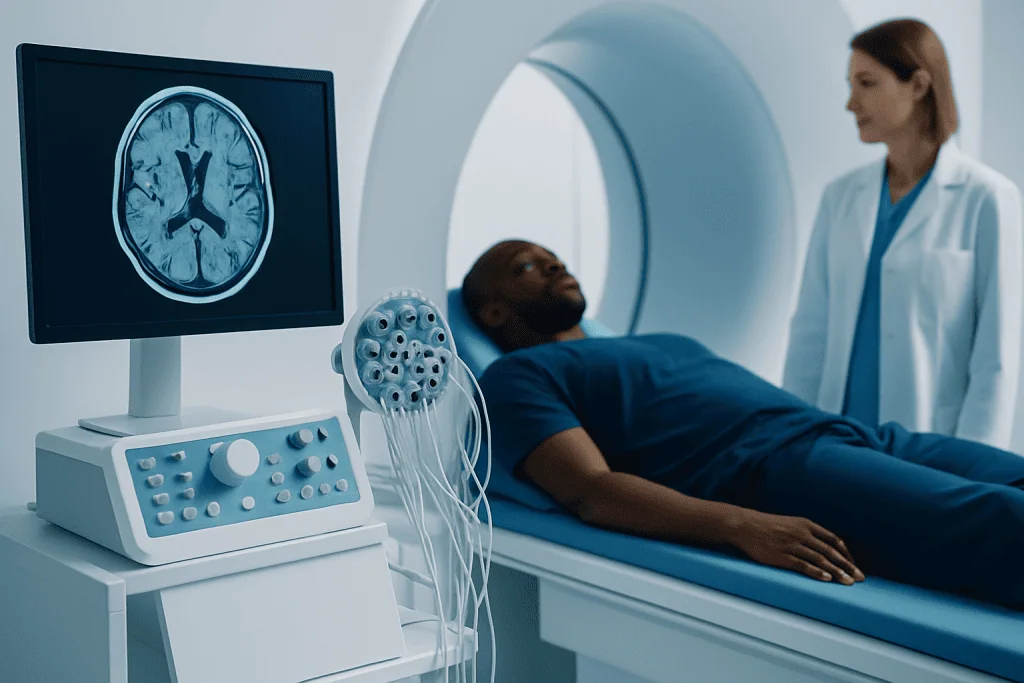
Several well-known conditions fall under the term neurodegenerative diseases. Alzheimer’s disease is the most common cause of dementia and typically leads to gradual problems with memory, orientation, language, and daily functioning. Parkinson’s disease mainly affects movement and may cause tremor, slowness, stiffness, balance problems, and, in some people, changes in sleep, mood, or thinking.
Amyotrophic lateral sclerosis, often called ALS, affects motor neurons that control voluntary muscles. Over time, it can lead to progressive weakness, muscle twitching, difficulty speaking, swallowing problems, and breathing challenges. Huntington’s disease is an inherited condition that can cause involuntary movements, emotional changes, and decline in thinking skills. Frontotemporal dementia affects areas of the brain involved in personality, behavior, and language, and may appear earlier in life than Alzheimer’s disease.
Other neurodegenerative conditions include multiple system atrophy, progressive supranuclear palsy, dementia with Lewy bodies, and certain cerebellar ataxias. Some conditions overlap in their symptoms, which is one reason expert neurological evaluation is important. A person with memory loss may not have the same condition as someone with both memory changes and visual hallucinations, and a person with stiffness and falls may have a diagnosis other than typical Parkinson’s disease.
Recognizing these patterns helps doctors understand which parts of the nervous system are affected. It also helps guide supportive care, such as physical therapy and rehabilitation for mobility and strength, or neurology evaluation when symptoms are complex or evolving.
Symptoms and Warning Signs
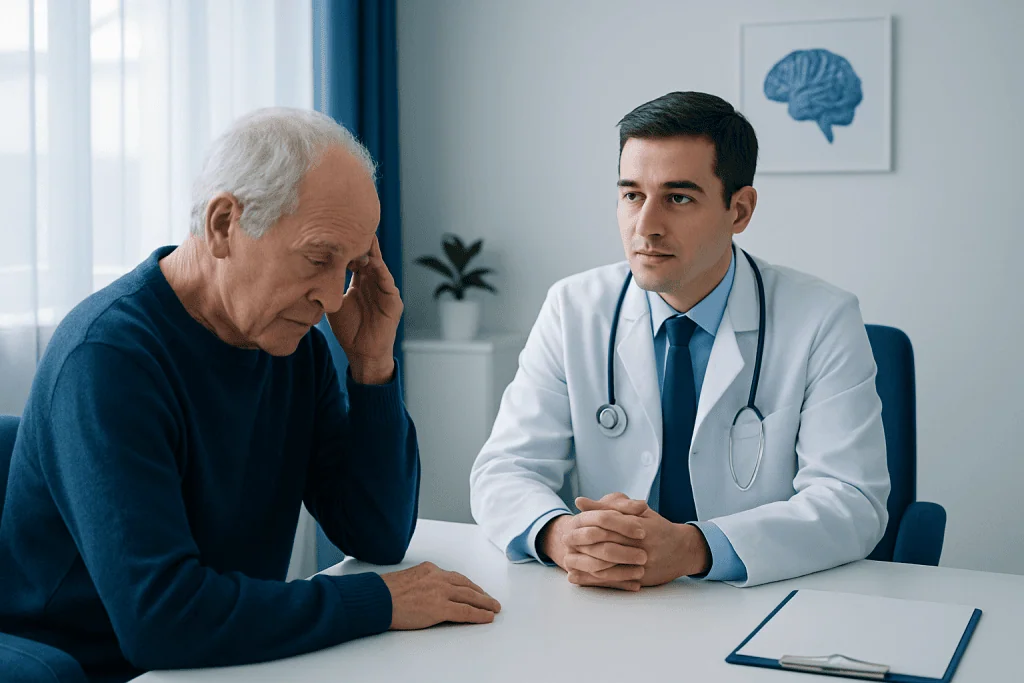
Symptoms of neurodegenerative diseases depend on the specific disorder and the location of nerve cell damage. Cognitive symptoms may include memory loss, confusion, difficulty concentrating, poor judgment, language problems, or trouble performing familiar tasks. Behavioral and emotional changes can also occur, such as apathy, irritability, anxiety, depression, impulsivity, or changes in social behavior.
Movement-related symptoms are also common in many forms of neurodegeneration. These may include tremor, muscle stiffness, slowed movement, poor balance, shuffling gait, falls, clumsiness, or abnormal involuntary movements. In conditions that affect motor neurons, a person may notice progressive weakness, muscle cramps, twitching, or wasting.
Some people develop speech and swallowing difficulties, changes in handwriting, sleep disturbances, constipation, or bladder symptoms. In more advanced stages, the disease may interfere with work, driving, personal care, communication, or safe walking. Family members are often the first to notice subtle shifts in memory, personality, or daily functioning.
Symptoms that deserve prompt medical attention include rapidly worsening weakness, repeated falls, sudden major changes in thinking or behavior, choking, or new difficulty breathing. While neurodegenerative diseases usually progress gradually, some symptoms may also be caused by other treatable conditions, so proper evaluation is important.
Causes and Risk Factors
The exact cause of neurodegenerative diseases is not always known. In many cases, several factors may contribute, including age-related changes, abnormal protein buildup in nerve cells, inflammation, oxidative stress, mitochondrial dysfunction, and genetic susceptibility. Different diseases are linked to different biological changes. For example, Alzheimer’s disease is associated with amyloid and tau proteins, while Parkinson’s disease involves loss of dopamine-producing neurons and abnormal alpha-synuclein protein.
Age is one of the strongest risk factors for many neurodegenerative diseases, but these disorders are not an inevitable part of aging. Some conditions have a stronger inherited component than others. Huntington’s disease, for instance, is caused by a known genetic mutation, while Alzheimer’s and Parkinson’s disease may occur sporadically or be influenced by a combination of genes and environment.
Researchers are also studying the role of head injury, toxin exposure, vascular health, and lifestyle factors. These influences may not directly cause a disease on their own, but they can affect brain health over time. Good control of blood pressure, diabetes, sleep problems, and other chronic conditions may support overall neurological health, even though it cannot fully prevent all forms of neurodegeneration.
Because symptoms can overlap with other neurological problems, doctors may also consider conditions that can mimic or contribute to decline, such as vitamin deficiencies, thyroid disease, medication side effects, stroke, infection, autoimmune disorders, or brain tumors. Identifying reversible or treatable contributors is an important part of care.
How Diagnosis Is Made
Diagnosis usually begins with a detailed medical history and neurological examination. The doctor asks about the first symptoms, how they have changed over time, current medicines, family history, daily function, and any safety concerns such as falls or driving difficulties. Because some changes are easier for others to notice, input from a family member or caregiver is often helpful.
Tests are chosen based on the person’s symptoms. Brain imaging, including MRI, may help identify patterns of brain changes or rule out other causes such as stroke, tumor, or structural abnormalities. Blood tests may be used to look for conditions that can affect memory, behavior, or movement. In some situations, doctors may recommend neuropsychological testing to measure memory, language, attention, and executive function in more detail.
Additional studies may include genetic testing, spinal fluid analysis, sleep studies, swallowing assessment, or nerve and muscle testing. These are not needed for everyone, but they can help when the diagnosis is uncertain or when an inherited condition is suspected. In movement disorders, careful clinical observation over time is often especially important because early symptoms can resemble several different diseases.
Diagnosis can take time, and that can be frustrating for patients and families. However, a step-by-step approach helps improve accuracy. Knowing the likely diagnosis can help guide medications, therapy, home adjustments, future planning, and access to specialist support such as comprehensive follow-up care.
Treatment Options and Ongoing Care
Treatment for neurodegenerative diseases focuses on managing symptoms, maintaining independence, and supporting quality of life. The best approach depends on the specific diagnosis and the person’s needs. Some conditions have medicines that may ease symptoms such as memory problems, tremor, stiffness, depression, anxiety, sleep difficulty, or excessive saliva. These treatments do not usually stop the disease completely, but they may improve day-to-day function.
Rehabilitation is an important part of care. Physical therapy can help with gait, balance, posture, and fall prevention. Occupational therapy may support dressing, bathing, hand function, and home safety. Speech and language therapy can help with communication and swallowing. Nutritional guidance may also be useful when appetite, chewing, or swallowing becomes difficult.
Many people benefit from a multidisciplinary care plan. This may include neurologists, geriatricians, rehabilitation specialists, psychologists, dietitians, speech therapists, respiratory specialists, and social workers. Caregivers also need practical guidance, since these conditions often affect medication routines, mobility, behavior, and supervision needs over time.
Advanced care planning can be helpful, especially in conditions that are expected to progress. Discussing future goals, decision-making preferences, home support, and safety early can reduce stress later. Near the end of the care pathway, palliative care may help with symptom relief, comfort, and family support. For international patients seeking coordinated assessment and treatment, Acibadem International’s multidisciplinary specialists and JCI-accredited hospitals also provide care for neurodegenerative conditions.
Prevention, Brain Health, and Self-Care
There is no guaranteed way to prevent all neurodegenerative diseases, but healthy habits may support brain and nerve health across the lifespan. Regular physical activity, a balanced diet, quality sleep, social engagement, and mentally stimulating activities are commonly recommended. Managing hearing loss, depression, blood pressure, cholesterol, and diabetes may also help protect cognitive and vascular health.
People living with a neurodegenerative disease often do best with a structured daily routine. Simple calendars, reminder tools, medication organizers, labeled storage, and mobility aids can reduce confusion and improve safety. At home, good lighting, handrails, removal of loose rugs, and bathroom supports may lower the risk of falls.
Self-care also includes emotional support. It is common for patients and families to feel grief, uncertainty, or fatigue. Counseling, support groups, caregiver education, and respite services can help people cope with the practical and emotional demands of a long-term neurological illness.
Families should remember that symptom changes are not always due to the underlying disease alone. Dehydration, infection, poor sleep, pain, constipation, or medication side effects can suddenly worsen confusion or function. Reporting these changes early may lead to treatment of a reversible problem.
When to See a Doctor
A doctor should assess persistent problems with memory, balance, speech, tremor, stiffness, walking, weakness, swallowing, or changes in personality and behavior. Even mild symptoms can be worth discussing if they are new, getting worse, or affecting work, relationships, or everyday activities. Early evaluation can help identify whether the cause is neurodegenerative or another condition that needs different treatment.
Urgent medical attention is important if symptoms appear suddenly, since stroke or another emergency may be the cause rather than a slowly progressive disorder. Immediate assessment is also needed for repeated choking, severe dehydration, sudden inability to walk, new hallucinations with safety risk, breathing difficulty, or major confusion that develops quickly.
Family members should trust their observations if something seems different. A loved one may minimize symptoms or not notice gradual decline. Bringing notes about changes in memory, speech, mobility, mood, sleep, or daily tasks can make the medical visit more productive.
In general, it is better to seek help early rather than wait for symptoms to become severe. A timely diagnosis may open the door to symptom management, rehabilitation, support services, and practical planning that helps protect quality of life.
Frequently asked questions
What is meant by a neurodegenerative disease?
A neurodegenerative disease is a condition in which nerve cells gradually lose function and die over time. This can affect memory, thinking, movement, speech, behavior, strength, or coordination depending on which parts of the nervous system are involved.
What are the most common examples of neurodegenerative diseases?
Common examples include Alzheimer’s disease, Parkinson’s disease, amyotrophic lateral sclerosis (ALS), Huntington’s disease, and frontotemporal dementia. Each condition has its own pattern of symptoms, although some features can overlap.
Are neurodegenerative diseases the same as dementia?
No. Dementia is a syndrome that affects memory, thinking, and daily functioning, while neurodegenerative diseases are a broader group of disorders that may affect cognition, movement, or both. Some neurodegenerative diseases cause dementia, but others mainly cause weakness, tremor, stiffness, or balance problems.
Can neurodegenerative diseases be cured?
Many neurodegenerative diseases cannot currently be cured, but treatment can still be very helpful. Medications, rehabilitation, supportive therapies, and lifestyle adjustments may reduce symptoms, improve safety, and help maintain independence for as long as possible.
Do neurodegenerative diseases always happen in older adults?
Many are more common with aging, but they do not affect only older adults. Some conditions can begin in middle age or even earlier, especially inherited disorders such as Huntington’s disease or certain rare neurological syndromes.
How are neurodegenerative diseases diagnosed?
Diagnosis is usually based on a medical history, neurological examination, and tests chosen according to symptoms. These may include brain imaging, blood tests, cognitive testing, genetic testing, or other specialized studies to confirm the diagnosis and exclude other causes.
When should someone worry about memory loss or movement changes?
A person should see a doctor if memory loss, tremor, stiffness, weakness, falls, or behavior changes are persistent, worsening, or affecting daily life. Sudden symptoms need urgent medical attention because they may be caused by stroke or another emergency rather than a progressive disease.
References
- World Health Organization
- National Institute on Aging
- National Institute of Neurological Disorders and Stroke
- Alzheimer's Association
- Parkinson's Foundation
This article is for general information only and is not a substitute for professional medical advice. Please consult a qualified doctor about your individual situation.
Neurodegenerative Diseases in Turkey — costs, top hospitals & a free quote
JCI-accredited · board-certified surgeons · reply within 24h
Add us as a Preferred Source to see more of our trusted health content across Google Search, AI Overviews and Discover.

Physical Medicine & Rehabilitation
Restoring movement and function after injury, surgery or neurological conditions.
150 specialists in this unit