What Causes a Female to Bruise Easily? A Doctor-Reviewed Answer

Most easy bruising in women is not dangerous and may happen because of thinner skin, fragile blood vessels, or minor bumps. Medicines such as blood thinners, aspirin, steroids, and some supplements can make bruising more likely.
Key Takeaways
- Most easy bruising in women is not dangerous and may happen because of thinner skin, fragile blood vessels, or minor bumps.
- Medicines such as blood thinners, aspirin, steroids, and some supplements can make bruising more likely.
- Low levels of certain vitamins, liver problems, and bleeding or platelet disorders can also cause unusual bruising.
- Red flags include bruises without injury, very large bruises, frequent nosebleeds, heavy periods, or bruising with fatigue or weight loss.
- Doctors usually diagnose the cause through a history, physical exam, and simple blood tests.
What causes a female to bruise easily? In many cases, easy bruising is harmless and relates to fragile skin, minor unnoticed injuries, or common medicines. However, frequent, large, painful, or unexplained bruises can sometimes point to a vitamin deficiency, a bleeding problem, or another medical condition that should be assessed by a doctor.
Overview: Why easy bruising is often harmless, and when it is not
Many women notice bruises on their legs, arms, or hips and do not remember bumping into anything. In most cases, the answer to what causes a female to bruise easily is not a serious illness. Everyday knocks, thinning skin with age, naturally delicate blood vessels, and certain medicines are common reasons bruises appear more easily than expected.
A bruise forms when tiny blood vessels under the skin break and leak a small amount of blood into surrounding tissue. This can happen after even a mild impact that may go unnoticed. Women may also be more likely to see bruising because of differences in skin thickness, body fat distribution, and hormonal changes over time.
Still, easy bruising should not be ignored if it becomes frequent, severe, or unusual. Bruises that appear without any injury, are very large, occur together with bleeding from the gums or nose, or are accompanied by weakness, fever, or unexplained weight loss deserve medical attention. A doctor can usually identify the cause with a careful history, examination, and basic laboratory tests.
What bruises can look and feel like
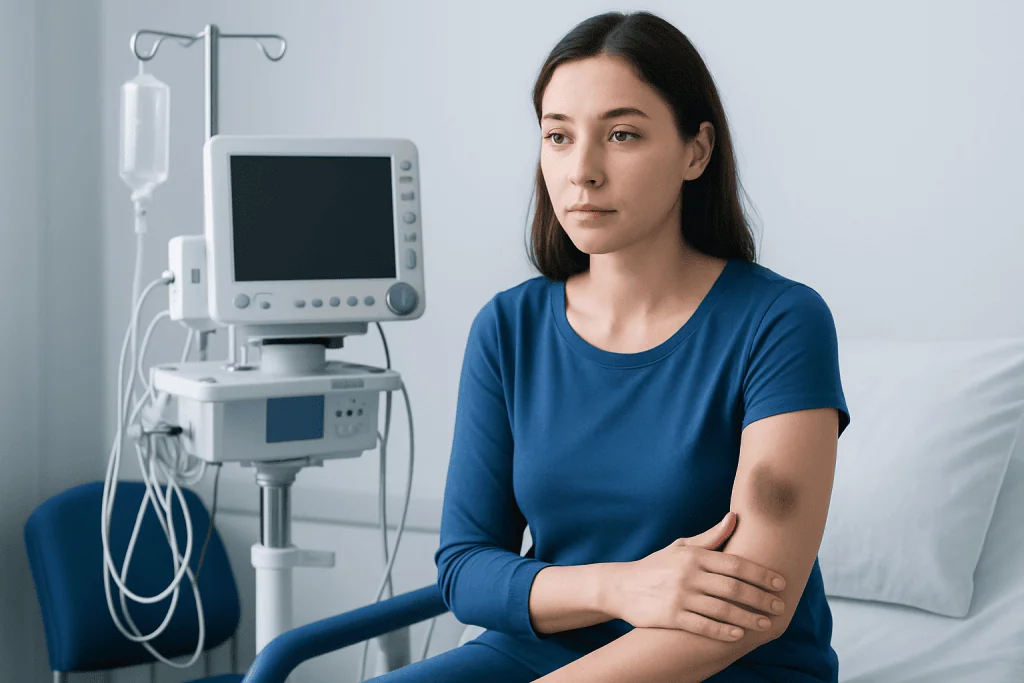
Bruises may start out red, blue, purple, or dark brown depending on skin tone and how recent the injury is. Over several days, they often change color and gradually fade. Mild tenderness or soreness is common, especially if the bruise followed a bump or strain.
Easy bruising may show up as:
- Small bruises after light pressure or minor bumps
- Bruises on the legs or arms without a clear memory of injury
- Large bruises after a blood draw or exercise
- Bruises that take longer than expected to fade
Not all purple marks are true bruises. Rashes, inflamed blood vessels, or tiny pinpoint spots called petechiae can look similar but may suggest a different problem. If a mark is spreading, painful, raised, or associated with swelling or warmth, it is important to have it checked rather than assuming it is routine bruising.
Common causes of easy bruising in females

The most common causes are simple and non-threatening. Aging can make the skin thinner and reduce the supportive tissue around blood vessels, so they break more easily. Frequent contact with furniture, exercise equipment, handbags, or daily activities can also cause minor trauma that is barely noticed at the time.
Medicines are another frequent explanation. Aspirin, anticoagulants, anti-inflammatory medicines, corticosteroids, and some antidepressants can increase bruising. Certain supplements, including fish oil, ginkgo, garlic, and vitamin E, may also affect clotting in some people. Anyone wondering what causes a female to bruise easily should review both prescription and over-the-counter products with a clinician.
Nutritional factors can play a role as well. Low intake or poor absorption of vitamins such as vitamin C or vitamin K may make bruising more likely, and low iron can contribute to symptoms that overlap with blood loss or heavy periods. Women with very heavy menstrual bleeding, fatigue, or pallor may need assessment for anemia or an underlying bleeding tendency.
Hormonal and body changes may matter too. Some women bruise more easily around pregnancy, after significant weight loss, or during times when the skin becomes more delicate. While this is often benign, persistent changes should still be discussed with a doctor if the bruising pattern is new or worsening.
Less common medical causes and risk factors
Although most bruising is harmless, doctors also consider medical causes when the pattern is unusual. Platelet problems, clotting factor deficiencies, and inherited bleeding disorders can lead to bruising that is excessive or out of proportion to minor injuries. One example is hemophilia, though this is less common in females and may present differently depending on the underlying condition.
Liver disease can also affect the body’s ability to make clotting proteins, making bruising easier. Conditions that affect bone marrow or blood cell production may reduce platelets or interfere with normal clotting. In some cases, frequent bruising may be part of a broader blood disorder that requires specialist evaluation.
Autoimmune conditions and some infections may lower platelet counts or inflame blood vessels. Connective tissue disorders can make skin and blood vessels more fragile. Rarely, cancers involving the blood or bone marrow may present with bruising along with fatigue, repeated infections, swollen lymph nodes, or unexplained weight loss.
Risk factors that make a medical cause more likely include a personal or family history of abnormal bleeding, very heavy menstrual periods, recent unexplained bruising, alcohol misuse, chronic illness, poor nutrition, or use of multiple medicines that affect clotting at the same time.
Red flags and when to seek medical care
Most isolated bruises can be watched at home, especially if they follow a likely bump and improve over one to two weeks. Medical review is more important when bruises are frequent, unusually large, or happen without any known injury. A doctor should also evaluate bruising that keeps returning in the same pattern or is getting steadily worse.
It is wise to seek medical care if easy bruising occurs with any of the following:
- Nosebleeds, bleeding gums, or blood in urine or stool
- Very heavy menstrual bleeding or bleeding between periods
- Tiny pinpoint red or purple spots on the skin
- Severe fatigue, dizziness, fever, or unexplained weight loss
- Swollen joints, significant pain, or a bruise that rapidly expands
- A family history of bleeding disorders
Urgent care is needed after a head injury, after a fall while taking blood thinners, or if bruising is accompanied by shortness of breath, chest pain, or severe weakness. These situations do not always mean something serious is happening, but they should be assessed promptly for safety.
How doctors find the cause
Evaluation usually begins with a detailed conversation. The doctor may ask when the bruising started, where it appears, how often it happens, and whether there were any recent changes in medicines, supplements, diet, exercise, or menstrual bleeding. Family history is important because some bleeding disorders are inherited.
The physical examination looks for the size and pattern of bruises, signs of skin fragility, joint swelling, liver disease, enlarged lymph nodes, or other bleeding signs. The doctor may also review whether the marks are true bruises or another type of skin change.
Blood tests often help clarify the cause. These may include a complete blood count to check platelets and anemia, as well as clotting tests and sometimes liver function tests or vitamin levels. If there is concern about persistent or unusual bleeding, a patient may be referred for hematology evaluation or further testing to look for platelet or clotting factor problems.
In selected cases, imaging or specialist input may be needed, particularly if there is a painful deep bruise, suspected internal bleeding, or another underlying disease. If the bruising pattern suggests a broader issue, doctors may coordinate care with internal medicine, gynecology, dermatology, or blood specialists.
Treatment options and what may help
Treatment depends on the cause. If bruising is linked to minor trauma or age-related skin changes, no specific medical treatment may be needed. The focus is often on skin protection, reviewing medications, and monitoring for any changes. If a medicine or supplement is contributing, a doctor may recommend adjusting it safely rather than stopping it suddenly.
When bruising is caused by a deficiency or medical problem, treatment targets that condition. This may involve correcting low vitamin levels, managing heavy menstrual bleeding, treating liver disease, or addressing an underlying platelet or clotting disorder. People with confirmed bleeding disorders may need specialist care and individualized planning before surgery, dental work, or childbirth.
For bruises themselves, simple self-care can reduce discomfort. A cold pack wrapped in cloth may help soon after injury, and the area can be rested and elevated when possible. Pain relief should be chosen carefully, since some medicines can worsen bleeding risk; a clinician can advise what is most appropriate.
If an underlying condition is identified, treatment may involve a coordinated approach. In more complex cases, patients may benefit from internal medicine assessment and additional specialty input. Near the end of the care journey, some international patients choose centers such as Acibadem International, where multidisciplinary specialists in JCI-accredited hospitals diagnose and treat bruising-related conditions.
Prevention and self-care
Not every bruise can be prevented, but a few practical steps may lower the chance of frequent bruising. Keeping walkways clear, using good lighting at home, and being mindful during exercise or lifting can reduce minor knocks. Protective clothing for sports and well-fitted footwear can also help.
Skin health matters as well. Gentle skin care, sun protection, and avoiding long-term unsupervised steroid use may help preserve skin strength. Good nutrition supports normal healing and clotting, including a balanced diet with enough fruits, vegetables, and protein.
It is also useful to keep a record of bruising if it is happening often. Note where the bruises appear, whether there was an injury, and any associated symptoms such as heavy periods or nosebleeds. This information can help a doctor identify patterns more quickly.
Anyone taking blood thinners or other medicines that affect clotting should attend regular medical follow-up. If there is concern about anemia, heavy bleeding, or recurrent unexplained bruising, doctors may investigate related conditions such as anemia and recommend tailored management.
Frequently asked questions
Is it normal for a woman to bruise easily?
It can be normal, especially with aging skin, minor unnoticed bumps, or the use of certain medicines. Bruising becomes more concerning if it is frequent, severe, unexplained, or happens along with other bleeding symptoms.
What vitamin deficiency causes bruising easily?
Low vitamin C or vitamin K can make bruising more likely in some people. Poor nutrition is only one possible cause, so it is best not to assume a vitamin problem without medical advice.
Can hormones make bruising worse?
Hormonal changes may influence skin thickness and blood vessel fragility, which can affect how easily bruises appear. Hormones are usually not the only factor, so new or worsening bruising still deserves review if it is persistent.
Do blood thinners always cause bruising?
Blood thinners and aspirin commonly increase the chance of bruising, but not everyone taking them will bruise often. A person should never stop these medicines on their own and should speak with the prescribing doctor if bruising becomes troublesome.
When should easy bruising be checked by a doctor?
Medical review is a good idea if bruises appear without injury, are very large, happen often, or occur with nosebleeds, gum bleeding, heavy periods, or fatigue. Urgent assessment is important after head injury or if bruising happens while taking anticoagulants and there are concerning symptoms.
How do doctors test for the cause of easy bruising?
Doctors usually start with a medical history, a physical exam, and blood tests such as a complete blood count and clotting studies. Depending on the findings, they may also check liver function, vitamin levels, or refer the patient to a hematology specialist.
References
- National Heart, Lung, and Blood Institute
- U.S. National Library of Medicine
- Mayo Clinic
- American Society of Hematology
- Cleveland Clinic
This article is for general information only and is not a substitute for professional medical advice. Please consult a qualified doctor about your individual situation.
Explore treatments in Turkey — costs, top hospitals & a free quote
JCI-accredited · board-certified surgeons · reply within 24h
Add us as a Preferred Source to see more of our trusted health content across Google Search, AI Overviews and Discover.
Check your numbers in seconds
BMI, calories, due date, blood pressure and 30+ more clinical calculators — free, instant, doctor-reviewed ranges.

More from the Health Library



Related Specialists

Dr. Bilge Özge Kılıç
Intensive Care
Prof. Dr. Funda Vesile Çorapcıoğlu
Pediatric Hematology & Oncology
Dr. Göknur Demiran
Dermatology
Dr. Gökay Kurtulan
Occupational Medicine