What Causes an Enlarged Spleen? A Doctor-Reviewed Answer

The spleen may enlarge when it is filtering extra blood cells, responding to infection or affected by liver or blood conditions. Some cases are temporary and improve once an infection or underlying condition is treated.
Key Takeaways
- The spleen may enlarge when it is filtering extra blood cells, responding to infection or affected by liver or blood conditions.
- Some cases are temporary and improve once an infection or underlying condition is treated.
- Pain or fullness under the left ribs, feeling full quickly, fatigue and frequent infections can occur, but many people have no symptoms.
- Doctors usually use an examination, blood tests and imaging such as ultrasound or CT to confirm spleen enlargement and investigate the cause.
- A person with a known enlarged spleen should avoid contact sports and abdominal injury until a clinician says it is safe.
An enlarged spleen, also called splenomegaly, can occur temporarily with common infections and may cause no symptoms at all. However, it can also be linked to liver conditions, blood disorders, immune diseases or, less commonly, cancers, so medical assessment is important to identify the cause and protect the spleen from injury.
What causes an enlarged spleen?
An enlarged spleen is most often caused by the body responding to an infection, changes in blood flow through the liver, or conditions that affect blood cells. The medical term is splenomegaly. In many cases, enlargement is mild, found incidentally during an examination or scan, and improves when the underlying problem resolves.
The spleen is a small organ in the upper left side of the abdomen, behind the ribs. It helps filter old or damaged red blood cells, stores some blood cells and supports the immune system in fighting certain infections. Because it is involved in these functions, the spleen can become larger when it is working harder than usual or when blood cells and fluid build up inside it.
An enlarged spleen is not a diagnosis on its own. It is a sign that prompts a clinician to look for an underlying explanation. Most causes can be evaluated systematically with a medical history, physical examination, blood tests and, when needed, imaging.
The main causes of spleen enlargement
Infections are a frequent cause, especially viral infections. Infectious mononucleosis, often caused by Epstein-Barr virus, is a well-known example. Other possible causes include cytomegalovirus, viral hepatitis, HIV, tuberculosis, malaria and certain bacterial infections. The spleen may enlarge as immune cells become more active during the infection.
Liver disease and increased pressure in the portal vein can also enlarge the spleen. The portal vein carries blood from the digestive organs to the liver. Cirrhosis and other conditions that obstruct normal blood flow through the liver can raise pressure in this system, known as portal hypertension. This can cause blood to back up into the spleen, making it larger and sometimes lowering blood cell counts.
Blood and bone marrow disorders may contribute as well. Examples include hemolytic anemia, in which red blood cells break down faster than usual; thalassemia; sickle cell disease; and some platelet disorders. In these situations, the spleen may remove blood cells more actively or become a site where blood cells are produced.
Less commonly, spleen enlargement is related to immune or inflammatory diseases, including rheumatoid arthritis, systemic lupus erythematosus and sarcoidosis. Some cancers affecting the blood or lymphatic system, such as leukemia or lymphoma, may also cause splenomegaly. These possibilities are important to assess but are not the explanation in every case.
Symptoms an enlarged spleen may cause

Many people do not notice symptoms from a mildly enlarged spleen. When symptoms occur, there may be discomfort, pressure or a dull ache beneath the left rib cage. Pain can sometimes spread toward the left shoulder, particularly if the spleen is significantly enlarged or irritated.
One characteristic symptom is feeling full sooner than expected during a meal. A larger spleen can press on the stomach, so even a small amount of food may feel filling. Some people also report bloating or an awareness of fullness in the upper abdomen.
The underlying cause often produces additional symptoms. These may include fever, sore throat, swollen lymph nodes, tiredness, unintentional weight loss, night sweats, jaundice, easy bruising, recurrent infections or symptoms of anemia such as shortness of breath and reduced exercise tolerance. None of these symptoms confirms a specific diagnosis, but they can help guide the medical evaluation.
If the spleen becomes enlarged, it can sometimes hold onto or remove too many red blood cells, white blood cells or platelets. This is called hypersplenism. It may lead to low blood counts, which can contribute to fatigue, infections or bleeding and bruising more easily.
Who may be at higher risk?
Risk depends on the underlying condition rather than on spleen size alone. People recently affected by an illness that causes prominent fatigue, fever, sore throat or swollen glands may have a temporary increase in spleen size. This is particularly relevant for adolescents and young adults with infectious mononucleosis.
People with chronic liver disease, heavy alcohol use, long-term viral hepatitis, autoimmune conditions, inherited blood disorders or a known blood cancer may also be more likely to develop splenomegaly. Travel or residence in areas where malaria and other parasitic infections are more common can be clinically relevant, especially when fever or other symptoms occur after travel.
A clinician will also consider medications, family history, immune status, occupational exposures and previous infections. These details do not mean that a serious condition is present; they simply help narrow the range of possible causes and select appropriate tests.
How doctors diagnose an enlarged spleen
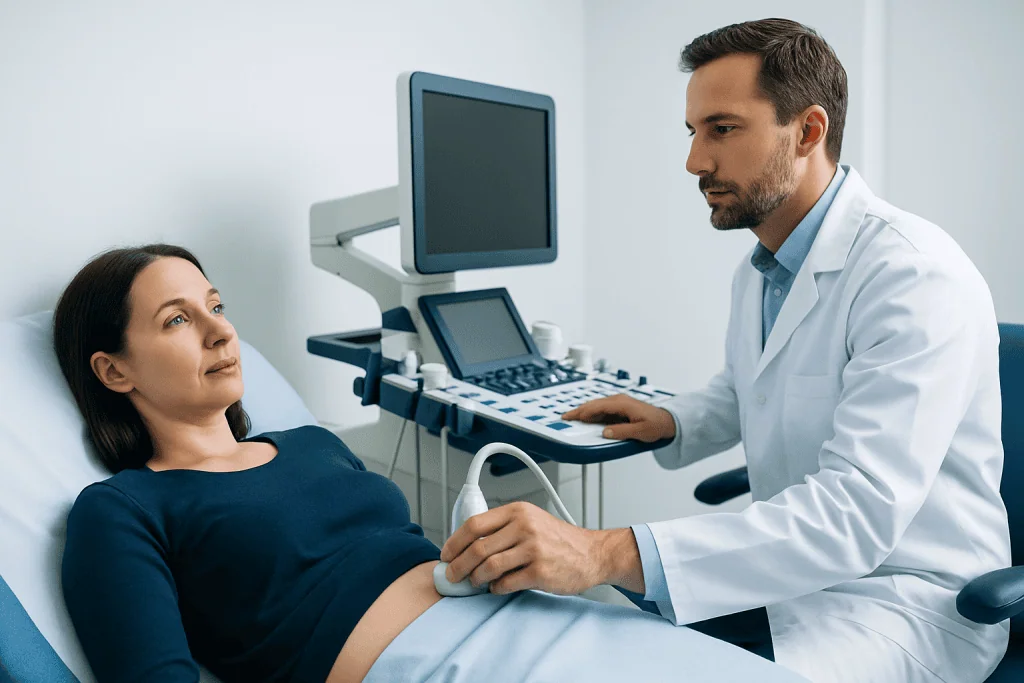
A doctor may suspect an enlarged spleen during an abdominal examination, although a physical examination alone cannot reliably determine spleen size in every person. Imaging is generally used to confirm enlargement. An abdominal ultrasound is often a useful first test because it can measure the spleen and assess the liver and nearby blood vessels without radiation. CT or MRI may be appropriate in selected cases.
Blood tests are an important part of finding the cause. A complete blood count can show whether red cells, white cells or platelets are low or abnormal. Liver function tests, markers of inflammation, tests for infections and a review of blood cells under a microscope may be recommended based on the person’s symptoms and medical history.
Further testing is individualized. For example, a clinician may request hepatitis testing, autoimmune blood tests, specialized tests for blood disorders, or tests for infections linked to recent travel. If findings raise concern for a bone marrow or lymphatic condition, referral to a hematology specialist may be advised.
Most people do not need invasive tests immediately. The aim is to identify the most likely explanation step by step, while also checking for problems such as low blood counts or liver-related complications that may need prompt care.
Treatment and day-to-day precautions
Treatment focuses on the cause rather than on the enlarged spleen itself. For example, a viral infection may need rest, fluids and monitoring, while bacterial infections may require specific antimicrobial treatment. Management of liver disease, autoimmune disease or a blood disorder can reduce spleen enlargement over time when appropriate.
Removal of the spleen, called splenectomy, is not a routine treatment for splenomegaly. It may be considered only in carefully selected situations, such as certain blood disorders, severe hypersplenism, injury or persistent symptoms when other approaches are unsuitable. Because the spleen has immune functions, clinicians weigh the benefits and possible long-term infection risks before recommending surgery.
Until a clinician confirms it is safe, a person with an enlarged spleen should avoid contact sports, activities with a risk of falls, and situations that could result in a blow to the abdomen. Even an enlarged spleen that causes little discomfort can be more vulnerable to rupture after trauma. A doctor can give individualized advice about exercise, work and return to sport.
It is also sensible to avoid self-treating unexplained symptoms with supplements or herbal products, particularly if liver disease is possible. Bringing a complete list of medications, supplements and recent travel history to the appointment can support an accurate assessment.
When to seek medical care
A person should arrange a medical review if they have persistent discomfort under the left ribs, feel full unusually quickly, have ongoing fever or fatigue, notice unexplained weight loss, or have been told that their spleen is enlarged. Evaluation is also appropriate after mononucleosis or another infection if symptoms do not improve as expected or if a clinician has advised follow-up.
Urgent medical care is needed for sudden or severe pain in the upper left abdomen, especially after a fall, collision or other injury. Pain that spreads to the left shoulder, dizziness, fainting, pale or clammy skin, a fast heartbeat or marked weakness can be warning signs of internal bleeding from a ruptured spleen. Although rupture is uncommon, it is an emergency.
Medical assessment should also be prompt for unusual bleeding, easy bruising, high fever, yellowing of the skin or eyes, severe shortness of breath, or repeated infections. These symptoms can have many causes, but they may indicate low blood counts or an underlying illness that needs treatment.
Acibadem International’s multidisciplinary specialists and JCI-accredited hospitals evaluate and treat spleen-related symptoms and their underlying causes for international patients. A qualified clinician can explain which tests are appropriate and develop a care plan based on the individual findings.
Frequently asked questions
Can an enlarged spleen go back to normal?
Yes. The spleen may return to its usual size when a temporary cause, such as an infection, resolves. The timeline varies, and follow-up may be needed when enlargement is related to liver disease, a blood disorder or another ongoing condition.
Is an enlarged spleen always serious?
Not always. Some cases are mild and temporary, particularly during or after an infection. However, spleen enlargement should be assessed because it can occasionally signal a condition that needs treatment and may increase the risk of injury to the spleen.
Can stress cause an enlarged spleen?
Emotional stress is not considered a direct cause of splenomegaly. Stress can affect sleep, energy and general wellbeing, but clinicians usually investigate infections, liver conditions, blood disorders and inflammatory diseases when the spleen is enlarged.
What should someone avoid with an enlarged spleen?
Contact sports and activities that could cause a blow to the abdomen should generally be avoided until a doctor says they are safe. This includes sports with collision, tackling or a substantial risk of falling, because an enlarged spleen is more susceptible to injury.
Can an enlarged spleen cause tiredness?
It can, particularly if the enlarged spleen is linked to anemia, infection, inflammation or low blood cell counts. Fatigue is often related to the underlying cause rather than the spleen enlargement alone, so blood tests can be helpful.
Can a doctor feel an enlarged spleen?
Sometimes a doctor can feel the lower edge of an enlarged spleen during an abdominal examination, especially when it is significantly enlarged. Imaging, commonly ultrasound, is used to confirm the finding and measure the spleen more accurately.
References
- National Institute of Diabetes and Digestive and Kidney Diseases
- Merck Manual Consumer Version
- Mayo Clinic
- Cleveland Clinic
- Centers for Disease Control and Prevention
This article is for general information only and is not a substitute for professional medical advice. Please consult a qualified doctor about your individual situation.
Explore treatments in Turkey — costs, top hospitals & a free quote
JCI-accredited · board-certified surgeons · reply within 24h
Add us as a Preferred Source to see more of our trusted health content across Google Search, AI Overviews and Discover.

More from the Health Library



Related Specialists

Prof. Dr. Erkin İsmail
General Surgery
Assoc. Prof. Dr. Bertan Cengiz
Orthopedic Surgery & Traumatology
Dr. Adnan Abbasoğlu
Orthopedic Surgery & Traumatology
Assoc. Prof. Dr. Tayfun Yoldaş
General Surgery