What Causes Bloating? Here Is What the Evidence Says

Bloating is often caused by gas, constipation, eating habits, or food intolerance rather than a serious disease. Common triggers include overeating, carbonated drinks, high-FODMAP foods, constipation, and irritable bowel syndrome.
Key Takeaways
- Bloating is often caused by gas, constipation, eating habits, or food intolerance rather than a serious disease.
- Common triggers include overeating, carbonated drinks, high-FODMAP foods, constipation, and irritable bowel syndrome.
- A doctor may assess bloating with a medical history, physical exam, and selected tests based on symptoms and risk factors.
- Red flags include persistent abdominal swelling, unexplained weight loss, severe pain, vomiting, blood in the stool, or symptoms that wake a person from sleep.
- Treatment depends on the cause and may involve dietary changes, managing constipation, treating reflux or IBS, or investigating less common underlying conditions.
What causes bloating? In many people, bloating is harmless and related to swallowed air, gas production during digestion, constipation, or sensitivity to certain foods. When bloating is frequent, severe, or comes with warning signs such as weight loss, vomiting, blood in the stool, or ongoing pain, a medical assessment is important.
Overview: why bloating happens
Bloating is the feeling of fullness, pressure, or tightness in the abdomen. Sometimes the belly also looks visibly enlarged, and sometimes the sensation is present without much outward swelling. In most cases, bloating is not dangerous and is related to normal digestive processes, eating patterns, constipation, or sensitivity to certain foods.
The reason bloating feels so uncomfortable is that the digestive system can become stretched or more sensitive than usual. Gas in the intestines, slowed movement of stool, and changes in the way the gut muscles contract can all contribute. Some people also have a more sensitive gut-brain connection, which means a normal amount of gas or stretching may feel much more noticeable.
Although bloating is common, it should not be ignored if it becomes persistent, progressive, or associated with concerning symptoms. The most important first step is to separate occasional bloating after meals from bloating that happens often, interferes with daily life, or comes with signs that suggest a condition needing treatment.
Common causes of bloating
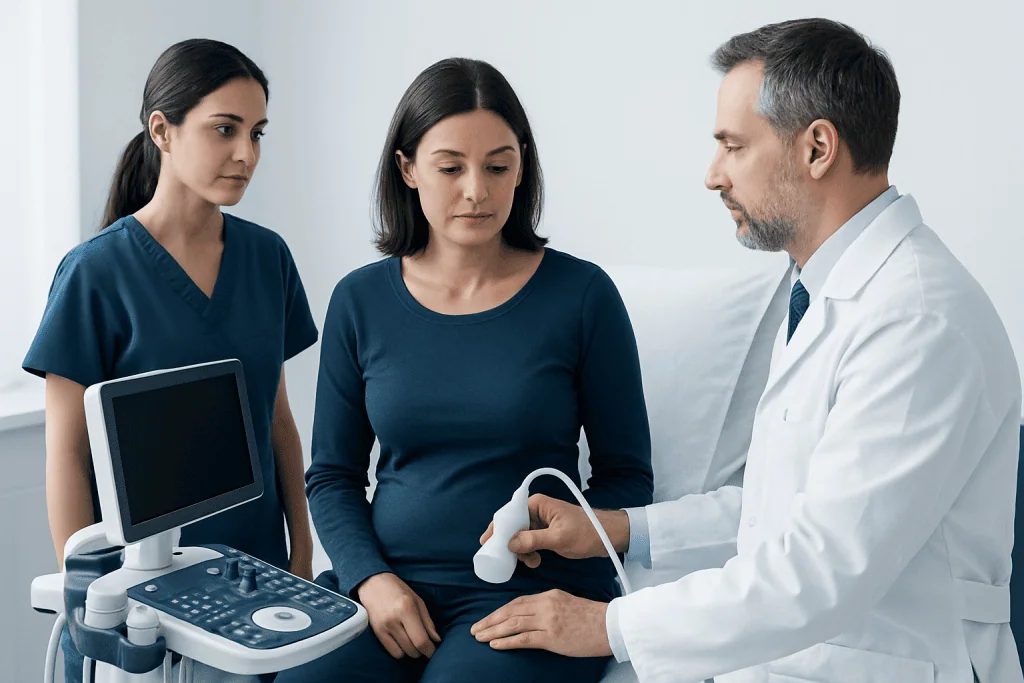
The most common answer to “what causes bloating” is a combination of gas, digestion, and bowel habits. Air can be swallowed while eating quickly, chewing gum, drinking through a straw, smoking, or talking while eating. Gas is also produced naturally when gut bacteria break down certain carbohydrates that are not fully absorbed in the small intestine.
Constipation is another frequent cause. When stool stays in the colon longer than usual, it can lead to pressure, visible abdominal distension, and a sensation of heaviness. Many people notice that bloating improves after a bowel movement or after constipation is treated.
Food-related triggers are also common. Large meals, fatty foods, carbonated drinks, and foods high in fermentable carbohydrates can all contribute. For some people, the issue is not one specific food but rather overall eating patterns, such as late-night meals, rapid eating, or an abrupt increase in fiber without enough fluids.
- Swallowed air from eating or drinking habits
- Gas from fermentation of certain carbohydrates
- Constipation or slowed bowel movement
- Large meals or high-fat meals that slow stomach emptying
- Food intolerances, especially lactose or fructose intolerance
- Digestive conditions such as irritable bowel syndrome or gastroesophageal reflux disease
How symptoms can help point to the cause

The timing and pattern of bloating often provide useful clues. Bloating that appears mainly after meals may suggest food intolerance, gas production, or delayed digestion. Symptoms that are worse later in the day may be linked to a gradual build-up of gas or stool. Bloating that improves overnight or after passing gas may point more strongly to a functional digestive cause rather than a structural problem.
Associated symptoms also matter. Belching may suggest swallowed air or upper digestive discomfort, while constipation may indicate stool retention as a main factor. Diarrhea, cramping, and relief after bowel movements are more typical of a functional bowel disorder such as IBS. Heartburn, sour taste, or upper abdominal fullness may occur alongside reflux-related symptoms.
Visible distension is not the same as the internal sensation of bloating, though they often overlap. Some people have significant discomfort with very little outward change, while others notice a tighter waistband or abdominal enlargement by evening. Hormonal changes, fluid retention, and pelvic conditions can sometimes mimic digestive bloating, so the overall pattern is important.
Less common but important medical causes
Most bloating is not a sign of serious disease, but persistent symptoms can sometimes reflect an underlying medical condition. Examples include celiac disease, inflammatory bowel disease, small intestinal bacterial overgrowth, delayed stomach emptying, or chronic constipation that requires targeted treatment. In some people, bloating may be linked to problems with digestion or absorption rather than excess gas alone.
Gynecologic and abdominal conditions can also cause a feeling of abdominal swelling or pressure. Ovarian problems, fluid buildup in the abdomen, or masses within the abdomen or pelvis may be considered when bloating is ongoing and clearly progressive. This is why doctors look not only at digestion but also at the broader medical picture.
Rarely, bloating may be associated with more serious disorders such as bowel obstruction, advanced liver disease, or cancers involving the digestive or reproductive organs. These causes are much less common than functional or diet-related bloating, but they become more relevant when warning signs are present or when symptoms are new and unexplained, especially later in life.
How doctors evaluate bloating
Medical evaluation usually starts with careful questions rather than immediate testing. A doctor may ask when the bloating started, whether it is related to meals, bowel movements, menstrual cycles, or stress, and whether there are associated symptoms such as constipation, diarrhea, reflux, nausea, vomiting, or weight loss. A food and symptom diary can sometimes be very helpful.
The physical examination helps determine whether the abdomen is truly distended, tender, or affected by a specific mass or fluid retention. Based on the history and exam, the doctor may recommend selected tests such as blood tests, stool tests, breath tests for carbohydrate intolerance, imaging, or endoscopy. If constipation or pelvic floor dysfunction is suspected, bowel habit assessment becomes especially important.
The goal is not to order every possible test, but to match investigations to the most likely causes and any red flags. Depending on findings, a person may be assessed for conditions such as Crohn’s disease or referred for endoscopy when upper digestive symptoms or warning signs suggest the need for a closer look. Imaging such as MRI or ultrasonography may be useful when the doctor needs to evaluate the abdomen or pelvis beyond the digestive tract.
Treatment and self-care based on the cause
Treatment works best when it addresses the specific reason for bloating. If the problem is constipation, improving bowel regularity may bring substantial relief. If symptoms are linked to a food intolerance, reducing the trigger food under professional guidance may help. For functional bloating and IBS, doctors often focus on meal patterns, gut sensitivity, and bowel habit regulation rather than one single medication.
Simple strategies can make a real difference. Eating more slowly, avoiding large heavy meals, limiting carbonated drinks, and identifying repeat food triggers are often useful. Some people benefit from a supervised low-FODMAP approach, but this should ideally be done with a qualified dietitian because unnecessary long-term restriction can make eating more difficult without adding benefit.
Regular physical activity may support digestion and help with constipation. Stress management can also matter because the gut and nervous system are closely connected. If reflux, peptic symptoms, or another diagnosed condition is contributing, treatment is directed at that condition rather than the bloating sensation alone.
- Eat slowly and avoid overeating
- Review common trigger foods and drinks
- Increase fiber gradually if constipation is present, along with fluids if appropriate
- Stay physically active to support bowel movement
- Seek medical advice before making major long-term dietary restrictions
When to seek medical care
Occasional bloating after a large meal is common, but medical review is recommended when bloating becomes frequent, persistent, or progressively worse. It is also worth seeking advice when symptoms significantly affect appetite, sleep, work, or quality of life, even if they seem mild at first.
More urgent evaluation is important if bloating occurs with severe or persistent abdominal pain, repeated vomiting, blood in the stool, black stools, fever, new difficulty swallowing, or unexplained weight loss. Persistent bloating with visible abdominal enlargement, new symptoms after midlife, or a strong family history of digestive disease also deserves attention.
For people who need specialist evaluation, Acibadem International’s multidisciplinary specialists in JCI-accredited hospitals diagnose and treat digestive conditions for international patients. The key point, however, is that bloating should be assessed in context: many cases are manageable, but warning signs should always be checked by a qualified doctor.
Frequently asked questions
Is bloating usually caused by gas?
Gas is one of the most common reasons for bloating, but it is not the only one. Constipation, food intolerance, gut sensitivity, and changes in digestion can all create a bloated feeling even when gas is not the main problem.
What foods commonly trigger bloating?
Common triggers include carbonated drinks, large fatty meals, beans, onions, some fruits, dairy in people with lactose intolerance, and foods high in fermentable carbohydrates. The exact trigger varies from person to person, so patterns over time are often more helpful than blaming one food immediately.
Can constipation cause bloating every day?
Yes. When stool remains in the colon, it can lead to pressure, gas retention, and a heavy or swollen feeling that may happen daily. Treating constipation often improves bloating, though persistent symptoms should still be reviewed by a doctor.
How do doctors test for the cause of bloating?
Doctors usually begin with a history, symptom review, and physical examination. Depending on the pattern and any red flags, they may recommend blood tests, stool tests, breath tests, imaging, or endoscopy rather than using every test at once.
When is bloating a warning sign?
Bloating needs prompt medical attention if it comes with severe pain, repeated vomiting, blood in the stool, black stools, fever, fainting, or unexplained weight loss. It also deserves evaluation if it is new, persistent, clearly worsening, or associated with visible abdominal swelling.
Can stress make bloating worse?
Yes. Stress can affect gut movement, sensitivity, and the way the digestive system responds to meals. This does not mean symptoms are “just stress,” but it does mean that emotional and physical factors can influence how strongly bloating is felt.
References
- National Institute of Diabetes and Digestive and Kidney Diseases
- American College of Gastroenterology
- National Health Service
- Mayo Clinic
- International Foundation for Gastrointestinal Disorders
This article is for general information only and is not a substitute for professional medical advice. Please consult a qualified doctor about your individual situation.
Medical weight-loss options in Turkey — costs & eligibility
JCI-accredited · board-certified surgeons · reply within 24h
Add us as a Preferred Source to see more of our trusted health content across Google Search, AI Overviews and Discover.

More from the Health Library



Related Specialists

Prof. Dr. Çınar Başekim
Radiology
Assoc. Prof. Dr. Özgür Timurkaynak
Dermatology
Assoc. Prof. Dr. Nilüfer Aykaç
Pulmonology
Dr. Güzi̇de Özdil
Radiology