What Causes Cancer? Risk Factors, DNA Changes, and Prevention

Cancer begins when DNA changes allow abnormal cells to grow and survive when they should not. Most cancers are linked to a combination of risk factors rather than one single cause.
Key Takeaways
- Cancer begins when DNA changes allow abnormal cells to grow and survive when they should not.
- Most cancers are linked to a combination of risk factors rather than one single cause.
- Not all risk factors can be changed, but avoiding tobacco, limiting alcohol, staying active, and following screening advice can lower risk.
- Family history can increase risk for some cancers, but inherited gene changes cause only a minority of all cancers.
- Early evaluation of persistent symptoms and appropriate screening improve the chance of timely diagnosis.
Cancer develops when changes in a cell’s DNA disrupt the normal controls that regulate growth, repair, and cell death. These changes may happen over time through aging, inherited traits, environmental exposures, infections, or lifestyle factors, but many cancers can be prevented or found early.
Overview: How Cancer Starts
Cancer is not one disease but a large group of diseases that begin when abnormal cells grow in an uncontrolled way. In healthy tissue, cells grow, divide, and die according to carefully regulated signals. When this control system breaks down, cells may continue dividing, avoid normal cell death, and sometimes spread into nearby tissues or to other parts of the body.
At the center of this process are changes in DNA, the genetic material inside cells. DNA contains instructions that tell cells how to function. When certain genes are altered, they may switch growth signals on, disable repair systems, or prevent damaged cells from being removed. Over time, these changes can build up and increase the chance that a normal cell becomes cancerous.
Cancer usually develops gradually rather than appearing suddenly. A person may be exposed to risk factors for years before cancer forms. In some cases, there is no clear single cause. Instead, cancer often results from an interaction between age, inherited traits, lifestyle, environment, hormones, immune function, and chance DNA errors that occur as cells divide.
DNA Changes and Why They Matter
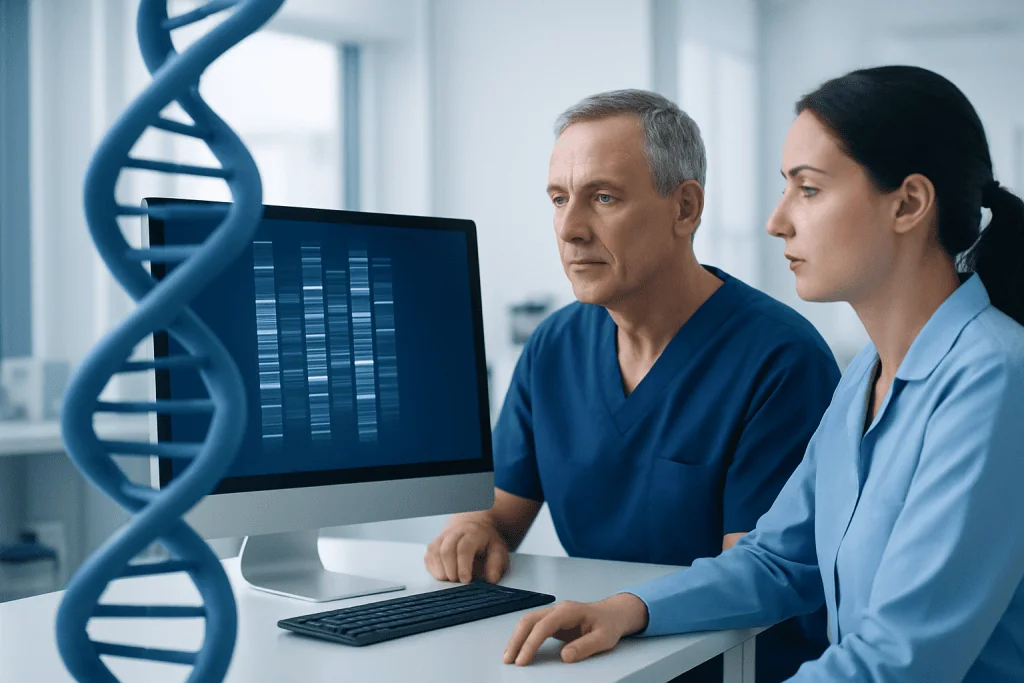
DNA changes linked to cancer are often called mutations or genetic alterations. Some affect genes that normally help cells grow, while others affect genes that repair damaged DNA or control when a cell should stop dividing. When these protective systems fail, abnormal cells may gain a survival advantage over healthy cells.
Not all DNA changes are harmful, and not every mutation causes cancer. Cells have repair mechanisms that correct many errors. The immune system can also recognize and remove some abnormal cells. Cancer usually develops only after several important changes accumulate and allow a cell to multiply despite the body’s defenses.
These DNA changes can be inherited from a parent or acquired during life. Acquired changes are far more common and may result from tobacco smoke, radiation, certain infections, chemicals, chronic inflammation, or normal aging. This is one reason why cancer risk generally increases with age.
It is also important to understand that having a mutation does not always mean cancer will occur. Risk is influenced by the type of genetic change, the organ involved, and additional exposures over time. This helps explain why two people with similar habits may not have the same outcome.
Main Risk Factors for Cancer

Doctors use the term risk factor to describe anything that increases the chance of developing cancer. Some risk factors can be changed, while others cannot. Having one or even several risk factors does not mean a person will definitely develop cancer, and some people who get cancer have no obvious risk factors at all.
Common risk factors include:
- Age: The risk of many cancers rises over time because cells accumulate DNA damage as they age.
- Tobacco use: Smoking and other tobacco exposure are major causes of cancers of the lung, mouth, throat, bladder, pancreas, and other organs.
- Alcohol: Regular heavy alcohol use raises the risk of several cancers, especially when combined with smoking.
- Excess body weight and physical inactivity: These are linked with cancers such as breast, colorectal, endometrial, kidney, and others.
- Diet: A diet low in fruits, vegetables, and whole foods and high in processed foods may contribute to cancer risk.
- Ultraviolet radiation: Sun exposure and tanning beds increase the risk of skin cancer.
- Radiation and harmful chemicals: Occupational or environmental exposure to certain substances can raise risk.
- Infections: Viruses and bacteria such as HPV, hepatitis B and C, and Helicobacter pylori can contribute to specific cancers.
- Family history and inherited gene changes: Some people are born with genetic variants that increase risk.
- Hormonal and reproductive factors: These may influence the risk of certain breast, ovarian, prostate, or endometrial cancers.
Long-term inflammation, a weakened immune system, and previous cancer treatment can also increase risk in some situations. Because risk factors often work together, reducing even one modifiable factor can still be meaningful for long-term health.
Inherited vs. Acquired Causes
Most cancers are caused by acquired DNA changes that happen during a person’s lifetime rather than inherited mutations present from birth. These acquired changes may develop because of lifestyle exposures, environmental factors, infections, or random copying errors as cells divide. This means a person can develop cancer even without a strong family history.
Inherited cancers are less common but still important. Certain families carry gene changes that raise the risk of cancers such as breast, ovarian, colorectal, prostate, or pancreatic cancer. Examples include inherited changes in BRCA1, BRCA2, or genes linked to Lynch syndrome. When these conditions are suspected, genetic counseling may help families understand their risk and screening options.
Clues that suggest an inherited cancer syndrome can include cancer at a younger age than usual, several close relatives with the same or related cancers, multiple cancers in one person, or rare cancer patterns within a family. Genetic testing is not necessary for everyone, but it can be valuable when the personal or family history suggests a hereditary cause.
Even when inherited risk is present, cancer is not always inevitable. Careful follow-up, lifestyle changes, and recommended screening can help reduce risk or improve the chances of early detection. In some cases, doctors may advise more specialized imaging, preventive medication, or surgery depending on the level of risk.
How Cancer Is Diagnosed
Cancer diagnosis often begins when a person notices symptoms or when an abnormality is found during routine screening. Symptoms vary widely depending on the cancer type and may include a new lump, unexplained weight loss, ongoing fatigue, persistent pain, abnormal bleeding, bowel habit changes, or a cough that does not go away. However, early cancer may also cause no symptoms at all.
Evaluation usually starts with a medical history and physical examination. Doctors may ask about smoking, alcohol use, work exposures, infections, medications, and family history. Depending on the situation, testing may include blood work, endoscopy, or imaging such as MRI, CT scans, or other radiology studies to look more closely at internal organs.
Screening tests are used to look for certain cancers before symptoms appear. Examples include mammography, cervical screening, colorectal screening, and low-dose CT in selected people at high risk for lung cancer. Screening does not prevent every cancer, but it can help find disease at an earlier and more treatable stage. People concerned about lung cancer or other specific cancers should ask a qualified doctor which tests are appropriate for their age and risk profile.
A definite cancer diagnosis usually requires a tissue sample. In a biopsy, a doctor removes cells or tissue so a pathologist can examine them under a microscope. This confirms whether cancer is present and helps identify the exact type, grade, and sometimes the molecular features that guide treatment.
Treatment Options and What They Depend On
Cancer treatment depends on the type of cancer, its stage, how quickly it is growing, its molecular features, and the person’s general health and goals. Treatment plans are often made by a multidisciplinary team that may include medical oncologists, surgeons, radiation oncologists, radiologists, and pathologists. The aim may be to cure the cancer, control it, relieve symptoms, or reduce the risk of recurrence.
Common treatments include surgery, chemotherapy, radiation therapy, targeted therapy, immunotherapy, hormone therapy, or a combination of these approaches. Some cancers are treated mainly with surgery if found early, while others respond better to medicines that circulate through the body. In selected cases, doctors may recommend immunotherapy or targeted treatments based on tumor testing.
Supportive care is also an important part of treatment. It may include help with pain, nausea, fatigue, nutrition, emotional health, fertility questions, and rehabilitation. This support can improve quality of life during and after treatment and should be discussed early rather than only when symptoms become severe.
Because cancer is not a single disease, treatment decisions should be individualized. If symptoms, family history, or screening results suggest a possible cancer such as breast cancer, early specialist assessment can help clarify the next steps. Near the end of the care pathway, some people may seek evaluation at centers such as Acibadem International, where multidisciplinary specialists in JCI-accredited hospitals diagnose and treat cancer for international patients.
Prevention and Self-Care
Not every cancer can be prevented, but many cases are linked to modifiable habits and exposures. Prevention focuses on lowering risk where possible and finding disease early when treatment may be simpler and more effective. Small, steady changes can make a meaningful difference over time.
Helpful prevention steps include:
- Do not smoke, and avoid secondhand smoke whenever possible.
- Limit alcohol or avoid it altogether.
- Maintain a healthy weight through regular physical activity and balanced eating.
- Choose a diet rich in vegetables, fruits, legumes, and whole grains.
- Protect the skin from excessive sun with shade, clothing, and sunscreen.
- Get recommended vaccines, including HPV and hepatitis B when appropriate.
- Reduce exposure to workplace or environmental carcinogens by following safety guidance.
- Attend age- and risk-appropriate cancer screening appointments.
Self-care also means paying attention to the body. A persistent cough, a new or changing skin lesion, unexplained bleeding, ongoing digestive symptoms, or a lump that does not go away should be assessed rather than ignored. While these symptoms often have noncancerous causes, prompt review is important.
People with a strong family history of cancer may benefit from earlier or more frequent screening, and some may need genetic counseling. Prevention is not only about avoiding risk; it is also about informed follow-up, regular medical care, and asking questions when something does not seem right.
When to See a Doctor
A doctor should be consulted if there are symptoms that persist, worsen, or do not have a clear explanation. Warning signs can include a new lump, ongoing fatigue, unexplained weight loss, abnormal bleeding, lasting hoarseness, trouble swallowing, a long-lasting cough, or changes in bowel or bladder habits. Many of these problems are caused by conditions other than cancer, but they still deserve attention.
Medical advice is also important for people with a strong family history of cancer, previous abnormal screening results, or known inherited risk. A doctor can review personal risk factors, recommend screening, and decide whether referral to a specialist or genetic counselor is appropriate. Early assessment can reduce uncertainty and help prevent delays in diagnosis.
Anyone due for routine cancer screening should keep those appointments even when feeling well. Screening is designed to identify some cancers before symptoms start. If cancer is suspected, timely testing and follow-up are important so that treatment, if needed, can begin without unnecessary delay.
Frequently asked questions
What is the main cause of cancer?
There is no single main cause of cancer. It usually develops after a series of DNA changes affect how cells grow, repair damage, and die. These changes may be linked to aging, tobacco, infections, radiation, inherited genes, or other exposures.
Can cancer happen without a family history?
Yes. Most cancers occur in people without a strong family history because many DNA changes are acquired during life rather than inherited. Family history matters for some cancers, but it is only one part of overall risk.
Do all DNA mutations lead to cancer?
No. Many DNA changes are harmless or repaired by the body. Cancer usually develops only when certain important changes build up and affect genes involved in growth control, DNA repair, or cell death.
Can cancer be prevented?
Not all cancers can be prevented, but risk can often be reduced. Avoiding tobacco, limiting alcohol, staying active, maintaining a healthy weight, protecting the skin from sun, getting recommended vaccines, and attending screening appointments are important steps.
Does stress cause cancer?
Stress itself is not considered a direct cause of cancer. However, long-term stress may affect sleep, activity, eating habits, or smoking and alcohol use, which can indirectly influence health. Ongoing stress is still worth addressing with healthy coping strategies and medical support when needed.
When should someone worry about possible cancer symptoms?
A person should seek medical advice if symptoms persist, worsen, or are unusual for them. Examples include a new lump, unexplained weight loss, abnormal bleeding, a cough that does not go away, or changes in bowel habits. These symptoms often have noncancerous causes, but they should still be checked.
References
- World Health Organization
- National Cancer Institute
- American Cancer Society
- Centers for Disease Control and Prevention
- International Agency for Research on Cancer
This article is for general information only and is not a substitute for professional medical advice. Please consult a qualified doctor about your individual situation.
Oncology care in Turkey — second opinion and treatment plan
JCI-accredited · board-certified surgeons · reply within 24h
Add us as a Preferred Source to see more of our trusted health content across Google Search, AI Overviews and Discover.

More from the Health Library


Related Specialists

Assoc. Prof. Dr. Gülfem Başol
Gynecology & Obstetrics
Prof. Dr. Serkan Erkanlı
Gynecology & Obstetrics
Assoc. Prof. Dr. Tekin Kerem Ülkü
Orthopedic Surgery & Traumatology
Dr. Özcan İnal
Internal Medicine