What Causes Heart Failure to Get Worse? Common Triggers and Prevention Tips

Heart failure often worsens because of fluid retention, infections, missed medications, or excess salt intake. Early warning signs include more shortness of breath, swelling, rapid weight gain, fatigue, and trouble lying flat.
Key Takeaways
- Heart failure often worsens because of fluid retention, infections, missed medications, or excess salt intake.
- Early warning signs include more shortness of breath, swelling, rapid weight gain, fatigue, and trouble lying flat.
- Regular monitoring, medication adherence, and lifestyle habits can help prevent sudden deterioration.
- Managing related conditions such as high blood pressure, diabetes, kidney disease, and irregular heart rhythms is essential.
- Prompt medical attention is important if symptoms change quickly or become severe.
Heart failure can become worse when the heart is under extra strain from illness, fluid buildup, uncontrolled blood pressure, heart rhythm problems, or missed treatment. Recognizing common triggers early and following a care plan can help reduce flare-ups and support daily quality of life.
Overview
Heart failure does not mean that the heart has stopped. It means the heart is not pumping blood as effectively as the body needs. Over time, symptoms may stay stable for a while and then become worse, either gradually or suddenly. This change is often called worsening heart failure or a heart failure flare-up.
When heart failure gets worse, the body may hold on to extra fluid, the lungs may become congested, and everyday activities can feel more difficult. A person may notice more breathlessness, swelling in the legs or abdomen, tiredness, or a quick increase in body weight. These changes can happen because the heart is working harder or because another health problem is adding stress to the heart.
The good news is that many common triggers can be identified and managed. Understanding what causes heart failure to worsen can help patients and families recognize early warning signs and seek care before symptoms become serious.
Symptoms of Worsening Heart Failure
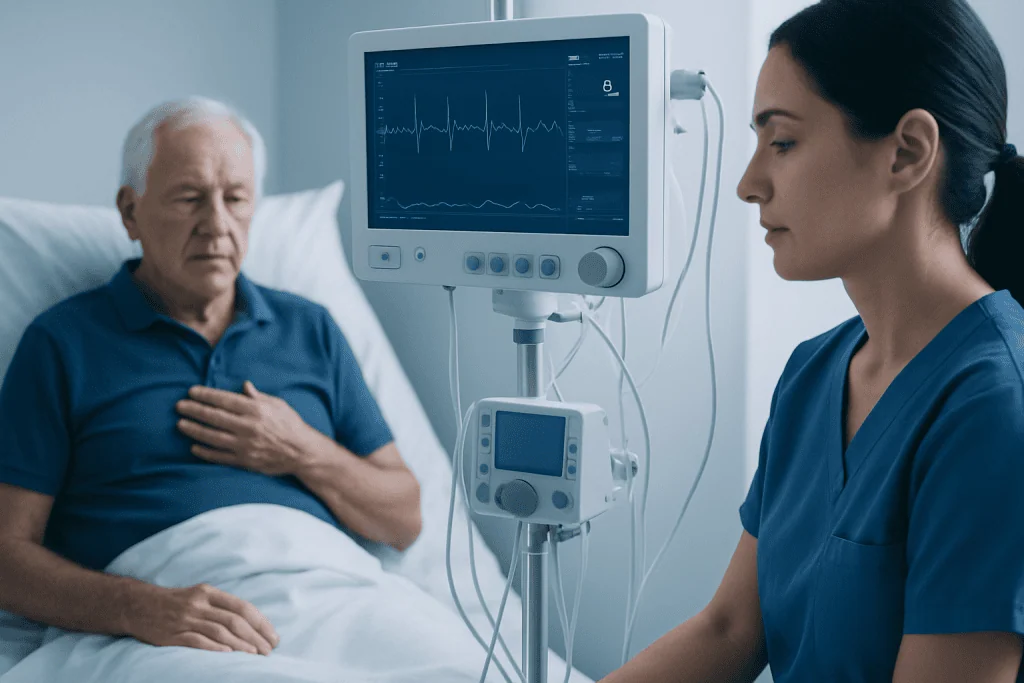
The symptoms of worsening heart failure often reflect fluid buildup or reduced blood flow to the body’s organs and muscles. Some changes are subtle at first, while others are more obvious. Keeping track of daily symptoms can help spot a problem early.
Common warning signs include:
- Shortness of breath that is new or getting worse
- Breathlessness when lying flat or waking up at night gasping for air
- Rapid weight gain over a few days
- Swelling in the feet, ankles, legs, or abdomen
- Unusual tiredness or weakness
- Reduced ability to exercise or perform usual activities
- Persistent cough, especially if it feels wet or congested
- Loss of appetite, nausea, or a feeling of fullness
- Confusion, dizziness, or trouble concentrating
Not everyone has the same pattern of symptoms. Some people mainly notice swelling and weight gain, while others feel chest discomfort, palpitations, or increasing fatigue. A sudden change should always be taken seriously, especially in someone already diagnosed with heart failure.
Common Triggers and Risk Factors
One of the most common reasons heart failure worsens is fluid overload. This can happen after eating too much salt, drinking more fluid than advised, or missing diuretic medicines. Salt causes the body to retain water, which increases the amount of fluid the heart must handle. Even a few days of dietary change can be enough to trigger swelling and shortness of breath in some people.
Infections are another major trigger. A cold, flu, pneumonia, or urinary tract infection can increase the body’s oxygen needs and place extra stress on the heart. Fever, dehydration, and inflammation may all contribute. For older adults, infection may first appear as confusion, weakness, or reduced appetite rather than obvious fever.
Heart-related problems can also lead to sudden worsening. These include uncontrolled high blood pressure, a heart attack, worsening coronary artery disease, or an abnormal heart rhythm such as atrial fibrillation. Fast or irregular rhythms may reduce the heart’s efficiency and lead to symptoms quickly. In some cases, doctors may need tests such as an electrocardiogram or echocardiography to look for a structural or rhythm-related cause.
Other important triggers include:
- Missing medications or stopping them without medical advice
- Kidney problems that affect fluid balance
- Uncontrolled diabetes or thyroid disease
- Anemia
- Excess alcohol or recreational drug use
- Certain medicines, including some anti-inflammatory drugs, steroids, and decongestants
- Sleep apnea or poor sleep quality
- Emotional stress or overexertion in some patients
How Doctors Find the Cause
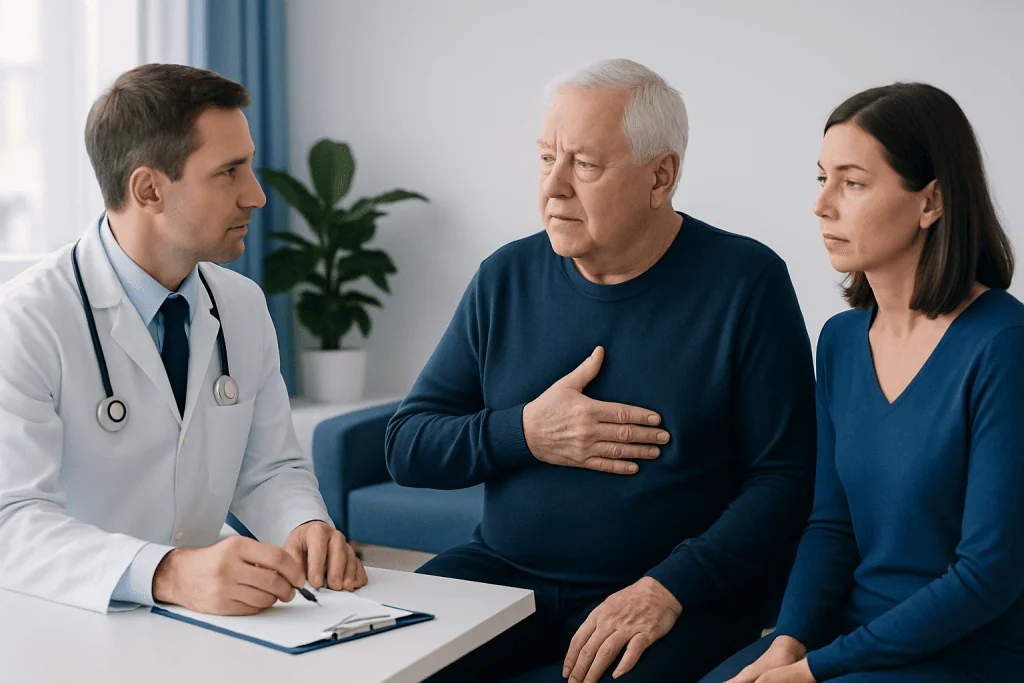
When heart failure symptoms worsen, doctors try to identify both the severity of the flare-up and the reason behind it. The evaluation usually begins with a discussion of recent symptoms, changes in diet, medication use, weight trends, and any recent illness. A physical examination can show signs such as fluid in the lungs, leg swelling, a fast heart rate, or low oxygen levels.
Blood tests may be used to check kidney function, electrolytes, signs of infection, anemia, or strain on the heart. A chest X-ray can show fluid buildup in the lungs or an enlarged heart. If doctors suspect a rhythm problem, ischemia, or another cardiac event, an ECG may be part of the assessment. Imaging such as an echocardiogram can help evaluate pumping function, heart valves, and pressure changes.
Diagnosis also involves reviewing related conditions that can make heart failure harder to manage, such as coronary artery disease or high blood pressure. In some cases, additional tests are needed to look for problems with circulation, valve disease, lung disease, or complications related to the kidneys. The goal is not only to treat the symptoms, but also to correct the trigger whenever possible.
Treatment Options When Heart Failure Gets Worse
Treatment depends on how severe the symptoms are and what is causing them. Mild worsening may sometimes be managed by adjusting medicines, improving salt and fluid control, and closely monitoring symptoms at home. More serious episodes may require urgent medical treatment, oxygen support, intravenous medicines, or hospital care.
Diuretics are commonly used to remove excess fluid and ease congestion. Doctors may also adjust other heart failure medicines that help the heart pump more efficiently, lower blood pressure, or reduce strain on the heart. If an infection is present, it needs prompt treatment. If the trigger is an abnormal heart rhythm, uncontrolled blood pressure, or reduced blood flow to the heart, targeted treatment is often necessary.
Some patients need treatment for underlying heart disease, including evaluation for blocked arteries, valve disease, or advanced heart failure therapies. The treatment plan is individualized and may involve cardiologists, internists, dietitians, rehabilitation specialists, and nurses. Near the end of the care journey, some international patients choose centers such as Acibadem International, where multidisciplinary specialists at JCI-accredited hospitals diagnose and treat complex heart conditions.
Prevention and Self-Care Tips
Preventing heart failure from getting worse often depends on daily habits and a clear care plan. Patients are usually advised to take their medicines exactly as prescribed, attend regular follow-up visits, and avoid making changes without talking to their doctor. A written action plan can help patients know what to do if their weight rises or symptoms increase.
Self-monitoring is especially important. Weighing at the same time each day, checking for swelling, and noticing changes in breathing can help catch fluid buildup early. Many people also benefit from tracking blood pressure and heart rate at home if their doctor recommends it.
Helpful prevention steps include:
- Following a low-salt eating plan
- Staying within the fluid limits recommended by the care team
- Taking medicines consistently
- Getting recommended vaccines, such as influenza and other age-appropriate vaccines
- Managing blood pressure, diabetes, kidney disease, and sleep apnea
- Staying physically active within safe limits
- Avoiding smoking, excess alcohol, and non-prescribed drugs
- Checking with a doctor before using over-the-counter pain relievers or cold medicines
Family support can also make a difference. Loved ones may help with meal planning, transport to appointments, medication reminders, and noticing early symptom changes. Small daily steps often play a major role in preventing hospital visits.
When to See a Doctor
A doctor should be contacted promptly if heart failure symptoms are increasing, even if the changes seem mild. It is wise to ask for medical advice if there is rapid weight gain, more swelling, worsening fatigue, or increasing shortness of breath with usual activity. Early treatment can often prevent a more serious flare-up.
Urgent medical attention is needed for severe breathlessness, chest pain, fainting, confusion, bluish lips, or symptoms that worsen quickly over hours. These may signal a medical emergency such as severe fluid overload, an arrhythmia, or a heart attack. People with heart failure should know in advance which warning signs mean they should call emergency services.
Regular follow-up remains important even when symptoms are stable. Heart failure is usually a long-term condition, and care plans often need adjustment over time. Ongoing communication with a qualified doctor helps keep treatment safe, personalized, and effective.
Frequently asked questions
What is the most common cause of heart failure worsening?
A common cause is fluid buildup, often linked to too much salt, missed diuretic medication, or drinking more fluid than advised. Infections and uncontrolled blood pressure are also frequent triggers.
Can a minor infection make heart failure worse?
Yes. Even a mild infection can place extra strain on the heart because the body needs more oxygen and energy while fighting illness. People with heart failure should monitor symptoms closely when they are sick.
How can someone tell if fluid retention is increasing?
Warning signs include a rapid increase in body weight, swelling of the legs or ankles, a tighter abdomen, and more shortness of breath. Daily weight checks are one of the simplest ways to spot early fluid buildup.
Can missed medications really cause a flare-up?
Yes. Heart failure medicines help control fluid balance, blood pressure, and the heart's workload. Missing doses or stopping medicines without guidance can allow symptoms to return or worsen quickly.
Are there medicines that can aggravate heart failure?
Some medicines can make heart failure harder to manage, including certain anti-inflammatory pain relievers, steroids, and some cold remedies. Patients should ask a doctor or pharmacist before starting new prescription or over-the-counter products.
Is exercise safe for people with heart failure?
In many cases, yes, but the type and intensity should match the person's condition and doctor's advice. Regular, appropriate physical activity can support strength and stamina, while sudden overexertion may worsen symptoms in some patients.
When should someone with heart failure go to the hospital?
Hospital evaluation may be needed for severe shortness of breath, chest pain, fainting, confusion, or symptoms that are worsening rapidly. These symptoms can indicate a serious complication and should not be ignored.
References
- American Heart Association
- Heart Failure Society of America
- European Society of Cardiology
- National Heart, Lung, and Blood Institute
- Centers for Disease Control and Prevention
This article is for general information only and is not a substitute for professional medical advice. Please consult a qualified doctor about your individual situation.
Heart Failure in Turkey — costs, top hospitals & a free quote
JCI-accredited · board-certified surgeons · reply within 24h
Add us as a Preferred Source to see more of our trusted health content across Google Search, AI Overviews and Discover.
Check your numbers in seconds
BMI, calories, due date, blood pressure and 30+ more clinical calculators — free, instant, doctor-reviewed ranges.