What Causes Leg Cramps at Night? Here Is What the Evidence Says

Most nighttime leg cramps are bothersome but not serious and often happen without one single clear cause. Common contributors include muscle overuse, prolonged sitting, dehydration, pregnancy, older age, and some medications.
Key Takeaways
- Most nighttime leg cramps are bothersome but not serious and often happen without one single clear cause.
- Common contributors include muscle overuse, prolonged sitting, dehydration, pregnancy, older age, and some medications.
- A doctor may look for patterns, review medicines, and check for signs of nerve, circulation, kidney, thyroid, or electrolyte problems.
- Medical review is important if cramps are frequent, severe, one-sided, associated with weakness or swelling, or disturb sleep regularly.
- Gentle calf stretching, hydration, sensible activity, and reviewing possible triggers can help reduce episodes.
What causes leg cramps at night? In many people, nighttime leg cramps are harmless brief muscle contractions that happen without a dangerous underlying disease. They can be linked to muscle fatigue, dehydration, pregnancy, certain medicines, or less commonly nerve, kidney, metabolic, or circulation problems.
Overview: what the evidence suggests
When people ask what causes leg cramps at night, the short answer is that most episodes are caused by sudden, involuntary tightening of the calf or foot muscles during rest or sleep, and many cases are ultimately considered harmless. In everyday practice, there is often not one single explanation. Instead, several factors may make the muscles more likely to cramp, especially overnight when the legs are still and the feet may be pointed downward.
Night leg cramps are different from restless legs syndrome, which causes an urge to move the legs, and different from muscle soreness after exercise. A cramp usually comes on suddenly, feels tight or painful, and may last seconds to several minutes. The muscle can remain tender afterward.
Evidence suggests that common contributors include muscle fatigue, prolonged sitting, dehydration, pregnancy, aging, and some medicines. Less often, cramps may be related to an underlying medical problem such as nerve irritation, reduced blood flow, kidney disease, diabetes, or low levels of certain minerals.
Although these cramps can be very uncomfortable, they are often not a sign of serious illness. Still, certain warning signs deserve medical attention, especially if cramps are new, severe, frequent, affect only one leg, or happen along with swelling, weakness, numbness, or changes in skin color.
How night leg cramps feel and how they differ from similar problems
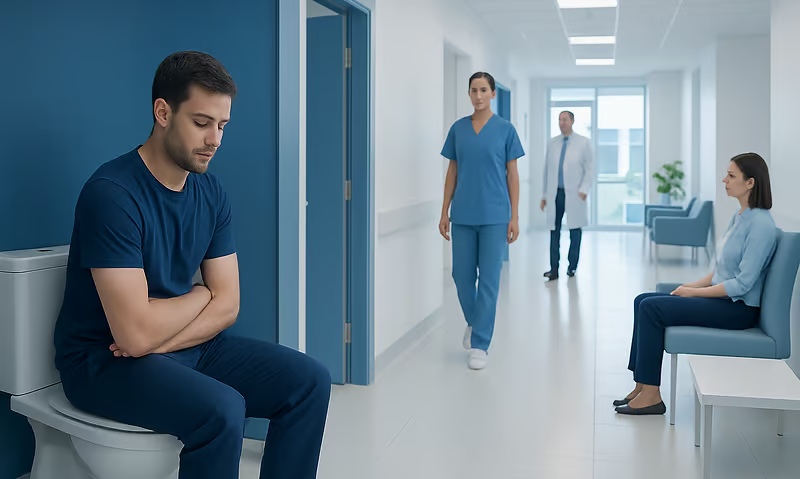
A nighttime leg cramp usually affects the calf, but it can also involve the foot or thigh. The pain may wake a person from sleep, and the muscle may feel hard or visibly tightened. Some people find that standing, stretching, or massaging the area helps the muscle release.
It is helpful to separate true cramps from other nighttime leg symptoms. Restless legs syndrome causes unpleasant sensations and an urge to move, but not usually a painful knotting of the muscle. Circulation-related leg pain often appears with walking and improves with rest rather than happening suddenly during sleep. Nerve pain may burn, tingle, or shoot down the leg rather than causing a brief spasm.
Doctors may also consider whether symptoms could be related to peripheral artery disease or varicose veins when there are additional features such as cold feet, skin color changes, heaviness, or visible enlarged veins. In many cases, however, nighttime cramps occur without these signs and remain a separate muscle problem rather than a vascular disease.
- Common cramp features: sudden onset, tight painful muscle, short duration, tenderness afterward.
- Features less typical of simple cramps: persistent numbness, weakness, swelling, redness, fever, or pain that occurs mainly with walking.
Common causes and contributing factors

The most likely reason for many nighttime cramps is increased excitability of the nerves that trigger muscle contraction. This can happen after muscle fatigue, prolonged standing, unusual exercise, or long periods of sitting. Sleeping with the foot pointed downward may also shorten the calf muscle and make cramping more likely in some people.
Dehydration is often discussed as a cause, and while it may contribute in some people, it is not the explanation for every case. Sweating, hot weather, vomiting, diarrhea, or not drinking enough fluids can make cramps more likely. Low levels of minerals such as magnesium, calcium, or potassium may also play a role, especially if a person has poor nutrition, uses certain medicines, or has a health condition that affects body chemistry.
Pregnancy is a well-known risk factor, particularly in the second and third trimesters. Hormonal changes, altered circulation, weight gain, and shifts in mineral balance may all contribute. Older adults also report night cramps more often, possibly because of changes in muscle function, activity patterns, and the greater chance of taking medications that can trigger cramps.
Some medicines have been associated with leg cramps in certain patients, including some diuretics, statins, asthma medicines, and others. Medicines are not always the cause, but a medication review is an important part of the evaluation. No one should stop a prescribed medicine without discussing it with a qualified doctor first.
Less common medical reasons doctors may consider
If cramps are frequent or unusual, doctors may look beyond simple muscle fatigue. Nerve-related conditions can make muscles more prone to spasm. For example, a pinched nerve in the lower back or a broader nerve disorder such as peripheral neuropathy may be considered if cramps occur with tingling, burning, numbness, or weakness.
Metabolic and endocrine conditions can also contribute. Diabetes, thyroid disorders, kidney disease, and liver disease may affect fluid balance, nerve function, or mineral levels. In these situations, the cramp itself is a symptom rather than the main problem.
Circulation problems are another possibility, though true nighttime cramps are not always caused by poor blood flow. Reduced arterial circulation is more likely if the feet are cold, pulses are weak, skin changes are present, or leg pain appears with exertion. Venous conditions may cause heaviness, aching, or swelling rather than a classic sudden cramp.
In a smaller number of people, no clear cause is found even after careful assessment. This can be frustrating, but it is common and does not automatically mean something serious has been missed. The focus then shifts to symptom relief, reducing triggers, and monitoring for any change over time.
How doctors diagnose the cause
Diagnosis starts with a history rather than a single test. A doctor will usually ask when the cramps began, how often they happen, which muscles are involved, how long they last, and whether they occur after exercise, dehydration, or long periods of sitting. They will also ask about pregnancy, alcohol use, sleep habits, and all prescription and nonprescription medicines.
A physical examination may include checking leg strength, reflexes, sensation, pulses, skin temperature, swelling, and signs of vein disease or nerve irritation. This helps separate a simple cramp pattern from symptoms that might suggest a circulation, spinal, or neuromuscular problem.
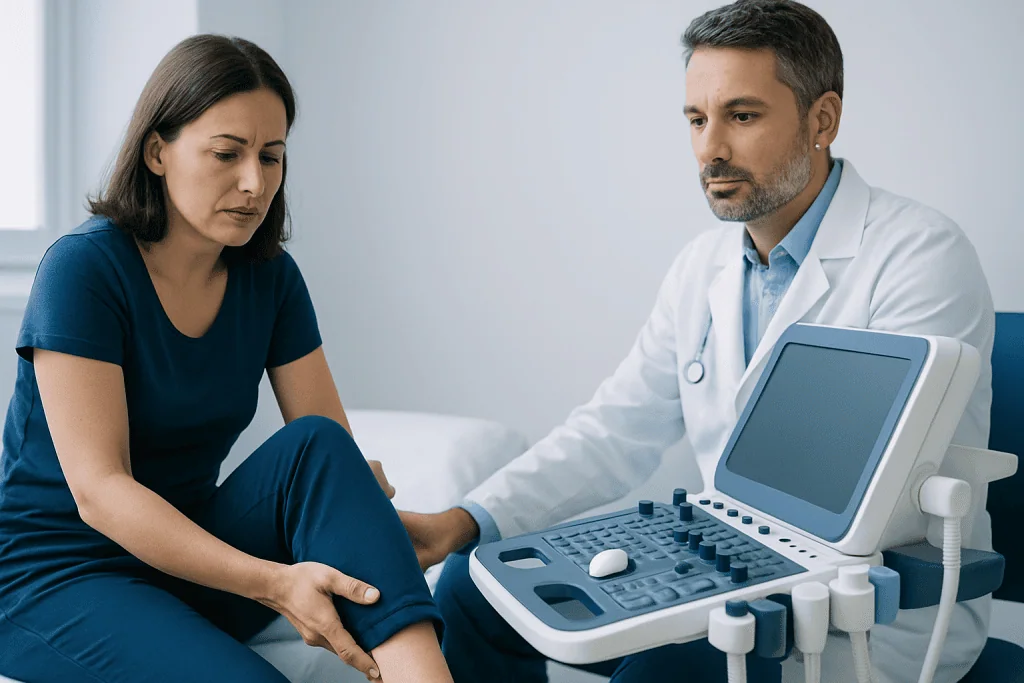
Blood tests are not needed for everyone, but they may be useful when cramps are persistent, severe, or accompanied by other symptoms. Depending on the situation, a doctor may check kidney function, blood sugar, thyroid function, and levels of electrolytes such as calcium or magnesium. If blood flow is a concern, Doppler ultrasound can help assess circulation. If a structural spine issue is suspected, imaging such as MRI scan may be appropriate.
The most important part of diagnosis is matching the pattern of the cramps with the rest of the person’s health picture. Many people do not need extensive testing. Instead, reassurance, practical prevention steps, and follow-up are often enough unless warning signs are present.
Treatment and practical relief options
Treatment depends on the likely cause. For an active cramp, gentle stretching of the affected muscle is usually the first step. For a calf cramp, pulling the toes upward toward the shin can help lengthen the muscle. Walking a few steps, massaging the area, or applying warmth may also bring relief.
Longer-term treatment focuses on reducing triggers. If dehydration may be contributing, improving fluid intake can help. If unusual exercise, prolonged standing, or sitting seems related, adjusting activity patterns and stretching the calf and hamstring muscles regularly may reduce recurrence. For some people, supportive footwear and changing sleep position are useful practical measures.
If a medicine may be involved, the prescribing doctor may review alternatives or timing, but treatment changes should always be supervised. When an underlying condition is identified, treatment is directed at that cause. For example, if circulation problems are found, doctors may recommend further vascular assessment or procedures such as treatment for peripheral vascular disease when appropriate.
Routine use of supplements or medications for every person with night cramps is not supported by strong evidence. Some individuals may benefit from targeted treatment if a deficiency is confirmed, but self-prescribing is not always safe. A qualified clinician can advise whether any blood tests, supplements, or therapies are appropriate.
Prevention and self-care habits that may help
Because many night cramps are intermittent and harmless, prevention often begins with simple daily habits. Gentle calf stretching before bed may help some people, especially if the cramps are frequent. Staying physically active during the day without overexertion can also support better muscle function.
Hydration matters, particularly in hot weather or after exercise. Balanced meals help maintain normal mineral levels, and limiting excess alcohol may be useful in some cases. People who sit for long periods may benefit from regular movement breaks and ankle flexing exercises during the day.
Sleep setup can also play a role. Some people notice fewer cramps if bedcovers are arranged so the feet are not forced downward. Comfortable shoes with good support may help those whose cramps are triggered by standing or walking strain.
- Stretch the calves gently before sleep and after exercise.
- Drink enough fluids through the day unless a doctor has advised fluid restriction.
- Avoid sudden increases in exercise intensity.
- Review medications with a clinician if cramps started after a new prescription.
- Keep a symptom diary to identify patterns and triggers.
When to seek medical care
Most nighttime leg cramps can be managed at home, but medical review is sensible if they happen often, disrupt sleep regularly, or are becoming more painful. A doctor should also assess cramps that affect only one leg repeatedly, especially if they are accompanied by swelling, redness, warmth, or new visible veins.
Urgent assessment is important if leg symptoms occur with weakness, numbness, difficulty walking, fever, severe persistent pain, or a cold pale foot. These features are less typical of a simple cramp and may point to a nerve, muscle, or circulation problem that needs prompt care.
People with diabetes, kidney disease, thyroid disease, pregnancy-related concerns, or known vascular disease may also benefit from earlier review if cramps are new or worsening. If the diagnosis is uncertain, specialists in neurology, internal medicine, rehabilitation, or vascular care may be involved to clarify the cause and guide treatment.
At Acibadem International, multidisciplinary specialists in JCI-accredited hospitals evaluate leg cramp symptoms for international patients and can coordinate further testing or treatment when needed. The goal is to identify whether the cramps are a benign sleep-related problem or part of a broader condition that deserves attention.
Frequently asked questions
Are leg cramps at night usually serious?
Most nighttime leg cramps are not serious and happen without a dangerous underlying illness. They are often related to muscle fatigue, inactivity, sleep position, dehydration, pregnancy, aging, or medications. Still, persistent or unusual symptoms should be checked by a doctor.
What causes leg cramps at night in otherwise healthy adults?
In otherwise healthy adults, the exact cause is often not fully clear. Common contributors include overused or tight muscles, long periods of sitting, not drinking enough fluids, and sleeping with the feet pointed downward. Sometimes there is no single identifiable cause.
Can dehydration really cause night leg cramps?
Dehydration can contribute, especially after sweating, hot weather, vomiting, diarrhea, or heavy exercise. However, it is not the cause in every person with nighttime cramps. If hydration is improved and cramps continue, other triggers may need to be considered.
Which medications can be linked to nighttime leg cramps?
Some people develop cramps while taking certain medicines, including some diuretics, statins, and other prescription drugs. This does not mean the medication is definitely responsible, but it is worth reviewing with a doctor. Medications should not be stopped without medical advice.
How can a person stop a leg cramp quickly at night?
Gentle stretching is usually the most helpful first step. For a calf cramp, straightening the leg and pulling the toes toward the shin may help the muscle relax. Massage, walking briefly, or using warmth can also provide relief.
When should someone see a doctor about leg cramps at night?
Medical advice is important if cramps are frequent, severe, one-sided, or regularly interrupt sleep. A doctor should also be consulted if cramps come with swelling, weakness, numbness, skin color changes, fever, or trouble walking. These features may suggest something other than a simple muscle cramp.
References
- American Academy of Family Physicians
- Merck Manual Professional Edition
- National Institute of Neurological Disorders and Stroke
- National Health Service
- Mayo Clinic
This article is for general information only and is not a substitute for professional medical advice. Please consult a qualified doctor about your individual situation.
Explore treatments in Turkey — costs, top hospitals & a free quote
JCI-accredited · board-certified surgeons · reply within 24h
Add us as a Preferred Source to see more of our trusted health content across Google Search, AI Overviews and Discover.