What Causes Neurodegenerative Disease? Genetics, Age, and Other Risk Factors

There is rarely a single cause; most neurodegenerative diseases result from several interacting factors. Aging is the strongest risk factor for many neurodegenerative conditions, but age alone does not cause them.
Key Takeaways
- There is rarely a single cause; most neurodegenerative diseases result from several interacting factors.
- Aging is the strongest risk factor for many neurodegenerative conditions, but age alone does not cause them.
- Genetic changes can increase risk, and in some families they may directly cause disease.
- Environmental exposures, vascular health, head injury, sleep, and lifestyle may also influence risk.
- Early medical assessment can help clarify symptoms, support diagnosis, and guide treatment and long-term care.
Neurodegenerative diseases develop when nerve cells in the brain or nervous system become damaged and gradually stop working as they should. Their causes are often complex and may involve aging, inherited genetic changes, environmental exposures, and other medical or lifestyle-related risk factors.
Overview
Neurodegenerative diseases are a group of conditions in which nerve cells, called neurons, gradually lose function and may eventually die. Because neurons help control memory, movement, thinking, language, behavior, and many body functions, damage in different parts of the nervous system can lead to different symptoms. Common examples include Alzheimer’s disease, Parkinson’s disease, amyotrophic lateral sclerosis (ALS), Huntington’s disease, and some forms of frontotemporal dementia.
Many people ask what causes neurodegenerative disease, but the answer is usually not simple. In most cases, these disorders do not come from one single trigger. Instead, they tend to develop through a combination of factors, such as aging, inherited genetics, abnormal protein buildup, inflammation, oxidative stress, blood vessel changes, and environmental exposures over time.
Researchers continue to study why some people develop these conditions while others do not. Although not every risk factor can be changed, understanding the known causes and contributors may help people seek medical advice early, support brain health, and make informed decisions about screening, family history, and long-term care planning.
How Neurodegeneration Happens
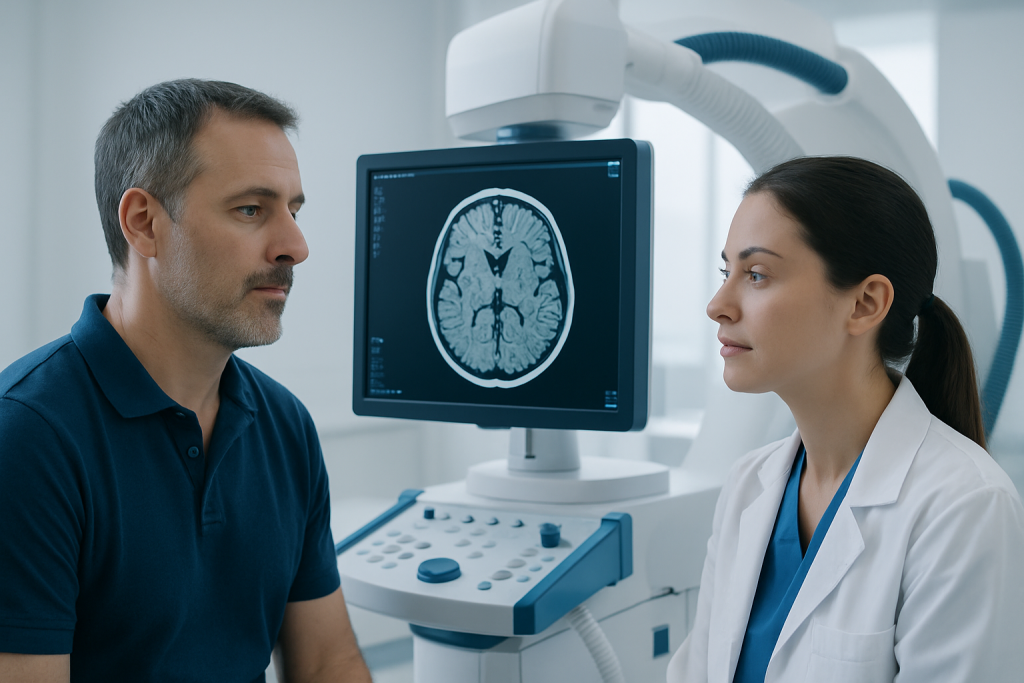
Neurodegeneration means the slow breakdown of neurons and the networks they form. Unlike many other cells in the body, some neurons are not easily replaced. When they are injured by disease processes, the effects can build up gradually and lead to noticeable changes in daily life. These changes may affect memory, speech, movement, balance, mood, swallowing, or coordination depending on the areas involved.
A common feature in several neurodegenerative disorders is the abnormal accumulation of proteins in or around brain cells. Different diseases are linked to different proteins. For example, Alzheimer’s disease is associated with amyloid and tau, while Parkinson’s disease is linked with alpha-synuclein. These proteins may interfere with how neurons communicate, handle waste, produce energy, and protect themselves from stress.
Other biological processes may also contribute. These include inflammation in the nervous system, problems with mitochondria that supply cellular energy, reduced blood flow, and damage from free radicals known as oxidative stress. Over many years, these changes can overwhelm the brain’s repair systems. This is one reason why neurodegenerative disorders often begin subtly and progress slowly.
Genetics and Family History

Genetics can play an important role in neurodegenerative disease causes, but the level of influence varies by condition. In some families, an inherited gene change is strong enough to directly cause disease. Huntington’s disease is a classic example. Some forms of ALS, early-onset Alzheimer’s disease, and frontotemporal dementia may also be linked to specific inherited mutations.
More often, genetics does not determine destiny on its own. A person may inherit gene variants that increase susceptibility without guaranteeing that disease will develop. These variants can affect how brain cells process proteins, manage inflammation, or respond to aging. Family history may therefore raise risk, even when the exact genetic pattern is not clear.
Genetic counseling may be helpful for people with a strong family history, very early symptoms, or relatives with confirmed inherited disorders. A specialist can explain what testing may or may not reveal, discuss emotional and practical implications, and help families make informed choices. In diseases such as Alzheimer’s disease and Parkinson’s disease, genetics is often only one part of a much larger picture.
Age, Environment, and Other Risk Factors
Aging is the strongest known risk factor for many neurodegenerative disorders. As people grow older, cells naturally become less efficient at repairing damage, clearing abnormal proteins, and maintaining healthy connections. Blood vessels may also change with age, and the brain may become more vulnerable to inflammation and metabolic stress. Even so, aging itself is not a disease, and many older adults never develop a neurodegenerative condition.
Environmental and occupational exposures may also contribute in some people. Researchers have studied links between neurodegenerative disease and long-term exposure to certain pesticides, air pollution, solvents, heavy metals, and repeated contact with toxic substances. The strength of these associations varies, and exposure alone does not mean a person will become ill, but it may add to risk when combined with genetic susceptibility or aging.
Other important contributors include repeated head trauma, poor vascular health, diabetes, high blood pressure, smoking, physical inactivity, chronic poor sleep, hearing loss, and social isolation. These factors may not directly cause all neurodegenerative diseases, but they can affect brain resilience and overall neurological health. For some people, reducing these risks may support healthier aging and may lower the chance of cognitive decline.
- Advanced age
- Family history of certain neurological disorders
- Inherited gene mutations or risk variants
- Exposure to toxins or pollutants
- Repeated concussion or head injury
- High blood pressure, diabetes, or other vascular risks
- Smoking, inactivity, and poor sleep habits
Common Symptoms and Warning Signs
The symptoms of neurodegenerative disease depend on which parts of the nervous system are affected. Some conditions mainly affect memory and thinking, while others begin with movement changes, muscle weakness, or balance problems. Early signs can be easy to overlook because they may develop gradually and may be mistaken for stress, normal aging, or another health issue.
Cognitive symptoms can include memory loss, difficulty finding words, trouble planning tasks, poor judgment, confusion, or changes in personality and behavior. Movement-related symptoms may include tremor, stiffness, slowed movement, poor coordination, falls, or difficulty walking. In some disorders, speech, swallowing, or breathing muscles may also become affected over time.
Symptoms that progress, interfere with work or daily life, or are noticed by family members deserve medical attention. Evaluation is especially important if there is a strong family history, symptoms started at a younger age than expected, or changes are appearing in more than one area, such as memory and movement together. Conditions such as amyotrophic lateral sclerosis may present differently from memory-related disorders, so an accurate assessment matters.
How Doctors Diagnose the Cause
There is no single test that explains all neurodegenerative disease causes. Diagnosis usually begins with a detailed medical history, review of symptoms, family history, medication assessment, and neurological examination. Doctors may ask when symptoms began, how quickly they are changing, and whether they affect memory, movement, mood, sleep, or daily activities.
Additional tests may help identify the condition and rule out other causes. These can include blood tests, cognitive screening, neuropsychological testing, and imaging such as magnetic resonance imaging. In selected cases, specialists may recommend advanced investigations to look for biomarkers, evaluate nerve and muscle function, or assess sleep and autonomic symptoms. When inherited disease is suspected, genetic testing may be discussed.
Because diagnosis can be complex, people may benefit from care by a multidisciplinary neurology team. Depending on the symptoms, the assessment may involve specialists in neurology, brain MRI, rehabilitation, speech and swallowing, or movement disorders. In some situations, doctors may also evaluate whether changes are related to another condition, such as stroke, vitamin deficiency, thyroid disease, depression, or infection.
Treatment Options and Ongoing Care
At present, treatment for neurodegenerative disorders usually focuses on managing symptoms, maintaining function, and improving quality of life. Some conditions have medicines that may help certain symptoms or modestly slow progression in selected patients. Treatment plans are individualized and often combine medication, physical therapy, speech therapy, occupational therapy, nutritional support, and counseling for patients and caregivers.
Supportive care is a very important part of treatment. Balance training may help reduce falls, speech and language therapy may help with communication, and swallowing evaluation can support safer eating and drinking. Cognitive rehabilitation, home safety measures, sleep assessment, and mood care can also make a meaningful difference. Early planning often helps patients stay independent longer and feel more prepared for future needs.
In some cases, advanced therapies may be considered depending on the diagnosis and symptoms. For selected movement disorders, doctors may discuss options such as deep brain stimulation. When diagnosis or treatment is complex, centers with multidisciplinary specialists can coordinate care. Acibadem International’s multidisciplinary specialists and JCI-accredited hospitals diagnose and treat neurodegenerative conditions for international patients.
Prevention, Self-care, and When to See a Doctor
Not all neurodegenerative diseases can be prevented, especially when strong genetic causes are involved. However, steps that support brain and vascular health may be helpful. These include regular physical activity, a balanced diet, good blood pressure and diabetes control, adequate sleep, avoiding tobacco, limiting harmful exposures when possible, and staying mentally and socially engaged. Protecting the head during sports and reducing fall risk are also important.
People should not ignore persistent changes in memory, movement, balance, speech, swallowing, or behavior. A medical evaluation is especially important if symptoms are getting worse, affecting safety, or interfering with work, driving, finances, or self-care. Sudden or rapidly changing symptoms should be assessed promptly, since they may reflect another neurological problem that needs urgent treatment rather than a slowly progressive disorder.
Family members often notice changes before the patient does, so their observations can be valuable. Anyone concerned about inherited risk, early symptoms, or a loved one’s decline should speak with a qualified doctor. Early diagnosis cannot cure every condition, but it can open the door to treatment, symptom relief, rehabilitation, genetic counseling when appropriate, and practical support for the future.
Frequently asked questions
What is the main cause of neurodegenerative disease?
There is usually no single main cause. Most neurodegenerative diseases develop through a combination of aging, genetic factors, abnormal protein changes, environmental exposures, and other health-related influences. The exact balance of these factors differs from one condition to another.
Can neurodegenerative diseases be inherited?
Yes, some neurodegenerative diseases can be inherited, especially in families with known gene mutations. However, many people with these conditions do not have a clear inherited pattern. A family history may increase risk without guaranteeing that disease will occur.
Does aging always lead to neurodegenerative disease?
No. Aging is the strongest risk factor for many neurodegenerative disorders, but most older adults do not develop them. Age increases vulnerability, yet other factors usually influence whether disease actually appears.
Can lifestyle affect the risk of neurodegenerative disease?
Lifestyle may influence overall brain health and can affect some risk pathways, especially those related to blood vessels, inflammation, sleep, and physical fitness. Regular exercise, good sleep, not smoking, and managing blood pressure and diabetes may support healthier brain aging. These measures cannot prevent every disease, but they are still worthwhile.
What are the early warning signs to watch for?
Early warning signs may include memory problems, confusion, tremor, slowed movement, balance difficulty, personality changes, speech problems, or muscle weakness. These symptoms often develop gradually, so they can be easy to miss at first. Any persistent or worsening change should be discussed with a doctor.
How do doctors find out which neurodegenerative disease a person has?
Doctors usually combine a neurological examination with a detailed history, blood tests, imaging, and sometimes cognitive or genetic testing. The goal is to identify the most likely diagnosis and rule out other treatable conditions that can mimic neurodegeneration. In some cases, evaluation by a specialist team is the best approach.
References
- World Health Organization
- National Institute on Aging
- National Institute of Neurological Disorders and Stroke
- Alzheimer's Association
- Parkinson's Foundation
This article is for general information only and is not a substitute for professional medical advice. Please consult a qualified doctor about your individual situation.
Explore treatments in Turkey — costs, top hospitals & a free quote
JCI-accredited · board-certified surgeons · reply within 24h
Add us as a Preferred Source to see more of our trusted health content across Google Search, AI Overviews and Discover.