What Does a Cavity Look Like? Signs to Know
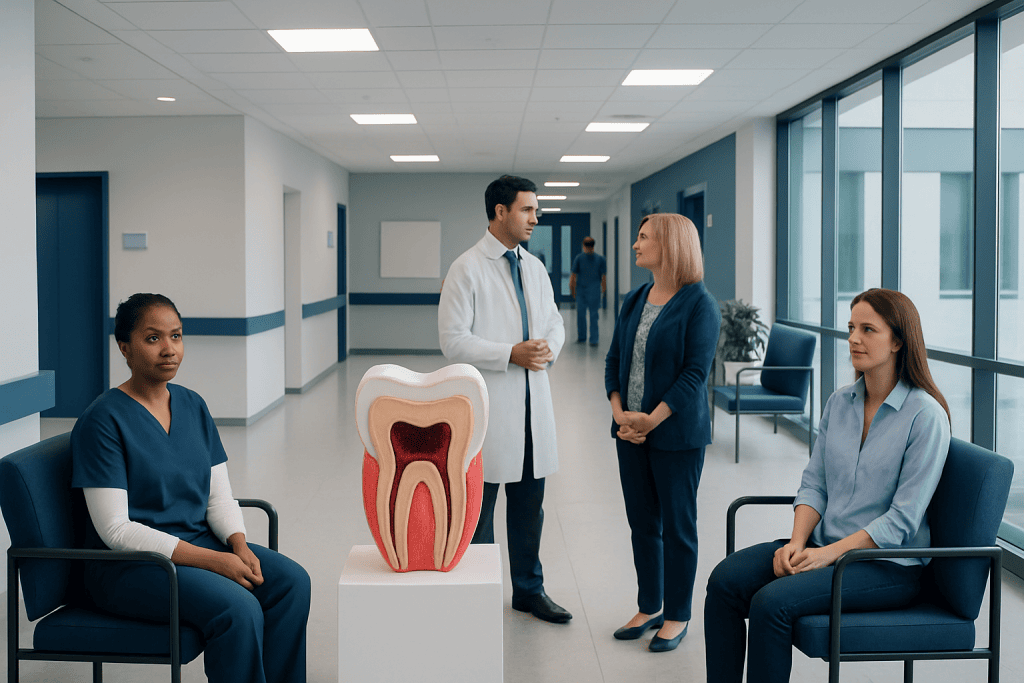
A cavity can range from a faint white spot to a visible hole or dark area in a tooth. Not every dark tooth mark is a cavity; stains, natural grooves, and old restorations can look similar.
Key Takeaways
- A cavity can range from a faint white spot to a visible hole or dark area in a tooth.
- Not every dark tooth mark is a cavity; stains, natural grooves, and old restorations can look similar.
- Tooth sensitivity, pain, food trapping, and rough edges may signal decay even when no hole is visible.
- Early tooth decay may be reversible with fluoride and improved oral hygiene, while established cavities need dental treatment.
- Regular dental checkups and X-rays can find decay between teeth or beneath the surface before it becomes painful.
A cavity is an area of permanent tooth damage caused by decay. It may look like a white, brown, or black spot, a pit or hole, or a darkened groove, although early cavities are often not visible without a dental examination.
Overview: What Does a Cavity Look Like?
A cavity, also called dental caries or tooth decay, is a damaged area in the hard outer layer of a tooth. It develops when acids made by oral bacteria gradually dissolve tooth minerals. As decay progresses, the weakened area can become a small opening or hole.
The appearance of a cavity varies with its stage and location. It may begin as a chalky white patch, then become yellow, brown, or black. More advanced decay may look like a dark pit, a hole, a chipped-looking area, or a section of tooth that appears worn away.
It is important to know that a cavity is not always easy to see. Decay can develop between teeth, under the chewing surface, around an existing filling, or near the gumline. A dentist may identify these areas with an examination, dental instruments, and X-rays before there is a visible hole.
Common Visual Signs of a Cavity

Early decay often starts as a dull, chalky white spot. This can indicate that enamel is losing minerals. At this point, the tooth surface may still be intact, and the change can be subtle enough that it is only noticed during a professional dental visit.
As the cavity advances, a person may notice a brown, dark brown, or black mark. On chewing surfaces, it may appear in the grooves of a molar as a dark line or pinpoint. A cavity can also look like a small pit that catches food or feels rough when the tongue passes over it.
With deeper decay, the tooth may have a more obvious hole, broken edge, or darkened area. The damaged area can sometimes appear soft or feel sticky to a dentist during an examination. A large cavity may undermine the tooth structure and lead to cracking or loss of part of the tooth.
- White, chalky patches on enamel
- Brown, gray, or black spots that do not brush away
- A visible pit, hole, or rough indentation
- Dark grooves on molars that seem wider or deeper than usual
- Food repeatedly becoming trapped in the same place
Symptoms That May Accompany Tooth Decay

Some cavities cause no symptoms, particularly when they are small or located between teeth. This is one reason routine dental checkups are valuable. By the time a cavity causes discomfort, it may have reached a deeper layer of the tooth.
Tooth sensitivity is a common symptom. A person may feel a brief sharp sensation or ache when eating sweets or drinking something cold, hot, or acidic. Sensitivity does not always mean there is a cavity, since gum recession, enamel wear, cracks, and other dental concerns can also cause it.
More advanced decay can cause persistent toothache, pain when biting, bad breath, an unpleasant taste, or swelling of the gum near the tooth. Severe or worsening pain can indicate that the inner pulp of the tooth has become irritated or infected and should be assessed promptly by a dentist.
A dark spot alone does not confirm decay. Coffee, tea, tobacco, certain foods, natural tooth grooves, and developmental enamel changes can all cause discoloration. A dental professional can distinguish staining from a cavity and recommend appropriate care.
Why Cavities Form and Who Is at Risk
Cavities form through a process involving dental plaque, dietary sugars and starches, and time. Plaque is a sticky film of bacteria that develops on teeth. When bacteria use sugars and carbohydrates from food and drinks, they produce acids that can remove minerals from enamel.
Frequent snacking or sipping sweetened drinks can expose teeth to acid repeatedly throughout the day. Foods such as sweets, biscuits, dried fruit, and crisps may contribute when they remain on teeth. Acidic beverages can also weaken enamel, especially when consumed often.
Other factors can raise cavity risk. These include inconsistent brushing with fluoride toothpaste, not cleaning between teeth, low fluoride exposure, dry mouth, gum recession, deep tooth grooves, orthodontic appliances, and previous history of tooth decay. Some medicines and health conditions can reduce saliva flow, which normally helps protect teeth.
Children, teenagers, adults, and older people can all develop cavities. Decay near the gumline and around older fillings can be more common later in life. Individual risk differs, so dentists may recommend prevention plans based on oral health history and examination findings.
How Dentists Diagnose a Cavity
A dentist diagnoses a cavity by asking about symptoms, examining the teeth and gums, and looking for changes in enamel. They may dry the tooth to make early white spots easier to see and use gentle dental instruments to assess the surface. Probing forcefully into suspected decay is generally avoided because it can damage weakened enamel.
Dental X-rays are particularly helpful for finding cavities between teeth, beneath contact points, or under existing restorations. These areas may not be visible in a mirror. X-rays also help the dentist estimate how far decay has progressed into the tooth.
Not all suspicious marks need immediate drilling. If decay is limited to an early enamel change and the surface is unbroken, a dentist may recommend fluoride, improved plaque control, dietary changes, and monitoring. Once there is a true hole or structural breakdown, the damage does not rebuild on its own and usually needs restorative treatment.
People should avoid trying to diagnose a cavity by scraping or picking at a spot. This can irritate the gums, damage enamel, or dislodge a restoration. A dental visit offers the most reliable way to identify the cause of a change in tooth appearance.
Treatment Options for Cavities
Treatment depends on the stage and depth of tooth decay. Very early enamel demineralization may be managed without a filling. A dentist may recommend fluoride treatments, daily fluoride toothpaste, careful cleaning, and changes that reduce frequent sugar exposure. These steps can support remineralization when the enamel surface remains intact.
When decay has created a cavity, the usual treatment is to remove the decayed tooth material and restore the shape and function of the tooth with a filling. Filling materials vary, and the dentist can explain which option is suitable based on the tooth, the size of the cavity, and individual needs.
If decay is extensive, a tooth may require a crown to protect the remaining structure. When bacteria reach the tooth pulp, root canal treatment may be needed to treat the inside of the tooth before it is restored. In some cases where a tooth cannot be saved, extraction may be considered.
Prompt care usually allows for simpler treatment. Delaying assessment can let decay progress, potentially causing more pain and requiring more complex care. The appropriate approach should always be decided after a dental examination.
Prevention and Everyday Self-Care
Consistent oral hygiene is one of the most effective ways to prevent cavities. Teeth should be brushed twice daily using fluoride toothpaste, with attention to the gumline and chewing surfaces. Cleaning between teeth once daily with floss or suitable interdental brushes helps remove plaque from areas a toothbrush cannot reach.
Reducing how often sugary foods and drinks are consumed can be more helpful than focusing only on the total amount. Choosing water between meals, limiting frequent sweet snacks, and avoiding repeated sipping of sugary or acidic drinks can reduce acid attacks on enamel. Drinking water can also help rinse the mouth and support saliva production.
Regular dental examinations allow early decay and other concerns to be identified before they become more serious. Depending on cavity risk, a dentist may suggest professional fluoride applications, dental sealants for deep grooves, or more frequent checkups.
For international patients who need evaluation or treatment, Acibadem International’s multidisciplinary specialists and JCI-accredited hospitals provide dental assessment and care plans tailored to individual needs.
When to See a Dentist
A dental appointment is appropriate for any new dark spot, visible hole, rough area, persistent food trapping, or tooth sensitivity. Even if there is no pain, an examination can clarify whether the change is staining, early enamel damage, a cavity, or another dental concern.
More urgent dental assessment is needed for severe or persistent toothache, facial or gum swelling, fever, pus or a bad taste from around a tooth, or difficulty opening the mouth. These symptoms can be associated with a dental infection and should not be managed by waiting for them to improve.
In the meantime, people can continue gentle brushing with fluoride toothpaste and avoid chewing on the painful side. Over-the-counter pain relief may be appropriate for some people when used according to the product label and their clinician’s advice, but it does not treat the underlying cause.
A cavity cannot be reliably judged from appearance alone. Seeing a qualified dentist remains the best way to protect the tooth and receive advice that matches the person’s symptoms and oral health needs.
Frequently asked questions
Can a cavity look like a black spot?
Yes. A cavity can appear as a brown, dark brown, gray, or black spot, particularly in the grooves of back teeth. However, dark marks can also be caused by staining or normal tooth anatomy, so a dentist should assess any persistent new spot.
Can a cavity be white?
Yes. Early tooth decay may appear as a chalky or opaque white spot, often before a hole forms. This can reflect early mineral loss from enamel and may sometimes be managed with preventive care if the surface has not broken down.
Can a cavity be invisible?
Yes. Cavities can develop between teeth, below the contact points, under old fillings, or in areas that are difficult to see. Dental X-rays and a professional examination can detect many cavities that cannot be seen in a mirror.
How can someone tell if a dark spot is a cavity or a stain?
It is not always possible to tell at home. Stains may remain on the surface without damaging the tooth, while a cavity involves enamel breakdown; a dentist may use examination and X-rays to distinguish them. A spot that is rough, worsening, painful, or traps food should be checked.
Do cavities always hurt?
No. Many early cavities do not cause pain or sensitivity. Symptoms often begin after decay reaches deeper layers of the tooth, which is why regular dental visits are important even when teeth feel normal.
Can brushing remove a cavity?
Brushing cannot remove an established cavity or close a hole in a tooth. Brushing with fluoride toothpaste can help prevent new decay and may help reverse very early enamel mineral loss before a cavity has formed. A visible hole generally requires dental treatment.
References
- American Dental Association
- National Institute of Dental and Craniofacial Research
- Centers for Disease Control and Prevention
- World Health Organization
- NHS
This article is for general information only and is not a substitute for professional medical advice. Please consult a qualified doctor about your individual situation.
Explore treatments in Turkey — costs, top hospitals & a free quote
JCI-accredited · board-certified surgeons · reply within 24h
Add us as a Preferred Source to see more of our trusted health content across Google Search, AI Overviews and Discover.

Dental & Oral Health
Full-scope dental care from implants and aesthetics to oral and maxillofacial surgery.
151 specialists in this unitRelated Treatments
More from the Health Library



Related Specialists

Assoc. Prof. Dr. Ferit Bayram
Oral & Dental Health
Assoc. Prof. Dr. Yeliz Çavuşoğlu Yüce
Oral & Dental Health
Assoc. Prof. Dr. Mutlu Keskin
Oral & Dental Health
Prof. Dr. Ülkü Noyan
Oral & Dental Health