What Does a Geriatric Neurologist Do for Memory Disorders and Dementia?

A geriatric neurologist assesses memory loss, thinking changes, behavior changes, and other neurological symptoms in older adults. Not all memory problems are dementia; some causes may be reversible or manageable.
Key Takeaways
- A geriatric neurologist assesses memory loss, thinking changes, behavior changes, and other neurological symptoms in older adults.
- Not all memory problems are dementia; some causes may be reversible or manageable.
- Evaluation often includes medical history, cognitive testing, neurological examination, lab work, and brain imaging.
- Treatment may involve medication review, symptom management, safety planning, rehabilitation, and family support.
- Early evaluation can help with diagnosis, future planning, and maintaining quality of life.
A geriatric neurologist is a doctor who focuses on brain and nervous system conditions in older adults, including memory disorders and dementia. They help identify the cause of cognitive changes, rule out treatable problems, and create a care plan that supports both the patient and family.
Overview: the role of a geriatric neurologist
A geriatric neurologist is a physician with expertise in neurological conditions that affect older adults. One of their most important roles is evaluating memory disorders, confusion, and changes in thinking, language, behavior, or daily functioning. These symptoms can happen for many reasons, and a specialist helps clarify whether they are related to normal aging, mild cognitive impairment, dementia, stroke, Parkinsonian conditions, medication effects, sleep problems, or another medical issue.
Memory disorders and dementia are not single diseases. Dementia is a broad term for a decline in memory and other thinking abilities severe enough to affect everyday life. A geriatric neurologist works to identify the underlying cause, such as Alzheimer's disease, vascular dementia, Lewy body dementia, frontotemporal dementia, or another neurological condition. This matters because treatment, safety concerns, and long-term planning can differ from one condition to another.
In addition to making a diagnosis, the specialist looks at the whole person. Older adults may have multiple medical conditions, use several medications, or face challenges with hearing, vision, mobility, sleep, mood, and nutrition. All of these can affect memory and function. A geriatric neurologist often coordinates with primary care doctors, geriatricians, psychiatrists, therapists, and family caregivers to build a practical care plan.
What symptoms lead to an evaluation
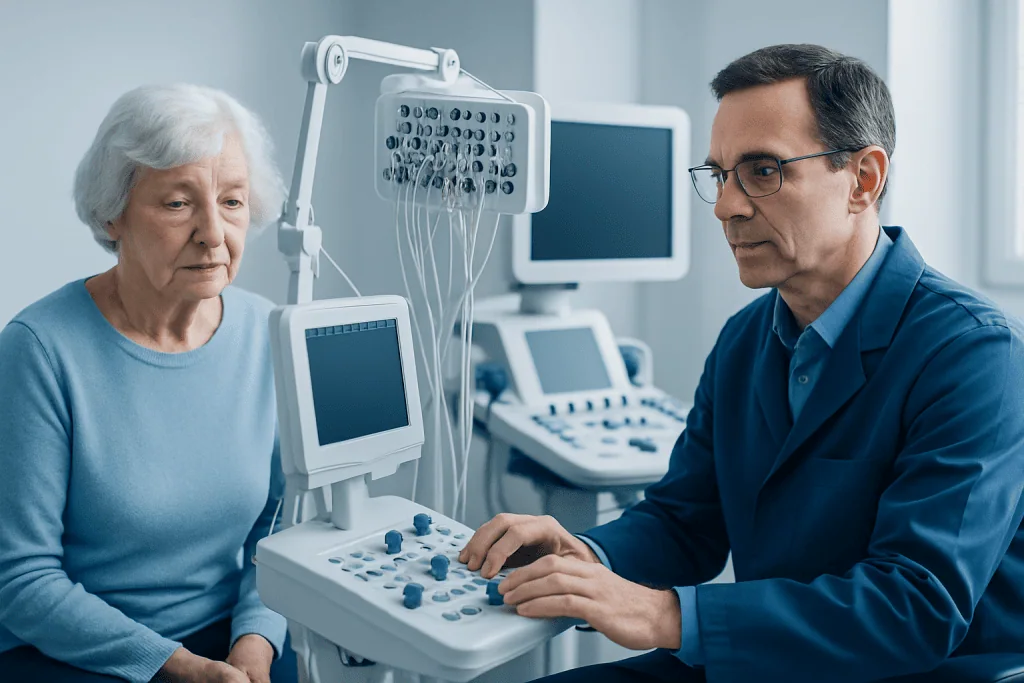
People are often referred to a geriatric neurologist when memory lapses become more frequent, more noticeable, or begin to interfere with daily tasks. Common concerns include repeating questions, misplacing items, forgetting appointments, getting lost in familiar places, difficulty following conversations, trouble managing medications or finances, and needing more help with household tasks.
The evaluation is not limited to memory alone. Families may notice changes in judgment, planning, attention, problem-solving, personality, mood, or sleep. Some people become withdrawn or apathetic, while others may be unusually suspicious, agitated, or impulsive. Language problems, such as trouble finding words or understanding speech, can also be an early clue.
Movement and neurological symptoms may offer important information. Tremor, stiffness, slower walking, falls, changes in handwriting, poor balance, or visual hallucinations can point toward certain types of dementia or other neurological disorders. Episodes of sudden confusion may suggest delirium, infection, medication effects, or metabolic problems rather than progressive dementia.
Because symptoms can develop gradually, family members often provide helpful details that the patient may not notice. A careful timeline of when changes started, how they progressed, and what daily activities are affected is an important part of the specialist assessment.
Causes of memory disorders and dementia

Many people worry that any forgetfulness means dementia, but that is not always the case. Mild forgetfulness can occur with normal aging, stress, poor sleep, or distraction. More significant cognitive decline may result from mild cognitive impairment, which does not always progress to dementia. A geriatric neurologist helps separate these possibilities through a structured assessment.
Neurodegenerative diseases are a major cause of dementia in older adults. These include Alzheimer’s disease, Lewy body dementia, frontotemporal dementia, and Parkinson’s disease dementia. Blood vessel disease in the brain can also cause cognitive decline, either through a major stroke or smaller silent strokes over time. In some people, more than one cause is present.
Importantly, some causes of memory problems may be treatable or partially reversible. These include medication side effects, depression, thyroid disorders, vitamin deficiencies, sleep apnea, dehydration, infection, alcohol misuse, and hearing or vision impairment. Structural brain problems, such as <a href="https://acibademinternational.com/diseases/normal-pressure-hydrocephalus/”>normal pressure hydrocephalus or a brain tumor, are less common but may also need to be ruled out with testing or imaging.
Risk increases with age, but age alone does not define the diagnosis. Family history, vascular risk factors such as high blood pressure and diabetes, prior strokes, smoking, poor sleep, physical inactivity, and social isolation may also play a role. Identifying these factors can help guide both treatment and prevention strategies.
How diagnosis is made
A geriatric neurologist begins with a detailed medical history and a neurological examination. The doctor asks about symptoms, medications, mood, sleep, daily functioning, and past medical conditions. They also assess gait, balance, reflexes, eye movements, strength, sensation, and speech because physical findings can provide clues about the type of neurological disorder involved.
Cognitive testing is another key step. This may include short screening tools and, when needed, more detailed neuropsychological assessment to measure memory, attention, language, executive function, and visuospatial skills. The pattern of strengths and weaknesses can help distinguish among causes of cognitive decline and establish a baseline for future comparison.
Laboratory tests are often used to look for contributing medical problems, such as vitamin deficiency, thyroid disease, infection, or metabolic imbalance. Brain imaging, commonly with MRI, may be recommended to look for stroke, brain shrinkage patterns, bleeding, hydrocephalus, or other structural changes. In selected cases, additional testing such as CT scan imaging, sleep evaluation, or more specialized neurological studies may be appropriate.
The goal of diagnosis is not simply to name a disease. It is to understand what is causing the symptoms, what stage the condition may be in, what risks need attention now, and what support the patient and family may need next. A clear diagnosis can also help with practical decisions about driving, medication management, legal planning, and home safety.
Treatment options and ongoing care
Treatment depends on the cause of the memory disorder. If a reversible problem is identified, such as medication side effects, depression, vitamin deficiency, or thyroid disease, addressing that issue may improve symptoms. When dementia is diagnosed, treatment usually focuses on slowing symptom progression where possible, managing behavioral or sleep-related symptoms, supporting function, and maintaining quality of life.
Some patients may benefit from medications used for specific types of dementia, while others may need treatment aimed at related problems such as anxiety, depression, poor sleep, tremor, or agitation. A geriatric neurologist carefully reviews the medication list because older adults are more sensitive to side effects, and some drugs can worsen confusion or increase fall risk. In certain situations, advanced evaluation by a neurology team helps tailor care more precisely.
Non-drug approaches are also central. These may include structured routines, physical activity, cognitive stimulation, hearing support, better lighting, sleep hygiene, hydration, and nutritional guidance. Occupational therapy can help with daily activities and home safety, while speech therapy may assist communication or swallowing problems in selected cases. Caregiver education is especially important because practical strategies often make a meaningful difference at home.
For many families, follow-up care is as important as the first diagnosis. Cognitive symptoms can change over time, and regular review helps adjust the care plan, monitor safety, and address new concerns. Near the end of the care journey, some patients may also need palliative or supportive services focused on comfort and dignity.
Prevention, self-care, and daily support
Not all dementia can be prevented, but healthy habits may support brain health and reduce risk in some people. Managing blood pressure, diabetes, and cholesterol, staying physically active, sleeping well, avoiding tobacco, limiting alcohol, and treating hearing loss are sensible steps. Social engagement, mentally stimulating activities, and regular medical care are also encouraged.
For someone already experiencing memory changes, daily support can improve independence and reduce stress. Helpful tools include calendars, reminder notes, pill organizers, simple routines, and clearly labeled storage areas. Family members may need to take a more active role in finances, transportation, meal planning, or medication supervision as symptoms progress.
Safety deserves ongoing attention. The home may need changes such as better lighting, removal of trip hazards, secure storage for medications, and support in the bathroom or on stairs. Driving should be discussed honestly if there are concerns about reaction time, orientation, or judgment. Wandering, falls, and missed medications are common reasons families seek extra support.
Caregivers also need care. Looking after a person with dementia can be emotionally and physically demanding. Respite support, community resources, support groups, and regular communication with the healthcare team can help caregivers stay well while providing effective care.
When to see a doctor
A medical evaluation is recommended when memory loss or confusion begins to affect daily life, when symptoms are getting worse, or when family members notice meaningful changes in behavior or judgment. Early assessment can identify treatable causes, provide a diagnosis sooner, and give families more time to plan. It can also reduce uncertainty and help patients remain as independent as possible for as long as possible.
Urgent medical attention is needed if confusion starts suddenly or comes with fever, severe headache, weakness, facial drooping, speech difficulty, new hallucinations, falls, or a major change in alertness. These symptoms may point to delirium, stroke, infection, medication reactions, or another emergency rather than a slowly progressive memory disorder.
It is also reasonable to seek specialist care when the diagnosis is unclear, symptoms are unusual, or treatment is not working as expected. In complex cases, multidisciplinary assessment can be valuable. Acibadem International’s multidisciplinary specialists in JCI-accredited hospitals diagnose and treat memory disorders and dementia for international patients, with care plans shaped around the individual’s neurological and general health needs.
Frequently asked questions
What is the difference between a geriatric neurologist and a general neurologist?
A general neurologist treats brain and nervous system disorders across age groups, while a geriatric neurologist focuses on neurological problems in older adults. This includes the added challenges of aging, multiple medical conditions, medication interactions, mobility issues, and dementia care planning.
Does memory loss always mean dementia?
No. Memory problems can be related to stress, depression, poor sleep, medications, vitamin deficiencies, thyroid problems, or other medical issues. A specialist evaluation helps determine whether the changes are part of normal aging, mild cognitive impairment, dementia, or another treatable condition.
What happens during the first appointment?
The doctor usually reviews symptoms, medical history, medications, daily functioning, mood, and sleep, and performs a neurological examination. Cognitive testing may be done during the visit, and blood tests or brain imaging may be recommended depending on the findings.
Can dementia be cured?
Most common forms of dementia are not currently curable, but treatment may help manage symptoms and support daily function. Some causes of memory problems are reversible, which is one reason a careful evaluation is important.
Why is early diagnosis important?
Early diagnosis can identify treatable causes, allow earlier symptom management, and help patients and families plan ahead. It also supports decisions about safety, driving, work, finances, and future care preferences.
How can family members help during the evaluation?
Family members can provide details about when symptoms began, what changes they have noticed, and how daily life has been affected. This information is often very useful, especially if the patient is not fully aware of the changes.
References
- World Health Organization
- National Institute on Aging
- Alzheimer's Association
- American Academy of Neurology
- Centers for Disease Control and Prevention
This article is for general information only and is not a substitute for professional medical advice. Please consult a qualified doctor about your individual situation.
Dementia in Turkey — costs, top hospitals & a free quote
JCI-accredited · board-certified surgeons · reply within 24h
Add us as a Preferred Source to see more of our trusted health content across Google Search, AI Overviews and Discover.
Check your numbers in seconds
BMI, calories, due date, blood pressure and 30+ more clinical calculators — free, instant, doctor-reviewed ranges.

Neurology
Diagnosis and treatment of disorders of the brain, spinal cord, nerves and muscles.
51 specialists in this unit