What Does Constipation Feel Like? A Doctor-Reviewed Answer

Constipation commonly feels like difficult, infrequent, or incomplete bowel movements rather than one single symptom. People may notice hard stools, abdominal pressure, bloating, cramping, and the need to strain.
Key Takeaways
- Constipation commonly feels like difficult, infrequent, or incomplete bowel movements rather than one single symptom.
- People may notice hard stools, abdominal pressure, bloating, cramping, and the need to strain.
- Short-term constipation is often related to diet, dehydration, travel, stress, or reduced activity.
- Medical care is important if constipation is severe, persistent, or comes with bleeding, vomiting, fever, weight loss, or strong abdominal pain.
- Doctors assess constipation by asking about bowel habits, medicines, diet, hydration, and any red-flag symptoms.
Constipation often feels like fewer bowel movements than usual, hard or dry stools, straining, bloating, and a feeling that the bowels have not emptied completely. In many cases it is short-lived and improves with fluids, fiber, movement, and routine changes, but certain warning signs deserve medical review.
Overview: what constipation usually feels like
When people ask, what does constipation feel like, the answer is usually a combination of sensations rather than one symptom. It often feels like bowel movements are less frequent than normal, stools are hard or dry, and passing them takes more effort than usual. Many people also feel bloated, heavy, or uncomfortable in the lower abdomen.
For many adults and children, constipation is common and often harmless, especially when it happens for a short time after travel, dietary changes, stress, or not drinking enough fluids. Some people still have daily bowel movements and are constipated because stools are difficult to pass or there is a persistent feeling that the rectum has not fully emptied.
The experience can vary from mild inconvenience to significant discomfort. A person may sit on the toilet feeling the urge to go but have little stool come out, or pass small, pellet-like stools. Others describe pressure, fullness, or cramping that improves only partly after a bowel movement.
Common sensations and symptoms people notice
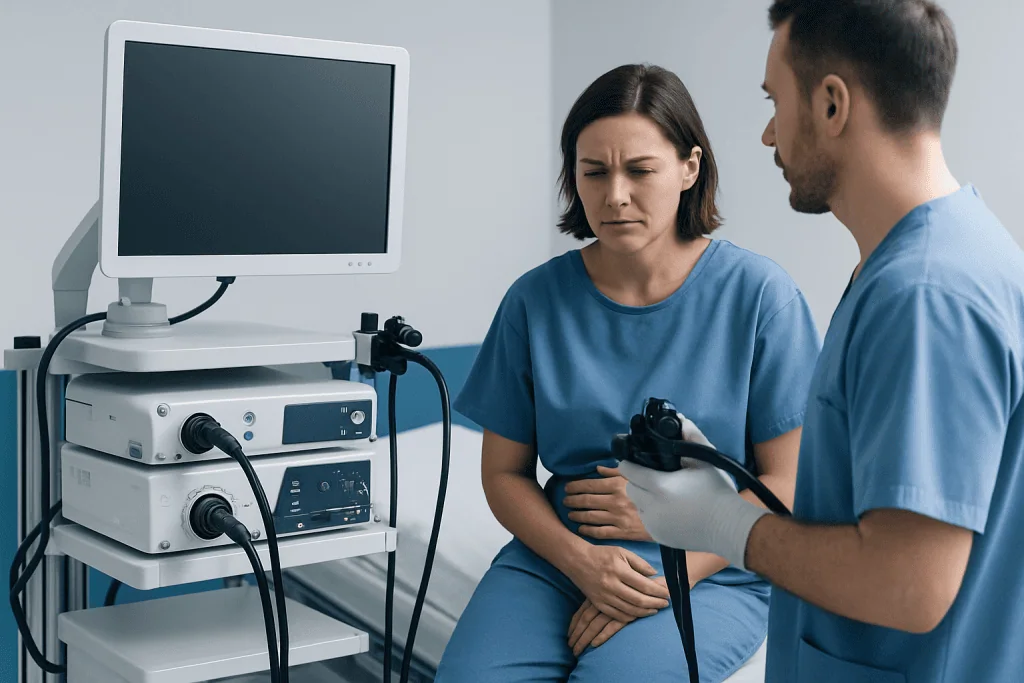
Constipation symptoms often include more than infrequent stools. The bowel may move less often than usual, but the stool itself and the effort required to pass it are also important clues. This is why one person may feel constipated after two days without a bowel movement, while another may feel constipated even with daily bowel movements.
Common sensations include:
- Hard, dry, or lumpy stools
- Straining during bowel movements
- A sense of blockage or stool being “stuck”
- Feeling that the bowel has not emptied fully
- Bloating or abdominal fullness
- Mild cramping or discomfort in the lower abdomen
- Reduced appetite or nausea when constipation is more pronounced
Some people also notice rectal discomfort from repeated straining. Over time, constipation can contribute to related problems such as hemorrhoids, especially if bowel movements are regularly difficult. Although this can be uncomfortable, it is often manageable once the underlying bowel habit improves.
In children, constipation may show up differently. A child may avoid using the toilet, cross their legs, seem irritable, or complain of belly pain. In older adults, constipation may be linked to lower fluid intake, reduced mobility, multiple medicines, or slower bowel movement due to aging.
Why constipation happens

Constipation develops when stool moves too slowly through the colon or when too much water is absorbed from it, making it dry and hard. This can happen for everyday reasons, but it can also be related to medicines or underlying health conditions.
Common causes and risk factors include:
- Not eating enough fiber from fruits, vegetables, legumes, and whole grains
- Drinking too little fluid
- Reduced physical activity or bed rest
- Travel, schedule disruption, or ignoring the urge to have a bowel movement
- Stress or changes in routine
- Pregnancy
- Medicines such as some pain relievers, iron supplements, antacids containing calcium or aluminum, and certain antidepressants
- Conditions affecting the bowel, hormones, nerves, or pelvic floor
Sometimes constipation is part of another digestive problem, especially if symptoms are long-lasting or associated with abdominal pain. A doctor may consider whether there is an underlying condition such as irritable bowel syndrome or a structural issue affecting the colon or rectum.
Less commonly, constipation can be related to diseases that need medical evaluation, including bowel obstruction, inflammatory disease, or colon problems. That is why persistent symptoms or any red flags should not be ignored, even though most cases are not dangerous.
How doctors evaluate constipation
Medical review begins with a careful history. A doctor will usually ask when symptoms started, how often bowel movements occur, what the stool looks like, whether straining is needed, and whether there is a feeling of incomplete emptying. They will also ask about diet, water intake, exercise, travel, recent illness, and medicines or supplements.
Red-flag symptoms are especially important because they help guide how urgently testing is needed. These include bleeding from the rectum, black stools, unexplained weight loss, vomiting, fever, severe or worsening abdominal pain, sudden constipation in an older adult, or pencil-thin stools. A family history of bowel disease or colon cancer may also matter.
The physical exam may include abdominal examination and, in some cases, a rectal exam. Depending on the situation, tests may include blood work, stool testing, or imaging studies. If symptoms are persistent, unexplained, or concerning, the doctor may recommend further evaluation such as a colonoscopy to examine the inside of the large bowel.
When symptoms suggest a problem with how stool moves through the digestive tract or with pelvic floor coordination, specialist assessment may be helpful. In selected cases, this can include advanced digestive testing or gastroenterology evaluation to clarify the cause and guide treatment.
Treatment options and symptom relief
Treatment depends on the cause, severity, and how long symptoms have been present. For short-term constipation, the first steps often involve practical measures such as increasing fiber gradually, drinking enough fluids, staying physically active, and responding to the urge to use the toilet rather than delaying it.
Doctors may also recommend over-the-counter options for some patients, such as fiber supplements, stool softeners, or laxatives. The safest choice depends on age, overall health, medicines, and how often constipation occurs, so it is wise to ask a healthcare professional before using these regularly. Long-term or repeated self-treatment without evaluation can delay diagnosis of an underlying problem.
If constipation is related to pelvic floor dysfunction, medication side effects, or another condition, treatment may need to be more targeted. This could involve medicine review, bowel habit training, pelvic floor therapy, or treatment of the underlying disease. In uncommon cases involving structural blockage or severe complications, procedural care may be needed.
When constipation is linked with anal pain or bleeding from straining, doctors may also assess for related issues such as fissures or hemorrhoids. If needed, care can include management by specialists in general surgery or digestive medicine, depending on the cause.
Prevention and self-care at home
Many episodes of constipation can be prevented or improved with everyday habits. The goal is not to force the bowel but to support a regular, comfortable pattern. Changes usually work best when they are consistent and introduced gradually.
Helpful self-care strategies include:
- Eating more fiber-rich foods such as vegetables, fruits, beans, lentils, oats, and whole grains
- Drinking enough water throughout the day
- Walking or staying active most days
- Using the toilet at a regular time, especially after meals
- Not ignoring the urge to have a bowel movement
- Reviewing medicines with a doctor if symptoms started after a new prescription or supplement
It is important to increase fiber slowly, because adding too much too quickly can worsen bloating and gas. Some people find that warm drinks, breakfast, and a calm bathroom routine help stimulate a bowel movement. Others benefit from placing the feet on a low stool to improve posture on the toilet.
For people with recurring constipation, keeping a brief diary of bowel movements, stool consistency, fluid intake, and symptoms can be useful. It helps identify triggers and gives a doctor more accurate information if medical advice is needed.
When to seek medical care
Constipation is often temporary, but medical care is important if it becomes severe, lasts more than a few weeks, or keeps returning despite lifestyle changes. A doctor should also review constipation if there is marked abdominal swelling, repeated vomiting, or symptoms that interfere with eating, sleep, or daily life.
Prompt medical attention is recommended if constipation is accompanied by rectal bleeding, black stools, unexplained weight loss, fever, severe abdominal pain, or a sudden major change in bowel habits. These symptoms do not always mean a serious illness, but they need proper assessment. A clinician may need to rule out problems such as obstruction, inflammation, or colon cancer.
Specialist care can be useful when symptoms are persistent or complex. Acibadem International’s multidisciplinary specialists and JCI-accredited hospitals diagnose and treat digestive conditions for international patients, with evaluation tailored to the person’s symptoms and medical history.
Frequently asked questions
Does constipation always mean not having a bowel movement every day?
No. Bowel habits vary from person to person, and some healthy people do not have a bowel movement every day. Constipation can also mean hard stools, straining, or feeling unable to empty the bowel fully, even if bowel movements happen daily.
Can constipation cause bloating and stomach discomfort?
Yes. Bloating, fullness, and mild cramping are common when stool moves slowly through the bowel or builds up in the colon. These symptoms often improve after the bowels empty, although persistent pain should be assessed by a doctor.
How long is too long to be constipated?
A brief episode lasting a few days is often not serious, especially if it follows travel, diet changes, or dehydration. If constipation lasts more than a few weeks, keeps coming back, or does not improve with simple measures, medical review is recommended.
What foods may help with constipation?
Foods rich in fiber can help, including fruits, vegetables, legumes, and whole grains. Prunes or kiwi may help some people as part of a balanced diet. Fiber should be increased gradually and paired with enough fluids.
When should constipation be treated urgently?
Urgent assessment is important if constipation comes with severe abdominal pain, vomiting, fever, blood in the stool, black stools, faintness, or major abdominal swelling. These symptoms may signal a complication or another condition that needs prompt medical care.
Can medicines cause constipation?
Yes. Some prescription and nonprescription medicines can slow bowel movement or make stool harder, including certain pain medicines, iron supplements, and some antacids. A doctor or pharmacist can help review medicines if constipation started after a new treatment.
References
- National Institute of Diabetes and Digestive and Kidney Diseases
- American College of Gastroenterology
- Mayo Clinic
- National Health Service
- Cleveland Clinic
This article is for general information only and is not a substitute for professional medical advice. Please consult a qualified doctor about your individual situation.
Persistent digestive symptoms? Get evaluated in Turkey
JCI-accredited · board-certified surgeons · reply within 24h
Add us as a Preferred Source to see more of our trusted health content across Google Search, AI Overviews and Discover.
Check your numbers in seconds
BMI, calories, due date, blood pressure and 30+ more clinical calculators — free, instant, doctor-reviewed ranges.