What Does Having a Stroke Feel Like? Here Is What the Evidence Says
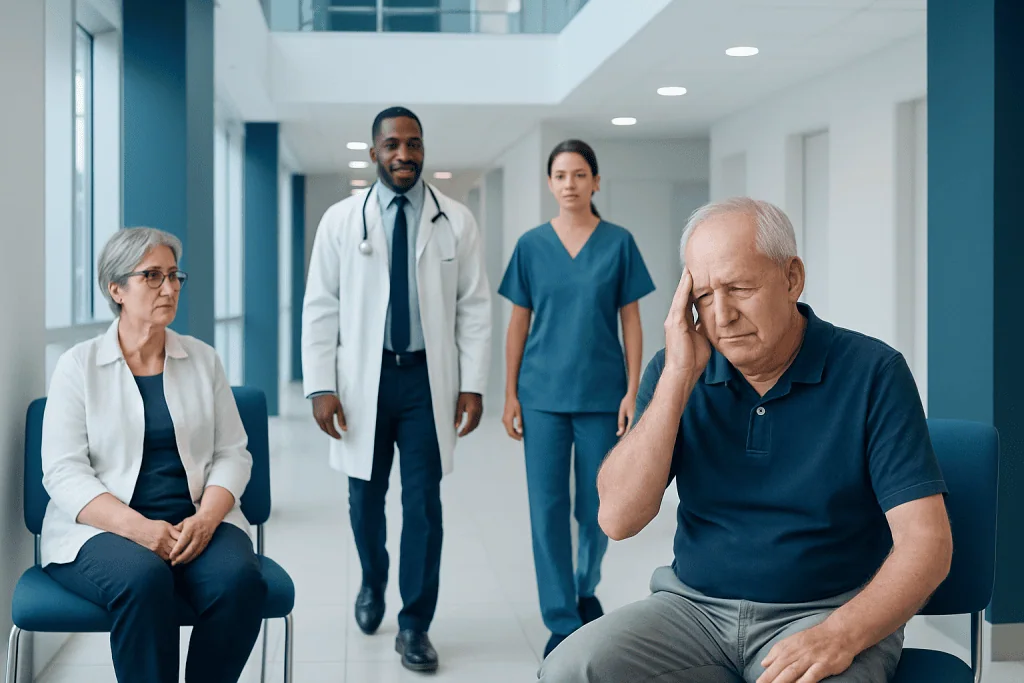
Stroke symptoms usually begin suddenly and affect one side of the body or a specific neurological function. Common warning signs include facial drooping, arm weakness, speech difficulty, sudden vision changes, and loss of balance.
Key Takeaways
- Stroke symptoms usually begin suddenly and affect one side of the body or a specific neurological function.
- Common warning signs include facial drooping, arm weakness, speech difficulty, sudden vision changes, and loss of balance.
- A transient ischemic attack (TIA) can feel like a stroke but symptoms may resolve; it is still an emergency warning sign.
- Calling emergency services promptly is safer than waiting to see whether symptoms improve.
- Doctors use an examination and urgent brain and blood-vessel imaging to determine whether a stroke has occurred.
What does having a stroke feel like? Many brief sensations such as tingling after sleeping awkwardly, lightheadedness from dehydration, or a headache are not strokes. A stroke is more likely to cause sudden, clearly new problems with the face, arm, speech, vision, balance, or understanding, and these symptoms require urgent medical assessment.
What Does Having a Stroke Feel Like?
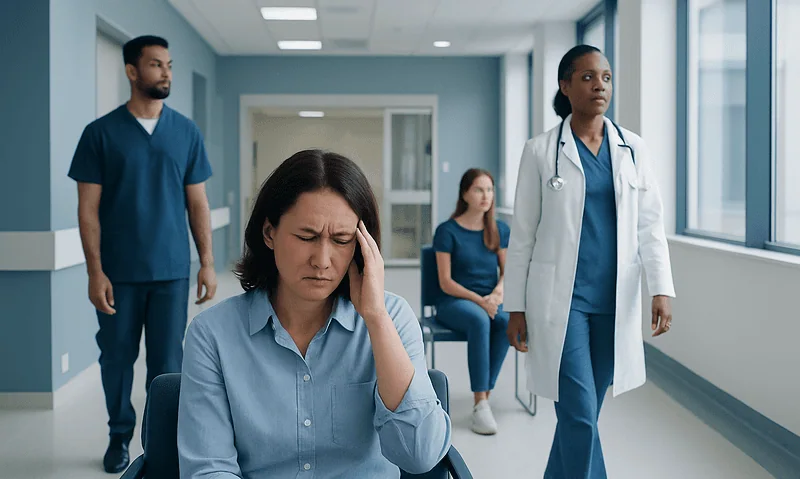
What does having a stroke feel like? It commonly feels like a sudden loss or change in an ability that was normal moments before: one side of the face may droop, an arm may become weak or numb, words may come out incorrectly, or vision and balance may change abruptly. Some people do not feel pain at all, which is why recognizing sudden neurological changes is so important.
Many everyday symptoms are harmless and do not indicate stroke. For example, temporary pins and needles from pressure on a limb, gradual fatigue, a familiar migraine pattern, or mild dizziness after standing up can have other explanations. However, a new symptom that is sudden, unusual, severe, or accompanied by weakness, speech trouble, facial asymmetry, confusion, or vision loss should be treated as a possible stroke until a clinician says otherwise.
A stroke happens when part of the brain does not receive enough blood flow or when bleeding occurs in or around the brain. Brain cells need a steady supply of oxygen, so symptoms can appear quickly. Immediate emergency assessment can identify the cause and may allow time-sensitive treatment.
The Symptoms People May Notice
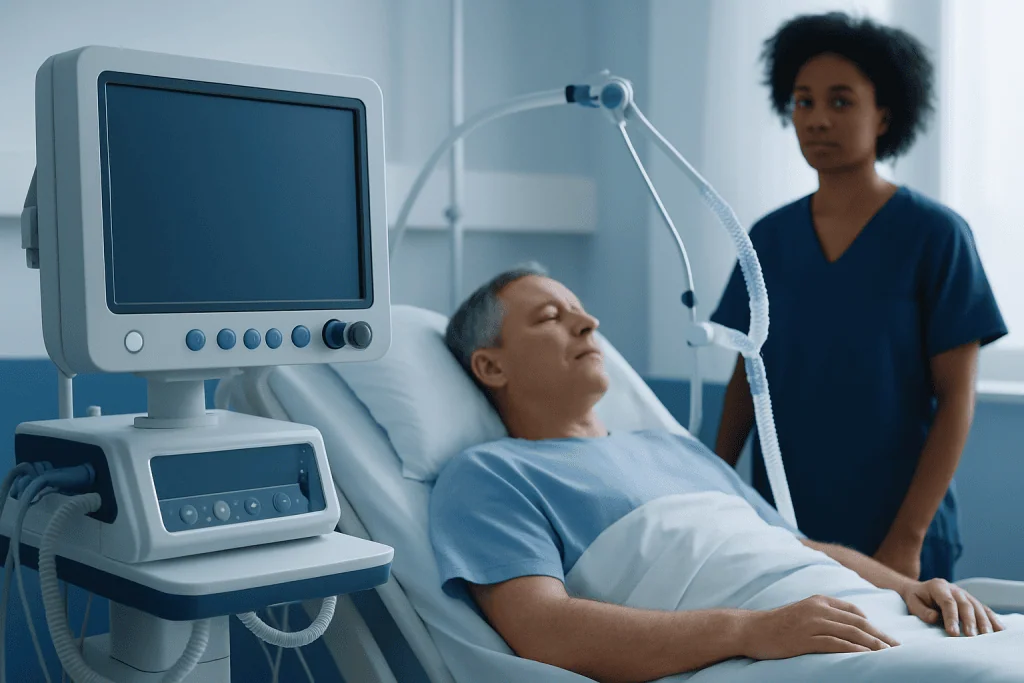
Stroke symptoms depend on the area of the brain involved. They often affect one side of the body, but not always. A person may suddenly notice that their smile looks uneven, a hand cannot grip normally, or one leg feels difficult to move. Numbness may occur alongside weakness, but numbness alone can also have non-stroke causes.
Speech and language changes are particularly important warning signs. A person may slur words, struggle to find familiar words, use words that do not make sense, or have trouble understanding what others are saying. They may be fully awake but unable to communicate in their usual way.
- Sudden facial drooping, weakness, or numbness, especially on one side
- Sudden difficulty speaking, understanding, reading, or writing
- Sudden loss of vision, double vision, or a dark curtain-like area in the visual field
- Sudden dizziness, inability to walk steadily, poor coordination, or unexplained falls
- Sudden confusion or marked drowsiness
- A sudden, extremely severe headache that is unlike usual headaches, especially with vomiting, neck stiffness, or reduced alertness
Some strokes affect the back part of the brain and may mainly cause vertigo, severe imbalance, double vision, nausea, or difficulty coordinating movements. These symptoms can overlap with less serious inner-ear conditions, but sudden symptoms combined with trouble walking, speaking, seeing, or using a limb require emergency evaluation.
Why a Stroke Can Feel Different From Person to Person

There is no single feeling that confirms a stroke. The brain controls movement, sensation, language, vision, memory, coordination, and many automatic functions. Therefore, symptoms reflect the specific brain region affected rather than the size of the problem alone.
An ischemic stroke is caused by a blocked blood vessel and is the most common type. It may produce sudden weakness, speech difficulty, or visual symptoms. A hemorrhagic stroke occurs when a blood vessel bleeds in or around the brain. It may cause similar neurological symptoms, sometimes with a severe headache, nausea, vomiting, or loss of consciousness.
Symptoms can also be subtle. A person may feel that one hand is clumsy, that their vision is unexpectedly distorted, or that they cannot keep their balance. Family members or colleagues may first notice a change in speech, facial expression, behavior, or alertness. It is helpful to take these observations seriously, even when the person experiencing symptoms feels uncertain.
Stroke, TIA, Migraine, and Other Possible Causes
A transient ischemic attack, often called a TIA or “mini-stroke,” produces stroke-like symptoms caused by a temporary interruption of blood flow. The symptoms may last only minutes or may fully resolve before medical help arrives. Even so, a TIA can be an important warning that a future stroke is possible and needs urgent evaluation.
Migraine with aura can sometimes cause visual disturbances, tingling, speech changes, or weakness, and it can resemble stroke. Migraine symptoms often develop gradually and may move or spread over several minutes, whereas stroke symptoms tend to begin abruptly. Still, it is not safe to self-diagnose a first or unusually different episode as migraine.
Low blood sugar, seizures, fainting, medication effects, infections, nerve compression, and some inner-ear disorders can also produce symptoms that resemble stroke. Only a medical assessment can reliably separate these conditions. For further information on stroke types and care, readers can review stroke.
How Doctors Check for a Possible Stroke
In emergency care, clinicians first establish when the person was last known to be well. This timing matters because certain treatments may be appropriate only within particular time windows. They will assess airway, breathing, circulation, blood pressure, blood sugar, consciousness, speech, strength, sensation, coordination, and eye movements.
Urgent brain imaging is central to diagnosis. A CT scan can quickly help identify bleeding, while other imaging may provide more detail about early brain injury or blocked blood vessels. CT or MR angiography may be used to examine arteries in the head and neck. Blood tests, heart rhythm testing, and sometimes an echocardiogram can help look for contributing causes.
The results guide treatment and prevention planning. If a blockage in a large brain artery is identified, selected patients may be considered for mechanical thrombectomy, a procedure that can remove a clot from an accessible vessel. The appropriate approach depends on the type of stroke, symptom timing, imaging findings, overall health, and specialist assessment.
Treatment, Recovery, and Reducing Future Risk
Stroke treatment is individualized and begins as soon as possible. Depending on the cause, care may involve medicines to address clotting or blood pressure, procedures to restore blood flow, treatment of bleeding, management of swallowing and breathing problems, and close neurological monitoring. No home remedy should be used in place of emergency assessment for suspected stroke.
Recovery varies widely. Some people improve quickly, while others need support with walking, speech, daily activities, thinking skills, or mood. Rehabilitation may include physiotherapy, occupational therapy, speech and language therapy, and psychological support. Starting rehabilitation at the appropriate time can help people work toward their individual goals.
Long-term prevention focuses on identifying and managing risk factors, including high blood pressure, diabetes, high cholesterol, irregular heart rhythm such as atrial fibrillation, smoking, inactivity, and excess alcohol use. A clinician may recommend medication and lifestyle changes after reviewing the person’s individual risks. Structured stroke rehabilitation can support recovery and ongoing independence after a stroke.
When to Seek Medical Care
Emergency medical care is needed immediately for any sudden facial drooping, arm or leg weakness, trouble speaking or understanding, vision loss, severe imbalance, confusion, or sudden severe headache. Call local emergency services rather than driving the person to hospital yourself when possible. Note the time symptoms started, or the last time the person was known to be well.
Do not wait for symptoms to pass, and do not assume an episode is harmless because it improves. Symptoms that resolve may represent a TIA and still require urgent assessment. It is also best not to give food, drink, or medications unless emergency professionals advise doing so, as swallowing may be affected and some medicines may be unsafe in certain types of stroke.
For non-emergency concerns, such as recurrent mild dizziness or longstanding tingling without sudden neurological changes, a routine appointment with a qualified doctor can help identify the cause. Acibadem International’s multidisciplinary specialists and JCI-accredited hospitals diagnose and treat stroke-related conditions for international patients.
Frequently asked questions
Can a person have a stroke without feeling pain?
Yes. Many strokes are painless and instead cause sudden weakness, numbness, speech difficulty, vision changes, or loss of coordination. A lack of pain should never be used to rule out stroke.
What is the fastest way to recognize a possible stroke?
Think of sudden changes involving the face, arm, speech, vision, or balance. Ask the person to smile, raise both arms, and say a simple sentence; any new facial asymmetry, arm drift, or speech problem needs emergency help.
Can stroke symptoms come and go?
Yes. Symptoms that improve or disappear may be caused by a transient ischemic attack, or TIA. A TIA needs urgent medical assessment because it can signal an increased risk of a future stroke.
Does dizziness always mean a stroke?
No. Dizziness is common and can result from dehydration, medication effects, blood pressure changes, anxiety, or inner-ear conditions. Sudden dizziness with inability to walk, double vision, weakness, numbness, speech problems, or a severe headache is more concerning and requires emergency assessment.
How can doctors tell whether it was a stroke or a migraine?
Doctors consider the pattern and timing of symptoms, perform a neurological examination, and use urgent imaging when needed. Migraine aura often develops gradually, while stroke symptoms are more often sudden, but the overlap can be significant and should be assessed clinically.
What should someone do while waiting for emergency help?
Keep the person safe and comfortable, monitor their alertness and breathing, and record when symptoms started or when they were last known to be well. Avoid giving food, drink, aspirin, or other medication unless directed by emergency professionals.
References
- World Health Organization
- American Stroke Association
- National Institute of Neurological Disorders and Stroke
- Centers for Disease Control and Prevention
- European Stroke Organisation
This article is for general information only and is not a substitute for professional medical advice. Please consult a qualified doctor about your individual situation.
Explore treatments in Turkey — costs, top hospitals & a free quote
JCI-accredited · board-certified surgeons · reply within 24h
Add us as a Preferred Source to see more of our trusted health content across Google Search, AI Overviews and Discover.