What Foods Lower Blood Sugar Immediately? Causes, Explanations, and Next Steps

No food reliably lowers blood sugar immediately; the body needs time to digest and respond. Water, a balanced meal with protein and fiber, and a short walk may help support more stable glucose levels.
Key Takeaways
- No food reliably lowers blood sugar immediately; the body needs time to digest and respond.
- Water, a balanced meal with protein and fiber, and a short walk may help support more stable glucose levels.
- Persistently high blood sugar, frequent symptoms, or very high readings should be assessed by a doctor.
- Red flags include vomiting, confusion, trouble breathing, severe dehydration, or signs of diabetic ketoacidosis.
- Doctors may use blood tests such as fasting glucose and HbA1c to check for diabetes or prediabetes.
Many short-term blood sugar fluctuations are mild and improve with hydration, movement, and balanced eating. There is no single food that lowers blood sugar immediately, but some food choices can help prevent further spikes and support steadier levels while a person decides whether medical advice is needed.
Overview: Can any food lower blood sugar immediately?
For most people, occasional changes in blood sugar are not an emergency and often settle with simple steps such as drinking water, choosing a balanced meal, and avoiding extra sugar. The most direct answer to the question what foods lower blood sugar immediately is that no food acts like a rapid medicine. Foods influence blood sugar over time, and the body still needs to digest them, release insulin, and move glucose into cells.
Some choices may help prevent a blood sugar level from rising further. Meals or snacks that include protein, fiber, and healthy fats tend to be digested more slowly than sweets or refined carbohydrates. Examples include plain yogurt, eggs, nuts, beans, vegetables, or a small portion of whole grains paired with a protein source.
It is also important to know when symptoms may need medical attention rather than home management. If a person has repeated high readings, feels unwell, or has symptoms such as vomiting, confusion, deep rapid breathing, or severe weakness, medical care is important. For people with known diabetes, very high readings may require a treatment plan discussed with their doctor rather than relying on food alone.
What may help steady blood sugar in the short term
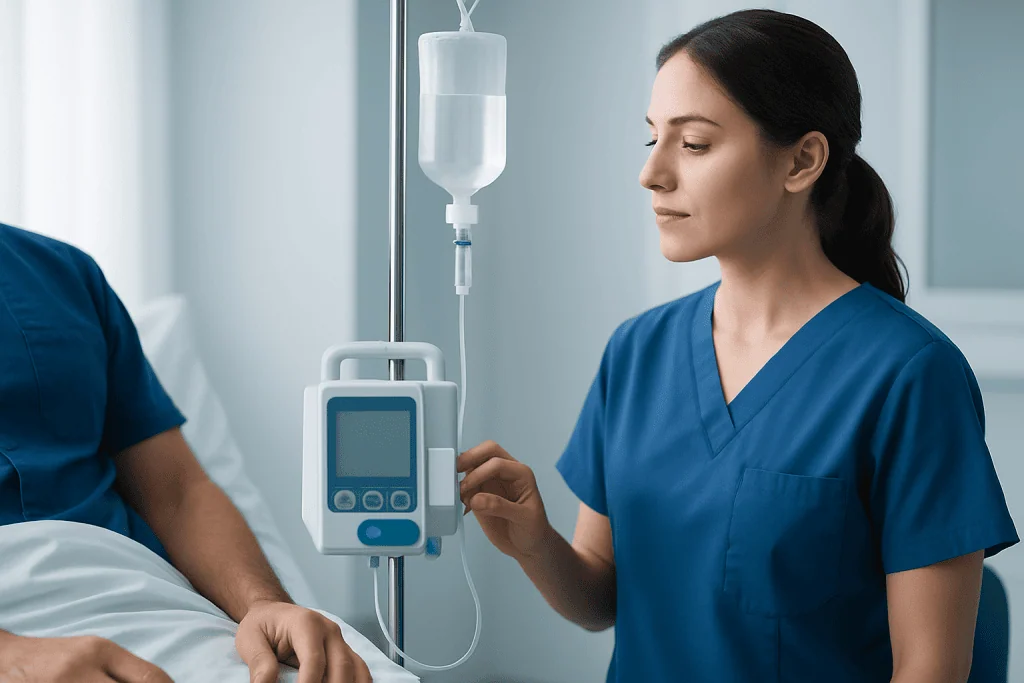
While no food lowers blood sugar instantly, a few practical steps can help support a safer return toward normal. Drinking water can help if mild dehydration is contributing to higher glucose levels. Choosing a meal that is moderate in portion size and lower in refined carbohydrates may also reduce the chance of another sharp rise.
A balanced plate usually works better than searching for a single “blood sugar lowering” food. Protein-rich foods such as fish, chicken, tofu, eggs, or unsweetened dairy, together with high-fiber foods such as vegetables, lentils, beans, chia seeds, or oats, may help slow the absorption of glucose. This can be useful when a person feels hungry but wants to avoid worsening a spike.
Light physical activity can also help some people use glucose more effectively. A brief walk after eating may support blood sugar control if the person feels well and has no medical reason to avoid exercise. However, if blood sugar is very high and a person feels ill, especially with possible ketones, exercise may not be appropriate and medical advice is safer.
- Best short-term choices: water, non-starchy vegetables, beans, eggs, nuts, plain yogurt, lean protein
- Foods less helpful during a spike: sugary drinks, sweets, white bread, large portions of rice or pasta, fruit juice
- Helpful habit: pair carbohydrates with protein or fiber rather than eating them alone
Symptoms and signs of high blood sugar

High blood sugar, also called hyperglycemia, does not always cause obvious symptoms. When symptoms do appear, they often develop gradually. A person may notice increased thirst, frequent urination, dry mouth, blurred vision, tiredness, or headaches. Some people also feel unusually hungry or find that small cuts heal more slowly.
These symptoms are common and can have causes other than diabetes, which is why they are often harmless at first. Still, if they happen repeatedly or seem to be getting worse, they deserve attention. Doctors may then look for conditions such as diabetes or insulin resistance as possible explanations.
More serious warning signs need faster review. These include nausea or vomiting, abdominal pain, confusion, fruity-smelling breath, deep or rapid breathing, severe dehydration, or drowsiness. In people with diabetes, these symptoms can point to diabetic ketoacidosis or another urgent metabolic problem, which should not be managed with food alone.
Why blood sugar rises: causes and risk factors
Blood sugar may rise for many reasons. Eating a meal high in refined carbohydrates or sugary drinks can raise glucose quickly, especially if there is little protein or fiber in the meal. Stress, poor sleep, illness, certain medications such as steroids, and low physical activity can also make the body less responsive to insulin.
Sometimes blood sugar runs high because the body is not making enough insulin or is not using it well. This may happen in prediabetes, type 2 diabetes, pregnancy-related diabetes, or less commonly type 1 diabetes. Weight gain around the abdomen, a family history of diabetes, high blood pressure, abnormal cholesterol, polycystic ovary syndrome, and increasing age can all raise risk.
Not every episode of feeling shaky, thirsty, or tired is caused by blood sugar. Caffeine, dehydration, anxiety, missed meals, and some infections can cause similar symptoms. That is one reason why proper testing matters. Rather than assuming a specific food will solve the problem, it is usually more helpful to look at patterns over time and identify the underlying cause.
What a doctor may do to check the cause
If high blood sugar is suspected, a doctor will usually begin with symptoms, medical history, and a review of eating patterns, medicines, weight changes, and family history. They may ask whether symptoms happen after meals, in the morning, or during illness. A physical examination may look for signs of dehydration, weight change, or features of metabolic syndrome.
Blood tests are often the next step. Common tests include fasting blood glucose, a random glucose test, and HbA1c, which reflects average blood sugar over the previous two to three months. Sometimes an oral glucose tolerance test is used. If type 1 diabetes is a concern, the doctor may also order ketone testing or antibody-related tests.
These tests help distinguish occasional fluctuations from a more persistent problem. In some cases, doctors also evaluate related issues such as cholesterol levels, kidney function, liver health, and blood pressure because blood sugar problems can overlap with other metabolic conditions. When needed, imaging or specialist review may be arranged, but many people can start with straightforward lab testing and clinical assessment.
Treatment options and longer-term blood sugar control
Treatment depends on the cause. For many people, the first steps focus on regular meals, portion awareness, physical activity, weight management where appropriate, and better sleep. A dietitian or endocrinologist may help create a plan that fits medical needs, culture, and daily routine. If diabetes is diagnosed, treatment may also include medication or insulin.
Food choices remain important, but they work best as part of an overall plan. Meals built around vegetables, legumes, whole grains, lean proteins, and unsweetened drinks tend to support steadier glucose levels. Some people also benefit from checking blood sugar at home, especially if advised by their doctor, to understand how meals, stress, or exercise affect them.
When necessary, more structured care may include diabetes treatment and individualized endocrine follow-up. If complications or related conditions are suspected, doctors may recommend broader endocrinology and metabolic disease care to guide testing and long-term prevention.
For international patients who need evaluation, Acibadem International’s multidisciplinary specialists in JCI-accredited hospitals diagnose and treat blood sugar disorders with coordinated care across internal medicine, endocrinology, nutrition, and laboratory services.
Prevention, self-care, and smarter food choices
Instead of focusing on a single “quick fix” food, many people do better with small habits repeated daily. Eating at regular times, limiting sugary drinks, and reducing very large portions of refined carbohydrates can help avoid large swings. Combining carbohydrates with protein, fiber, or healthy fat often improves fullness and slows glucose absorption.
Helpful food patterns may include vegetables at most meals, legumes several times a week, whole fruit instead of juice, and snacks such as nuts or plain yogurt instead of sweets. Hydration also matters. Water is usually the best choice for thirst, especially if blood sugar may be running high.
Self-care also includes movement, sleep, and medication review. Regular walking or another suitable activity supports insulin sensitivity, while poor sleep and chronic stress can push glucose upward. Anyone who already has diabetes should follow their clinician’s advice on meal planning, sick-day rules, and whether they need check-up and screening visits to monitor long-term health.
When to seek medical care
Medical review is sensible if high blood sugar symptoms happen often, if home readings are repeatedly elevated, or if a person is losing weight without trying. It is also important to arrange an appointment if thirst, frequent urination, fatigue, or blurred vision continue for more than a short period. These symptoms are often manageable, but they should not be ignored if they are persistent.
Urgent care is needed sooner for severe symptoms. A person should seek prompt medical attention if they have vomiting, confusion, trouble breathing, severe dehydration, fainting, chest pain, or very high glucose readings, especially if they have known diabetes. These red flags can point to a serious metabolic problem that needs medical treatment rather than home remedies.
For children, pregnant women, older adults, and anyone with chronic illness, it is especially wise to seek advice early because blood sugar changes may affect them differently. A qualified doctor can explain whether symptoms are likely related to food, stress, medication, illness, or an underlying condition and can recommend the safest next steps.
Frequently asked questions
What foods lower blood sugar immediately?
No food lowers blood sugar immediately in a reliable way. Foods take time to digest, and blood sugar improves more through hydration, balanced eating, movement, and, when needed, medical treatment.
Is drinking water helpful for high blood sugar?
Water can help support the body, especially if mild dehydration is present. It does not directly act as a glucose-lowering medicine, but it is usually a better choice than juice, soda, or sweetened drinks.
Are cinnamon, vinegar, or lemon proven to lower blood sugar fast?
These are often discussed online, but they should not be relied on as a fast treatment for high blood sugar. Some may have modest effects in certain situations, but the response is not immediate or predictable, and they do not replace proper medical care.
What should a person eat if they think their blood sugar is high?
A sensible choice is a modest, balanced meal or snack with protein and fiber, such as eggs, plain yogurt, beans, nuts, or vegetables. It also helps to avoid sugary drinks and large portions of refined carbohydrates until the cause is clearer.
When should someone worry about high blood sugar symptoms?
It is worth arranging a medical review if thirst, frequent urination, tiredness, or blurred vision keep happening or if glucose readings stay high. Urgent care is needed for vomiting, confusion, trouble breathing, severe weakness, or signs of dehydration.
How do doctors diagnose diabetes or prediabetes?
Doctors usually use blood tests such as fasting glucose and HbA1c, along with symptoms and medical history. In some cases, they may also order a glucose tolerance test or ketone testing, depending on the situation.
References
- American Diabetes Association
- Centers for Disease Control and Prevention
- National Institute of Diabetes and Digestive and Kidney Diseases
- World Health Organization
- National Health Service
This article is for general information only and is not a substitute for professional medical advice. Please consult a qualified doctor about your individual situation.
Explore treatments in Turkey — costs, top hospitals & a free quote
JCI-accredited · board-certified surgeons · reply within 24h
Add us as a Preferred Source to see more of our trusted health content across Google Search, AI Overviews and Discover.
Check your numbers in seconds
BMI, calories, due date, blood pressure and 30+ more clinical calculators — free, instant, doctor-reviewed ranges.