What Happens at a Clinical Neurophysiology Appointment?
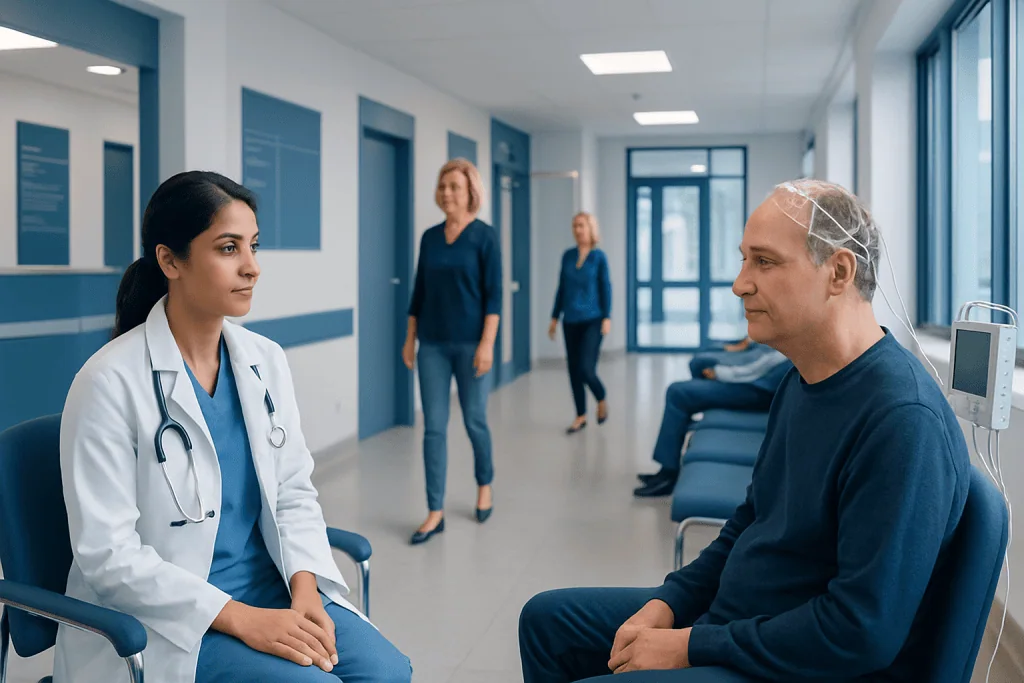
Clinical neurophysiology evaluates the function of nerves, muscles, the brain, and sometimes the spinal cord. Appointments may include tests such as EEG, EMG, nerve conduction studies, or evoked potentials, depending on symptoms.
Key Takeaways
- Clinical neurophysiology evaluates the function of nerves, muscles, the brain, and sometimes the spinal cord.
- Appointments may include tests such as EEG, EMG, nerve conduction studies, or evoked potentials, depending on symptoms.
- Most tests are outpatient procedures and do not require sedation.
- Preparation is usually simple, but instructions may differ based on the test being planned.
- Results are interpreted alongside medical history and neurological examination findings.
A clinical neurophysiology appointment helps doctors understand how the nervous system is working by combining symptoms, examination findings, and specialized tests. Knowing what usually happens during the visit can make the experience feel more predictable and less stressful.
Overview: What is a clinical neurophysiology appointment?
A clinical neurophysiology appointment is a specialist visit focused on measuring how the nervous system functions. While standard imaging such as MRI or CT shows structure, neurophysiology tests help show how well signals travel through the brain, spinal pathways, nerves, and muscles. This can be useful when symptoms suggest a functional problem that is not fully explained by imaging alone.
These appointments are commonly arranged for symptoms such as numbness, tingling, weakness, muscle twitching, blackouts, seizures, memory-related episodes, tremor, balance problems, or unexplained pain. Some people are referred after a neurological consultation, while others are sent by another specialist or a primary care doctor.
During the visit, the team usually reviews symptoms in detail, performs a focused examination, and carries out one or more tests. The exact plan depends on the concern. For example, a person with suspected seizure activity may need an EEG, while someone with hand numbness or leg weakness may be referred for an EMG or nerve conduction study.
Why someone may be referred
Clinical neurophysiology is used to investigate a wide range of symptoms and conditions. The goal is not simply to name a diagnosis, but to understand where in the nervous system the problem may be happening and how severe it appears to be. This helps guide treatment decisions and, in some cases, prevents unnecessary procedures.
Common reasons for referral include suspected peripheral nerve problems such as carpal tunnel syndrome, nerve injury, neuropathy, or nerve root irritation from the spine. It is also used to assess muscle disorders, disorders of the neuromuscular junction, unexplained muscle weakness, and involuntary movements. Brain-related testing may be used for epilepsy, fainting episodes, sleep-related events, or changes in awareness.
Examples of conditions that may lead to neurophysiology testing include epilepsy, peripheral neuropathy, and entrapment neuropathies. In some cases, testing also supports the evaluation of conditions such as Parkinson's disease or other movement disorders, although diagnosis usually relies on a broader clinical assessment rather than a single test.
What happens before the test
Before the appointment, patients are usually given instructions based on the planned test. These may include arriving with clean hair for an EEG, avoiding heavy skin creams before nerve tests, or bringing a list of current medications. Comfortable clothing is often recommended, especially if the arms or legs will need to be examined.
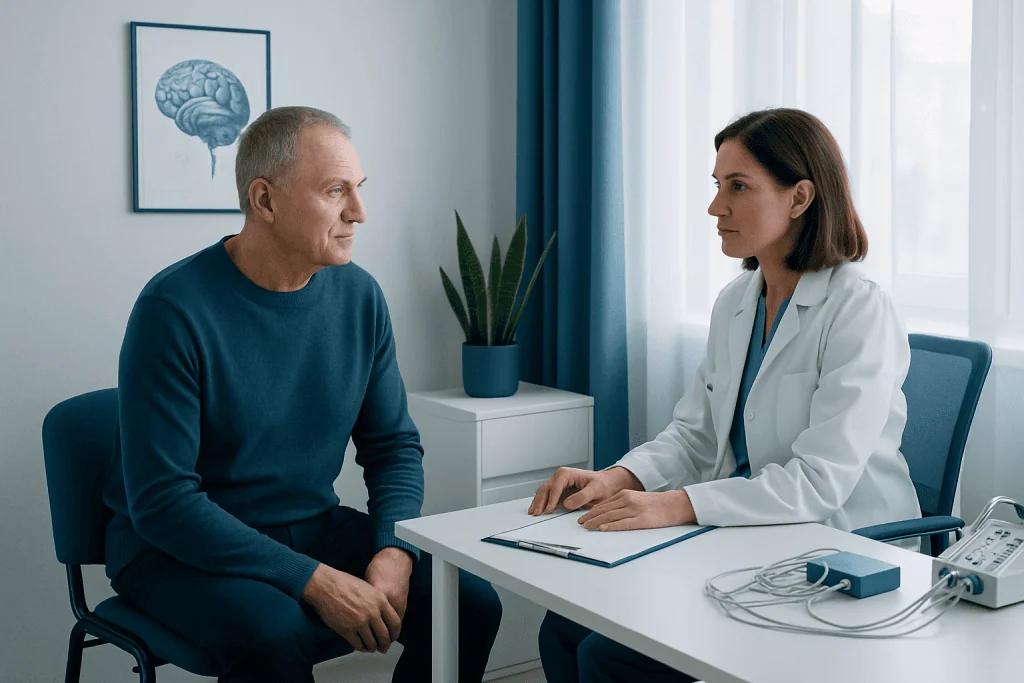
At the clinic, a specialist doctor or trained technologist will ask about symptoms, when they started, what makes them better or worse, and whether there are any medical conditions such as diabetes, thyroid disease, previous injuries, or prior neurological problems. It is also helpful to mention pacemakers, implanted devices, blood-thinning medication, pregnancy, or skin sensitivities if relevant.
The clinician may perform a short neurological examination. This can include checking strength, reflexes, sensation, coordination, eye movements, and gait. The information from this assessment helps decide which tests are most appropriate and how to interpret the findings accurately.
Common tests performed during a clinical neurophysiology appointment
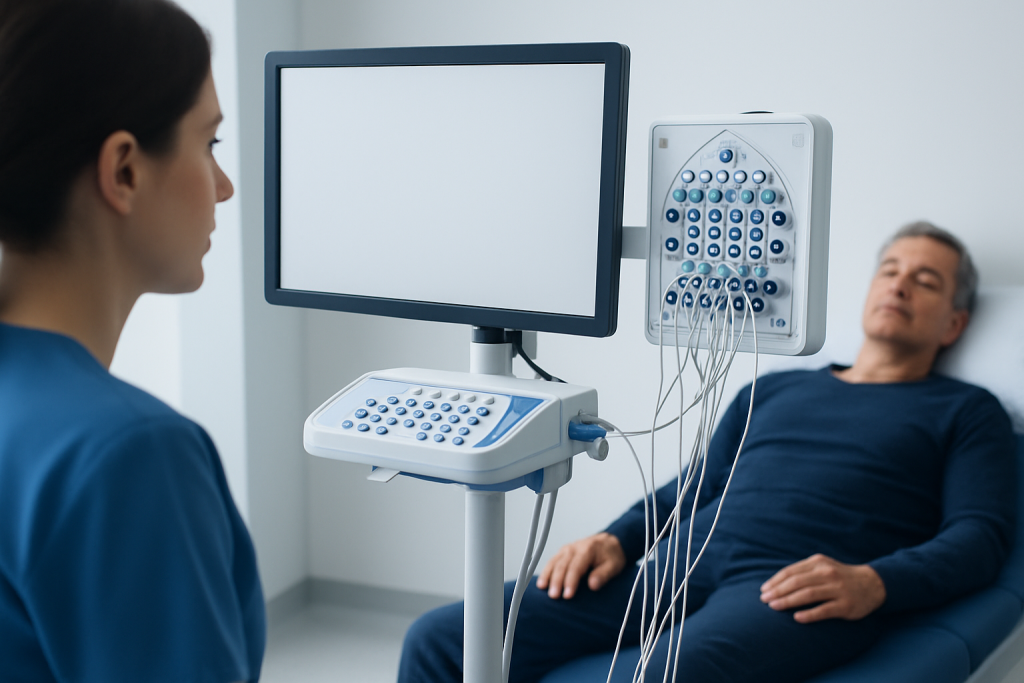
Several different tests may be used, and not everyone needs all of them. An electroencephalogram, or EEG, records the brain’s electrical activity using small sensors placed on the scalp. It is painless and commonly used when seizures, blackouts, or unusual episodes of altered awareness are being investigated.
Electromyography and nerve conduction studies evaluate muscles and peripheral nerves. In nerve conduction studies, small electrical impulses are delivered to the skin to measure how quickly and strongly nerves respond. During EMG, a very fine needle electrode is inserted into selected muscles to assess electrical activity at rest and during movement. Some people find parts of these tests uncomfortable, but they are usually brief and well tolerated.
Other possible tests include evoked potentials, which measure how the brain responds to visual, auditory, or sensory stimulation. In some centers, more specialized studies may also be performed depending on the clinical question. The team will explain what each test involves, what sensations to expect, and how long it is likely to take.
- EEG: Often used for seizures, blackout episodes, or altered consciousness.
- Nerve conduction studies: Help assess peripheral nerve damage or compression.
- EMG: Evaluates muscle activity and communication between nerves and muscles.
- Evoked potentials: Measure signal travel along sensory pathways.
Will it hurt, and how long does it take?
Many people worry that neurophysiology tests will be painful. In reality, most are safe, outpatient procedures that do not require anesthesia or sedation. An EEG is painless, though the paste or scalp sensors may feel slightly messy or unfamiliar. Nerve conduction studies can cause brief tingling or tapping-like sensations, and EMG can cause temporary discomfort similar to a small needle prick in the muscle.
The length of the appointment varies depending on the type and number of tests. Some EEGs may take around 20 to 60 minutes, while EMG and nerve conduction studies may take longer if several areas need to be examined. More complex or extended recordings can take additional time.
After the test, most people can return to normal activities right away. If a person had a prolonged EEG, sleep deprivation, or another special protocol, the team may provide extra instructions. Mild temporary soreness can happen after EMG, but this usually settles on its own.
How results are interpreted
Test results are not usually interpreted in isolation. A neurophysiologist considers the person’s symptoms, examination findings, medical history, and any imaging or laboratory results. This is important because a normal test does not always exclude disease, and an abnormal test may need to be understood in the wider clinical context.
In some clinics, a preliminary explanation may be given on the same day, especially after EMG or nerve conduction studies. In others, the recordings are reviewed carefully and a report is sent to the referring doctor. The report may describe where the problem appears to be located, whether there is evidence of nerve or muscle dysfunction, and whether the pattern fits a specific diagnosis.
Sometimes further tests are recommended. For example, a person with nerve-related symptoms may also need blood tests, imaging, or specialist review for a condition such as multiple sclerosis if the overall picture suggests a central nervous system cause. The next steps depend on the findings and the symptoms being investigated.
How to prepare and what to bring
Preparation is usually straightforward, but it is best to follow the instructions given by the clinic. Hair should often be washed and left free of sprays, oils, or gels before an EEG. For EMG or nerve conduction studies, lotions and heavy moisturizers on the skin are best avoided because they can affect electrode contact.
Patients should bring identification, referral letters if applicable, a medication list, previous test reports, and details of implanted devices or significant medical history. Wearing loose clothing can make the appointment easier, especially if the arms, shoulders, legs, or back need to be accessed. If symptoms come and go, keeping a short symptom diary can also be useful.
It may help to ask in advance whether any medicines should be taken as usual, whether the test requires sleep deprivation, and whether eating beforehand is allowed. Most appointments do not require fasting. If a person is anxious, letting the team know at the start can help them explain each step more clearly and pace the test comfortably.
When to seek medical advice and follow-up care
A clinical neurophysiology appointment is an important step in finding the cause of neurological symptoms, but it is only one part of care. People should follow up with the referring doctor or neurologist to discuss the results, what they mean, and whether treatment or additional testing is needed. Ongoing symptoms should not be ignored simply because one test is normal.
Urgent medical attention is needed for severe or sudden symptoms such as new weakness on one side, sudden loss of vision, trouble speaking, a first seizure, loss of consciousness, or rapidly worsening numbness or breathing difficulty. These symptoms may need emergency evaluation rather than a routine outpatient appointment.
For planned care, specialist centers can coordinate diagnosis and treatment when symptoms are complex. Acibadem International’s multidisciplinary specialists and JCI-accredited hospitals evaluate neurological conditions and arrange appropriate neurophysiology testing for international patients when needed.
Frequently asked questions
Do all clinical neurophysiology appointments include the same tests?
No. The tests depend on the symptoms being investigated and the questions the doctor is trying to answer. Some people only need one test, while others may need a combination of studies.
Is an EEG the same as an MRI scan?
No. An EEG records electrical activity in the brain, while MRI shows detailed pictures of brain structure. They answer different clinical questions and are often complementary.
Can someone drive after the appointment?
Most people can drive after routine neurophysiology testing. However, if the test involved sleep deprivation, if the person feels unwell afterward, or if there are symptoms such as blackouts or seizures, they should follow medical advice and local driving regulations.
Should regular medications be stopped before testing?
Usually, medications are continued unless the clinic specifically advises otherwise. It is important not to stop prescribed medicine without guidance, especially anti-seizure, heart, or blood-thinning medicines.
What if the test result is normal but symptoms continue?
A normal result can still be useful, but it does not always explain every symptom. The doctor may consider other causes, repeat testing later, or arrange imaging, blood tests, or further specialist review.
Are neurophysiology tests safe for children and older adults?
Yes, these tests are commonly used across different age groups when clinically appropriate. The exact method may be adapted to make the experience more comfortable and to match the person's needs.
References
- World Health Organization
- National Institute of Neurological Disorders and Stroke
- National Institute for Health and Care Excellence
- American Clinical Neurophysiology Society
- NHS
This article is for general information only and is not a substitute for professional medical advice. Please consult a qualified doctor about your individual situation.
Clinical Neurophysiology in Turkey — costs, top hospitals & a free quote
JCI-accredited · board-certified surgeons · reply within 24h
Add us as a Preferred Source to see more of our trusted health content across Google Search, AI Overviews and Discover.

Neurology
Diagnosis and treatment of disorders of the brain, spinal cord, nerves and muscles.
51 specialists in this unit