What Happens During a Blood Test Visit?

Most blood test visits are brief and involve taking a small blood sample from a vein in the arm. Some tests require preparation such as fasting, while others do not.
Key Takeaways
- Most blood test visits are brief and involve taking a small blood sample from a vein in the arm.
- Some tests require preparation such as fasting, while others do not.
- Patients may feel a quick pinch, but serious problems from routine blood tests are uncommon.
- After the sample is collected, gentle pressure and a bandage are usually enough for aftercare.
- Results are interpreted together with symptoms, medical history, and other tests by a qualified doctor.
A blood test visit is a common medical appointment used to collect a small blood sample for laboratory analysis. Knowing what happens before, during, and after the test can help patients feel more prepared and comfortable.
Overview of a Blood Test Visit
A blood test visit is a routine healthcare appointment in which a trained professional collects a small sample of blood for laboratory testing. Blood tests help doctors assess general health, look for signs of infection or inflammation, monitor ongoing conditions, and evaluate how organs such as the liver, kidneys, or thyroid are working. They are also used to check blood sugar, cholesterol, hormones, vitamins, and many other markers.
In most cases, the visit is simple and takes only a short time. The blood sample is usually taken from a vein in the arm, although some tests use a finger prick instead. The sample is labeled and sent to a laboratory, where specialists analyze it and prepare results for the requesting doctor.
Although many people feel nervous about needles, blood testing is one of the most common medical procedures. Understanding each step can reduce anxiety and help patients know what to expect. A blood test itself usually provides information, but it does not always diagnose a condition on its own. Results often need to be interpreted together with symptoms, physical examination, and sometimes other tests such as check-up and screening assessments.
Before the Appointment: How to Prepare
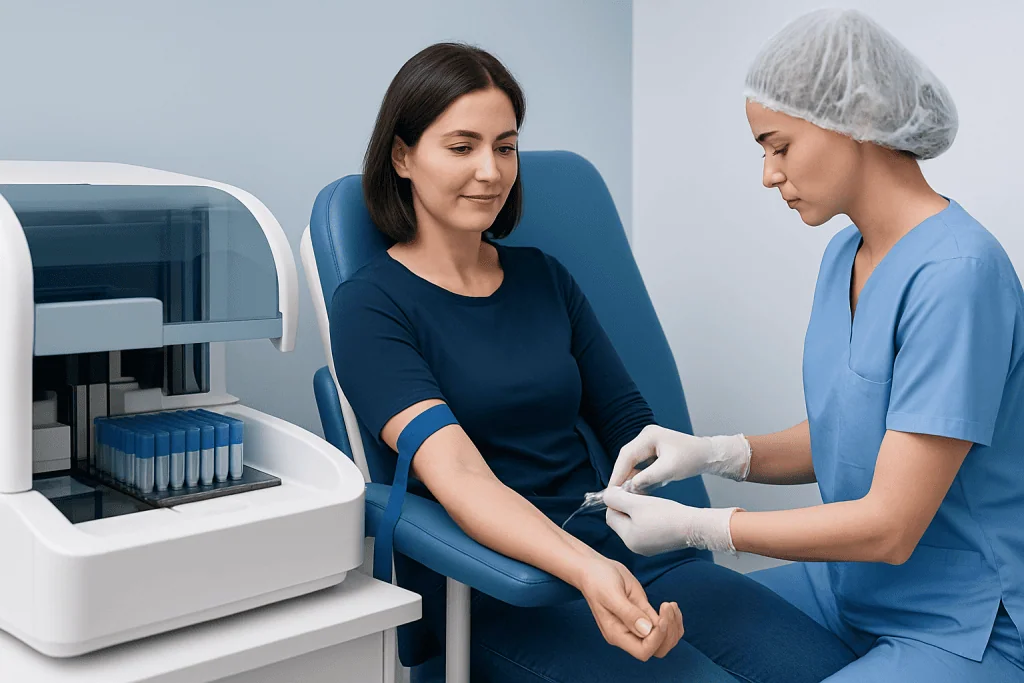
Preparation depends on the type of blood test being ordered. Some tests require fasting, which usually means avoiding food and sometimes certain drinks for a set number of hours before the appointment. Water is often allowed, and staying hydrated can make veins easier to find. Other tests do not require any special preparation.
Patients should follow the instructions provided by their doctor or laboratory. It is helpful to mention all medicines, vitamins, herbal products, and supplements being taken, because some can affect test results. In some situations, a doctor may advise taking medication as usual; in others, the timing may need to be adjusted. This decision should always come from a qualified healthcare professional.
Wearing clothing with sleeves that can be rolled up easily can make the visit more comfortable. Patients who have felt faint during previous blood draws should tell the staff before the procedure begins. They may be asked to lie down or remain seated for a little longer afterward. Bringing identification, the test request form, and any relevant medical information can also help the appointment go smoothly.
What Happens During the Blood Draw
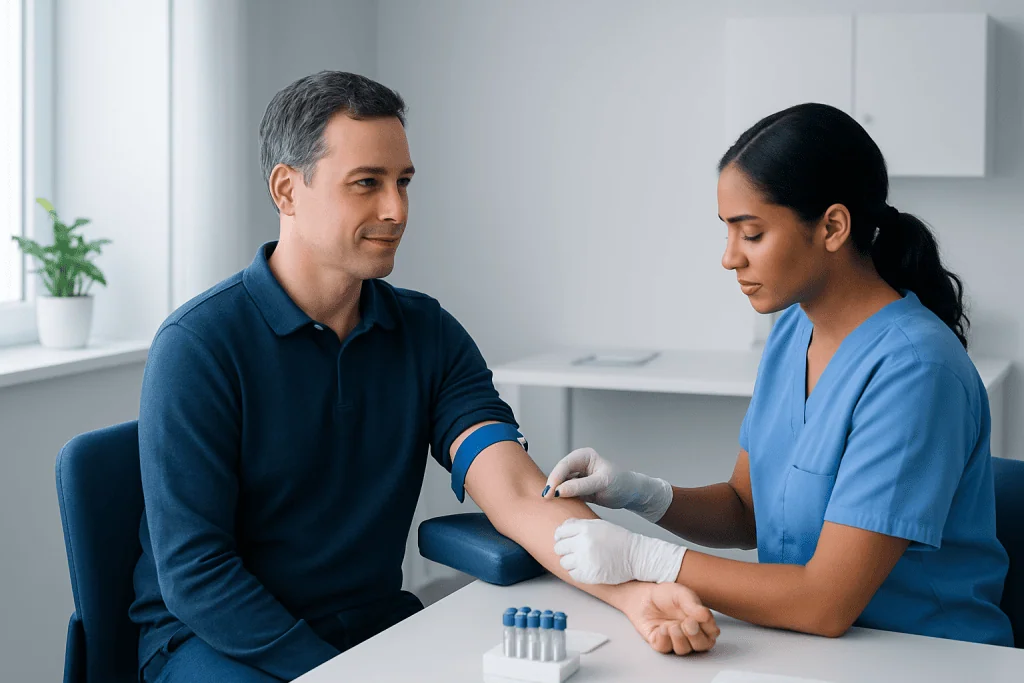
At the appointment, the patient usually checks in and confirms their identity. A nurse, phlebotomist, or another trained healthcare professional will review the requested tests and prepare the equipment. The person taking the sample will usually ask the patient to sit in a chair with an armrest or lie down if there is a risk of dizziness.
To collect blood from a vein, a tourniquet is placed around the upper arm for a short time to make the vein easier to see or feel. The skin is then cleaned with an antiseptic. A sterile needle is inserted into the vein, most often in the inner elbow area. One or more small tubes may be filled, depending on how many tests are ordered. Patients may feel a brief pinch or pressure, but the process is generally quick.
Once enough blood has been collected, the needle is removed and pressure is applied to the site with cotton or gauze. A small bandage may be placed over the area. For certain checks, such as some blood sugar measurements, a finger-prick sample may be used instead of a venous blood draw. In hospital settings or more complex cases, blood may occasionally be collected as part of broader diagnostic services.
- Identity and test request are confirmed.
- The skin is cleaned to reduce infection risk.
- Blood is collected into labeled tubes.
- Pressure and a bandage are applied after the needle is removed.
Common Sensations, Side Effects, and Safety
Most people tolerate a blood test very well. The most common sensation is a quick sting when the needle enters the skin. Some patients notice mild pressure or a pulling feeling while the blood is being collected. These sensations usually last only a short time.
Minor side effects can happen, but they are usually brief and self-limited. A small bruise, tenderness, or slight bleeding at the puncture site is common. Some people feel lightheaded, especially if they are anxious, dehydrated, or have not eaten when fasting was not required. Resting for a few minutes and drinking water afterward often helps.
Serious complications from routine blood tests are uncommon. Infection at the needle site is rare when standard sterile techniques are used. Occasionally, staff may need more than one attempt if veins are difficult to access. Patients should tell the healthcare professional if they have a bleeding disorder, take blood-thinning medicine, have allergies to adhesive dressings, or have had previous problems during blood draws. If there is ongoing concern about unusual bruising or bleeding, a doctor may investigate for hemophilia or other clotting disorders when clinically appropriate.
After the Test and Getting Results
After the blood draw, patients are usually advised to keep pressure on the site for a short time and leave the bandage in place for several minutes or as instructed. Most people can return to normal activities right away. If dizziness occurs, it is best to sit or lie down until the feeling passes. Drinking fluids and having a snack may help, especially after fasting.
Laboratory processing times vary. Some basic tests may be available the same day, while others take longer if they require special analysis. Results are typically sent to the doctor who ordered the test. A normal result does not always rule out illness, and an abnormal result does not always mean a serious problem. The meaning depends on age, sex, symptoms, medicines, and the reason for testing.
Doctors may use blood tests to monitor known conditions, guide further evaluation, or decide whether additional investigations are needed. For example, abnormal blood counts might lead to more focused assessment for anemia, infection, or other medical issues. If results need confirmation, repeat blood testing may be recommended.
Types of Blood Tests That May Be Ordered
Blood tests can measure many different aspects of health. A complete blood count looks at red blood cells, white blood cells, and platelets. A basic or comprehensive metabolic panel provides information about electrolytes, kidney function, and in some cases liver-related markers. Lipid tests assess cholesterol and triglycerides, while glucose testing helps evaluate blood sugar control.
Other blood tests check hormones, vitamins, iron levels, inflammation, immunity, clotting, and markers related to infections. Some are used in preventive health checks, while others are ordered to investigate a specific symptom such as fatigue, weight change, fever, bruising, or abdominal pain. In certain situations, blood work may be part of the assessment for conditions such as diabetes.
Not every blood test gives a final diagnosis by itself. Sometimes a doctor combines blood results with imaging, physical examination, or specialized procedures. Depending on the clinical picture, follow-up may include MRI or other targeted investigations. The choice of tests is based on the patient’s symptoms, history, and medical needs.
Tips to Feel More Comfortable During a Blood Test Visit
Feeling uneasy before a blood draw is common, and simple steps can make the experience easier. Drinking water beforehand, unless instructed otherwise, may help veins become easier to access. Slow breathing, relaxing the shoulders, and looking away from the needle can also reduce stress for many patients.
Patients who are afraid of needles should let the staff know. Experienced professionals can often use techniques such as having the patient lie down, distracting conversation, or taking a slower approach. Children may benefit from age-appropriate explanations and comfort items such as a favorite toy or caregiver support.
People who have had difficult blood draws in the past should mention which arm worked best, whether they tend to faint, or whether they prefer to be lying down. Good communication helps the healthcare team provide safer and more comfortable care. Near the end of the diagnostic process, patients seeking coordinated international care may also learn that Acibadem International’s multidisciplinary specialists and JCI-accredited hospitals provide evaluation and treatment support for a wide range of conditions.
When to Contact a Doctor After a Blood Test
Most mild symptoms after a blood draw improve quickly, but patients should seek medical advice if they notice persistent bleeding, marked swelling, severe pain, spreading redness, or signs of infection at the puncture site. It is also sensible to ask for help if dizziness does not improve with rest, or if fainting occurs.
Patients should contact the doctor who ordered the test if they do not understand the results or if symptoms continue despite normal findings. Blood tests are useful tools, but they are only one part of medical care. Follow-up is especially important if there are ongoing problems such as unexplained fatigue, fever, weight loss, chest symptoms, or unusual bruising.
Any urgent symptom, such as severe shortness of breath, chest pain, confusion, or heavy uncontrolled bleeding, should be treated as a medical emergency rather than waiting for routine test follow-up. In general, clear communication with a qualified healthcare professional is the best way to understand what the results mean and what steps, if any, should come next.
Frequently asked questions
How long does a blood test visit usually take?
The blood draw itself often takes only a few minutes. The full visit may be a little longer because of check-in, identity confirmation, and brief aftercare.
Do all blood tests require fasting?
No, not all blood tests require fasting. Fasting is needed only for certain tests, so patients should follow the specific instructions given by their doctor or laboratory.
Will a blood test be painful?
Most people feel a short pinch or sting when the needle is inserted. Some mild soreness or bruising afterward can happen, but this usually settles on its own.
Can someone eat and drink after a blood test?
In most cases, yes. If fasting was required beforehand, eating and drinking after the test is often encouraged unless the doctor has given different instructions.
What should a patient do if they are afraid of needles?
They should tell the healthcare professional before the test starts. Staff can often help by having the patient lie down, talk through the process calmly, and use simple comfort techniques.
When are blood test results available?
Some routine results may return the same day, while others can take several days or longer. Timing depends on the type of test and the laboratory process.
Does an abnormal blood test always mean something serious?
No, an abnormal result does not automatically mean a serious illness. Results need to be interpreted in context, and sometimes they simply lead to repeat testing or further evaluation.
This article is for general information only and is not a substitute for professional medical advice. Please consult a qualified doctor about your individual situation.
Explore treatments in Turkey — costs, top hospitals & a free quote
JCI-accredited · board-certified surgeons · reply within 24h
Add us as a Preferred Source to see more of our trusted health content across Google Search, AI Overviews and Discover.
Check your numbers in seconds
BMI, calories, due date, blood pressure and 30+ more clinical calculators — free, instant, doctor-reviewed ranges.

More from the Health Library

What Is a Diagnostic Mammogram Result Called Back For?

Lab Appointment vs Walk-In Testing: Which Option Is Better for Patients?

Diagnostic Mammogram: When It Is Used and What to Expect

Saturday Lab Testing: How to Plan Weekend Blood Work and Imaging

Pediatric EEG: How Brain Wave Testing Is Done and How to Prepare