What Happens When You Die? Causes, Explanations, and Next Steps
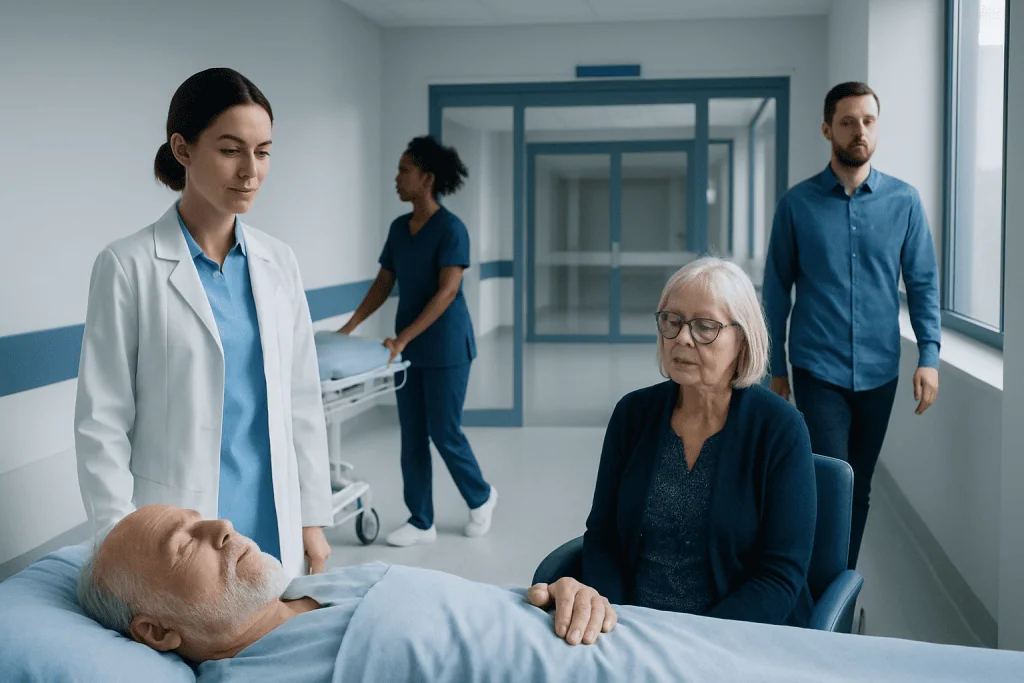
Death is defined medically as the irreversible loss of vital functions, especially breathing, circulation, and brain activity. Many fears about dying are triggered by common symptoms such as dizziness, palpitations, or panic, which are often not life-threatening.
Key Takeaways
- Death is defined medically as the irreversible loss of vital functions, especially breathing, circulation, and brain activity.
- Many fears about dying are triggered by common symptoms such as dizziness, palpitations, or panic, which are often not life-threatening.
- Red-flag symptoms like chest pain, severe shortness of breath, fainting, stroke signs, or major bleeding need urgent medical care.
- Doctors evaluate possible life-threatening causes with a history, physical exam, and tests such as ECGs, blood tests, and imaging.
- The process leading to death can differ widely depending on whether the cause is cardiac, neurologic, respiratory, infectious, traumatic, or related to advanced illness.
- Clear medical evaluation can help identify whether symptoms are harmless, manageable, or need emergency treatment.
What happens when you die medically is that the body permanently stops sustaining essential functions such as breathing, circulation, and brain activity. In many situations, worrying about sudden death is not linked to an immediate danger, but certain symptoms do need prompt medical attention because they may signal a serious underlying condition.
Overview: what happens when you die
Medically, what happens when you die is that the body loses the ability to keep its vital systems working in a lasting, irreversible way. Breathing stops or becomes unable to support oxygen needs, the heart and circulation stop supplying blood effectively, and brain function permanently ceases. Doctors use these changes to define death, whether it follows a sudden event such as cardiac arrest or a gradual decline from serious illness.
For many people, the question comes up because of a frightening sensation rather than an actual life-threatening event. Palpitations, brief dizziness, tingling, panic, fatigue, or a moment of breathlessness can feel alarming, but they are often caused by conditions that are treatable or not dangerous. It is still important to recognize the symptoms that can point to an urgent problem, especially when they are sudden, severe, or worsening.
The way the body reaches death is not the same in every situation. Some people die because the heart suddenly stops pumping effectively, some from overwhelming infection, some from a major brain injury or stroke, and others from advanced cancer or organ failure. Understanding these differences can make the topic less frightening and help people know when to seek medical care for themselves or someone else.
How the body changes near death
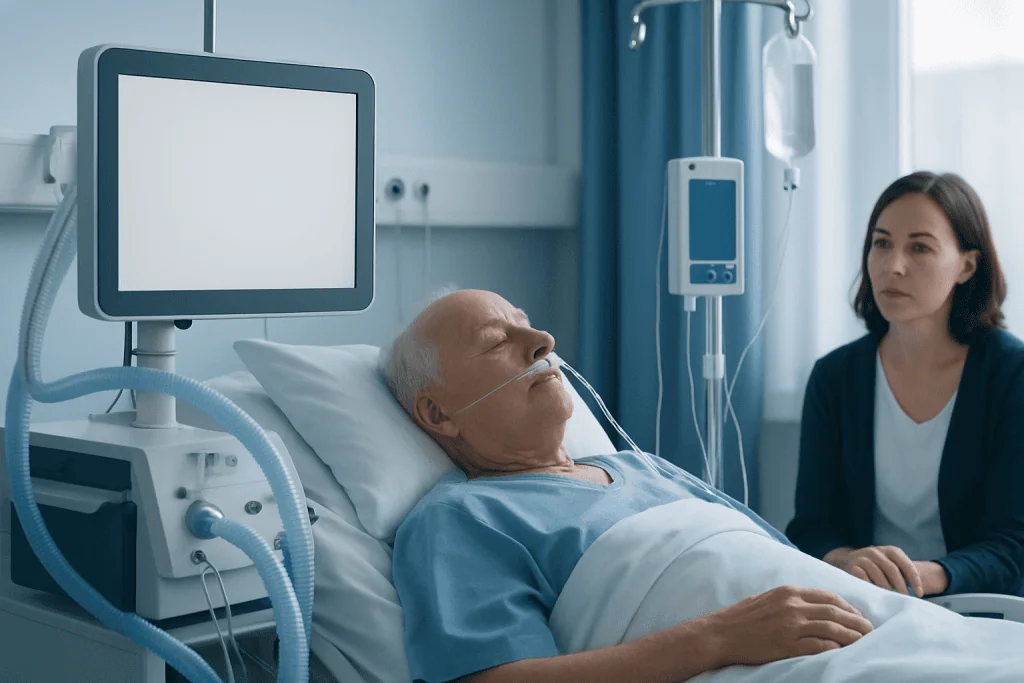
As the body begins to fail, organs no longer receive enough oxygen and nutrients to work normally. The brain may become less alert, the lungs may struggle to exchange oxygen, and the heart may not maintain enough blood pressure and circulation. When these changes become irreversible, recovery is no longer possible.
In a gradual dying process, common end-of-life changes can include increasing sleepiness, confusion, reduced appetite and thirst, slower movement, cooler hands and feet, and changes in breathing patterns. Some people develop irregular breaths, long pauses between breaths, or noisy breathing because secretions are harder to clear. These changes can be part of the natural final stage of advanced illness and do not always mean suffering.
In sudden death, the sequence may be much faster. A person may collapse, stop responding, stop breathing normally, or lose a pulse because of an event such as a severe heart rhythm problem, major trauma, or a catastrophic brain event. In these emergencies, immediate help and basic life support can be critical while emergency teams determine the cause.
Common medical causes of death

Death can result from many different diseases and emergencies. Broadly, the most common pathways involve failure of the heart, lungs, brain, or multiple organs. Cardiovascular causes include heart attack, life-threatening arrhythmias, severe heart failure, and cardiac arrest. Neurologic causes include severe stroke, bleeding in or around the brain, major head injury, and brain swelling.
Respiratory causes include advanced lung disease, severe asthma attacks, pneumonia, pulmonary embolism, and respiratory failure. Infections can also become overwhelming and lead to sepsis, in which the body’s response to infection damages organs. Other causes include severe bleeding, poisoning or overdose, kidney or liver failure, complications of diabetes, and advanced cancer.
Some of the diseases that can underlie sudden or progressive decline include heart attack, stroke, and lung cancer. Each of these conditions can affect vital organs in different ways. A doctor focuses on identifying the immediate cause of symptoms and the underlying condition that may need treatment or long-term management.
- Cardiac causes: heart attack, arrhythmia, cardiac arrest, severe heart failure
- Brain causes: stroke, brain hemorrhage, trauma, severe seizures
- Lung causes: respiratory failure, pneumonia, asthma, pulmonary embolism
- Whole-body causes: sepsis, major bleeding, overdose, organ failure, advanced cancer
Symptoms that may feel like dying but are often not life-threatening
Many people search this topic during moments of fear, especially when symptoms come on suddenly. A racing heart, skipped beats, chest tightness from anxiety, lightheadedness after standing up, shakiness from low blood sugar, or tingling during a panic attack can all create a strong sense of danger. These symptoms deserve attention, but they do not automatically mean a person is dying.
Other non-life-threatening causes can include dehydration, poor sleep, fever, viral illness, anemia, medication side effects, reflux, muscle strain, and stress. In some people, health anxiety can intensify normal body sensations and make them feel overwhelming. When symptoms are brief, mild, and clearly linked to a known benign cause, they are less likely to represent an emergency.
Still, it is safest not to self-diagnose if the symptom is new, severe, recurring, or difficult to explain. A medical review can help separate common, harmless explanations from conditions that need prompt treatment. Reassurance is most useful when it follows an appropriate assessment rather than guesswork.
Red flags and when to seek medical care
Urgent medical care is needed if there is chest pain or pressure, severe shortness of breath, fainting, new confusion, blue lips, seizure, sudden weakness, trouble speaking, severe allergic reaction, heavy bleeding, or signs of major trauma. These symptoms can point to problems involving the heart, lungs, brain, or circulation. They should not be ignored, especially when they start suddenly or worsen quickly.
Emergency help is also important if someone is unresponsive, not breathing normally, gasping, or appears to have no pulse. In that setting, emergency services should be contacted immediately and basic life support started if available. Fast action matters in events such as cardiopulmonary resuscitation, suspected urgent coronary angiography for a heart-related emergency, or emergency care for stroke.
Less urgent but still important reasons to see a doctor include repeated dizziness, unexplained weight loss, persistent fatigue, recurrent palpitations, ongoing shortness of breath, coughing up blood, or swelling in the legs. These are not always emergencies, but they can be clues to conditions that need diagnosis. If a person has advanced illness and new symptoms suggest decline, palliative care or the main treating team should also be contacted for guidance and comfort-focused support.
How doctors assess the risk
When someone feels as if they might die or has symptoms that raise concern, doctors first look for immediate threats to life. They check the airway, breathing, circulation, blood pressure, pulse, oxygen level, temperature, and level of alertness. This first step helps identify whether the situation is stable or needs urgent intervention.
The next step is understanding the pattern of symptoms. A doctor will ask when the symptoms started, how long they lasted, what they felt like, what triggered them, and whether there are associated features such as pain, fever, weakness, or loss of consciousness. Past medical conditions, medicines, family history, smoking, and substance use can all affect the level of risk.
Testing depends on the suspected cause. Common tests include an electrocardiogram, blood tests, pulse oximetry, chest X-ray, echocardiography, CT scans, and brain imaging. In some cases doctors may use MRI scanning or CT imaging to look for stroke, bleeding, blood clots, cancer, or other structural problems. The goal is not just to explain symptoms, but to decide whether treatment is needed right away.
Treatment and support depend on the cause
There is no single treatment for dying because the medical response depends entirely on the underlying problem. Sudden cardiac causes may require defibrillation, medicines, oxygen, procedures to open blocked arteries, or intensive care. Respiratory causes may need oxygen therapy, inhaled medicines, antibiotics, clot treatment, or ventilatory support.
Neurologic emergencies can require stroke treatment, blood pressure control, surgery, seizure management, or neurocritical care. Severe infection may be treated with fluids, antibiotics, organ support, and close monitoring. For some advanced illnesses, the focus may shift from cure to comfort, symptom relief, and support for the patient and family.
When a condition is treatable, early care can improve safety and recovery. When an illness is advanced and not reversible, palliative and hospice teams help manage pain, breathlessness, anxiety, and practical decisions with dignity. Acibadem International’s multidisciplinary specialists and JCI-accredited hospitals also diagnose and treat complex cardiac, neurologic, respiratory, and oncologic conditions for international patients.
Practical self-care and prevention
Although not every cause of death can be prevented, many serious illnesses become less likely when risk factors are addressed early. Regular checkups, management of blood pressure, diabetes, and cholesterol, not smoking, staying physically active, sleeping well, and following prescribed treatment plans all support long-term heart, brain, and lung health. Vaccination and prompt care for infections can also reduce the risk of severe complications.
For people who experience scary but non-emergency symptoms, practical steps include staying hydrated, eating regularly, limiting excess caffeine or alcohol, and keeping a symptom diary. Noting what the symptom feels like, how long it lasts, and what seems to trigger it can help a doctor identify patterns. Mental health support can also be useful when panic or health anxiety is making physical sensations feel more threatening.
Advance care planning is another valuable step, especially for older adults or people with chronic illness. Discussing goals of care, emergency contacts, and medical preferences can reduce uncertainty during a crisis. Understanding what happens medically at the end of life often helps people feel more prepared and less fearful.
Frequently asked questions
What happens in the body when a person dies?
The body can no longer maintain essential functions such as breathing, blood circulation, and brain activity. When these losses are permanent and irreversible, death has occurred. The exact sequence may be sudden or gradual depending on the medical cause.
Can anxiety make someone feel like they are dying?
Yes. Panic and anxiety can cause chest tightness, a racing heart, dizziness, tingling, and a feeling of impending doom. Even so, new or severe symptoms should still be assessed by a healthcare professional because anxiety and medical emergencies can sometimes feel similar.
How do doctors confirm that someone has died?
Doctors confirm death by checking for the permanent absence of breathing, circulation, responsiveness, and neurologic function, following legal and clinical standards. In some situations, additional criteria are used to determine brain death. The process is careful and based on established medical protocols.
What are common signs that someone may be nearing the end of life?
Common signs can include increasing sleepiness, reduced appetite, weakness, confusion, changes in breathing, and cooler hands or feet. These changes are often seen in advanced illness when the body is gradually shutting down. A palliative care team can help explain what is happening and improve comfort.
When should a person seek urgent medical care instead of waiting?
Urgent care is needed for chest pain, severe shortness of breath, fainting, stroke symptoms, heavy bleeding, seizures, blue lips, or sudden confusion. Emergency help is also needed if someone is unresponsive or not breathing normally. These symptoms can signal life-threatening problems that need immediate treatment.
Is feeling like you might die usually a sign of a serious illness?
Not always. Many people have this feeling during panic attacks, dehydration, viral illness, low blood sugar, or brief palpitations that are not dangerous. However, if the feeling comes with severe, persistent, or unexplained symptoms, medical evaluation is the safest next step.
References
- World Health Organization
- Centers for Disease Control and Prevention
- National Institute on Aging
- American Heart Association
- National Institute of Neurological Disorders and Stroke
This article is for general information only and is not a substitute for professional medical advice. Please consult a qualified doctor about your individual situation.
Explore treatments in Turkey — costs, top hospitals & a free quote
JCI-accredited · board-certified surgeons · reply within 24h
Add us as a Preferred Source to see more of our trusted health content across Google Search, AI Overviews and Discover.
Check your numbers in seconds
BMI, calories, due date, blood pressure and 30+ more clinical calculators — free, instant, doctor-reviewed ranges.