What Is a Good Candidate for Remote Patient Monitoring?
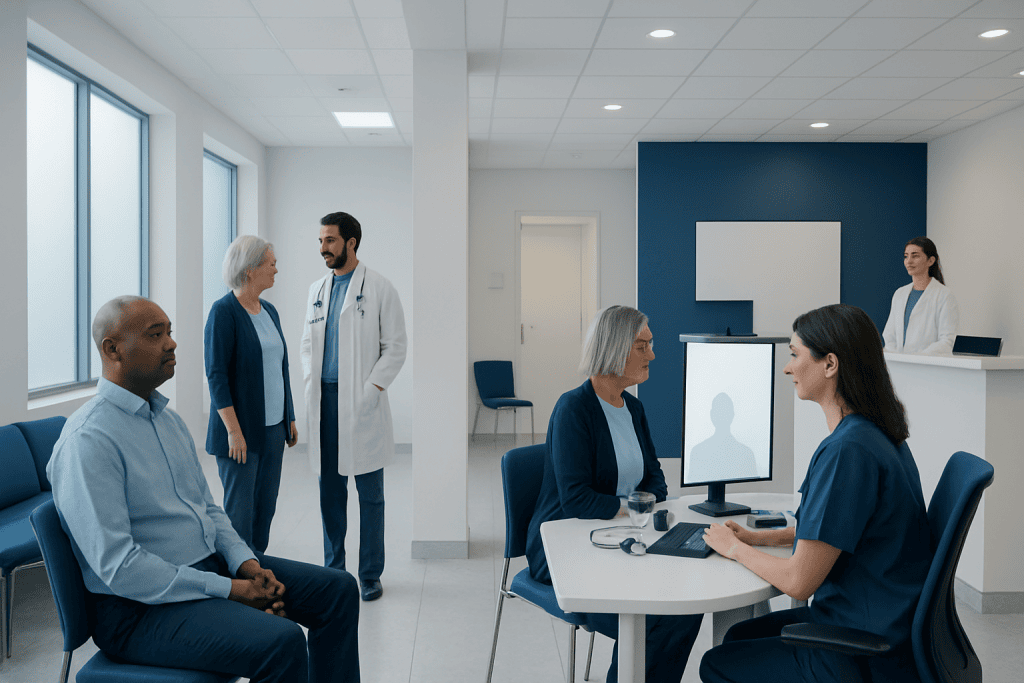
Remote patient monitoring can support people with chronic conditions, post-treatment recovery, or a need for frequent symptom tracking. The best candidates are those whose home measurements can meaningfully guide treatment decisions.
Key Takeaways
- Remote patient monitoring can support people with chronic conditions, post-treatment recovery, or a need for frequent symptom tracking.
- The best candidates are those whose home measurements can meaningfully guide treatment decisions.
- Success depends on the right devices, reliable follow-up, and a patient’s ability to use the system or get help from a caregiver.
- Remote monitoring complements in-person care rather than replacing regular medical visits or emergency care.
- A doctor can decide whether remote patient monitoring is appropriate based on medical history, goals, and practical needs.
Remote patient monitoring helps healthcare teams track health information such as blood pressure, blood sugar, oxygen levels, or weight while a person is at home. A good candidate is usually someone who would benefit from regular monitoring, can use the equipment with support if needed, and has a clear care plan with a medical team.
Overview
Remote patient monitoring is a form of healthcare technology that allows medical teams to follow certain health measurements while a person is at home. Depending on the situation, this may include blood pressure, heart rate, blood sugar, oxygen saturation, weight, temperature, or symptoms recorded through an app or device. The information is then reviewed by a care team, who may use it to spot trends, adjust treatment, or decide when in-person evaluation is needed.
For many people, the main benefit is convenience. Instead of relying only on occasional clinic visits, healthcare providers can see a broader picture of day-to-day health. This can be especially useful when symptoms change over time, when treatment needs careful adjustment, or when a person lives far from a hospital.
Remote patient monitoring does not mean a person is being watched constantly, and it is not the same as emergency care. It is usually part of a structured care plan with agreed goals, clear instructions, and regular communication. The system works best when both the patient and care team understand what data will be tracked and how it will be used.
Who Is Usually a Good Candidate?
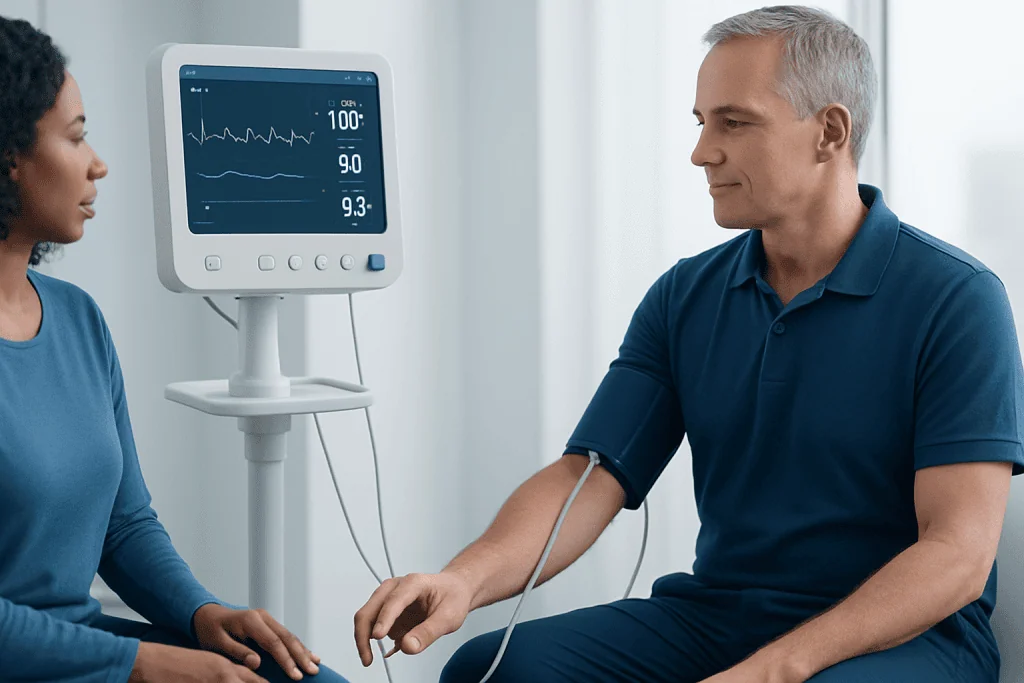
A good candidate for remote patient monitoring is generally someone whose health can be meaningfully assessed through regular home measurements. This often includes people with ongoing conditions that need close follow-up, such as high blood pressure, diabetes, heart failure, chronic lung disease, or recovery after surgery or hospitalization. It may also help people whose symptoms fluctuate and are difficult to capture during a brief clinic appointment.
People managing long-term conditions often benefit because trends matter. For example, repeated home blood pressure readings may guide treatment better than a single office measurement. In the same way, daily weights can help detect fluid changes in heart failure, and home blood sugar readings can support diabetes management. In some cases, remote monitoring may also be used for selected people with heart rhythm problems or sleep-related breathing concerns.
Good candidates are not defined only by diagnosis. They also need a practical ability to participate in the program. This may mean being comfortable using a blood pressure cuff, pulse oximeter, glucometer, or smartphone app. If a patient is not confident with technology, a family member or caregiver can often help, which still makes remote monitoring possible.
- People with chronic conditions needing regular measurements
- Patients recovering after surgery, hospitalization, or treatment changes
- Older adults who need closer follow-up but want to stay at home
- Patients in rural areas or those with limited access to frequent clinic visits
- People with caregiver support who can help use devices and report symptoms
When Remote Monitoring May Be Especially Helpful
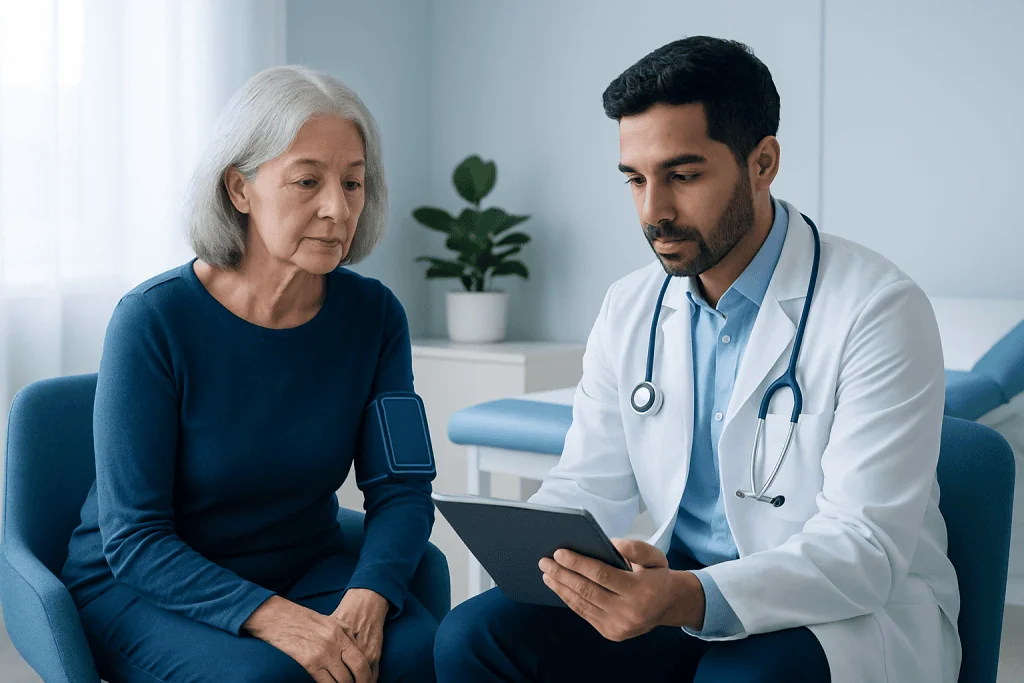
Remote patient monitoring is often most helpful when it can answer a clear clinical question. A doctor may recommend it when they need to know whether blood pressure medicines are working, whether blood sugar is stable, whether oxygen levels are improving, or whether symptoms suggest worsening disease. In these situations, regular data from home can make care more timely and personalized.
It can also be valuable after a hospital stay. Some patients need short-term follow-up while they recover from illness, surgery, or a medication change. Monitoring may help the team identify early warning signs and offer advice sooner. For example, people recovering from heart, lung, or major abdominal procedures may be asked to track symptoms and vital signs at home. In selected cases, follow-up after robotic surgery or heart surgery may include home monitoring as part of recovery planning.
Another important group includes people who have difficulty attending frequent appointments because of mobility issues, distance, work demands, or caregiving responsibilities. For them, remote monitoring can reduce some of the burden of care while keeping communication active. It may also support more confident self-management by helping patients understand how their daily habits affect their health measurements.
Who May Not Be the Best Fit
Remote patient monitoring is useful, but it is not ideal for every person or every medical problem. It may be less helpful when a condition cannot be adequately assessed through home measurements alone. Some problems require a physical examination, imaging, laboratory testing, or urgent in-person evaluation, so a home device would not provide enough information to guide safe care.
It may also be challenging for people who cannot use the equipment safely and do not have caregiver support. Barriers can include severe vision or hearing impairment, major cognitive difficulties, very limited hand function, or unreliable access to electricity, internet, or mobile service. These issues do not automatically rule out monitoring, but they do need thoughtful planning.
In addition, remote monitoring is not a replacement for emergency services. People with severe chest pain, sudden shortness of breath, signs of stroke, major bleeding, or loss of consciousness need immediate medical attention rather than waiting for device data to be reviewed. A care team should always explain what symptoms require urgent help regardless of what the home readings show.
How Doctors Decide If Someone Is a Good Candidate
Doctors usually consider both medical and practical factors before recommending remote patient monitoring. First, they look at whether the person has a condition that can be followed with reliable home data. Then they consider how often measurements are needed, whether those measurements are likely to change treatment, and whether the person understands the purpose of monitoring.
Practical questions are equally important. The care team may ask whether the patient has the necessary devices, internet or phone access, and confidence using the technology. They may also discuss language needs, caregiver availability, and how results will be reviewed. A good program has a clear process for when someone will be contacted, what thresholds matter, and when the patient should schedule an office visit.
Shared decision-making is an important part of the process. Some people value frequent tracking because it feels reassuring and helps them stay engaged. Others may find it stressful or difficult to maintain. The right choice depends on the person’s health goals, daily routine, and relationship with their care team. In some settings, specialists may combine remote monitoring with check-up and screening visits or other telehealth follow-up to build a more complete care plan.
Benefits and Limits of Remote Patient Monitoring
One of the main advantages of remote patient monitoring is that it can provide a more realistic view of everyday health. Measurements taken at home may better reflect usual blood pressure, blood sugar, weight, or oxygen levels than a reading taken during a short clinic visit. This can help doctors make more informed decisions and may allow earlier action if trends begin to change.
Remote monitoring can also encourage patient involvement. Many people become more aware of patterns related to diet, exercise, sleep, medication use, or stress. This may strengthen self-management and improve communication during appointments because both the patient and doctor can review the same information.
At the same time, there are limits. Device readings can be inaccurate if the equipment is not used properly. Too much data may feel overwhelming for some patients. Monitoring can also create false reassurance if a person ignores important symptoms because the latest numbers look normal. For these reasons, remote monitoring works best as one part of care, not the whole of care. In complex situations, additional testing such as MRI or in-person assessment may still be needed.
How to Succeed With Home Monitoring
People who start remote patient monitoring usually do best when they receive clear instructions from the beginning. This includes knowing when to take readings, how to position the device correctly, what symptoms to record, and how often the care team reviews the data. Simple routines, such as measuring at the same time each day, can make the information more useful and easier to compare over time.
It is also helpful to understand what the numbers mean and what they do not mean. A single reading is not always a cause for concern, but a pattern of change may matter. Patients should ask what level or symptom should prompt them to call the clinic, arrange an earlier visit, or seek urgent care. Writing these instructions down can reduce uncertainty.
Caregiver support can make a major difference, especially for older adults or people recovering from illness. A family member may help with devices, reminders, and communication. Near the end of the care journey, some international patients choose to continue follow-up through coordinated programs; Acibadem International’s multidisciplinary specialists and JCI-accredited hospitals diagnose and treat conditions that may benefit from technology-supported follow-up for eligible patients.
When to Speak With a Doctor
Anyone wondering whether remote patient monitoring is right for them should discuss it with a qualified doctor. This is especially important for people with chronic heart, lung, metabolic, or recovery-related needs, and for those who have frequent changes in symptoms between appointments. A doctor can explain whether home data would improve decision-making and what equipment might be needed.
It is also worth asking about costs, training, privacy, and the expected response time if concerning readings are recorded. Some programs involve daily review, while others focus more on trends over days or weeks. Understanding these details helps set realistic expectations and prevents confusion about what the service can and cannot do.
People should seek urgent medical care rather than relying on remote monitoring if they develop severe or rapidly worsening symptoms. Warning signs include chest pain, sudden severe shortness of breath, fainting, stroke-like symptoms, or confusion. Remote monitoring is a helpful tool, but it should always be used within a broader medical plan.
Frequently asked questions
What is remote patient monitoring?
Remote patient monitoring is a healthcare approach that uses home devices or digital tools to collect health data outside the clinic. A care team reviews the information to help track symptoms, guide treatment, and decide when follow-up is needed.
Who benefits most from remote patient monitoring?
People with chronic conditions such as high blood pressure, diabetes, heart failure, or chronic lung disease often benefit most. It can also help patients recovering after hospitalization, surgery, or medication changes when regular home measurements are useful.
Do patients need to be good with technology to use remote monitoring?
Not always. Many systems are designed to be simple, and some patients receive training before starting. If needed, a family member or caregiver can help with devices, apps, and communication with the medical team.
Can remote patient monitoring replace doctor visits?
No. Remote patient monitoring supports care, but it does not fully replace in-person appointments, examinations, or emergency treatment. Doctors still need to assess many conditions face to face and may order tests that cannot be done at home.
What kinds of health data are usually monitored at home?
Common examples include blood pressure, blood sugar, weight, heart rate, oxygen saturation, temperature, and symptom reports. The exact data depend on the person’s condition and what the doctor needs to follow.
Is remote patient monitoring only for older adults?
No. Although it can be very helpful for older adults, it may also benefit younger people with chronic illness, pregnancy-related monitoring needs, or recovery after treatment. Suitability depends more on the medical goal than on age alone.
References
- World Health Organization
- Centers for Disease Control and Prevention
- American Heart Association
- American Diabetes Association
- National Institutes of Health
This article is for general information only and is not a substitute for professional medical advice. Please consult a qualified doctor about your individual situation.
Heart care in Turkey — expert evaluation and treatment
JCI-accredited · board-certified surgeons · reply within 24h
Add us as a Preferred Source to see more of our trusted health content across Google Search, AI Overviews and Discover.
Check your numbers in seconds
BMI, calories, due date, blood pressure and 30+ more clinical calculators — free, instant, doctor-reviewed ranges.