What Is a Neurodegenerative Disease? Meaning, Causes, and Common Types

Neurodegenerative diseases involve progressive damage to nerve cells and can affect movement, memory, language, behavior, or multiple functions. Common examples include Alzheimer’s disease, Parkinson’s disease, amyotrophic lateral sclerosis (ALS), and Huntington’s disease.
Key Takeaways
- Neurodegenerative diseases involve progressive damage to nerve cells and can affect movement, memory, language, behavior, or multiple functions.
- Common examples include Alzheimer’s disease, Parkinson’s disease, amyotrophic lateral sclerosis (ALS), and Huntington’s disease.
- Causes are often complex and may include age-related changes, genetics, abnormal protein buildup, inflammation, and environmental factors.
- Diagnosis usually combines a medical history, neurological examination, brain imaging, and selected laboratory or genetic tests.
- While many neurodegenerative diseases cannot yet be cured, treatment can reduce symptoms, support function, and improve quality of life.
A neurodegenerative disease is a condition in which nerve cells in the brain, spinal cord, or peripheral nervous system gradually lose function and may die over time. These disorders can affect memory, thinking, movement, speech, behavior, and daily independence, but early evaluation and supportive care can help people manage symptoms and plan treatment.
Overview
A neurodegenerative disease is a condition that causes gradual damage to neurons, the specialized cells that carry signals in the nervous system. As these cells stop working properly or die, the brain and nerves can no longer communicate as efficiently. This can lead to changes in movement, memory, thinking, mood, speech, swallowing, or sensation, depending on which areas are affected.
The term does not refer to one single illness. Instead, it describes a group of disorders with different patterns and symptoms. Some mainly affect memory and thinking, as in Alzheimer’s disease. Others mostly affect movement, as in Parkinson’s disease, while some affect both movement and cognition.
Most neurodegenerative diseases develop slowly over time. Symptoms may be mild at first and gradually become more noticeable. The pace of progression varies widely from one person to another, so two people with the same diagnosis may have different experiences.
Although these conditions are more common with older age, they are not considered a normal part of aging. Ongoing medical care, rehabilitation, and practical support can help many people maintain independence for as long as possible.
Common Types of Neurodegenerative Disease
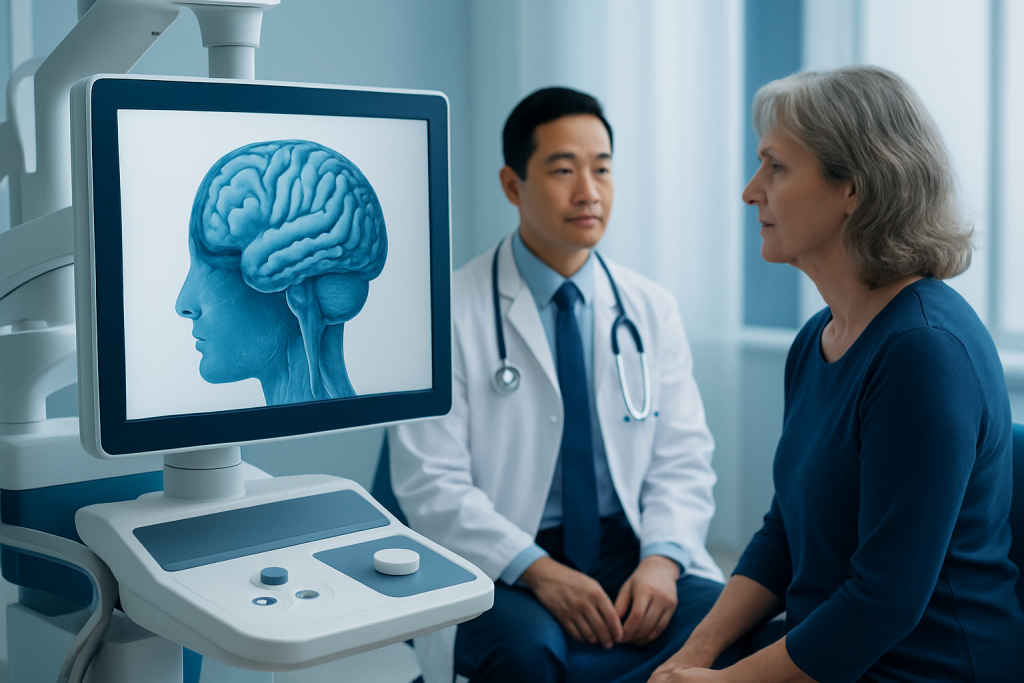
There are many types of neurodegenerative disease, and doctors classify them by the main part of the nervous system involved and the symptoms they cause. Some primarily affect cognition, some affect movement, and some involve muscles, coordination, behavior, or a combination of these functions.
Common examples include:
- Alzheimer’s disease: mostly affects memory, thinking, orientation, and daily functioning.
- Parkinson’s disease: commonly causes tremor, slowness, stiffness, and balance problems, and may also affect mood and thinking.
- Amyotrophic lateral sclerosis (ALS): damages motor neurons and leads to progressive muscle weakness, speech, swallowing, and breathing difficulties.
- Huntington’s disease: an inherited disorder that can cause involuntary movements, cognitive decline, and psychiatric symptoms.
- Frontotemporal dementia: often causes changes in personality, behavior, language, or decision-making.
- Multiple system atrophy and progressive supranuclear palsy: less common disorders that affect movement, balance, and autonomic function.
These conditions may sometimes share overlapping features, which can make early diagnosis challenging. A person may first notice mild forgetfulness, slower walking, hand tremor, clumsiness, speech changes, or personality changes before the full pattern becomes clear.
Understanding the specific type matters because treatment, expected progression, and support needs can differ. In some cases, a person may be referred to a memory specialist, movement disorders neurologist, or a multidisciplinary team for more detailed assessment.
Symptoms and How They Can Affect Daily Life

Symptoms depend on which nerve cells are affected. When the disease involves areas responsible for memory and reasoning, a person may have trouble learning new information, organizing tasks, finding words, or recognizing familiar places. When movement-related brain pathways are involved, symptoms may include tremor, stiffness, slowed movement, balance problems, muscle weakness, or difficulty coordinating actions.
Other symptoms can include changes in mood, sleep, swallowing, facial expression, handwriting, or bowel and bladder control. Some people develop speech difficulties or notice that everyday tasks take more effort than before. In later stages, support with meals, mobility, dressing, or communication may become necessary.
Symptoms often begin gradually and may be mistaken for stress, aging, or minor health changes. Family members sometimes notice early clues before the person does, especially if there are subtle changes in judgment, behavior, or safety awareness.
The impact on daily life can be emotional as well as physical. Many people worry about independence, work, driving, and relationships. Reassuringly, early diagnosis can help families understand the cause of symptoms, begin treatment sooner, and plan practical supports before problems become more advanced.
Causes and Risk Factors
The exact cause of many neurodegenerative diseases is not fully understood. In most cases, several biological processes seem to play a role rather than one single trigger. Researchers commonly study abnormal protein buildup, oxidative stress, mitochondrial dysfunction, inflammation, impaired waste removal inside cells, and changes in the connections between neurons.
Age is one of the strongest risk factors for many neurodegenerative disorders, but age alone does not explain them. Genetics can also be important. Some conditions, such as Huntington’s disease, have a clear inherited cause. Others may involve a combination of inherited susceptibility and environmental influences.
Additional risk factors may include family history, certain vascular risk factors, previous head injury, and exposure to some toxins in selected disorders. In diseases that affect memory and cognition, general brain health may also be influenced by blood pressure, diabetes, sleep quality, physical activity, and hearing loss, among other factors.
It is important to remember that having a risk factor does not mean a person will definitely develop a neurodegenerative disease. Likewise, some people are diagnosed even without an obvious family history or known trigger. This is one reason why a thorough medical evaluation is so important.
How Neurodegenerative Diseases Are Diagnosed
Diagnosis usually begins with a detailed medical history and neurological examination. The doctor will ask about the timeline of symptoms, daily functioning, family history, medications, mood, sleep, and any changes in walking, speech, or memory. Input from a family member or caregiver can be especially helpful, since some changes are easier for others to notice.
Tests are used to understand the pattern of symptoms and rule out other conditions that can mimic neurodegeneration. Depending on the situation, evaluation may include blood tests, cognitive screening, formal neuropsychological testing, brain imaging such as MRI, and sometimes specialized scans. If inherited disease is suspected, genetic counseling and testing may be discussed.
Doctors also consider potentially reversible causes of cognitive or neurological symptoms, such as vitamin deficiencies, thyroid disorders, medication side effects, sleep disorders, infections, or structural problems in the brain. In some cases, diagnosis becomes clearer over time as symptoms evolve and follow-up assessments are completed.
A multidisciplinary approach can be useful, especially for complex cases. This may include neurology, geriatrics, psychiatry, rehabilitation specialists, speech and language therapists, and nutrition professionals. When needed, doctors may use advanced neurological assessment and neurology care to clarify the diagnosis and build a treatment plan.
Treatment Options and Supportive Care
Most neurodegenerative diseases do not yet have a cure, but treatment can still make a meaningful difference. Care focuses on relieving symptoms, maintaining function, improving safety, and supporting quality of life. The exact plan depends on the diagnosis, symptoms, stage of disease, and the person’s goals and daily needs.
Medicines may be used to help with memory symptoms, tremor, stiffness, mood changes, sleep disturbance, drooling, bladder symptoms, or other specific problems. Not every medicine is suitable for every patient, and treatment is usually adjusted over time as needs change. Ongoing follow-up is important because both the disease and its response to treatment can evolve.
Rehabilitation is often a central part of care. Physical therapy can support balance, strength, and mobility; occupational therapy can help with daily activities and home safety; and speech therapy can assist with communication and swallowing. Depending on the condition, some people may benefit from physical therapy and rehabilitation or a dedicated movement disorders evaluation for symptoms such as tremor, slowness, or gait changes.
Caregiver education and emotional support are also essential. Families may need guidance about nutrition, fall prevention, medication routines, legal planning, and long-term care options. Near the end of the care journey, palliative care can help manage symptoms and align treatment with the person’s values and comfort.
Prevention, Brain Health, and Self-care
Not all neurodegenerative diseases can be prevented, especially those with a strong genetic basis. Still, healthy lifestyle choices may support overall brain and vascular health and may reduce the risk of some conditions or help symptoms be managed more effectively. These habits are useful for the nervous system at every age.
General measures include regular physical activity, good sleep, a balanced diet, treatment of hearing or vision problems, stress management, and staying socially and mentally engaged. Managing blood pressure, diabetes, cholesterol, and smoking is also important because vascular health affects brain health.
For people already living with a neurodegenerative disease, self-care often means creating routines and using practical supports. Helpful steps may include taking medications consistently, using calendars or reminders, removing fall hazards at home, choosing supportive shoes, and discussing driving safety when needed. Caregivers also benefit from respite, support groups, and realistic planning.
If symptoms involve weakness, mobility problems, or swallowing difficulty, a professional assessment is safer than trying to manage alone. In some situations, coordinated care at specialized centers can help patients access rehabilitation, speech and swallowing support, and advanced assessment. Acibadem International’s multidisciplinary specialists and JCI-accredited hospitals diagnose and treat neurodegenerative conditions for international patients when expert evaluation is needed.
When to See a Doctor
A person should see a doctor if there are persistent changes in memory, thinking, balance, movement, speech, behavior, or muscle strength. Symptoms that gradually worsen over weeks, months, or years deserve medical attention, even if they seem mild at first. Early assessment can identify treatable causes and help start supportive care sooner.
Urgent evaluation is important if symptoms come on suddenly, because problems such as stroke, infection, or severe metabolic disturbances can mimic neurological disease. Warning signs that should not be ignored include sudden confusion, one-sided weakness, severe trouble speaking, new seizures, or a rapid decline in alertness.
It is also wise to seek help if symptoms begin affecting work, driving, finances, medication management, or personal safety. Family members should feel comfortable raising concerns, especially when they notice repeated falls, wandering, choking episodes, significant personality changes, or unsafe decisions.
Regular follow-up matters after diagnosis as well. Doctors can monitor progression, adjust treatment, address new symptoms, and arrange therapies or support services. With the right medical team and a clear plan, many people and families feel more informed and better prepared for the changes ahead.
Frequently asked questions
What does neurodegenerative disease mean?
Neurodegenerative disease means a disorder in which nerve cells gradually lose function and may die over time. This damage can affect memory, thinking, movement, speech, behavior, or other nervous system functions, depending on the area involved.
Is neurodegenerative disease the same as dementia?
No. Dementia is a clinical syndrome that affects memory, thinking, and daily function, while neurodegenerative disease is a broader category of disorders that damage the nervous system. Some neurodegenerative diseases cause dementia, but others mainly affect movement or muscles.
What are the most common neurodegenerative diseases?
Common examples include Alzheimer’s disease, Parkinson’s disease, amyotrophic lateral sclerosis (ALS), Huntington’s disease, and frontotemporal dementia. Each has its own pattern of symptoms, progression, and treatment needs.
Can neurodegenerative diseases be cured?
Many neurodegenerative diseases cannot currently be cured, but treatment can still help. Medicines, rehabilitation, symptom management, and practical support may improve comfort, function, and quality of life.
Are neurodegenerative diseases hereditary?
Some are, but not all. Certain disorders, such as Huntington’s disease, are strongly inherited, while others may involve a mix of genetics, age, and environmental factors. A doctor may recommend genetic counseling when family history suggests an inherited condition.
How are neurodegenerative diseases diagnosed?
Diagnosis usually involves a medical history, neurological exam, and tests such as blood work, cognitive assessment, and brain imaging. In selected cases, doctors may also use neuropsychological testing, specialized scans, or genetic testing.
Can lifestyle changes help with neurodegenerative disease?
Healthy habits cannot cure these conditions, but they can support overall brain and body health. Regular activity, good sleep, balanced nutrition, social connection, and management of blood pressure or diabetes may help maintain function and well-being.
References
- World Health Organization
- National Institute on Aging
- National Institute of Neurological Disorders and Stroke
- Alzheimer's Association
- Parkinson's Foundation
This article is for general information only and is not a substitute for professional medical advice. Please consult a qualified doctor about your individual situation.
Joint and spine care in Turkey — expert assessment & treatment
JCI-accredited · board-certified surgeons · reply within 24h
Add us as a Preferred Source to see more of our trusted health content across Google Search, AI Overviews and Discover.

More from the Health Library



Related Specialists

Dt. Aydın Akçakoca
Oral & Dental Health
Prof. Dr. Mahir Gülşen
Orthopedic Surgery & Traumatology
Dr. Yalda Kargar
Inpatient Clinic Physicians Clinical Service
Prof. Dr. Hülya Dede
Gynecology & Obstetrics