What Is a Neuromodulator in Medicine?

Neuromodulators change nerve activity rather than simply blocking or stimulating it in one fixed way. The term may describe natural body chemicals, medications, or implanted and noninvasive therapies.
Key Takeaways
- Neuromodulators change nerve activity rather than simply blocking or stimulating it in one fixed way.
- The term may describe natural body chemicals, medications, or implanted and noninvasive therapies.
- Neuromodulation can help with pain, movement disorders, bladder problems, epilepsy, spasticity, and some mental health conditions.
- Treatment choice depends on the condition, symptom severity, overall health, and response to other therapies.
- A specialist evaluation is important because benefits, risks, and expected results vary by person and treatment type.
A neuromodulator in medicine is a substance or treatment that changes how nerves communicate. Depending on the context, the term can refer to natural chemical messengers in the body, medicines that affect nerve signaling, or device-based therapies used to manage symptoms and improve function.
Overview: what a neuromodulator means in medicine
In medicine, a neuromodulator is something that changes the way nerves send, receive, or process signals. This can happen through naturally occurring chemicals in the body, through medicines, or through devices that deliver targeted electrical stimulation. The shared idea is that neuromodulation adjusts communication within the nervous system rather than removing tissue or treating symptoms in a purely mechanical way.
The term is broad, so its meaning depends on the clinical setting. In neuroscience, neuromodulators may refer to chemical messengers such as dopamine, serotonin, acetylcholine, and norepinephrine, which influence how brain and nerve cells interact. In clinical care, the term may also describe treatments that alter nerve pathways to reduce pain, control tremor, improve bladder function, or support symptom management in several neurological and non-neurological conditions.
Neuromodulation is not one single treatment. It includes medication-based approaches and device-based therapies such as spinal cord stimulation, deep brain stimulation, vagus nerve stimulation, and sacral nerve stimulation. Some therapies are temporary or noninvasive, while others involve a surgical procedure to place a device. A doctor helps decide which option, if any, fits a person’s diagnosis and goals.
How neuromodulators work
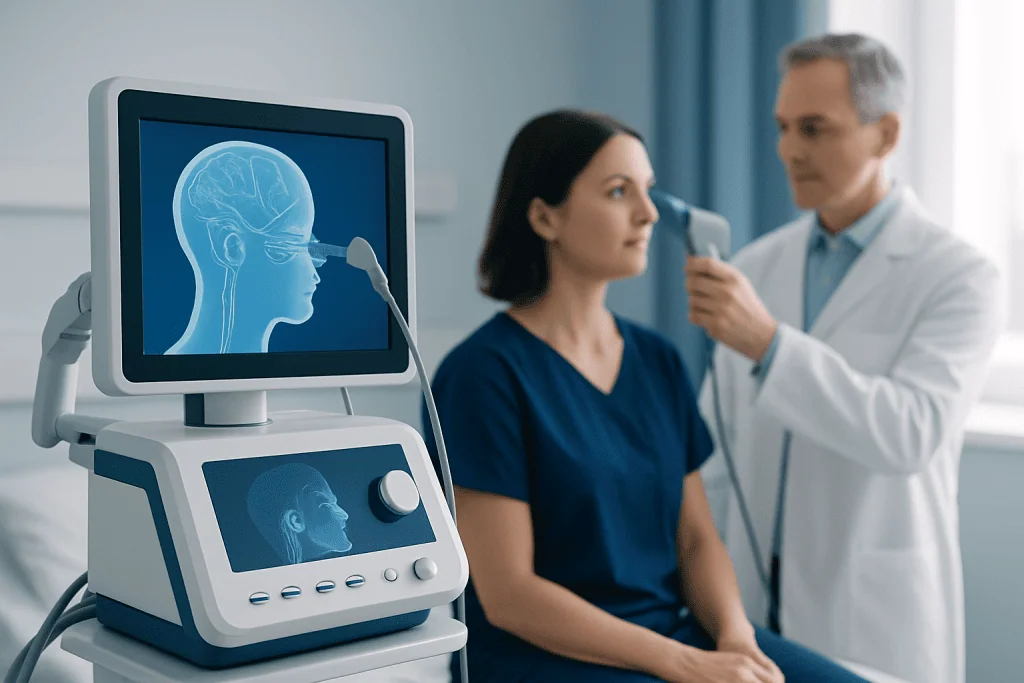
The nervous system depends on electrical and chemical messages moving between nerve cells, the spinal cord, and the brain. A neuromodulator works by changing the strength, timing, or pattern of these messages. That change may reduce abnormal signaling, strengthen helpful signaling, or make the nervous system less sensitive to unwanted input such as chronic pain.
Unlike treatments that aim to destroy a nerve or remove a damaged area, neuromodulation usually tries to fine-tune function. For example, a medication may affect receptors involved in nerve transmission, while an implanted device may deliver small electrical impulses to a targeted area. In both cases, the goal is to improve symptoms by reshaping communication within the nervous system.
Different neuromodulators act in different ways. Some influence neurotransmitters in the brain. Others change the activity of peripheral nerves, the spinal cord, or specific brain circuits. This is why one neuromodulation treatment may be used for pain, while another is used for movement problems, bladder symptoms, or seizures.
- Chemical neuromodulators affect receptors and neurotransmitter systems.
- Electrical neuromodulation uses controlled stimulation to influence nerve circuits.
- Some approaches are reversible and adjustable over time.
- Response can vary, so treatment is often individualized.
Types of neuromodulators and neuromodulation therapies

There are three main ways the word neuromodulator is used in medicine. First, it can refer to the body’s own chemical messengers that influence nerve activity. Second, it can describe medicines that alter those pathways, such as drugs that affect dopamine, serotonin, or other neurotransmitters. Third, it can refer to device-based therapies that send electrical signals to specific nerves or parts of the nervous system.
Device-based neuromodulation includes several established therapies. Deep brain stimulation may be used in selected cases of movement disorders such as Parkinson's disease or certain forms of dystonia. Spinal cord stimulation can help some people with long-standing neuropathic pain. Sacral nerve stimulation may be considered for selected bladder or bowel control problems, and vagus nerve stimulation may be used in some people with epilepsy or treatment-resistant depression.
There are also noninvasive approaches. Depending on the condition, these may include transcranial magnetic stimulation, external nerve stimulation, or other technologies used under specialist guidance. In some care plans, neuromodulation is combined with rehabilitation, medication, psychological support, and lifestyle changes to provide broader symptom relief.
When appropriate, specialists may discuss treatments such as deep brain stimulation, spinal cord stimulation, or vagus nerve stimulation as part of a broader management plan. The best option depends on the diagnosis, symptom pattern, and how well other treatments have worked.
Conditions neuromodulators may help treat
Neuromodulation can be helpful in many areas of medicine because abnormal nerve signaling contributes to a wide range of symptoms. In neurology, it may be used for movement disorders, epilepsy, spasticity, chronic migraine in selected settings, and some forms of chronic pain. In urology and pelvic health, it may support treatment for overactive bladder, urinary retention, or bowel dysfunction in carefully selected patients.
Pain medicine is another important area. Some people with persistent nerve-related pain, failed back surgery syndrome, or complex regional pain syndrome may benefit from neuromodulation when standard treatments have not provided enough relief. The aim is often to improve daily functioning and quality of life rather than to promise complete symptom removal.
Neuromodulation may also play a role in mental health care and rehabilitation. Certain therapies are used in selected cases of depression, obsessive-compulsive disorder, or recovery support after neurological injury, although suitability varies and specialist assessment is essential. In some patients with epilepsy, device-based neuromodulation can reduce seizure burden when medication alone is not enough.
- Movement disorders such as tremor, dystonia, and Parkinsonian symptoms
- Chronic neuropathic pain and some pain syndromes
- Epilepsy and selected seizure disorders
- Bladder or bowel dysfunction in certain patients
- Spasticity and some rehabilitation-related symptoms
Evaluation and diagnosis before treatment
Before recommending a neuromodulator or neuromodulation therapy, doctors first confirm the diagnosis and understand the symptom pattern. This usually begins with a detailed medical history, neurological or physical examination, review of previous treatments, and discussion of how symptoms affect daily life. It is important to identify what has already been tried and whether the main goal is pain relief, movement improvement, seizure reduction, better bladder control, or another outcome.
Further tests depend on the condition. These may include blood tests, imaging such as MRI or CT, nerve studies, bladder function tests, or evaluations by specialists in neurology, pain medicine, psychiatry, rehabilitation, or neurosurgery. For device-based treatment, doctors also assess overall health, ability to undergo a procedure, and whether the expected benefits outweigh the possible risks.
Many neuromodulation plans are decided by a multidisciplinary team. This is especially important for implanted devices, where programming, follow-up, and long-term monitoring matter just as much as the procedure itself. Clear expectations are essential: neuromodulation often aims to improve symptoms and function, but results are different for each person.
Treatment options, benefits, and possible risks
Treatment options range from medicines to implantable or noninvasive stimulation therapies. Medication-based neuromodulators may be part of treatment for mood disorders, movement disorders, pain, or other neurological symptoms. Device-based therapies are usually considered when symptoms are persistent, disabling, or not adequately controlled with standard treatments alone.
Potential benefits of neuromodulation include better symptom control, reduced pain intensity, improved movement, fewer seizures in some patients, and better day-to-day function. Some device-based treatments are adjustable and reversible, which can be an advantage when compared with irreversible procedures. However, even when treatment works well, it may not remove the underlying condition.
Possible risks depend on the type of neuromodulator. Medications may cause side effects such as sleepiness, dizziness, nausea, mood changes, or interactions with other drugs. Implanted devices may carry risks related to surgery, such as infection, bleeding, lead movement, hardware malfunction, or the need for future battery replacement or reprogramming. Noninvasive methods can also have limitations or side effects, though these are often milder.
Decisions are made carefully, balancing symptom severity, likely benefits, alternatives, and patient preferences. In experienced centers, specialists may coordinate medical therapy, rehabilitation, and advanced options such as sacral nerve stimulation where clinically appropriate. Treatment works best when follow-up is consistent and patients understand the purpose and limits of therapy.
Self-care, follow-up, and living with neuromodulation
Neuromodulation usually works best as part of a broader care plan. Depending on the condition, this may include physical therapy, exercise, sleep support, stress management, counseling, bladder training, or healthy lifestyle habits. These measures do not replace specialist treatment, but they may improve overall results and help people stay active and independent.
Follow-up is especially important for device-based neuromodulation. Devices may need programming changes over time to match symptom changes and improve benefit. Patients are usually given practical guidance about activity, wound care after implantation, travel, medical scans, and when to contact the care team.
People living with chronic neurological symptoms can also benefit from tracking symptom patterns, triggers, medication effects, and daily function. This information helps doctors adjust treatment more precisely. Near the end of the care journey, some patients choose specialized centers such as Acibadem International, where multidisciplinary specialists in JCI-accredited hospitals evaluate and treat neuromodulation-related conditions for international patients.
When to see a doctor
A person should speak with a doctor if symptoms such as chronic pain, tremor, stiffness, seizures, bladder control problems, or unexplained nerve-related symptoms are interfering with daily life. Early assessment can help identify whether the cause is neurological, musculoskeletal, urological, or related to another health issue. It can also prevent delays in finding treatments that may improve function and comfort.
Medical review is especially important if symptoms are getting worse, current treatment is no longer helping, or side effects are limiting daily activities. People who have already tried standard therapies without enough improvement may wish to ask whether neuromodulation is appropriate for their situation. A specialist can explain what type of neuromodulator, if any, may be relevant.
Urgent medical attention is needed for sudden weakness, new confusion, loss of consciousness, severe or rapidly worsening headache, new seizure activity, chest pain, difficulty breathing, or loss of bladder or bowel control with back pain or leg weakness. These symptoms can have many causes and should not be managed with self-treatment alone.
Frequently asked questions
Is a neuromodulator the same as a neurotransmitter?
Not exactly. A neurotransmitter usually carries a direct signal from one nerve cell to another, while a neuromodulator changes how strongly or efficiently those signals work. In everyday medical use, however, the terms may overlap depending on the context.
Are neuromodulators only medicines?
No. In medicine, neuromodulators may refer to natural body chemicals, prescription medicines, or device-based treatments that alter nerve signaling. The meaning depends on whether the discussion is about biology, medication, or a specific therapy.
What conditions are commonly treated with neuromodulation?
Neuromodulation may be used for selected cases of chronic pain, movement disorders, epilepsy, bladder dysfunction, bowel dysfunction, and some mental health conditions. It is also used in certain rehabilitation settings. A specialist decides whether it fits the diagnosis and symptom pattern.
Is neuromodulation permanent?
Many neuromodulation treatments are adjustable, and some are reversible. For implanted devices, settings can often be changed over time to improve benefit or reduce side effects. This flexibility is one reason neuromodulation may be considered in carefully selected patients.
Does neuromodulation cure disease?
Usually, neuromodulation helps manage symptoms rather than curing the underlying disease. Its goals may include reducing pain, improving movement, lowering seizure frequency, or improving bladder control. The level of benefit varies from person to person.
How is someone assessed for a neuromodulation treatment?
Assessment usually includes a medical history, physical or neurological examination, review of previous treatments, and condition-specific testing. For implanted devices, doctors also consider overall health, procedural risks, and realistic goals. Multidisciplinary evaluation is often helpful.
References
- World Health Organization
- National Institute of Neurological Disorders and Stroke
- National Institute for Health and Care Excellence
- International Neuromodulation Society
- American Association of Neurological Surgeons
This article is for general information only and is not a substitute for professional medical advice. Please consult a qualified doctor about your individual situation.
Explore treatments in Turkey — costs, top hospitals & a free quote
JCI-accredited · board-certified surgeons · reply within 24h
Add us as a Preferred Source to see more of our trusted health content across Google Search, AI Overviews and Discover.