What Is a Neurophysiology Department? Services You May Find There

A neurophysiology department focuses on function, showing how the nervous system is working in real time. Common tests include EEG, EMG, nerve conduction studies, evoked potentials, and sleep studies.
Key Takeaways
- A neurophysiology department focuses on function, showing how the nervous system is working in real time.
- Common tests include EEG, EMG, nerve conduction studies, evoked potentials, and sleep studies.
- These tests help investigate symptoms such as seizures, tingling, weakness, muscle twitching, and sleep-related concerns.
- Most neurophysiology tests are outpatient procedures and do not require surgery.
- Results are interpreted together with symptoms, physical examination, and imaging when needed.
A neurophysiology department assesses how the brain, spinal cord, nerves, and muscles are working. It uses specialized tests to help doctors diagnose symptoms such as seizures, numbness, weakness, sleep problems, and unexplained episodes of altered awareness.
Overview: What a Neurophysiology Department Does
A neurophysiology department is a specialist hospital or clinic service that studies the function of the nervous system. While scans such as MRI or CT show structure, neurophysiology tests show how the brain, spinal cord, peripheral nerves, muscles, and related pathways are working. This functional information can be very helpful when symptoms are present but the cause is not yet clear.
Doctors may request neurophysiology testing for a wide range of concerns. These include possible seizures, blackouts, headaches with unusual symptoms, numbness, tingling, weakness, tremor, muscle cramps, balance changes, memory-related episodes, and sleep disturbances. In children and adults alike, these tests can support diagnosis, guide treatment choices, and help monitor known neurological conditions over time.
The department usually works closely with neurologists, neurosurgeons, sleep specialists, rehabilitation physicians, pediatric specialists, and other clinicians. The goal is not simply to perform tests, but to provide clear information that fits the patient’s symptoms, medical history, and examination findings.
What Services You May Find There
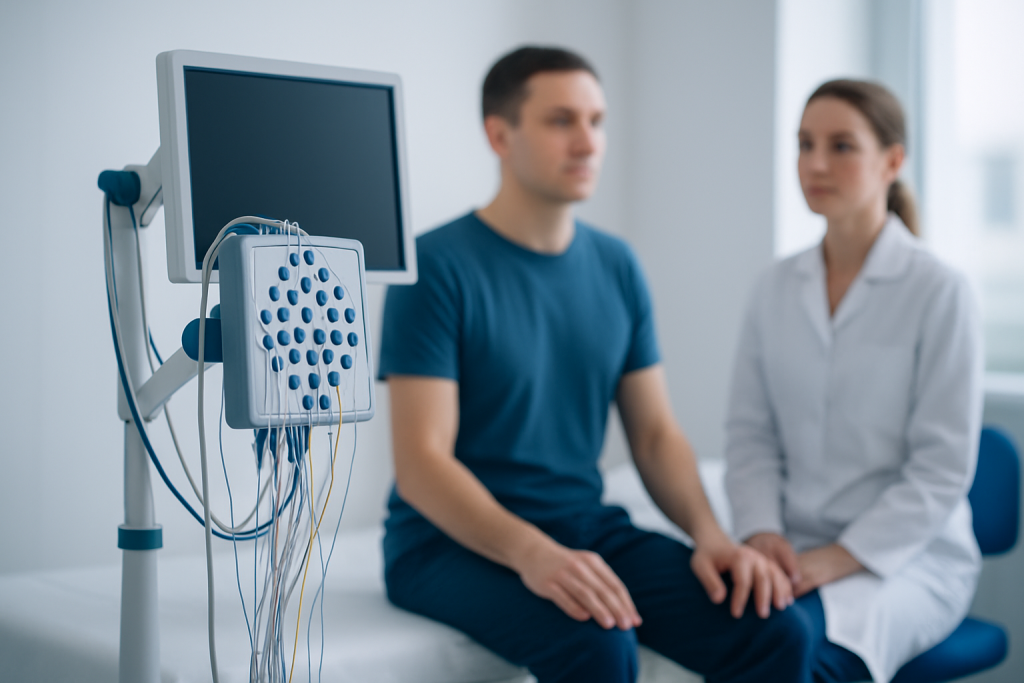
The exact services available vary by hospital, but most neurophysiology departments offer a core set of diagnostic tests. These are designed to evaluate electrical activity in the brain, nerve signal transmission, muscle response, and certain reflex pathways. Many departments also support longer-term monitoring when symptoms do not happen every day.
Common services may include:
- Electroencephalography (EEG): records the brain’s electrical activity and is often used to assess seizures or episodes of altered awareness.
- Video EEG monitoring: combines EEG with video recording to match symptoms or events with brain activity.
- Electromyography (EMG): assesses muscle activity and can help investigate weakness, muscle disease, or nerve problems.
- Nerve conduction studies: measure how quickly and effectively electrical signals travel through peripheral nerves.
- Evoked potentials: test how the brain responds to sensory stimulation, such as visual, auditory, or touch signals.
- Sleep studies: evaluate sleep patterns, breathing disturbances, movements during sleep, and unusual nighttime events.
- Autonomic testing: in some centers, this assesses body functions such as heart rate and blood pressure responses.
Some departments also offer intraoperative neurophysiological monitoring during surgery, especially in brain, spine, or nerve procedures. This helps the surgical team watch important nerve pathways in real time and reduce the risk of injury to critical functions.
Symptoms and Conditions Often Investigated
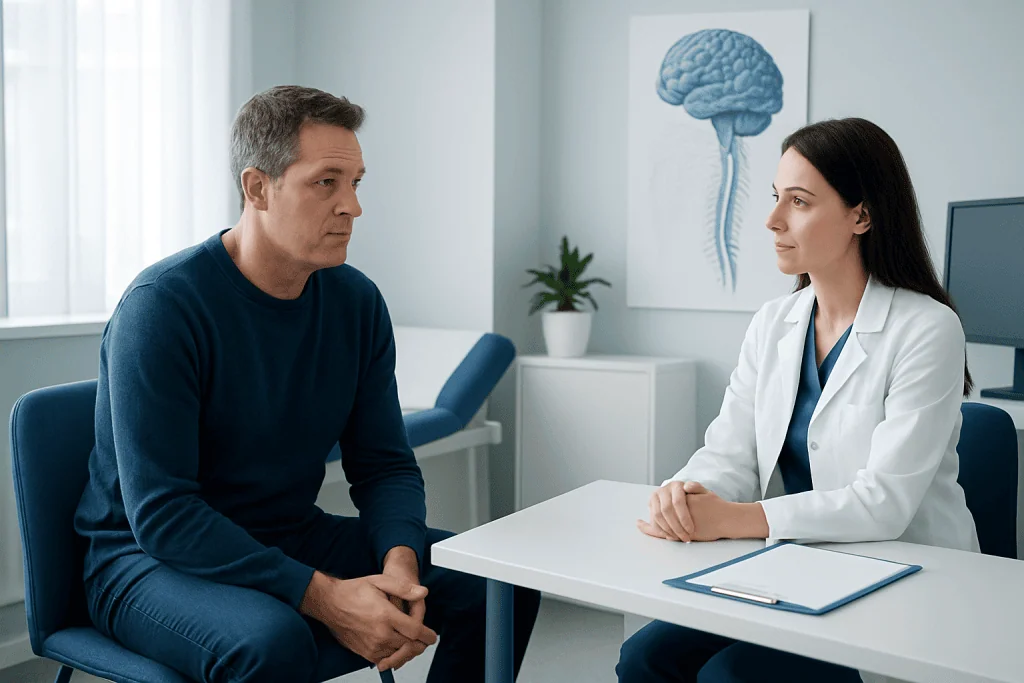
Neurophysiology tests are not used for every neurological symptom, but they are especially useful when a doctor wants to understand whether a symptom may be related to abnormal electrical activity, nerve damage, or muscle dysfunction. A referral often follows a neurological assessment and may be combined with blood tests or imaging.
Symptoms that commonly lead to neurophysiology testing include fainting-like episodes, suspected seizures, sudden staring spells, involuntary movements, persistent tingling, burning pain, hand numbness, limb weakness, foot drop, muscle twitching, double vision in some situations, and unexplained daytime sleepiness. Sleep-related concerns such as snoring, pauses in breathing, leg movements at night, and unusual behaviors during sleep may also be assessed.
The department may help investigate conditions such as epilepsy, peripheral neuropathy, radiculopathy, carpal tunnel syndrome, motor neuron disorders, myopathies, neuromuscular junction disorders, sleep apnea, parasomnias, and some central nervous system diseases. In some cases, testing supports the evaluation of related conditions such as Parkinson’s disease or helps distinguish between different causes of tremor or blackout episodes.
How Common Tests Work
EEG uses small sensors placed on the scalp to record electrical activity from the brain. It is painless and usually takes place while the patient rests quietly, sometimes with deep breathing or flashing lights as part of the test. EEG can help identify patterns that support a diagnosis of epilepsy, although a normal EEG does not completely rule it out.
EMG and nerve conduction studies are often performed together. Nerve conduction studies use small electrical impulses on the skin to measure how nerves carry signals. EMG uses a very fine needle electrode to assess muscle activity at rest and during movement. These tests can help determine whether symptoms are coming from the nerve, muscle, nerve root, or the connection between nerve and muscle.
Evoked potentials measure how the nervous system responds to visual, hearing, or sensory stimulation. They may be helpful when assessing specific pathways in the brain and spinal cord. Sleep studies, also called polysomnography, record body functions during sleep such as breathing, oxygen levels, heart rhythm, eye movements, limb movements, and brain activity. Some patients may also be referred for a sleep study when nighttime symptoms are a major concern.
Depending on the symptom pattern, a doctor may combine neurophysiology with other investigations. For example, a person with persistent numbness or weakness may need clinical review alongside EMG testing or EEG assessment if episodes of altered awareness are also part of the picture.
What to Expect Before, During, and After Testing
Preparation depends on the test. Patients are usually told whether to wash their hair before an EEG, avoid lotions before nerve testing, or limit caffeine before a sleep study. It is important to follow the department’s instructions carefully and to bring a list of medications, previous test results, and a description of symptoms, including when they happen and how long they last.
Most neurophysiology tests are outpatient procedures. During EEG, sensors are attached to the scalp with paste or adhesive. During nerve conduction studies, brief electrical pulses can feel unusual but are generally tolerable. EMG may cause temporary discomfort because a fine needle is inserted into selected muscles. Sleep studies are usually done overnight in a dedicated unit or, in some cases, at home depending on the question being assessed.
After testing, patients can usually return to normal activities unless they have been given specific advice. Results are interpreted by trained specialists and sent to the referring doctor. Because neurophysiology findings need to be understood in context, the final explanation often comes during a follow-up appointment rather than immediately after the test.
How Results Help with Diagnosis and Treatment Planning
Neurophysiology does not replace a doctor’s clinical judgment, but it can add important detail. A test may confirm that symptoms are related to epilepsy, identify a trapped nerve, show evidence of peripheral nerve disease, or suggest a muscle disorder. In other cases, a normal result can still be useful because it helps narrow the possibilities and guide the next step.
Results are usually considered alongside the patient’s medical history, neurological examination, imaging, and laboratory findings. For example, EMG and nerve conduction studies may support the diagnosis of neuropathy or radiculopathy, while EEG may help classify seizure types. Sleep studies can help determine whether poor sleep is linked to obstructive sleep apnea, movement disorders during sleep, or another cause.
This information may lead to medication, rehabilitation, lifestyle changes, further imaging, referral to another specialist, or follow-up monitoring. Some patients may then need treatment from related services, such as neurology care for long-term condition management. If surgery is being planned for certain brain or spine conditions, neurophysiological information may also contribute to safer planning and follow-up.
When to See a Doctor and How to Choose a Center
A person should speak with a doctor if they have repeated fainting-like episodes, suspected seizures, new or progressive weakness, persistent numbness, muscle wasting, unexplained tremor, or major sleep-related symptoms such as loud snoring with pauses in breathing. More urgent evaluation is important if symptoms start suddenly, are severe, or occur with confusion, injury, difficulty speaking, or loss of function.
When choosing a neurophysiology center, it helps to look for trained neurophysiology staff, access to neurology and sleep medicine specialists, and clear reporting procedures. Good communication matters because test results are most useful when they are explained clearly and linked to the patient’s symptoms and next steps. In children, pediatric expertise may also be important.
For international patients or those seeking coordinated neurological assessment, Acibadem International’s multidisciplinary specialists and JCI-accredited hospitals provide diagnosis and treatment support for a wide range of neurophysiological and neurological conditions. Patients should still discuss the most appropriate test and timing with a qualified doctor, since the right investigation depends on the individual symptom pattern and medical history.
Frequently asked questions
What is the difference between neurology and neurophysiology?
Neurology is the medical specialty that diagnoses and treats disorders of the nervous system. Neurophysiology is a related diagnostic field that measures how the nervous system is functioning, often through tests such as EEG, EMG, and nerve conduction studies.
Are neurophysiology tests painful?
Many neurophysiology tests are painless or only mildly uncomfortable. EEG is painless, while nerve conduction studies and EMG can cause brief discomfort, but they are generally well tolerated and are usually completed without sedation.
Why would a doctor order an EEG?
A doctor may order an EEG to investigate suspected seizures, blackout episodes, staring spells, unusual movements, or changes in awareness. It records brain electrical activity and can provide clues that support a diagnosis, although results must be interpreted together with symptoms and examination findings.
What conditions can EMG and nerve conduction studies detect?
These tests can help identify problems affecting peripheral nerves, muscles, nerve roots, or the junction between nerve and muscle. Examples include carpal tunnel syndrome, neuropathy, radiculopathy, some muscle disorders, and certain neuromuscular conditions.
Do I need to prepare for a sleep study or EEG?
Preparation depends on the test and the department’s instructions. Patients may be asked to wash their hair before an EEG, avoid certain products on the skin, or follow guidance about caffeine, sleep schedule, or medications before a sleep study.
Can neurophysiology tests diagnose every nerve or brain problem?
No. Neurophysiology tests are very useful, but they are only one part of the diagnostic process. Some conditions require imaging, blood tests, or specialist assessment, and a normal test result does not always rule out disease.
References
- World Health Organization
- National Institute of Neurological Disorders and Stroke
- International Federation of Clinical Neurophysiology
- American Clinical Neurophysiology Society
- American Academy of Sleep Medicine
This article is for general information only and is not a substitute for professional medical advice. Please consult a qualified doctor about your individual situation.
Neurophysiology in Turkey — costs, top hospitals & a free quote
JCI-accredited · board-certified surgeons · reply within 24h
Add us as a Preferred Source to see more of our trusted health content across Google Search, AI Overviews and Discover.
Check your numbers in seconds
BMI, calories, due date, blood pressure and 30+ more clinical calculators — free, instant, doctor-reviewed ranges.