

What Is a Vascular Neurologist? Stroke Specialists, Training, and When to See One

A vascular neurologist is a neurologist who specializes in stroke and other cerebrovascular conditions. They diagnose and treat ischemic stroke, hemorrhagic stroke, TIA, and related blood vessel disorders of the brain.
Key Takeaways
- A vascular neurologist is a neurologist who specializes in stroke and other cerebrovascular conditions.
- They diagnose and treat ischemic stroke, hemorrhagic stroke, TIA, and related blood vessel disorders of the brain.
- Urgent symptoms such as face drooping, arm weakness, speech trouble, or sudden vision loss need immediate emergency care.
- Vascular neurologists work closely with emergency doctors, neuroradiologists, neurosurgeons, cardiologists, and rehabilitation teams.
- Follow-up care focuses on preventing another stroke by identifying the cause and managing risk factors.
A vascular neurologist is a doctor with advanced training in conditions that affect the brain’s blood vessels, especially stroke and transient ischemic attack (TIA). These specialists help with urgent treatment, prevention of future events, and long-term care planning.
Overview: What a Vascular Neurologist Does
A vascular neurologist is a physician who specializes in diseases of the brain’s blood vessels. In everyday practice, this usually means caring for people with stroke, transient ischemic attack (TIA or “mini-stroke”), bleeding in or around the brain, and other conditions that affect blood flow to brain tissue. Because brain cells are very sensitive to changes in oxygen and blood supply, these disorders often need rapid assessment and treatment.
Vascular neurologists are often called stroke specialists. They help determine whether a person’s symptoms are caused by a blocked artery, bleeding, or another neurological problem that can look similar to stroke. Their role includes emergency decision-making, reviewing brain scans, identifying the likely cause, and guiding treatment to reduce brain injury and lower the chance of another event.
Care from a vascular neurologist does not stop after the emergency phase. These specialists also help with recovery planning, long-term prevention, and follow-up testing. They may coordinate care with rehabilitation professionals and with other doctors managing blood pressure, heart rhythm problems, cholesterol, diabetes, or clotting disorders.
Which Conditions They Treat
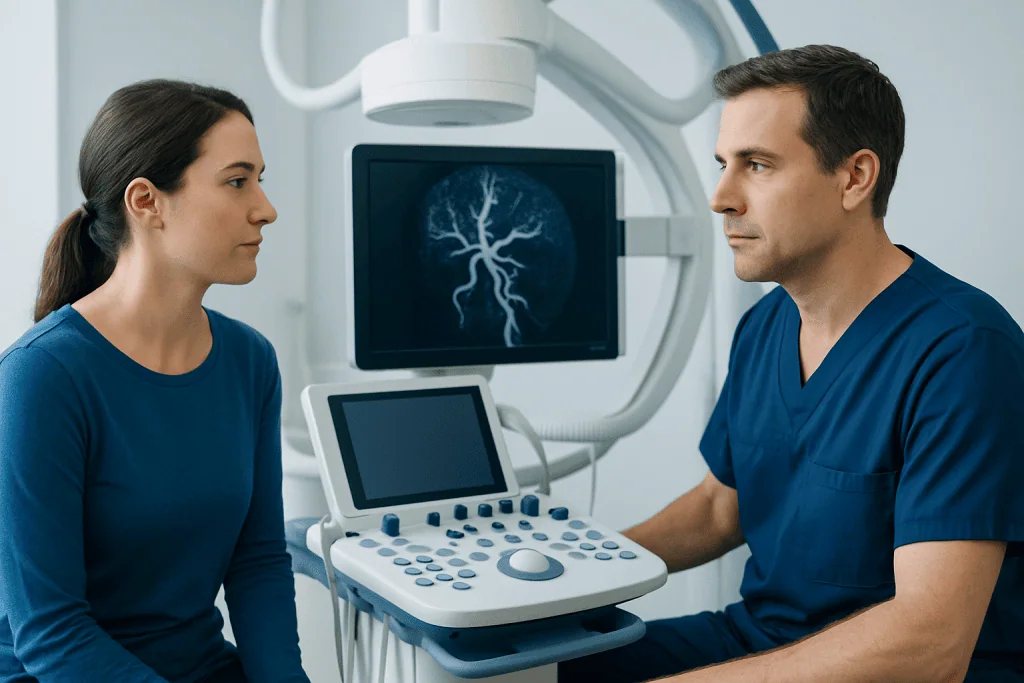
The most common reason to see a vascular neurologist is suspected stroke. A stroke happens when blood flow to part of the brain is blocked or when a blood vessel bleeds. Vascular neurologists are trained to quickly distinguish between ischemic stroke, caused by a clot or narrowed artery, and hemorrhagic stroke, caused by bleeding. This distinction matters because treatment approaches are different.
They also evaluate transient ischemic attack (TIA), which causes temporary stroke-like symptoms that resolve but still signals a risk of future stroke. Other conditions they may manage include narrowing of the carotid or intracranial arteries, cerebral venous thrombosis, arterial dissection, stroke in younger adults, and stroke related to heart conditions such as atrial fibrillation.
Some vascular neurologists also help assess less common cerebrovascular disorders, including vasculitis affecting brain vessels, small vessel disease, and certain causes of unexplained dizziness, vision loss, weakness, or sudden confusion when a vascular problem is suspected. In many cases, they work as part of a broader team to confirm the diagnosis and guide the safest next steps.
- Ischemic stroke
- Hemorrhagic stroke
- Transient ischemic attack
- Carotid and intracranial artery disease
- Cerebral venous thrombosis
- Stroke prevention after a first event
Training and How They Differ From Other Specialists

A vascular neurologist first completes medical school and then a residency in neurology. After that, the doctor usually completes additional fellowship training focused on stroke and cerebrovascular disease. This advanced training covers emergency stroke care, interpretation of brain and vessel imaging, prevention strategies, and coordination with intensive care and rehabilitation services.
Many patients wonder how a vascular neurologist differs from a general neurologist. A general neurologist diagnoses and treats many nervous system conditions, such as epilepsy, headaches, neuropathy, and memory disorders. A vascular neurologist focuses specifically on disorders related to blood vessels supplying the brain and often has deeper experience in time-sensitive stroke decisions.
These specialists also work closely with other experts. An interventional neuroradiologist or endovascular specialist may perform catheter-based procedures to remove a clot or treat a narrowed vessel. A neurosurgeon may be involved when surgery is needed for bleeding, swelling, or a structural blood vessel problem. This team-based approach helps patients receive the most appropriate care as quickly as possible.
Symptoms and Signs That Need Urgent Attention
Some symptoms suggest a possible stroke or TIA and should never be ignored. Sudden face drooping, weakness or numbness on one side of the body, trouble speaking, confusion, difficulty understanding words, sudden vision loss, severe dizziness, loss of balance, or a sudden severe headache can all be warning signs. These symptoms may come on within seconds or minutes.
If stroke is suspected, the safest advice is to seek emergency care immediately rather than waiting for symptoms to improve. Even if symptoms go away, a TIA can be an early warning of a future stroke. Fast evaluation can help identify the cause and may allow time-sensitive treatments that are only effective within specific windows.
A simple memory aid is FAST: Face drooping, Arm weakness, Speech difficulty, Time to call emergency services. Some strokes do not fit this pattern exactly, especially those affecting the back part of the brain, so sudden imbalance, double vision, or unexplained severe nausea with neurological symptoms also deserves urgent assessment.
How Diagnosis and Evaluation Work
When a vascular neurologist evaluates a patient, the first goal is to confirm whether symptoms are vascular and to identify the type of event. This begins with a focused medical history and neurological examination. The doctor asks when symptoms started, whether they came on suddenly, whether they resolved, and whether the person has risk factors such as high blood pressure, smoking, diabetes, high cholesterol, migraine, clotting problems, or heart disease.
Imaging is central to diagnosis. Brain CT is commonly used first in the emergency setting because it can quickly show bleeding. MRI can provide more detail about early ischemic injury in some cases. Vessel imaging, such as CT angiography, MR angiography, or carotid ultrasound, may be used to look for blocked or narrowed arteries. Heart testing may also be needed, because some strokes are caused by clots that travel from the heart.
Blood tests and monitoring may help uncover contributing factors such as abnormal clotting, infection, or uncontrolled blood sugar. In younger patients or those with unusual presentations, the evaluation may be broader. The aim is not only to treat the current event, but also to understand why it happened so future risk can be reduced.
Treatment Options and Ongoing Care
Treatment depends on the diagnosis, how severe symptoms are, and how much time has passed since they began. In ischemic stroke, care may include medications to dissolve a clot in selected patients or a catheter-based procedure to remove the clot. These decisions are highly time-sensitive and rely on imaging and clinical assessment. In hemorrhagic stroke, treatment focuses on controlling bleeding-related complications, managing blood pressure, and deciding whether surgery or intensive monitoring is needed.
For some patients, a vascular neurologist may recommend advanced treatments coordinated with other specialists, such as mechanical thrombectomy for certain blocked large brain arteries. Others may need treatment for carotid artery disease, heart rhythm abnormalities, or underlying clotting conditions. After the acute phase, medicines such as antiplatelet therapy, anticoagulation in selected cases, cholesterol-lowering treatment, and blood pressure management may be part of prevention.
Recovery planning is another major part of care. Depending on the patient’s needs, the vascular neurologist may coordinate with stroke rehabilitation services to support mobility, speech, swallowing, memory, and daily activities. In centers that offer comprehensive neurological care, vascular neurologists may collaborate with teams experienced in brain MRI evaluation and advanced cerebrovascular imaging. Near the end of the care journey, some patients and families may also seek guidance from multidisciplinary specialists at Acibadem International, where JCI-accredited hospitals diagnose and treat cerebrovascular conditions for international patients.
Prevention, Follow-Up, and When to See a Vascular Neurologist
Preventing a first or second stroke often depends on controlling risk factors. A vascular neurologist may recommend careful management of blood pressure, diabetes, and cholesterol, as well as smoking cessation, regular physical activity, healthy eating, weight management, and treatment of sleep apnea when present. For patients with atrial fibrillation or other heart rhythm problems, stroke prevention may also include medications that reduce clot formation.
Follow-up visits are important after stroke or TIA, even when recovery seems good. The specialist reviews test results, confirms the likely cause, checks for medication side effects, and adjusts the prevention plan if needed. Ongoing symptoms such as fatigue, trouble concentrating, mood changes, numbness, speech difficulty, or balance issues may also be addressed during follow-up.
A person should see a vascular neurologist urgently after a suspected stroke or TIA, and promptly if another doctor recommends specialist evaluation for unexplained neurological symptoms with a possible blood vessel cause. Routine referral may also be appropriate after imaging shows carotid narrowing, after a stroke in a young adult, or when recurrent episodes remain unexplained. Any sudden new neurological symptom should be treated as an emergency first, not scheduled as a routine office visit.
Frequently asked questions
Is a vascular neurologist the same as a stroke specialist?
Yes, the term stroke specialist commonly refers to a vascular neurologist. This doctor has advanced training in stroke, TIA, and other conditions that affect blood vessels in the brain.
Do patients need a referral to see a vascular neurologist?
This depends on the healthcare system, insurance plan, and whether the situation is urgent. In an emergency, suspected stroke should be treated in the emergency department right away rather than waiting for a referral.
What is the difference between a TIA and a stroke?
A TIA causes temporary stroke-like symptoms that resolve, while a stroke causes brain injury from blocked blood flow or bleeding. Even though TIA symptoms may go away, it still needs urgent medical evaluation because it can warn of a future stroke.
Can a vascular neurologist help after the hospital stay?
Yes. Follow-up care is an important part of vascular neurology and often includes reviewing test results, preventing another stroke, managing medicines, and coordinating rehabilitation or additional specialist care.
What symptoms should prompt emergency care instead of a clinic appointment?
Sudden face drooping, arm or leg weakness, trouble speaking, sudden vision changes, severe imbalance, or a sudden severe headache should be treated as emergencies. A person should seek immediate emergency help even if symptoms improve quickly.
Will every person with stroke need a procedure?
No. Treatment depends on the type of stroke, the cause, symptom severity, imaging findings, and how quickly the person receives care. Some patients are treated with medication and monitoring, while others may benefit from a procedure.
References
- American Heart Association
- American Stroke Association
- National Institute of Neurological Disorders and Stroke
- World Stroke Organization
- Centers for Disease Control and Prevention
This article is for general information only and is not a substitute for professional medical advice. Please consult a qualified doctor about your individual situation.
Explore treatments in Turkey — costs, top hospitals & a free quote
JCI-accredited · board-certified surgeons · reply within 24h
Add us as a Preferred Source to see more of our trusted health content across Google Search, AI Overviews and Discover.
Check your numbers in seconds
BMI, calories, due date, blood pressure and 30+ more clinical calculators — free, instant, doctor-reviewed ranges.

More from the Health Library



Related Specialists
Prof. Dr. Necdet Sağlam
Orthopedic Surgery & Traumatology
Prof. Dr. Ali Aydinlar
Cardiology
Assoc. Prof. Dr. Emre Karabay
Urology
Dt. Duygu Taş
Oral & Dental Health