What Is an Ablation: Procedure, Recovery and Results

Ablation targets tissue that is causing abnormal electrical signals, pain, or disease activity. Cardiac catheter ablation is commonly used for arrhythmias such as atrial fibrillation, atrial flutter, and supraventricular tachycardia.
Key Takeaways
- Ablation targets tissue that is causing abnormal electrical signals, pain, or disease activity.
- Cardiac catheter ablation is commonly used for arrhythmias such as atrial fibrillation, atrial flutter, and supraventricular tachycardia.
- Recovery varies by the type of ablation, but many people go home the same day or after an overnight stay following heart ablation.
- Temporary soreness, fatigue, bruising, and occasional palpitations can occur during recovery after cardiac ablation.
- Benefits and risks should be considered individually with the specialist performing the procedure.
An ablation is a minimally invasive procedure that uses heat, cold, or another energy source to destroy or isolate a small area of abnormal tissue. It is most often used to treat heart rhythm disorders, but the term can also describe procedures for certain pain, cancer, and other medical conditions.
What is an ablation?
What is an ablation? Ablation is a medical procedure that deliberately destroys, removes, or electrically isolates a small area of tissue that is contributing to a health problem. The method used depends on the condition and may involve heat, extreme cold, electrical energy, microwave energy, laser treatment, alcohol injection, or surgery.
When people ask about ablation, they are often referring to cardiac catheter ablation. In this procedure, an electrophysiologist guides thin, flexible tubes called catheters through a blood vessel to the heart. Energy is delivered to carefully selected areas to interrupt the abnormal electrical pathways responsible for some irregular heart rhythms.
Ablation can also have other meanings. For example, it may be used to treat selected tumors, reduce heavy menstrual bleeding by treating the uterine lining, or address chronic back pain by interrupting pain signals from specific nerves. The purpose, technique, expected results, and recovery are therefore different for each type of ablation.
How ablation works and who may be a candidate
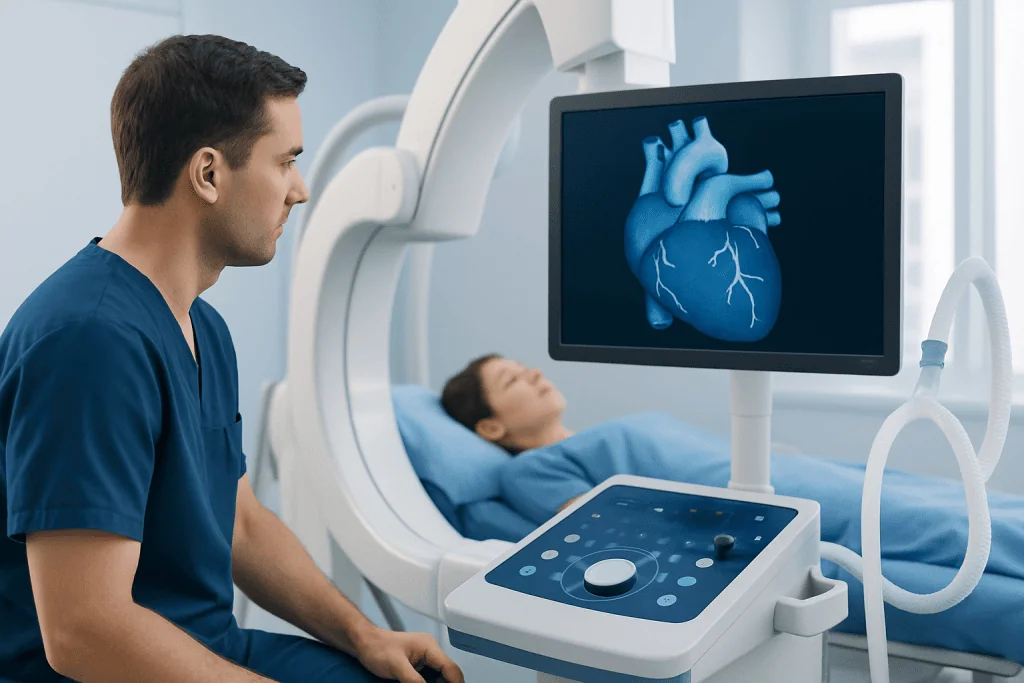
In the heart, normal rhythm depends on electrical signals traveling through a coordinated pathway. An arrhythmia can develop when signals begin in the wrong location, travel through an extra pathway, or circulate in an abnormal loop. Catheter ablation creates tiny, controlled areas of scar tissue that no longer conduct those unwanted signals.
Ablation may be considered for people whose arrhythmia causes symptoms such as palpitations, breathlessness, dizziness, fatigue, or reduced exercise tolerance. It may also be discussed when medicines do not sufficiently control the rhythm, cause unwanted effects, or are not preferred for long-term management. The decision depends on the arrhythmia type, overall health, heart structure, symptom burden, and individual goals.
Common rhythm conditions evaluated for ablation include atrial fibrillation, atrial flutter, certain forms of supraventricular tachycardia, and some ventricular arrhythmias. Not every rhythm disturbance requires ablation, and the procedure does not replace an individualized plan for medicines, stroke prevention where appropriate, and follow-up care.
Before recommending treatment, the care team may review an electrocardiogram, ambulatory rhythm monitor, echocardiogram, blood tests, medical history, and current medicines. Some people also need additional imaging or an electrophysiology study to map the source of the abnormal rhythm more precisely.
What happens during a heart ablation procedure?

Preparation begins with a clinical assessment and instructions about eating, drinking, and medicines. A person should not stop blood thinners, antiarrhythmic medicines, diabetes medicines, or any other prescribed treatment unless their treating team specifically advises it. The procedure may be performed with local anesthetic and sedation or with general anesthesia, depending on the procedure and patient needs.
After the skin is cleaned and numbed, the specialist usually inserts catheters through a vein in the groin; less commonly, another access site is used. X-ray guidance, ultrasound, and advanced three-dimensional mapping systems help guide the catheters into the heart. The team studies the heart’s electrical activity and identifies the tissue responsible for the arrhythmia.
The specialist then applies radiofrequency energy, which produces heat, or cryotherapy, which freezes tissue. The goal is to modify only the small, defined area needed to prevent or isolate the abnormal electrical activity. The duration varies considerably: some straightforward procedures are shorter, while complex ablation for atrial fibrillation may take several hours.
At the end, the catheters are removed and pressure or a closure method is used at the access site. Cardiac rhythm and blood pressure are monitored in recovery. Patients seeking information about this treatment can learn more about cardiac ablation as part of a discussion with a qualified heart rhythm specialist.
What is recovery after an ablation?
What is recovery after an ablation? Following cardiac ablation, many people rest in a monitored recovery area for several hours and return home the same day or after one night in hospital. The exact plan depends on the type of arrhythmia treated, anesthesia used, medical history, access-site bleeding risk, and whether any observation is needed.
Mild tiredness is common for several days. Bruising, tenderness, or a small lump at the groin access site can also occur and should gradually improve. Some people notice short-lived palpitations or irregular beats in the first weeks after an ablation. These do not necessarily mean that the procedure has failed, but new or persistent symptoms should be reported to the care team.
What is the recovery time after an ablation procedure? Many people resume light daily activities within a few days, while full recovery and return to strenuous exercise may take one to two weeks or longer depending on the procedure. The electrophysiology team provides the most appropriate timeline because recovery differs between a simple rhythm ablation and a more extensive atrial fibrillation procedure.
Follow-up appointments remain important. Rhythm monitoring, medication review, and discussion of symptoms help the team assess healing and longer-term results. In some cases, antiarrhythmic medicines or anticoagulants are continued for a period after the procedure, particularly when treatment was performed for atrial fibrillation.
How long is bed rest after an ablation?
Bed rest after a catheter ablation is commonly required for several hours, often around two to six hours, to allow the blood vessel access site to seal and reduce bleeding. The exact duration depends on where the catheter was inserted, the type of closure used, whether blood-thinning medicines are being taken, and the treating team’s protocol.
During this period, the person may need to keep the affected leg straight if the groin vein was used. Nurses check blood pressure, heart rhythm, and the access site for bleeding or swelling. Once it is safe to get up, walking is usually encouraged gradually with assistance if needed.
At home, patients are generally advised to avoid heavy lifting, strenuous exercise, and activities that put pressure on the access site for a short period. Individual discharge instructions should always take priority, especially for people with additional medical conditions or those who had a more complex procedure.
How painful is ablation recovery?
Ablation recovery is usually associated with mild to moderate discomfort rather than severe pain. People may have tenderness or bruising at the catheter entry site, feel tired after sedation or anesthesia, or notice mild chest discomfort after certain heart ablation procedures. The clinical team can advise which pain-relief options are suitable for the individual.
For cardiac ablation, some people also experience brief palpitations, a sore throat if a breathing tube was used, or discomfort from lying still after the procedure. These symptoms often improve over the first few days. A gradual return to normal activity, good hydration if permitted, and following access-site care instructions can support recovery.
Severe, worsening, or persistent pain should not be managed without medical advice. Chest pain, fainting, significant shortness of breath, a rapidly enlarging groin swelling, or bleeding that does not stop with firm pressure requires urgent assessment.
What should you not do after heart ablation?
After heart ablation, patients should avoid strenuous workouts, heavy lifting, vigorous cycling, and contact sports until the treating team says these are safe. This helps protect the catheter access site while it heals. Driving restrictions may also apply temporarily, particularly after sedation or if there has been fainting related to an arrhythmia.
It is also important not to stop prescribed medicines independently. This includes blood thinners and rhythm medicines, which may still be necessary while the heart heals and longer-term rhythm control is evaluated. Alcohol, tobacco, dehydration, poor sleep, and high levels of caffeine may trigger symptoms in some people, so the care team may recommend limiting personal triggers.
Patients should follow wound-care advice, keep scheduled follow-up visits, and contact the team if symptoms change. A personalized plan may also include assessment and management of related factors such as blood pressure, sleep apnea, diabetes, or weight, which can influence arrhythmia recurrence.
What is the downside of an ablation?
The potential downside of an ablation is that, while it can improve symptoms and reduce arrhythmia episodes, it is an invasive procedure and does not guarantee a permanent cure for every person. Some arrhythmias can recur, and a repeat ablation may be considered in selected cases. Results depend on the type and duration of the rhythm problem, heart health, and other factors.
Possible complications include bleeding, bruising, infection, blood vessel injury, blood clots, reaction to anesthesia, or damage to nearby structures. Serious complications are uncommon but can occur, which is why careful pre-procedure assessment, experienced teams, monitoring, and informed consent are essential. The specialist should explain the risks relevant to the specific planned procedure.
The term ablation is also used outside cardiology. For example, what is an ablation procedure for your back? It may refer to radiofrequency ablation, in which heat is used near selected nerves to reduce pain signals from facet joints or other structures. This is different from heart ablation: it is intended for carefully diagnosed pain conditions and may provide temporary relief rather than repair the underlying spinal changes.
Acibadem International’s multidisciplinary specialists and JCI-accredited hospitals evaluate and treat heart rhythm disorders for international patients, with care plans based on the person’s diagnosis and clinical needs.
Frequently asked questions
Is ablation a major procedure?
Many cardiac ablations are minimally invasive catheter procedures rather than open-heart surgery. However, they are still specialized procedures performed in a hospital or dedicated electrophysiology setting, and they require careful planning, monitoring, and follow-up.
How successful is heart ablation?
Success varies according to the arrhythmia being treated, the technique used, and the person's overall heart health. Some rhythm disorders respond very well to one procedure, while others, particularly long-standing or complex atrial fibrillation, may recur and need ongoing treatment or another ablation.
Can a person go home the same day after ablation?
Many patients can go home on the same day after an uncomplicated catheter ablation, although some remain overnight for observation. The decision depends on the procedure, anesthesia, access-site recovery, medical history, and the specialist's assessment.
What symptoms are normal after heart ablation?
Temporary fatigue, mild groin soreness or bruising, and occasional skipped beats or palpitations can occur during early recovery. Patients should follow their discharge advice and report symptoms that are severe, worsening, prolonged, or different from what the care team described.
When should someone seek medical care after an ablation?
Urgent medical care is needed for severe chest pain, difficulty breathing, fainting, signs of stroke such as facial drooping or weakness, heavy bleeding, or a rapidly growing swelling at the catheter site. The treating team should also be contacted promptly for fever, increasing redness or drainage from the wound, persistent fast heart rate, or concerning new symptoms.
Is back ablation the same as heart ablation?
No. Back ablation usually refers to radiofrequency treatment of selected sensory nerves to reduce pain transmission, while heart ablation treats abnormal electrical pathways in the heart. Both use targeted energy, but their goals, preparation, risks, and recovery instructions are different.
References
- American Heart Association
- Heart Rhythm Society
- National Heart, Lung, and Blood Institute
- Mayo Clinic
- National Institute of Arthritis and Musculoskeletal and Skin Diseases
This article is for general information only and is not a substitute for professional medical advice. Please consult a qualified doctor about your individual situation.
Heart care in Turkey — expert evaluation and treatment
JCI-accredited · board-certified surgeons · reply within 24h
Add us as a Preferred Source to see more of our trusted health content across Google Search, AI Overviews and Discover.
Check your numbers in seconds
BMI, calories, due date, blood pressure and 30+ more clinical calculators — free, instant, doctor-reviewed ranges.