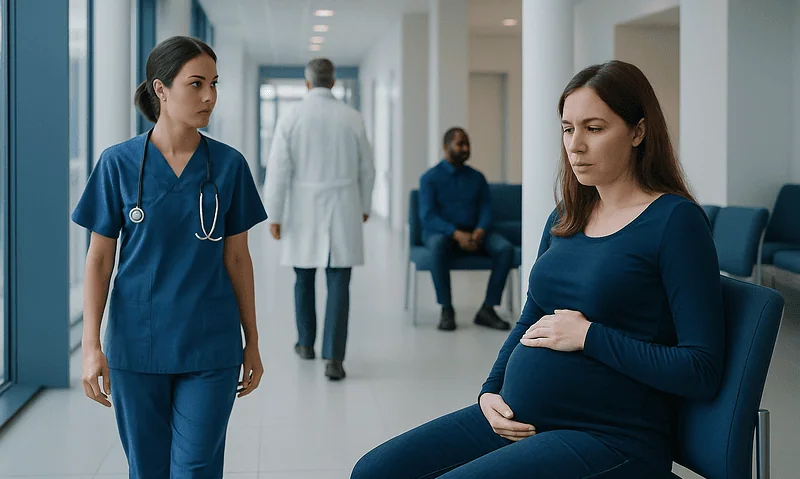
What Is an Oncologist and When to See One

An oncologist is a cancer specialist who helps diagnose, stage, treat, and monitor cancer. There are different types of oncologists, including medical, surgical, and radiation oncologists.
Key Takeaways
- An oncologist is a cancer specialist who helps diagnose, stage, treat, and monitor cancer.
- There are different types of oncologists, including medical, surgical, and radiation oncologists.
- A referral to an oncologist does not always mean a person has cancer, but it does mean further expert evaluation is needed.
- Seeing an oncologist promptly can help clarify the diagnosis and support timely treatment planning.
- Cancer care is often multidisciplinary and may involve several specialists working together.
An oncologist is a doctor who specializes in diagnosing, treating, and monitoring cancer. People may see an oncologist after an abnormal test, a cancer diagnosis, or when they need expert guidance about treatment and follow-up care.
Overview: What Is an Oncologist?
An oncologist is a physician who specializes in cancer care. This includes helping diagnose cancer, determining how far it has progressed, discussing treatment options, coordinating care, and following a patient over time. Oncologists also help manage symptoms related to cancer or its treatment and guide patients through decisions at each stage of care.
Cancer treatment is rarely handled by one doctor alone. In many cases, an oncologist works closely with radiologists, pathologists, surgeons, nurses, radiation therapists, and supportive care teams. This team approach helps create a treatment plan tailored to the individual, the type of cancer, and the person’s overall health.
There are several types of oncologists. A medical oncologist treats cancer with medicines such as chemotherapy, targeted therapy, immunotherapy, or hormone therapy. A surgical oncologist performs operations to remove tumors or obtain biopsies. A radiation oncologist treats cancer using carefully planned radiation. Some patients also meet hematologist-oncologists, gynecologic oncologists, pediatric oncologists, or other subspecialists depending on the cancer type.
What Does an Oncologist Do?
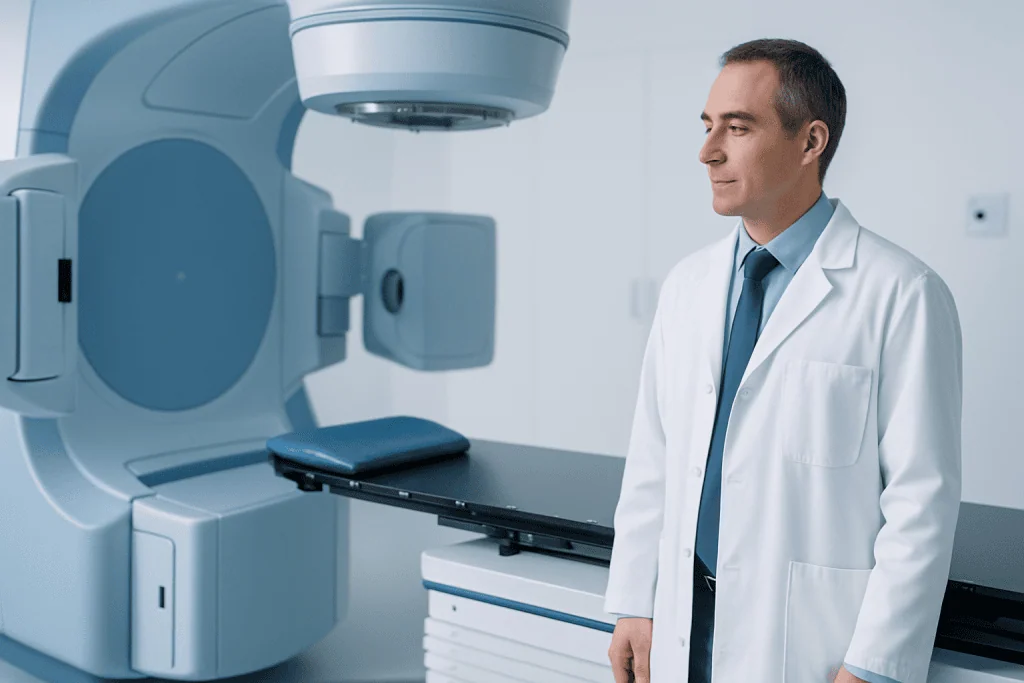
An oncologist’s role begins with assessment. They review symptoms, imaging scans, laboratory results, biopsy findings, and personal and family medical history. If cancer is confirmed, they explain the diagnosis in clear terms and help determine the stage, which describes the extent of the disease and supports treatment planning.
Once the diagnosis is understood, the oncologist discusses treatment goals and options. For some patients, the main goal is cure. For others, the focus may be controlling the disease, shrinking a tumor before surgery, reducing symptoms, or lowering the risk of recurrence after treatment. The oncologist helps weigh benefits, side effects, timing, and how treatment may affect daily life.
Oncologists also monitor response to treatment. This may involve physical exams, blood tests, imaging, and repeat biopsies in selected cases. In addition, they help manage side effects such as fatigue, nausea, infection risk, pain, appetite changes, or emotional stress. Follow-up remains important even after treatment ends, because surveillance can help detect recurrence early and address long-term effects of therapy.
When to See an Oncologist
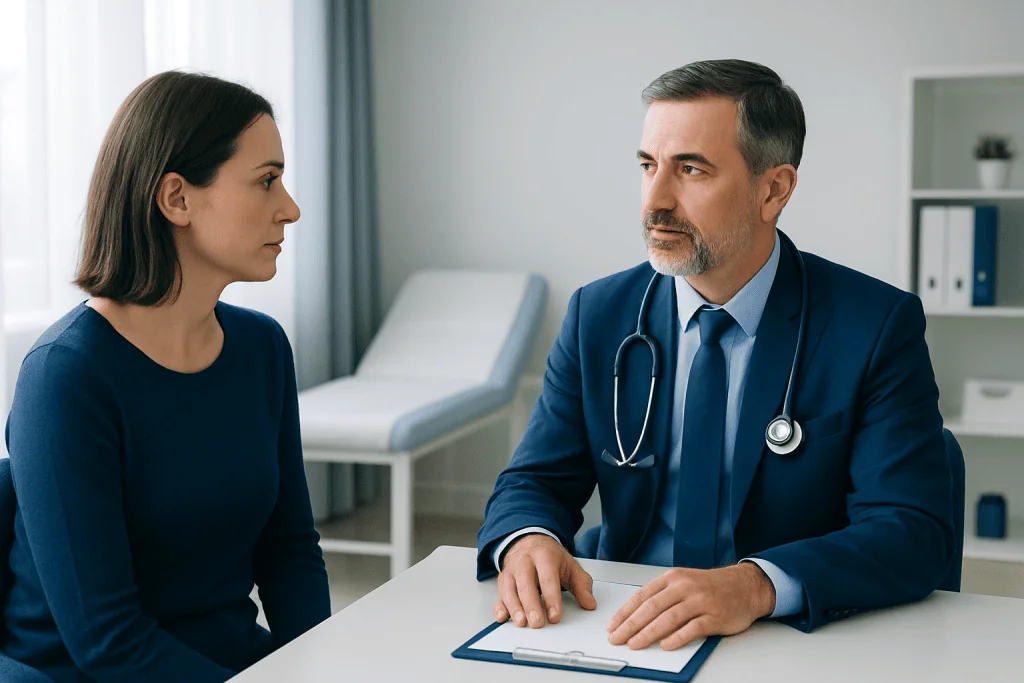
Many people see an oncologist after being referred by a primary care doctor, surgeon, or another specialist. A referral may happen because of an abnormal screening test, a suspicious scan, unusual blood results, or a biopsy suggesting cancer. Being referred does not always mean cancer is confirmed, but it does mean specialist input is needed.
A person may need to see an oncologist in situations such as:
- A biopsy confirms cancer or strongly suggests it
- A mammogram, CT scan, MRI, or ultrasound shows a suspicious mass
- There are persistent symptoms that raise concern for cancer, such as unexplained weight loss, unusual bleeding, a lasting lump, or ongoing pain
- There is a need for a second opinion about diagnosis or treatment options
- Follow-up is needed after previous cancer treatment
Some people also see an oncologist because they have a strong family history of cancer or a known inherited cancer risk and need guidance on surveillance or prevention. In these cases, the oncologist may work with genetics specialists and other doctors to recommend appropriate screening and risk-reduction strategies.
Signs and Situations That May Lead to Referral
An oncologist usually evaluates people after another healthcare professional identifies something that needs further investigation. Symptoms alone do not always mean cancer, because many common conditions can cause similar problems. Still, certain changes deserve medical attention, especially if they are persistent, unexplained, or worsening.
Possible warning signs that may lead to referral include:
- A new lump or swelling that does not go away
- Unexplained weight loss or loss of appetite
- Persistent fatigue not explained by routine causes
- Changes in bowel or bladder habits
- Unusual bleeding or discharge
- A cough, hoarseness, or swallowing difficulty that lasts
- A skin lesion or mole that changes in size, shape, or color
- Ongoing pain with no clear explanation
Abnormal screening results can also lead to specialist evaluation. Examples include changes on mammography, colonoscopy findings, a suspicious Pap test, or an elevated tumor-related blood marker that needs interpretation in context. In many of these situations, the oncologist may help guide the next steps while working with the appropriate specialty team, especially for conditions such as breast cancer or colon cancer.
How Diagnosis and Staging Work
Oncologists rely on several tools to confirm whether cancer is present and to understand its type and extent. Diagnosis often begins with imaging, such as ultrasound, mammography, CT, MRI, or PET scans, but a biopsy is usually needed to make a definite diagnosis. During a biopsy, a sample of tissue or cells is examined by a pathologist under the microscope.
After diagnosis, the cancer is staged. Staging describes where the cancer started, whether it has grown into nearby tissues, and whether it has spread to lymph nodes or other organs. The exact staging system depends on the cancer type, but staging is important because it helps predict prognosis and guides treatment choices.
Further tests may include blood work, molecular or genetic analysis of the tumor, and additional scans. Some cancers benefit from biomarker testing, which can help identify therapies more likely to be effective. Because treatment is increasingly personalized, oncologists use this information to recommend the most suitable and evidence-based plan for each patient.
Treatment Options an Oncologist May Recommend
Cancer treatment depends on the cancer type, stage, location, biology, and the patient’s overall health and preferences. An oncologist may recommend one main treatment or a combination. Common options include surgery, drug-based therapies, and radiation. In many cases, treatments are used in sequence or together to improve outcomes.
Drug-based treatment may include chemotherapy, hormone therapy, targeted therapy, or immunotherapy. These therapies work in different ways, and the most appropriate choice depends on the tumor’s characteristics. A medical oncologist explains likely benefits, common side effects, and how treatment will be monitored over time. When helpful, patients may also discuss options such as chemotherapy, immunotherapy, or radiation therapy as part of a broader care plan.
Surgery may be used to remove a tumor, confirm the diagnosis, reduce symptoms, or assess how far the disease has spread. Radiation therapy can target specific areas of cancer while trying to limit exposure to healthy tissue. Some patients also receive supportive or palliative care alongside cancer treatment to help manage pain, nutrition concerns, fatigue, emotional stress, and quality of life. If blood or bone marrow cancers are involved, an oncologist may also discuss advanced options such as bone marrow transplantation when appropriate.
What to Expect at the First Oncology Appointment
The first visit with an oncologist is usually focused on understanding the diagnosis and planning next steps. The doctor may review imaging and pathology reports, ask about symptoms, past illnesses, medications, allergies, and family history, and perform a physical examination. Patients often find it helpful to bring medical records, a list of questions, and a family member or trusted companion for support.
During the consultation, the oncologist may explain whether more tests are needed before a final treatment plan can be made. In some cases, diagnosis and treatment planning happen quickly. In others, additional pathology review, genetic testing, or repeat imaging is necessary to confirm the cancer type and stage as accurately as possible.
This visit is also a chance to discuss practical concerns. Patients may ask about the purpose of treatment, expected timeline, possible side effects, fertility preservation, work and travel, nutrition, and whether a second opinion would be useful. Near the end of the care pathway, some patients also seek treatment at centers with multidisciplinary teams; Acibadem International’s JCI-accredited hospitals provide diagnosis and treatment for international patients through coordinated oncology services.
Follow-Up Care and When to Seek Medical Advice
Even after active treatment ends, follow-up remains an important part of oncology care. Follow-up visits may include physical exams, imaging, blood tests, and discussions about recovery, ongoing symptoms, and emotional wellbeing. The schedule depends on the cancer type, stage, and treatments used. These visits help monitor for recurrence, identify late side effects, and support long-term health.
Patients should contact a doctor promptly if they notice new or worsening symptoms during or after treatment. Examples include fever, shortness of breath, chest pain, severe pain, uncontrolled vomiting, confusion, sudden weakness, heavy bleeding, or signs of dehydration. Urgent symptoms should not wait for the next routine appointment.
It is also reasonable to seek medical advice if there is uncertainty about a diagnosis, concern about a treatment recommendation, or difficulty coping with side effects. A good oncology team welcomes questions and supports shared decision-making. Early communication often helps problems get addressed before they become more difficult to manage.
Frequently asked questions
What is the difference between an oncologist and a hematologist?
An oncologist specializes in diagnosing and treating cancer. A hematologist focuses on blood disorders, and some doctors are trained in both fields as hematologist-oncologists. These specialists often care for patients with leukemia, lymphoma, and multiple myeloma.
Does being referred to an oncologist mean a person has cancer?
No. A referral to an oncologist often means a test result or symptom needs expert evaluation, but it does not always mean cancer is confirmed. The oncologist may order more tests or review biopsy results before making a diagnosis.
What types of oncologists are there?
Common types include medical oncologists, surgical oncologists, and radiation oncologists. Some doctors also specialize further in areas such as pediatric oncology, gynecologic oncology, or blood cancers. The right specialist depends on the suspected or confirmed cancer type.
What should a patient bring to the first oncology appointment?
It is helpful to bring imaging reports, biopsy or pathology results, medication lists, allergy information, and a summary of personal and family medical history. Many patients also bring written questions and a support person. Having organized records can make the visit more productive.
Can a person get a second opinion from another oncologist?
Yes. Second opinions are common in cancer care and can help confirm the diagnosis, stage, or treatment plan. Many patients find that another specialist’s review gives them more confidence and a clearer understanding of their options.
How often will someone need follow-up after cancer treatment?
Follow-up schedules vary depending on the cancer type, stage, and treatment received. Some people are seen more frequently in the first few years and then less often over time. The oncologist creates a personalized surveillance plan based on individual needs.
References
- World Health Organization
- National Cancer Institute
- American Society of Clinical Oncology
- Centers for Disease Control and Prevention
- National Comprehensive Cancer Network
This article is for general information only and is not a substitute for professional medical advice. Please consult a qualified doctor about your individual situation.
Oncology care in Turkey — second opinion and treatment plan
JCI-accredited · board-certified surgeons · reply within 24h
Add us as a Preferred Source to see more of our trusted health content across Google Search, AI Overviews and Discover.

Medical Oncology Department
Medical treatment of cancer with chemotherapy, immunotherapy and targeted therapies under a multidisciplinary tumor board.
60 specialists in this unit