What Is an Orthopedic Surgeon?

An orthopedic surgeon treats problems affecting bones, joints, muscles, tendons, and ligaments. Orthopedic care includes diagnosis, rehabilitation, medications, injections, and surgery when needed.
Key Takeaways
- An orthopedic surgeon treats problems affecting bones, joints, muscles, tendons, and ligaments.
- Orthopedic care includes diagnosis, rehabilitation, medications, injections, and surgery when needed.
- These specialists manage both sudden injuries and long-term conditions such as arthritis and spine disorders.
- Many orthopedic conditions improve with nonsurgical treatment, including physical therapy and lifestyle changes.
- A person should seek medical advice for persistent pain, swelling, weakness, or reduced movement.
An orthopedic surgeon is a doctor who specializes in the musculoskeletal system, including bones, joints, muscles, tendons, and ligaments. They diagnose injuries and chronic conditions, recommend nonsurgical treatments when possible, and perform surgery when it is the best option.
Overview: What Does an Orthopedic Surgeon Do?
An orthopedic surgeon is a medical doctor trained to diagnose, treat, prevent, and rehabilitate conditions of the musculoskeletal system. This system includes bones, joints, cartilage, muscles, tendons, ligaments, and related soft tissues. These specialists care for people of all ages, from children with growth-related issues to adults with sports injuries, arthritis, or age-related wear and tear.
Despite the title “surgeon,” orthopedic specialists do much more than operate. In many cases, they first recommend nonsurgical treatment such as rest, activity changes, bracing, physical therapy, medication, or joint injections. Surgery is usually considered when symptoms do not improve, when an injury is severe, or when a condition significantly affects movement, independence, or quality of life.
Orthopedic surgeons may focus on general orthopedics or develop expertise in a specific area. Common subspecialties include joint replacement, sports medicine, hand surgery, foot and ankle surgery, spine surgery, pediatric orthopedics, orthopedic trauma, and orthopedic oncology. This allows patients to receive more tailored care for a particular body region or condition.
Conditions an Orthopedic Surgeon Treats
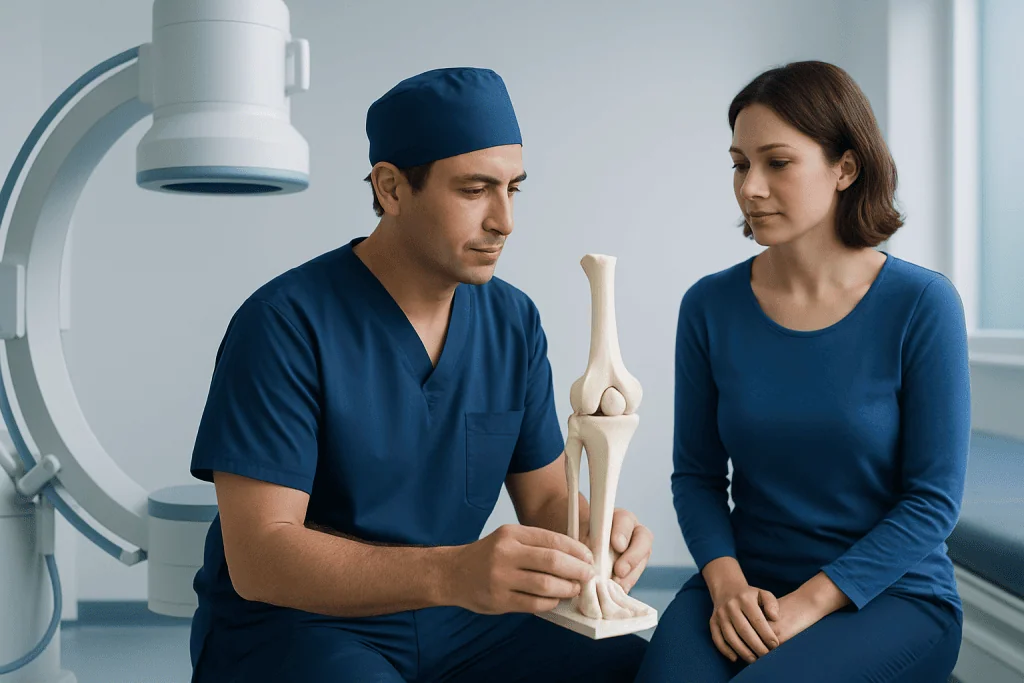
Orthopedic surgeons treat a wide range of conditions, from sudden injuries to long-term degenerative disorders. Some of the most common reasons people see an orthopedic surgeon are joint pain, back or neck pain, fractures, tendon injuries, ligament tears, and problems with movement or stability. They also evaluate joint stiffness, swelling, weakness, deformity, and pain that interferes with daily life.
Examples of conditions managed by orthopedic surgeons include osteoarthritis, rheumatoid arthritis affecting joints, broken bones, dislocations, shoulder impingement, rotator cuff tears, meniscus injuries, anterior cruciate ligament tears, carpal tunnel syndrome, scoliosis, herniated discs, and tendonitis. They may also help diagnose and manage osteoarthritis and more complex spinal problems such as scoliosis when symptoms affect posture, function, or comfort.
Orthopedic surgeons also care for overuse injuries related to work, exercise, or repetitive motion. Athletes may see them for sprains, stress fractures, cartilage injuries, or joint instability. Older adults may need orthopedic care for hip fractures, joint degeneration, or balance-related injuries that affect mobility and independence.
- Bone injuries: fractures, stress fractures, deformities
- Joint conditions: arthritis, instability, stiffness, cartilage damage
- Soft tissue injuries: ligament tears, tendon ruptures, muscle injuries
- Spine problems: back pain, disc problems, spinal curvature
- Nerve compression issues related to the musculoskeletal system
When Someone Might Need an Orthopedic Surgeon
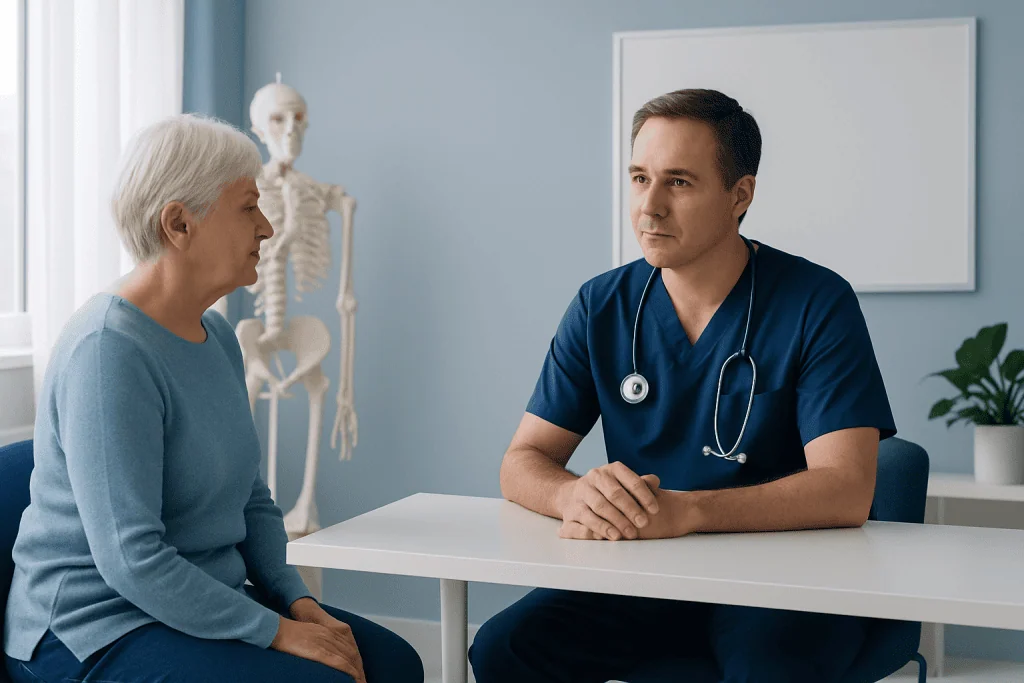
A person may benefit from seeing an orthopedic surgeon if pain, stiffness, swelling, or weakness does not improve with basic care. Warning signs include difficulty walking, reduced range of motion, recurring joint instability, pain that interrupts sleep, or symptoms that make work, sports, or daily activities difficult. Some injuries, such as suspected fractures or dislocations, need urgent assessment.
It is also appropriate to seek orthopedic evaluation after a sports injury, fall, traffic accident, or repetitive strain problem. Even when pain seems manageable at first, untreated musculoskeletal injuries can sometimes lead to chronic pain, weakness, or lasting joint damage. Early diagnosis often helps guide the right treatment and may improve recovery.
People with long-standing conditions may see an orthopedic surgeon when symptoms worsen over time or when conservative measures are no longer enough. For example, worsening knee or hip arthritis may eventually require more advanced care, including consideration of procedures such as knee replacement or hip replacement if pain and function decline significantly.
How Orthopedic Problems Are Diagnosed
Diagnosis usually begins with a detailed medical history and physical examination. The orthopedic surgeon asks about the location of pain, how symptoms started, what makes them better or worse, and whether there are limits in movement, strength, or daily function. They may also ask about sports activity, work demands, past injuries, and other health conditions that can affect healing.
During the physical exam, the surgeon checks alignment, swelling, tenderness, joint movement, stability, muscle strength, nerve function, and walking pattern. Specific tests may help identify ligament injuries, tendon tears, nerve compression, or spine-related problems. This hands-on assessment is important because many orthopedic conditions have similar symptoms but different causes.
Imaging and other tests often support the diagnosis. X-rays are commonly used to look at bones, fractures, arthritis, and joint alignment. MRI scans help assess soft tissues such as ligaments, tendons, cartilage, and discs. Ultrasound, CT scans, and blood tests may also be used depending on the symptoms. In some cases, the doctor may recommend evaluation for procedures such as arthroscopy to diagnose and treat a joint problem more directly.
Treatment Options in Orthopedic Care
Orthopedic treatment is usually personalized and depends on the diagnosis, age, general health, activity level, and personal goals of the patient. Many conditions improve without surgery. Nonsurgical options may include rest, ice, activity modification, physical therapy, splints or braces, pain-relieving or anti-inflammatory medicines, and injections to reduce inflammation or discomfort.
Rehabilitation is often a key part of care. Physical therapy can improve flexibility, strength, balance, posture, and joint stability. It may also support recovery after injury or surgery. Weight management, ergonomic changes, supportive footwear, and guided return to activity can also help reduce strain on the musculoskeletal system and prevent recurrence.
When surgery is recommended, the goal is usually to repair damaged structures, restore alignment, improve stability, relieve pain, or improve function. Procedures may include fracture fixation, tendon repair, ligament reconstruction, spinal surgery, joint-preserving procedures, or joint replacement. For example, an orthopedic surgeon may recommend shoulder surgery for severe rotator cuff damage or persistent instability that does not improve with conservative treatment.
Surgery is generally considered after discussing expected benefits, possible risks, recovery time, and rehabilitation needs. Shared decision-making is important. A patient should feel comfortable asking about alternatives, timing, outcomes, and what daily life may be like during recovery.
Orthopedic Surgeon vs Other Specialists
People sometimes wonder whether they should see an orthopedic surgeon, a rheumatologist, a physiotherapist, or a primary care doctor. The answer depends on the problem. A primary care doctor often evaluates the first symptoms and may refer the patient to an orthopedic surgeon when there is a suspected structural problem such as a fracture, torn ligament, severe arthritis, or a condition that may require imaging, procedures, or surgical opinion.
Rheumatologists focus on inflammatory and autoimmune diseases that affect joints and connective tissues, such as rheumatoid arthritis or lupus. Physiotherapists support rehabilitation, movement, and pain management, often working closely with orthopedic doctors. Sports medicine doctors, pain specialists, rehabilitation physicians, and neurologists may also be involved depending on the cause of symptoms.
Orthopedic care is often team-based. For example, a patient with back pain might need imaging, rehabilitation, pain management, and, in some cases, input from a spine surgeon. A person with a complex injury may work with trauma surgeons, physiotherapists, and occupational therapists. This coordinated approach helps match treatment to the patient’s needs and recovery goals.
Prevention, Self-Care, and Recovery
Not every orthopedic condition can be prevented, but healthy habits can lower the risk of injury and support long-term joint and bone health. Regular exercise helps maintain muscle strength, flexibility, coordination, and bone density. Low-impact activities such as walking, swimming, and cycling can be especially helpful for joint health, while strength training supports stability and balance.
Good technique during sports and exercise is important. Warming up, using proper equipment, increasing intensity gradually, and allowing time for rest can reduce overuse injuries. At home and at work, posture, ergonomic setup, and safe lifting techniques can help protect the back, shoulders, wrists, and knees. Supportive footwear may also reduce strain on joints and tendons.
After an injury or surgery, recovery usually depends on following the care plan closely. This may include wound care, temporary activity limits, exercises, assistive devices, and rehabilitation appointments. Healing takes time, and returning to sport or heavy physical activity too soon can increase the risk of reinjury. Patients should follow their doctor’s advice on pacing and recovery milestones.
Near the end of the care journey, some people seek specialized international services for evaluation or treatment planning. Acibadem International’s multidisciplinary specialists and JCI-accredited hospitals provide diagnosis, orthopedic treatment, and rehabilitation support for international patients when appropriate.
When to See a Doctor
A person should see a doctor if bone, joint, muscle, or back pain lasts more than a few days, keeps returning, or affects sleep, walking, exercise, or routine activities. Medical advice is also important for swelling, redness, warmth, visible deformity, locking of a joint, numbness, tingling, or weakness. These symptoms do not always mean a serious problem, but they do deserve proper assessment.
Urgent medical care is needed after major trauma, a suspected fracture, inability to bear weight, sudden severe pain, or loss of movement in a limb. Sudden back or neck symptoms with weakness, loss of bladder or bowel control, or significant numbness also require prompt attention. Early treatment can help prevent complications and support better recovery.
Even when symptoms seem mild, it is reasonable to seek guidance if they are limiting activity or causing concern. An orthopedic surgeon can help determine the cause, explain treatment options clearly, and advise whether self-care, rehabilitation, or a procedure is the most appropriate next step.
Frequently asked questions
What is an orthopedic surgeon?
An orthopedic surgeon is a doctor who specializes in problems affecting bones, joints, muscles, tendons, and ligaments. They diagnose injuries and chronic conditions, offer nonsurgical treatment when possible, and perform surgery when needed.
Do orthopedic surgeons only perform surgery?
No. Although they are trained surgeons, they often treat patients without surgery. Common nonsurgical treatments include physical therapy, braces, medication, injections, and advice on activity changes or rehabilitation.
What conditions does an orthopedic surgeon treat?
They treat fractures, sports injuries, arthritis, tendon and ligament tears, spine problems, joint pain, and mobility issues. They also care for overuse injuries and age-related wear and tear affecting the musculoskeletal system.
When should someone see an orthopedic surgeon?
A person should consider seeing one if pain, swelling, stiffness, weakness, or reduced movement does not improve or starts affecting daily life. Urgent evaluation is important after major injuries, suspected fractures, or inability to bear weight.
How does an orthopedic surgeon diagnose a problem?
Diagnosis usually includes a medical history, physical examination, and sometimes imaging such as X-rays or MRI. Additional tests may be used depending on whether the problem involves bones, joints, cartilage, tendons, ligaments, or nerves.
Do I need a referral to see an orthopedic surgeon?
This depends on the healthcare system, insurance plan, and country. In some settings, patients can book directly, while in others a primary care doctor or another specialist provides a referral.
References
- American Academy of Orthopaedic Surgeons
- National Institute of Arthritis and Musculoskeletal and Skin Diseases
- NHS
- MedlinePlus
- OrthoInfo
This article is for general information only and is not a substitute for professional medical advice. Please consult a qualified doctor about your individual situation.
Joint and spine care in Turkey — expert assessment & treatment
JCI-accredited · board-certified surgeons · reply within 24h
Add us as a Preferred Source to see more of our trusted health content across Google Search, AI Overviews and Discover.

Orthopedics & Spine
Care for bones, joints and the musculoskeletal system, including joint replacement, sports injuries and trauma.
125 specialists in this unitMore from the Health Library



Related Specialists
Dt. Aydın Akçakoca
Oral & Dental Health
Prof. Dr. Javad Parvizi
Orthopedic Surgery & Traumatology
Dt. Ebru İspirgil
Oral & Dental Health
Dt. Gözde Anıl Gürbüz
Oral & Dental Health