What Is Cancer? A Simple Guide to How Cancer Develops
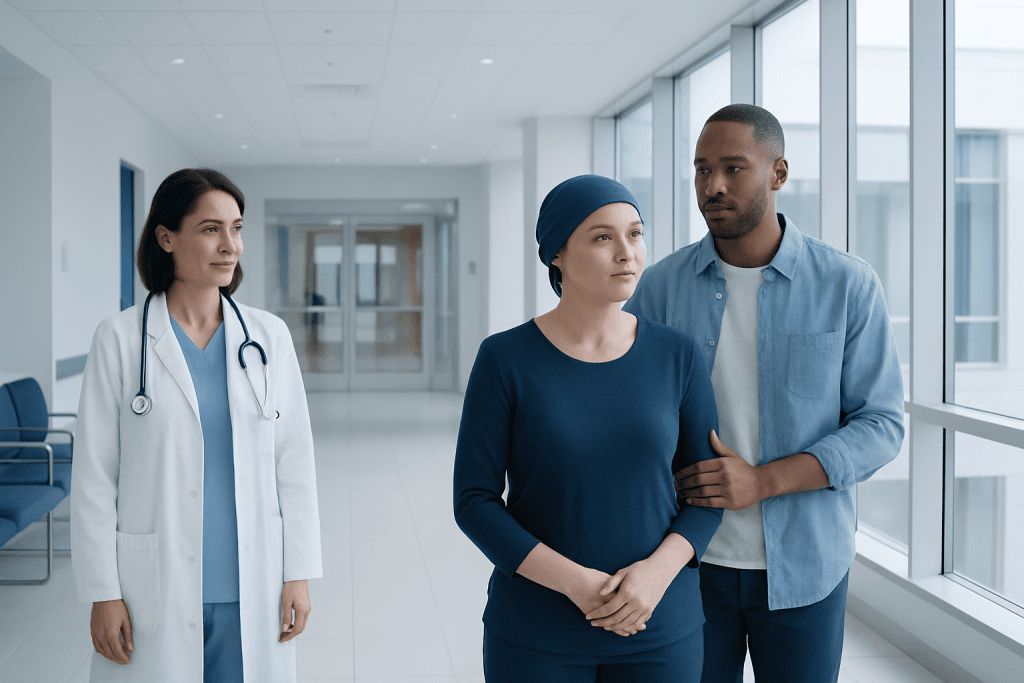
Cancer begins when changes in a cell's DNA disrupt normal growth and repair controls. Not all tumors are cancerous, and many cancers can be treated effectively, especially when found early.
Key Takeaways
- Cancer begins when changes in a cell's DNA disrupt normal growth and repair controls.
- Not all tumors are cancerous, and many cancers can be treated effectively, especially when found early.
- Cancer symptoms vary widely depending on the type, size, and location of the disease.
- Diagnosis often involves imaging, laboratory tests, and a biopsy to confirm the exact cancer type.
- Treatment may include surgery, chemotherapy, radiation therapy, targeted therapy, immunotherapy, or a combination of approaches.
- Healthy lifestyle habits and regular screenings can lower risk and support early detection.
Cancer is a group of diseases in which abnormal cells grow uncontrollably and may spread to other parts of the body. Understanding how cancer develops can help people recognize warning signs, reduce risk where possible, and seek timely medical care.
Overview: What Is Cancer?
Cancer is not a single disease. It is a broad term for many conditions that start when abnormal cells begin to grow in an uncontrolled way. In healthy tissues, cells grow, divide, and die in a carefully regulated cycle. Cancer develops when this control system breaks down, allowing damaged cells to survive and multiply.
These abnormal cells can form a mass called a tumor, although not all cancers create tumors. For example, some blood cancers affect the bone marrow and blood rather than forming a solid lump. Cancer cells may also invade nearby tissues and, in some cases, travel through the blood or lymphatic system to other parts of the body. This spread is called metastasis.
There are many different types of cancer, and each behaves differently. Some grow slowly, while others are more aggressive. The outlook depends on factors such as the cancer type, stage, location, and a person’s overall health. A better understanding of how cancer starts and grows can make diagnosis and treatment feel more manageable.
How Cancer Develops in the Body
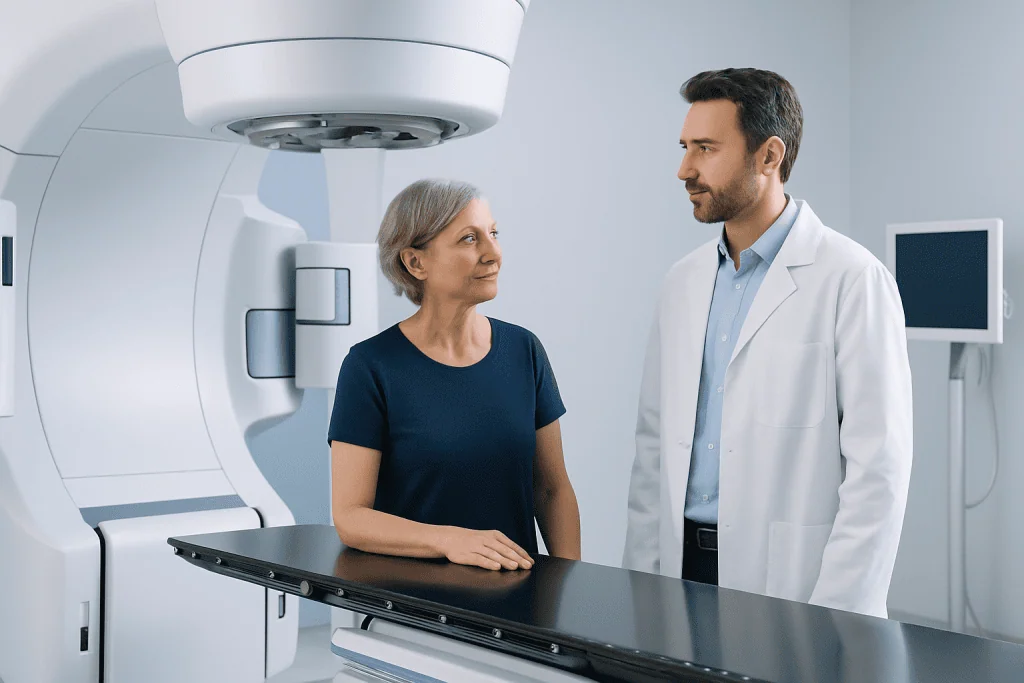
Every cell contains DNA, which acts like an instruction manual for how the cell should function. Over time, DNA can be damaged by aging, environmental exposures, inherited gene changes, or random errors that happen when cells divide. Usually, the body repairs this damage or removes the faulty cell. Cancer can begin when these safeguards fail.
Some gene changes switch on signals that tell cells to keep dividing, while others switch off signals that normally stop abnormal growth. Cancer cells may also avoid the process of natural cell death, known as apoptosis. As a result, they continue to survive and multiply even when they should not.
As cancer grows, it can recruit its own blood supply, allowing the tumor to receive oxygen and nutrients. Over time, cancer cells may become more abnormal and better able to invade nearby structures. If they break away and spread to distant organs, the disease becomes more complex to treat. This is why early detection is so important.
Types, Symptoms, and Warning Signs
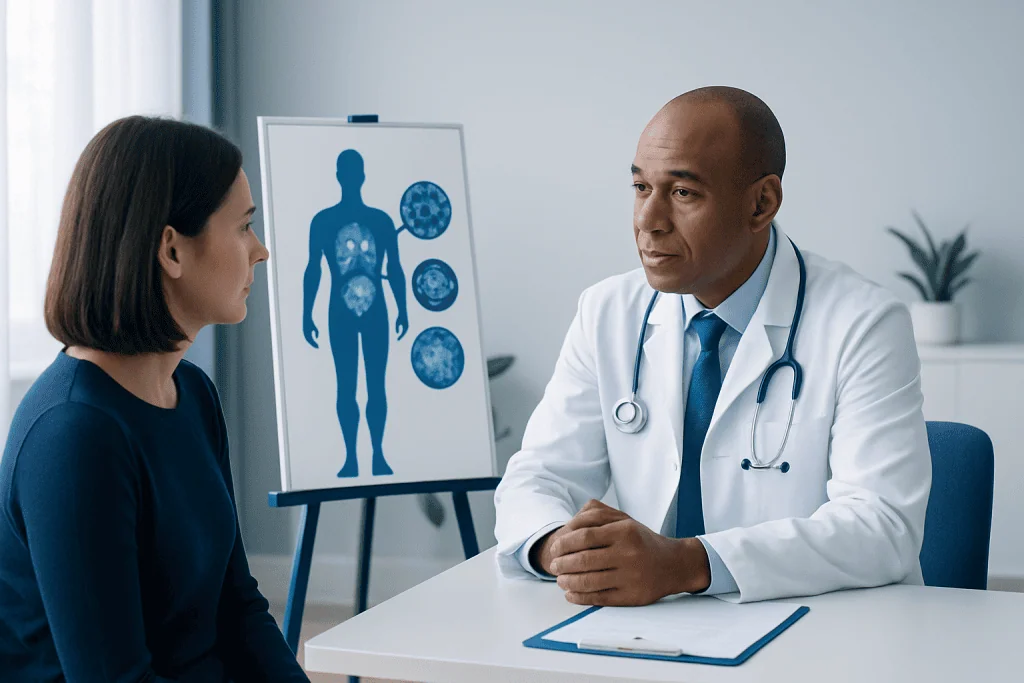
Cancers are often grouped by where they start or by the type of tissue involved. Common categories include carcinomas, which begin in organs or the skin; sarcomas, which start in connective tissues such as bone or muscle; leukemias, which affect blood-forming tissues; lymphomas and myelomas, which involve the immune system; and cancers of the brain and nervous system.
Symptoms can vary greatly. Some people have no symptoms at first, while others notice changes that do not go away. Possible warning signs may include unexplained weight loss, unusual bleeding, a lump, ongoing fatigue, persistent pain, changes in bowel or bladder habits, a cough that does not improve, or a skin change such as a new or changing mole.
These symptoms do not always mean cancer, and many are caused by less serious conditions. Even so, persistent or unusual changes deserve medical attention. A healthcare professional can evaluate symptoms, rule out other causes, and decide whether further testing is needed.
- A new lump or swelling
- Unexplained weight loss or loss of appetite
- Persistent tiredness
- Changes in the skin, including sores that do not heal
- Long-lasting cough, hoarseness, or trouble swallowing
- Unusual bleeding or changes in bowel or bladder habits
Causes and Risk Factors
There is rarely one single cause of cancer. In most cases, cancer develops through a combination of genetic, environmental, and lifestyle factors over time. Age is one of the strongest risk factors because cells accumulate more DNA changes as people get older.
Known risk factors include tobacco use, excessive alcohol intake, obesity, limited physical activity, poor diet, and too much exposure to ultraviolet radiation from the sun or tanning devices. Certain infections, such as human papillomavirus, hepatitis B, hepatitis C, and Helicobacter pylori, can also increase the risk of specific cancers. Exposure to some chemicals, air pollution, and radiation may contribute as well.
Family history can matter, especially when certain inherited gene changes run in families. However, having a family history does not mean a person will definitely develop cancer, and many people with cancer have no strong inherited risk. Understanding personal risk can help guide screening and prevention decisions with a doctor.
Some noncancerous conditions can also increase risk or require closer follow-up. In certain situations, doctors may monitor related diseases or precancerous changes to help prevent progression to cancer.
How Cancer Is Diagnosed and Staged
Diagnosis usually starts with a medical history and physical examination. A doctor will ask about symptoms, family history, lifestyle factors, and any previous health conditions. If cancer is suspected, the next steps may include blood tests, imaging, or referral to a specialist.
Imaging tests such as ultrasound, X-ray, computed tomography, magnetic resonance imaging, or positron emission tomography can help show whether there is an abnormal growth and whether it may have spread. In many cases, the most important test is a biopsy, in which a small sample of tissue is removed and examined under a microscope. A biopsy confirms whether cancer is present and identifies the exact type.
Once cancer is confirmed, doctors determine its stage. Staging describes how large the cancer is and whether it has spread to lymph nodes or other organs. This information helps guide treatment choices and gives a clearer idea of prognosis. Some patients may also have molecular or genetic testing of the tumor to help match treatment more precisely.
Treatment Options for Cancer
Cancer treatment is personalized. The best approach depends on the cancer type, stage, location, genetic features, symptoms, and the patient’s overall health and preferences. Many people receive more than one type of treatment, either at the same time or in sequence.
Common options include cancer surgery to remove a tumor, radiation therapy to destroy cancer cells in a targeted area, and systemic cancer treatment such as chemotherapy, hormonal therapy, targeted therapy, or immunotherapy. Some cancers may also be treated with stem cell transplantation or other specialized approaches. In selected cases, doctors may recommend active surveillance when immediate treatment is not necessary.
Supportive care is also an important part of treatment. This may include pain control, nutrition support, rehabilitation, emotional support, and care for treatment side effects. The goal is not only to treat the cancer but also to protect quality of life throughout the process.
Care is often provided by a multidisciplinary team that may include oncologists, surgeons, radiation specialists, pathologists, radiologists, nurses, dietitians, and mental health professionals. Near the end of the care journey, some international patients may choose centers such as Acibadem International, where multidisciplinary specialists in JCI-accredited hospitals diagnose and treat cancer using coordinated care plans.
Prevention, Screening, and Self-Care
Not all cancers can be prevented, but many risks can be reduced. Avoiding tobacco is one of the most effective steps. Other helpful measures include maintaining a healthy weight, being physically active, limiting alcohol, following a balanced diet, protecting the skin from excessive sun exposure, and keeping up to date with recommended vaccines such as HPV and hepatitis B where appropriate.
Screening can find certain cancers early, sometimes before symptoms begin. Depending on age, sex, family history, and personal risk, a doctor may recommend screening tests for breast, cervical, colorectal, lung, prostate, or other cancers. Screening schedules vary, so individual advice is important.
Self-care also matters during and after diagnosis. People living with cancer often benefit from regular follow-up visits, adequate rest, good nutrition, emotional support, and open communication with their healthcare team. Asking questions and understanding the treatment plan can help patients feel more confident and involved in their care.
When to See a Doctor
It is wise to see a doctor if symptoms are new, persistent, or unexplained. Examples include a lump, unusual bleeding, a sore that does not heal, ongoing cough, changes in bowel or bladder habits, unexplained weight loss, or lasting fatigue. Most of these symptoms are not caused by cancer, but they should still be evaluated.
People with a strong family history of cancer or known inherited risk may benefit from earlier discussions about screening or genetic counseling. Anyone who has completed cancer treatment should also attend regular follow-up appointments, as these visits help monitor recovery, manage side effects, and look for signs of recurrence.
Prompt medical advice can lead to earlier diagnosis and more treatment options. Reassurance is important too: finding out the cause of symptoms, whether cancer-related or not, is a positive step toward appropriate care.
Frequently asked questions
Is cancer always a tumor?
No. Some cancers form solid tumors, but others do not. Blood cancers such as leukemia affect the blood and bone marrow rather than creating a distinct lump.
Can cancer be cured?
Some cancers can be cured, especially when found early and treated effectively. In other cases, treatment can control the disease for a long time, reduce symptoms, and help people live well.
Does a family history mean someone will get cancer?
Not necessarily. A family history can increase risk for some people, but it does not mean cancer is certain. Many cancers happen in people without a strong family history, and many people with inherited risk never develop cancer.
What is the difference between benign and malignant?
Benign means noncancerous. Malignant means cancerous, with the ability to invade nearby tissue and sometimes spread to other parts of the body.
Why is a biopsy important?
A biopsy provides a tissue sample that can be examined under a microscope. This is often the most reliable way to confirm whether cancer is present and to identify its exact type.
Can lifestyle changes really reduce cancer risk?
Yes, lifestyle choices can make a meaningful difference. Avoiding tobacco, limiting alcohol, staying active, eating a balanced diet, protecting the skin from the sun, and attending recommended screenings can all help lower risk.
References
- World Health Organization
- National Cancer Institute
- American Cancer Society
- Centers for Disease Control and Prevention
- National Health Service
This article is for general information only and is not a substitute for professional medical advice. Please consult a qualified doctor about your individual situation.
Oncology care in Turkey — second opinion and treatment plan
JCI-accredited · board-certified surgeons · reply within 24h
Add us as a Preferred Source to see more of our trusted health content across Google Search, AI Overviews and Discover.

More from the Health Library



Related Specialists
Dr. Ercan Biçakci
Gastroenterology
Dr. Elvan Cevizci Akkılıç
Neurology
Assoc. Prof. Dr. Özlem Akgün Doğan
Pediatric Genetic Diseases
Prof. Dr. Nail Suat Ünver
Internal Medicine