What Is Congestive Heart Failure? Types, Stages, and What to Expect

Congestive heart failure does not mean the heart has stopped; it means the heart is not pumping efficiently enough. Common symptoms include shortness of breath, tiredness, leg swelling, and rapid weight gain from fluid retention.
Key Takeaways
- Congestive heart failure does not mean the heart has stopped; it means the heart is not pumping efficiently enough.
- Common symptoms include shortness of breath, tiredness, leg swelling, and rapid weight gain from fluid retention.
- Heart failure may affect the left side, right side, or both sides of the heart, and it can occur with reduced or preserved pumping function.
- Treatment often combines medicines, lifestyle changes, monitoring, and sometimes devices or procedures.
- Early medical attention for worsening breathlessness, chest pain, or sudden swelling can help prevent complications.
Congestive heart failure is a long-term condition in which the heart cannot pump blood as effectively as the body needs. With early diagnosis, the right treatment, and healthy daily habits, many people can manage symptoms and maintain a good quality of life.
Overview
Congestive heart failure is a condition in which the heart cannot pump blood well enough to meet the body’s needs. As blood flow becomes less efficient, fluid may build up in the lungs, legs, feet, abdomen, or other tissues. This is why the term “congestive” is often used, although many doctors now simply say “heart failure.”
Heart failure can develop slowly over time or appear more suddenly after a heart problem such as a heart attack. It is not a single disease but a clinical syndrome caused by different underlying heart conditions. These may include coronary artery disease, long-standing high blood pressure, valve disease, cardiomyopathy, or rhythm problems.
Some people have mild symptoms that are noticeable only with activity, while others may have more persistent limitations. Modern treatment can often reduce symptoms, improve daily function, and lower the risk of hospital admissions. Understanding the types, stages, and likely course of heart failure can help patients and families feel more prepared and involved in care.
Types and Stages of Congestive Heart Failure
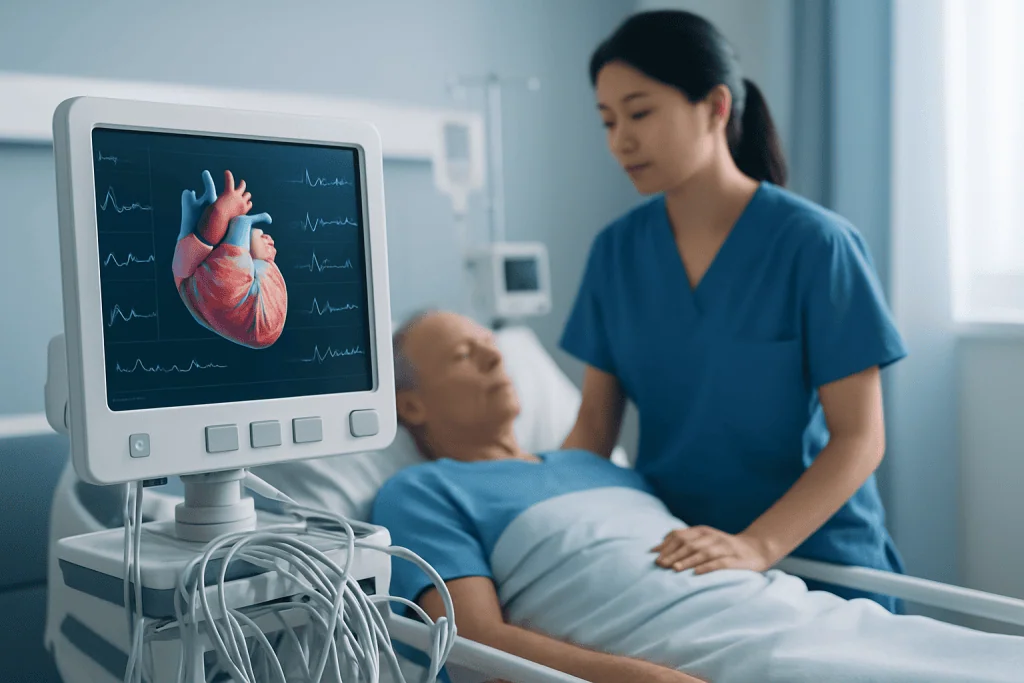
Heart failure is described in several ways. One common approach is by the side of the heart that is mainly affected. Left-sided heart failure is the most common type and often causes breathlessness because fluid backs up into the lungs. Right-sided heart failure tends to cause swelling in the legs, ankles, feet, or abdomen because fluid backs up in the body. Some people have both left- and right-sided failure.
Doctors also classify heart failure based on how well the heart’s main pumping chamber contracts. In heart failure with reduced ejection fraction, the heart muscle does not squeeze strongly enough. In heart failure with preserved ejection fraction, the squeezing function may look normal, but the heart is too stiff to fill properly. Both forms can cause similar symptoms and both need ongoing medical care.
Another useful system is staging. The American College of Cardiology and American Heart Association stages range from A to D:
- Stage A: Risk factors are present, such as high blood pressure, diabetes, or coronary artery disease, but there is no structural heart disease or symptoms.
- Stage B: Structural heart disease is present, but there are still no symptoms.
- Stage C: Structural heart disease is present and symptoms of heart failure have developed.
- Stage D: Advanced heart failure causes significant symptoms despite standard treatment.
Doctors may also use the New York Heart Association functional classes, which describe how symptoms affect physical activity. Together, these classifications help guide treatment and discussions about what to expect over time.
Symptoms

Symptoms of congestive heart failure can vary depending on the cause, severity, and the side of the heart involved. The most common symptom is shortness of breath. This may happen during exercise, while lying flat, or even at rest in more advanced cases. Some people wake up at night feeling breathless and need to sit upright to feel better.
Fatigue and reduced exercise tolerance are also very common. Everyday tasks such as climbing stairs, walking longer distances, or carrying groceries may feel more difficult than before. This happens because the muscles and organs may not receive enough oxygen-rich blood during activity.
Fluid retention can lead to swelling in the ankles, feet, legs, or abdomen. Patients may also notice sudden weight gain over a few days, tighter shoes, or a feeling of bloating. Other symptoms can include a cough, wheezing, a fast or irregular heartbeat, poor appetite, nausea, and difficulty concentrating.
Symptoms do not always mean severe heart failure, but they should be assessed, especially if they are new or getting worse. People who have conditions such as coronary artery disease or high blood pressure should pay close attention to early warning signs and discuss them with a doctor.
Causes and Risk Factors
Congestive heart failure usually develops because another condition has damaged or overworked the heart. One of the leading causes is coronary artery disease, in which narrowed arteries reduce blood flow to the heart muscle. A previous heart attack can leave part of the heart weakened, making it harder to pump effectively. Long-term high blood pressure can also force the heart to work too hard, eventually causing thickening or weakening of the muscle.
Other causes include heart valve disease, cardiomyopathy, congenital heart disease, myocarditis, and persistent abnormal heart rhythms. Diseases outside the heart can also contribute, including diabetes, chronic kidney disease, thyroid disorders, severe anemia, and sleep apnea. In some cases, heavy alcohol use, certain drugs, or cancer treatments may injure the heart.
Risk factors for heart failure include older age, obesity, smoking, high blood pressure, diabetes, high cholesterol, physical inactivity, and a family history of heart disease. Having one or more risk factors does not mean a person will definitely develop heart failure, but it does make regular checkups especially important.
Because heart failure often results from a combination of issues, finding the underlying cause is a key part of care. This helps doctors choose the most appropriate treatment and identify other conditions that may need attention at the same time.
How Congestive Heart Failure Is Diagnosed
Diagnosis begins with a medical history and physical examination. A doctor will ask about symptoms such as breathlessness, swelling, fatigue, and changes in exercise tolerance. They will also review risk factors, medications, and any history of heart disease, high blood pressure, diabetes, or kidney problems.
Several tests may be used to confirm heart failure and understand its cause. Blood tests can look for signs of strain on the heart and check kidney function, thyroid function, and electrolyte levels. A chest X-ray may show fluid in the lungs or an enlarged heart. An electrocardiogram can identify rhythm problems or evidence of a previous heart attack.
An echocardiogram is one of the most important tests because it shows the heart’s structure and how well it pumps. In some cases, doctors may recommend stress testing, coronary imaging, or cardiac MRI to look more closely at blood flow, damage, or the heart muscle itself. If an underlying rhythm issue is suspected, heart rhythm monitoring may be needed.
Diagnosis is not only about confirming heart failure. It also aims to determine the type, stage, severity, and trigger for symptoms. This information helps shape an individual treatment plan and gives a clearer idea of what to expect going forward.
Treatment Options and What to Expect
Treatment for congestive heart failure usually includes a combination of medicines, lifestyle changes, and careful monitoring. Common goals are to reduce fluid buildup, lower the heart’s workload, improve pumping efficiency where possible, and treat the underlying cause. Many patients need long-term follow-up because treatment often needs adjustment over time.
Depending on the type of heart failure, doctors may prescribe diuretics to reduce excess fluid, medicines that relax blood vessels and lower blood pressure, or therapies that help the heart pump more effectively. Treatment may also include medication for rhythm control, diabetes, or other related conditions. It is important to take medicines exactly as prescribed and not to stop them without medical advice.
Some people need procedures or advanced therapies. If blocked coronary arteries are contributing, doctors may recommend coronary angiography to evaluate the blood vessels and guide further care. Selected patients may benefit from pacemakers, implantable defibrillators, valve procedures, or surgery. In severe cases, advanced heart failure treatment may be discussed with a specialist team.
What to expect can differ from person to person. Some patients remain stable for long periods, while others have episodes where symptoms suddenly worsen. Learning to recognize early changes, attending regular appointments, and following a treatment plan can make day-to-day life more manageable. If there is concern about underlying structural disease, a full cardiology check-up may help clarify the best next steps.
Prevention and Self-care
Self-care is a central part of living with heart failure. Patients are often advised to weigh themselves regularly and watch for sudden weight gain, increasing swelling, or worsening breathlessness. Tracking symptoms helps identify fluid retention early, before it becomes more serious.
Healthy daily habits can support treatment. These often include limiting salt intake, staying physically active within safe limits, taking medications consistently, managing stress, avoiding smoking, and limiting alcohol if advised by a doctor. Some patients may need guidance on fluid intake, especially if they tend to retain fluid.
Managing related conditions is equally important. Keeping blood pressure, cholesterol, and blood sugar under control can help reduce strain on the heart. People with obesity may benefit from gradual weight loss under medical guidance, and those with sleep apnea or kidney disease may need coordinated care with other specialists.
Prevention matters even before heart failure develops. Treating high blood pressure early, following a heart-healthy diet, and seeking care for symptoms of heart disease can lower risk over time. In people with known cardiovascular disease, timely assessment and treatment can help prevent progression to heart failure.
When to See a Doctor
A doctor should be consulted if there is unexplained shortness of breath, swelling of the legs or abdomen, unusual fatigue, or a clear decline in exercise tolerance. These symptoms can have many causes, but they deserve medical evaluation, especially in people with heart disease or known risk factors.
Urgent medical attention is needed for chest pain, severe breathlessness, fainting, new confusion, blue lips, or sudden worsening swelling. These symptoms may signal a heart-related emergency or rapidly worsening heart failure. It is safer not to wait when severe symptoms appear.
People already diagnosed with heart failure should contact their care team if symptoms begin to change. Gaining weight quickly over a few days, needing more pillows to sleep, or becoming breathless during usual activities can all be early signs that treatment needs adjustment.
For patients seeking coordinated evaluation, Acibadem International’s multidisciplinary specialists in JCI-accredited hospitals diagnose and treat heart conditions for international patients. A tailored plan may include imaging, medical management, and when needed, further assessment such as echocardiography or other cardiology services.
Frequently asked questions
Is congestive heart failure the same as a heart attack?
No. A heart attack happens when blood flow to part of the heart muscle is suddenly blocked, while congestive heart failure means the heart is not pumping efficiently enough. A heart attack can sometimes lead to heart failure, but they are not the same condition.
Can congestive heart failure be cured?
Heart failure is usually a chronic condition, so treatment often focuses on control rather than cure. In some cases, symptoms improve greatly when the underlying cause is treated, such as repairing a valve problem or controlling high blood pressure. Even when it cannot be fully reversed, many people live well with proper care.
What foods should be limited with heart failure?
Many patients are advised to limit salt because too much sodium can increase fluid retention and worsen swelling or breathlessness. Processed foods, canned soups, salty snacks, and fast foods are common hidden sources. A doctor or dietitian can give personalized advice based on symptoms, kidney function, and medications.
How serious is congestive heart failure?
Heart failure is a serious medical condition, but its course varies widely from person to person. Some people have mild symptoms that stay stable for years, while others may need closer monitoring and more intensive treatment. Early diagnosis and consistent follow-up can make a meaningful difference.
Can exercise help if someone has heart failure?
Yes, in many cases regular, appropriate physical activity can help improve stamina, strength, and overall well-being. The type and intensity should be tailored to the individual’s condition, symptoms, and doctor’s advice. Sudden overexertion is not recommended, especially if symptoms are unstable.
What are the early warning signs that heart failure may be getting worse?
Common warning signs include increasing shortness of breath, more swelling in the legs or abdomen, sudden weight gain, extra fatigue, or needing to sleep more upright. A new cough or less ability to do usual activities can also be important clues. These changes should be reported to a healthcare professional promptly.
References
- American Heart Association
- Heart Failure Society of America
- European Society of Cardiology
- National Heart, Lung, and Blood Institute
- Centers for Disease Control and Prevention
This article is for general information only and is not a substitute for professional medical advice. Please consult a qualified doctor about your individual situation.
Heart Failure in Turkey — costs, top hospitals & a free quote
JCI-accredited · board-certified surgeons · reply within 24h
Add us as a Preferred Source to see more of our trusted health content across Google Search, AI Overviews and Discover.
Check your numbers in seconds
BMI, calories, due date, blood pressure and 30+ more clinical calculators — free, instant, doctor-reviewed ranges.