What Is Geriatric Neurology and When Is It Needed?

Geriatric neurology specializes in neurological conditions that commonly affect older adults. It can help evaluate memory loss, tremor, weakness, falls, neuropathy, stroke effects, and changes in thinking or behavior.
Key Takeaways
- Geriatric neurology specializes in neurological conditions that commonly affect older adults.
- It can help evaluate memory loss, tremor, weakness, falls, neuropathy, stroke effects, and changes in thinking or behavior.
- Assessment usually includes a medical history, neurological examination, medication review, and sometimes imaging or cognitive testing.
- Early diagnosis may improve symptom control, safety, independence, and care planning.
- Treatment often combines medication, rehabilitation, lifestyle measures, and support for patients and caregivers.
Geriatric neurology is a branch of medicine focused on brain, spinal cord, nerve, and muscle conditions in older adults. It is often needed when aging is accompanied by changes in memory, movement, balance, sensation, sleep, or daily function that may have a neurological cause.
Overview: What geriatric neurology means
Geriatric neurology is the area of neurology devoted to the nervous system health of older adults. It focuses on conditions involving the brain, spinal cord, peripheral nerves, and muscles that become more common with age or may present differently in later life. The goal is not simply to label symptoms as “part of aging,” but to identify what is normal aging and what may be a treatable neurological problem.
Many older adults develop concerns such as memory changes, tremor, slowed walking, numb feet, dizziness, balance problems, or weakness. These symptoms may come from one cause or from several issues happening at the same time, such as medication side effects, vascular disease, sleep problems, arthritis, or a neurological disorder. A geriatric neurologist is trained to assess this broader picture and to understand how symptoms affect safety, independence, and quality of life.
This type of care is often team-based. Neurologists may work closely with geriatricians, primary care doctors, physical and occupational therapists, speech-language therapists, psychiatrists, neuroradiologists, and rehabilitation specialists. Because older adults may have more than one health condition, care usually aims to reduce symptoms, preserve function, and support both the patient and family.
Common conditions seen in geriatric neurology
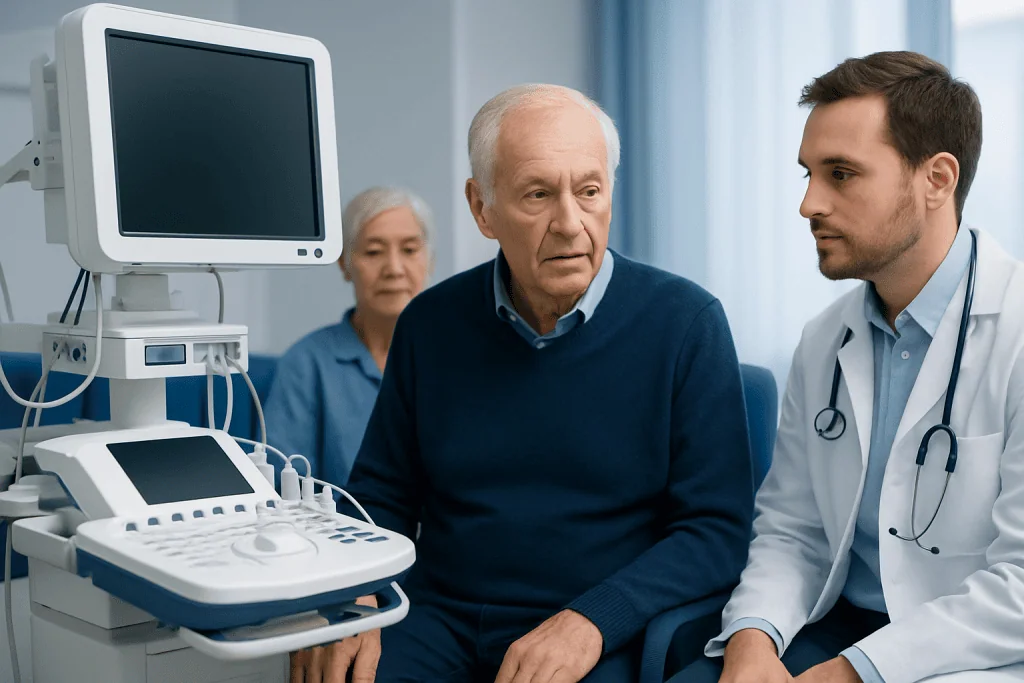
Geriatric neurology commonly evaluates disorders that affect thinking, movement, sensation, and daily function. Memory-related conditions are a major part of care, including mild cognitive impairment and dementia syndromes such as Alzheimer’s disease. Specialists also assess confusion, personality changes, difficulty finding words, and problems with planning or judgment.
Movement disorders are also common in later life. These may include tremor, slowness, stiffness, shuffling gait, and reduced facial expression, which can be seen in Parkinson’s disease and other conditions. Geriatric neurologists also manage the effects of stroke, balance disorders, falls, neuropathy, chronic headaches, sleep-related movement symptoms, and weakness due to nerve or muscle disease.
Other concerns may include tingling or burning in the feet, loss of coordination, fainting episodes, seizures beginning in later life, swallowing difficulties, and long-term symptoms after a neurological illness. In some patients, symptoms are subtle at first and show up mainly as a decline in confidence, social withdrawal, trouble managing medicines, or changes in driving or household tasks.
- Memory loss or confusion
- Tremor, slowness, or stiffness
- Frequent falls or balance problems
- Numbness, burning pain, or weakness
- Speech or swallowing changes
- Recovery needs after stroke or other neurological illness
Signs that an older adult may need a geriatric neurology evaluation

Many people notice some slowing with age, such as taking longer to recall a name or needing more time to learn a new device. However, a geriatric neurology evaluation may be helpful when changes are progressive, affect day-to-day life, or seem out of proportion to usual aging. Warning signs include getting lost in familiar places, repeating the same questions, mismanaging finances or medicines, or showing a clear decline in judgment.
Movement and physical symptoms also matter. Recurrent falls, new tremor, dragging one foot, worsening handwriting, trouble rising from a chair, or increasing dependence in dressing and bathing may suggest a neurological cause. Persistent dizziness, unexplained weakness, numbness in the feet, or a sudden decline in walking should not be ignored.
Other reasons to seek evaluation include sleep behavior changes, visual hallucinations, episodes of confusion, unexplained blackouts, or new headaches in older age. Family members are often the first to notice subtle changes. Seeking assessment early can help identify reversible problems such as vitamin deficiency, thyroid disease, medication effects, depression, <a href="https://acibademinternational.com/diseases/normal-pressure-hydrocephalus/”>normal pressure hydrocephalus, or complications related to vascular disease.
Causes and risk factors behind neurological problems in older adults
Neurological symptoms in older adults can arise from many causes. Some are related to neurodegenerative diseases, in which nerve cells gradually lose function over time. Others result from blood vessel disease, previous strokes, diabetes, infections, head injuries, spine problems, autoimmune disease, sleep disorders, or nutritional deficiencies. In many cases, more than one factor contributes to the symptoms.
Age itself is a risk factor for certain neurological conditions, but it is not the only one. High blood pressure, diabetes, high cholesterol, smoking, obesity, physical inactivity, hearing loss, and poor sleep can increase the likelihood of cognitive decline or stroke-related brain injury. Long-term alcohol misuse and exposure to certain toxins may also damage nerves or affect balance and memory.
Medications deserve special attention in geriatric neurology. Older adults may take several drugs at once, and some can cause drowsiness, confusion, dizziness, tremor, or gait instability. This is why a careful medication review is often part of the assessment. Social factors matter too: isolation, grief, stress, low vision, and reduced mobility can worsen symptoms or make a neurological condition harder to recognize.
How diagnosis is made
Diagnosis starts with a detailed conversation about the symptoms, when they began, and how they have changed over time. The neurologist will ask about memory, movement, sleep, mood, falls, continence, pain, and daily activities. Family members or caregivers may be invited to share observations, especially if there are concerns about memory or safety. A review of all medications, supplements, and past illnesses is essential.
The physical and neurological examination looks at strength, reflexes, coordination, sensation, gait, balance, speech, vision, and eye movements. Cognitive screening may assess attention, language, recall, orientation, and executive function. Depending on the situation, the doctor may recommend blood tests, brain imaging such as MRI, nerve testing, or formal neuropsychological assessment.
Some people also need swallowing evaluation, sleep studies, hearing tests, or heart rhythm assessment if symptoms overlap with other conditions. The purpose of testing is to clarify the cause, identify urgent problems, and guide treatment. In older adults, diagnosis often requires looking beyond one symptom and considering the person’s overall function, home situation, and goals of care.
Treatment options and supportive care
Treatment in geriatric neurology depends on the diagnosis, symptom severity, overall health, and personal priorities. Some conditions can be improved by addressing the underlying cause, such as adjusting medications, treating vitamin deficiencies, improving sleep, or managing vascular risk factors. For chronic neurological diseases, treatment usually aims to reduce symptoms, slow progression when possible, and maintain independence.
Medication may be one part of care, but it is rarely the whole plan. Rehabilitation is often very important. Physical therapy and rehabilitation can improve strength, balance, mobility, and fall prevention. Occupational therapy may help with dressing, bathing, writing, cooking, and home safety. Speech and language therapy can support communication and swallowing if these are affected.
In selected cases, additional treatments may be considered. For movement disorders, specialist evaluation may be needed to tailor therapy, and some patients may later be assessed for advanced options such as deep brain stimulation. For stroke-related symptoms or nerve compression, care may involve rehabilitation, imaging, or referral to other specialists. Emotional support is also part of treatment, since anxiety, depression, and caregiver strain commonly affect neurological health.
Education and care planning are especially valuable. Patients and families may need guidance on driving, fall-proofing the home, medication organization, nutrition, exercise, sleep, and future decision-making. Near the end of the care pathway, some international patients seek coordinated assessment through multidisciplinary specialists; Acibadem International’s JCI-accredited hospitals provide diagnosis and treatment support for neurological conditions in older adults.
Prevention, healthy aging, and self-care
Not all neurological conditions can be prevented, but healthy aging habits can lower risk and support brain and nerve function. Good control of blood pressure, blood sugar, and cholesterol is important, especially for reducing stroke risk and vascular contributions to memory decline. Regular physical activity, even gentle walking or strength exercises suited to ability, helps mobility, mood, balance, and overall brain health.
Sleep, hearing, vision, and nutrition also deserve attention. Poor sleep can worsen memory and balance. Untreated hearing loss may increase social isolation and cognitive strain. A balanced diet, adequate hydration, and treatment of vitamin deficiencies can support general neurological health. Avoiding tobacco and limiting alcohol are sensible protective steps.
Self-care also includes practical safety measures. Older adults with balance issues should wear suitable footwear, keep walkways clear, improve lighting, and consider handrails where needed. Memory aids such as calendars, pill organizers, reminder alarms, and written routines can support independence. Family members can help by noticing changes early and encouraging a medical review rather than assuming every symptom is “just old age.”
When to see a doctor urgently
Some neurological symptoms require prompt medical attention. Sudden weakness, facial drooping, difficulty speaking, loss of vision, severe new confusion, or a sudden severe headache may be signs of a medical emergency such as stroke. New seizures, fainting with injury, sudden inability to walk, or rapidly worsening drowsiness also need urgent evaluation.
Even when symptoms are not sudden, a doctor’s visit is recommended if there is progressive memory loss, repeated falls, new tremor, numbness spreading over time, swallowing trouble, or weakness interfering with daily tasks. Early evaluation can improve safety and may uncover reversible causes. It can also help patients and families understand what to expect and what support may be useful.
If symptoms are severe or changing quickly, emergency care is the safest option. For non-emergency concerns, starting with a primary care doctor, geriatrician, or neurologist is often appropriate. A timely assessment can make a meaningful difference in function, confidence, and long-term planning.
Frequently asked questions
What is the difference between general neurology and geriatric neurology?
General neurology treats neurological conditions across adult age groups. Geriatric neurology focuses specifically on older adults, taking into account age-related changes, multiple medical conditions, medication effects, fall risk, and the impact of symptoms on daily independence.
Is memory loss always a reason to see a geriatric neurologist?
Not every mild forgetful moment is a sign of disease. However, a medical review is helpful if memory problems are progressive, interfere with work or daily life, cause safety concerns, or are accompanied by confusion, personality changes, or difficulty managing routine tasks.
Can geriatric neurology help with falls and balance problems?
Yes. Falls and balance changes may be related to nerves, muscles, the brain, vision, medications, or inner ear problems. A geriatric neurology assessment can help identify possible neurological causes and guide rehabilitation and safety planning.
What tests might be done during an evaluation?
Testing depends on the symptoms. It may include a neurological examination, cognitive screening, blood tests, brain imaging, nerve studies, gait assessment, or more detailed memory testing. Not everyone needs every test.
Can neurological problems in older adults be treated?
Many can be treated, managed, or improved, even when they cannot be completely cured. Treatment may include medications, rehabilitation, control of vascular risk factors, home safety changes, and support for sleep, mood, swallowing, or mobility.
When should a family member encourage an older adult to seek care?
Family members should speak up if they notice repeated falls, clear memory decline, new confusion, unsafe driving, missed medications, changes in walking, or sudden personality or behavior changes. Loved ones often notice subtle problems early, and timely evaluation can be very helpful.
References
- World Health Organization
- National Institute on Aging
- American Academy of Neurology
- National Institute of Neurological Disorders and Stroke
- Alzheimer's Association
This article is for general information only and is not a substitute for professional medical advice. Please consult a qualified doctor about your individual situation.
Geriatric Neurology in Turkey — costs, top hospitals & a free quote
JCI-accredited · board-certified surgeons · reply within 24h
Add us as a Preferred Source to see more of our trusted health content across Google Search, AI Overviews and Discover.

Neurology
Diagnosis and treatment of disorders of the brain, spinal cord, nerves and muscles.
51 specialists in this unit