What Is Geriatric Neurology? Conditions, Symptoms, and When Older Adults Need Specialist Care

Geriatric neurology focuses on neurological conditions that are common or more complex in older adults. Common reasons for referral include memory loss, tremor, falls, weakness, numbness, stroke symptoms, and changes in walking or behavior.
Key Takeaways
- Geriatric neurology focuses on neurological conditions that are common or more complex in older adults.
- Common reasons for referral include memory loss, tremor, falls, weakness, numbness, stroke symptoms, and changes in walking or behavior.
- Assessment usually includes a medical history, medication review, neurological examination, and sometimes imaging or cognitive testing.
- Early evaluation can help identify treatable causes, improve safety, and support independence.
- Care often involves a team approach that may include neurology, geriatrics, rehabilitation, and caregiver support.
Geriatric neurology is the area of medicine that evaluates and treats disorders of the brain, spinal cord, nerves, and muscles in older adults. It helps address symptoms such as memory changes, tremor, weakness, balance problems, sleep changes, and recovery after stroke with care tailored to aging-related needs.
Overview: What Geriatric Neurology Means
Geriatric neurology is the medical specialty that focuses on neurological health in older adults. It addresses conditions affecting the brain, spinal cord, peripheral nerves, and muscles, while also taking into account the effects of aging, other chronic illnesses, medications, and day-to-day function. The goal is not only to make an accurate diagnosis, but also to preserve independence, safety, comfort, and quality of life.
Older adults may experience neurological symptoms differently from younger people. A memory problem may first appear as difficulty managing finances or medications. A nerve disorder may show up as falls rather than pain. A stroke may cause confusion, sudden balance loss, or trouble speaking. Because these symptoms can overlap with normal aging, arthritis, vision changes, depression, or medication side effects, specialist assessment can be especially helpful.
Geriatric neurologists commonly work with primary care doctors, geriatricians, rehabilitation specialists, psychiatrists, and other clinicians. This team-based approach can be important because neurological conditions in later life often affect thinking, mobility, mood, sleep, swallowing, and daily activities at the same time.
Common Conditions Seen in Geriatric Neurology
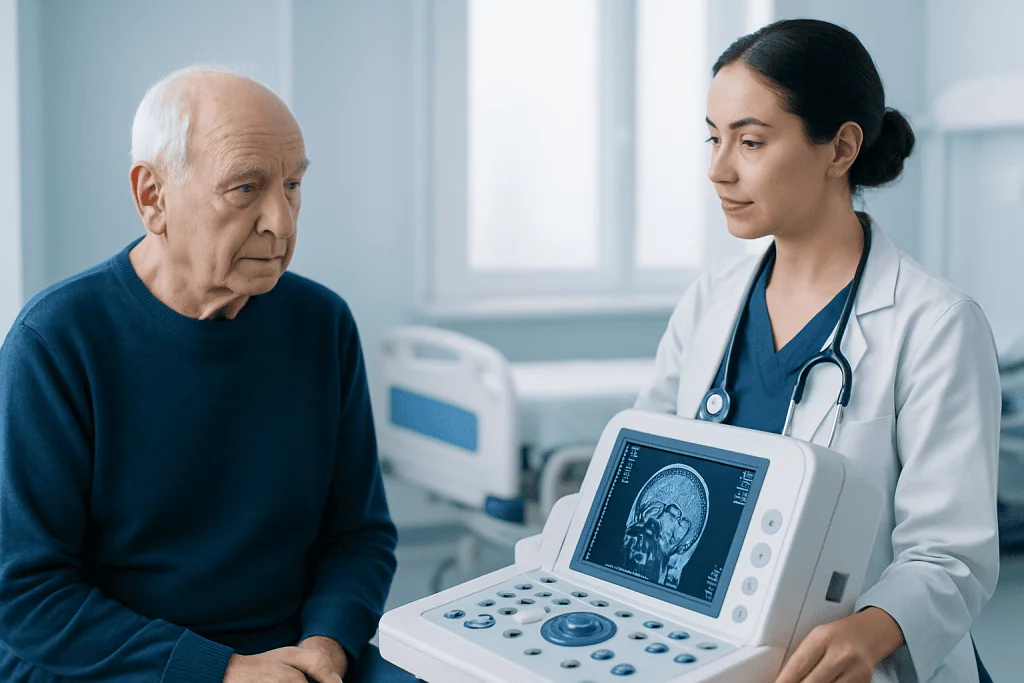
Geriatric neurology covers a wide range of conditions. Some of the most common are memory disorders such as mild cognitive impairment and dementia, movement disorders such as Parkinson’s disease and tremor, stroke and transient ischemic attack, neuropathy, seizures, sleep-related neurological problems, and balance disorders. Headaches, dizziness, and weakness are also frequent reasons for consultation.
Some older adults are referred because of a known diagnosis that is changing, while others are seen because symptoms are new or unexplained. For example, progressive forgetfulness may raise concern for Alzheimer's disease, while slowness, stiffness, and shaking may suggest Parkinson's disease. Difficulty walking can be caused by many issues, including nerve disease, spinal problems, prior strokes, medication effects, or inner ear conditions.
Specialists also help distinguish between disorders that can look similar. Confusion may be related to infection, dehydration, sleep loss, or medicines rather than a permanent memory disorder. Hand shaking may come from essential tremor instead of Parkinson’s disease. Numbness in the feet may reflect diabetes, vitamin deficiency, medication effects, or compression of nerves or the spine.
- Memory loss, confusion, or personality change
- Tremor, stiffness, slowness, or changes in handwriting
- Falls, poor balance, or difficulty walking
- Numbness, tingling, burning, or weakness
- Stroke recovery needs or sudden neurological symptoms
- Sleep, swallowing, speech, or seizure concerns
Symptoms That May Signal a Need for Specialist Care
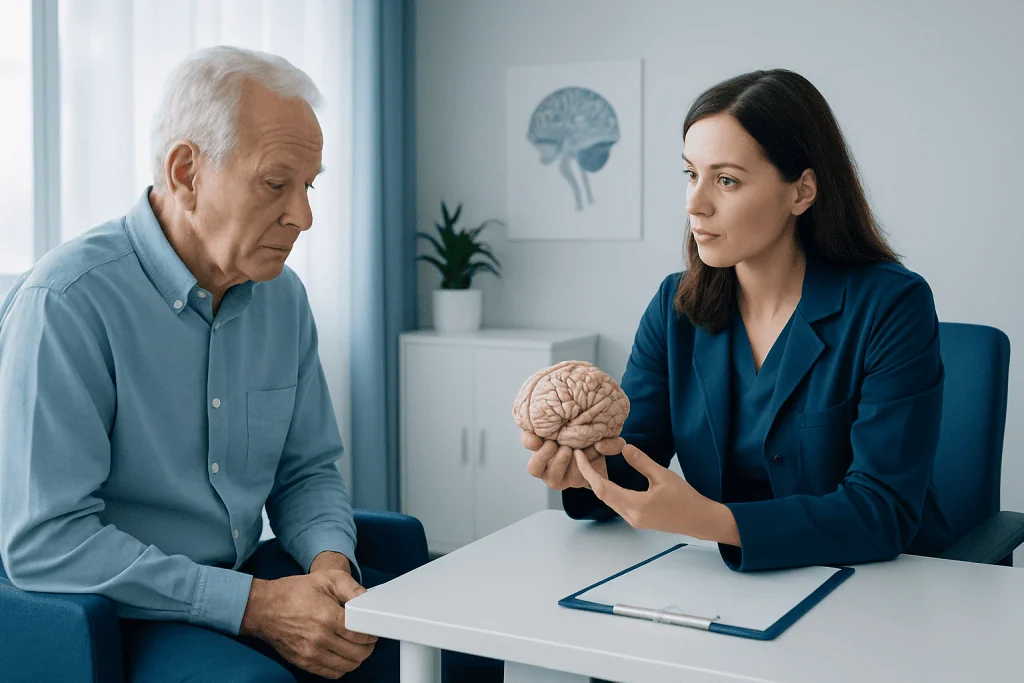
Many neurological symptoms deserve attention when they are new, worsening, or interfering with daily life. Important examples include memory changes that affect appointments, finances, driving, medication use, or household tasks. Repeated falls, dizziness, slowed walking, hand tremor, leg weakness, or increasing trouble getting out of a chair can also suggest a neurological problem that should be assessed.
Changes in speech, swallowing, vision, sensation, coordination, or bladder control may also be relevant, especially when several symptoms occur together. Family members sometimes notice early signs before the person affected does. These may include repeating questions, getting lost in familiar places, unusual sleep behaviors, mood changes, or a decline in grooming and self-care.
It is also important to remember that sudden neurological symptoms need urgent medical attention. Sudden facial drooping, arm weakness, difficulty speaking, severe confusion, a sudden severe headache, loss of vision, or sudden imbalance can be signs of stroke. Fast evaluation can make a major difference in treatment options and recovery.
Causes and Risk Factors in Older Adults
Neurological disorders in later life can develop for many reasons. Some are caused by degenerative changes in the brain or nervous system. Others are related to blood vessel disease, diabetes, infections, sleep disorders, vitamin deficiencies, immune conditions, or injuries. In many older adults, more than one factor contributes to symptoms. For example, balance problems may reflect neuropathy, poor vision, arthritis, and blood pressure medication effects all at once.
Age itself is a risk factor for several neurological conditions, but aging does not automatically mean serious neurological disease. Common contributors include high blood pressure, diabetes, high cholesterol, smoking, heart disease, previous stroke, poor sleep, hearing loss, low physical activity, depression, and social isolation. Some medicines can also affect alertness, balance, memory, or coordination, especially when several drugs are taken together.
Because older adults often live with multiple health conditions, a geriatric neurology evaluation usually looks beyond the nervous system alone. Nutrition, hydration, vision, hearing, mood, home safety, and caregiver support can all influence neurological symptoms and outcomes. This broader view helps identify reversible factors and supports more personalized care.
How Geriatric Neurology Evaluation and Diagnosis Work
Assessment usually begins with a detailed conversation about symptoms, medical history, daily function, and medications. The clinician may ask when symptoms began, whether they fluctuate, what makes them better or worse, and how they affect independence. Input from a family member or caregiver can be useful, especially when memory or communication changes are present.
A neurological examination checks strength, sensation, reflexes, coordination, walking, balance, speech, and sometimes eye movements or swallowing. Cognitive screening may be used to assess memory, attention, language, and problem-solving. Depending on the situation, doctors may order blood tests, brain imaging such as MRI scanning, nerve studies, sleep evaluation, or neuropsychological testing.
Diagnosis is often a step-by-step process rather than a single test result. The main aim is to distinguish normal age-related change from a medical condition, and to identify problems that can be treated or reduced. When symptoms are complex, follow-up visits may be needed to observe patterns over time and adjust the care plan as more information becomes available.
Treatment Options and Ongoing Care
Treatment in geriatric neurology depends on the diagnosis and the person’s overall health, goals, and daily needs. Care may include medications, rehabilitation, risk-factor control, counseling, and practical strategies to improve safety and function. In many cases, treatment focuses on symptom management, slowing progression where possible, reducing complications, and supporting independence.
For example, stroke prevention may involve managing blood pressure, cholesterol, diabetes, and heart rhythm problems. Movement disorders may benefit from medication review, structured exercise, and therapies that improve gait and balance. Memory disorders may require a combination of cognitive assessment, home support, sleep management, and caregiver education. If rehabilitation is needed, doctors may recommend physical therapy and rehabilitation or related services such as speech and occupational therapy.
Some people need more advanced evaluation or targeted procedures, while others benefit most from simpler changes such as adjusting medications, treating vitamin deficiency, improving hearing, or addressing sleep apnea. Follow-up is often important because symptoms, medications, and care priorities can change over time. Near the end of the care pathway, some international patients may choose evaluation or treatment at centers such as Acibadem International, where multidisciplinary specialists in JCI-accredited hospitals care for complex neurological conditions.
Prevention, Self-care, and Supporting Brain Health
Not all neurological conditions can be prevented, but healthy habits can support brain and nerve health and may lower risk for some disorders. Managing blood pressure, blood sugar, and cholesterol is especially important because vascular health strongly affects the brain. Regular movement, good sleep, a balanced diet, and avoiding tobacco all support healthy aging.
Self-care also includes practical steps that reduce injury and support function. Older adults may benefit from reviewing medications regularly, using hearing aids or updated glasses when needed, and making the home safer with better lighting, secure rugs, and handrails. Staying socially engaged and mentally active may also help maintain overall well-being.
- Attend routine health checkups and review medications regularly
- Seek treatment for hearing, vision, sleep, and mood concerns
- Exercise safely to support strength, balance, and mobility
- Manage vascular risk factors such as hypertension and diabetes
- Report new confusion, falls, weakness, or tremor early
Caregivers also play an important role. Keeping a symptom diary, bringing medication lists to appointments, and noting changes in memory, sleep, walking, or behavior can help the medical team make more accurate decisions.
When to See a Doctor or Neurology Specialist
An older adult should consider medical review when neurological symptoms are persistent, progressive, or affecting daily life. This includes repeated falls, worsening tremor, increasing forgetfulness, new weakness, numbness, frequent dizziness, swallowing difficulty, or unexplained changes in mood or behavior. Earlier assessment can lead to earlier treatment, better planning, and a clearer understanding of what is happening.
Urgent or emergency evaluation is needed for sudden neurological changes. These include one-sided weakness, facial drooping, speech problems, sudden severe confusion, fainting with neurological symptoms, a new seizure, or a sudden severe headache. These symptoms should not be ignored, especially in older adults with stroke risk factors.
Referral to a specialist is also useful when the diagnosis is uncertain, symptoms are not improving, treatments are causing side effects, or family members need guidance about safety, driving, independence, or long-term care planning. A thoughtful geriatric neurology assessment can help patients and families move forward with more confidence and support.
Frequently asked questions
What does a geriatric neurologist do?
A geriatric neurologist evaluates and treats brain, nerve, spinal cord, and muscle disorders in older adults. The specialist also considers aging-related issues such as multiple medications, falls, memory changes, and how symptoms affect daily living.
Is memory loss always a sign of dementia?
No. Some memory changes can be related to stress, depression, sleep problems, medication effects, vitamin deficiency, thyroid problems, or other medical conditions. Because causes vary, new or worsening memory problems should be assessed by a qualified doctor.
When should an older adult see a neurology specialist?
A specialist visit may be helpful for persistent or worsening memory loss, tremor, repeated falls, weakness, numbness, dizziness, speech changes, or balance problems. It is also useful when the diagnosis is unclear or current treatment is not helping enough.
What tests are commonly used in geriatric neurology?
Testing may include a neurological exam, cognitive screening, blood tests, and imaging such as MRI or CT scans. Depending on symptoms, doctors may also use nerve conduction studies, sleep evaluation, or formal neuropsychological testing.
Can neurological problems in older adults be treated?
Many can be treated, managed, or improved, even when they cannot be fully cured. Treatment may reduce symptoms, lower complication risk, improve mobility and safety, and support independence with rehabilitation and lifestyle measures.
What is the difference between normal aging and a neurological disorder?
Normal aging may involve slower recall or reduced stamina, but it should not cause major interference with daily activities or sudden neurological symptoms. When changes are progressive, affect safety or function, or involve weakness, tremor, falls, or confusion, medical assessment is important.
References
- World Health Organization
- National Institute on Aging
- American Academy of Neurology
- National Institute of Neurological Disorders and Stroke
- Alzheimer's Association
This article is for general information only and is not a substitute for professional medical advice. Please consult a qualified doctor about your individual situation.
Geriatric Neurology in Turkey — costs, top hospitals & a free quote
JCI-accredited · board-certified surgeons · reply within 24h
Add us as a Preferred Source to see more of our trusted health content across Google Search, AI Overviews and Discover.

Neurology
Diagnosis and treatment of disorders of the brain, spinal cord, nerves and muscles.
51 specialists in this unit