What Is Neuro-Ophthalmology and When Do You Need It?

Neuro-ophthalmology connects eye symptoms with the nervous system, especially the optic nerve, brain, and eye movement pathways. People may need a neuro-ophthalmologist for double vision, sudden or unexplained vision loss, drooping eyelids, abnormal pupils, or visual field defects.
Key Takeaways
- Neuro-ophthalmology connects eye symptoms with the nervous system, especially the optic nerve, brain, and eye movement pathways.
- People may need a neuro-ophthalmologist for double vision, sudden or unexplained vision loss, drooping eyelids, abnormal pupils, or visual field defects.
- Evaluation often includes a detailed medical history, eye examination, visual field testing, and sometimes brain or orbit imaging.
- Treatment depends on the cause and may involve medication, monitoring, surgery, or care from several specialists.
- Prompt medical assessment is important when vision changes are sudden, painful, or associated with neurological symptoms.
Neuro-ophthalmology is a medical specialty that focuses on vision problems related to the brain, optic nerves, and eye movements. It can help explain symptoms such as unexplained vision loss, double vision, abnormal pupils, or visual field changes that may not come from the eye itself.
Overview: What neuro-ophthalmology means
Neuro-ophthalmology is a subspecialty that brings together neurology and ophthalmology. It focuses on problems that affect vision because of conditions involving the optic nerve, the brain pathways that process vision, and the nerves and muscles that control eye movement. In other words, it looks beyond the surface of the eye to understand how the visual system and nervous system work together.
A neuro-ophthalmologist often evaluates symptoms that seem eye-related but may actually begin in the brain, optic nerve, or cranial nerves. Examples include unexplained vision loss, double vision, blurred vision, abnormal pupils, eyelid drooping, or side vision loss. Some people are referred after a routine eye exam is normal, yet symptoms continue.
This specialty can also help diagnose serious conditions early. Problems such as optic neuritis, nerve palsies, increased pressure around the brain, migraine-related visual symptoms, inflammation, stroke, tumors, or autoimmune disorders may all affect vision. Because these conditions can overlap with standard eye diseases, a careful and specialized evaluation is often needed.
Common symptoms that may require neuro-ophthalmology
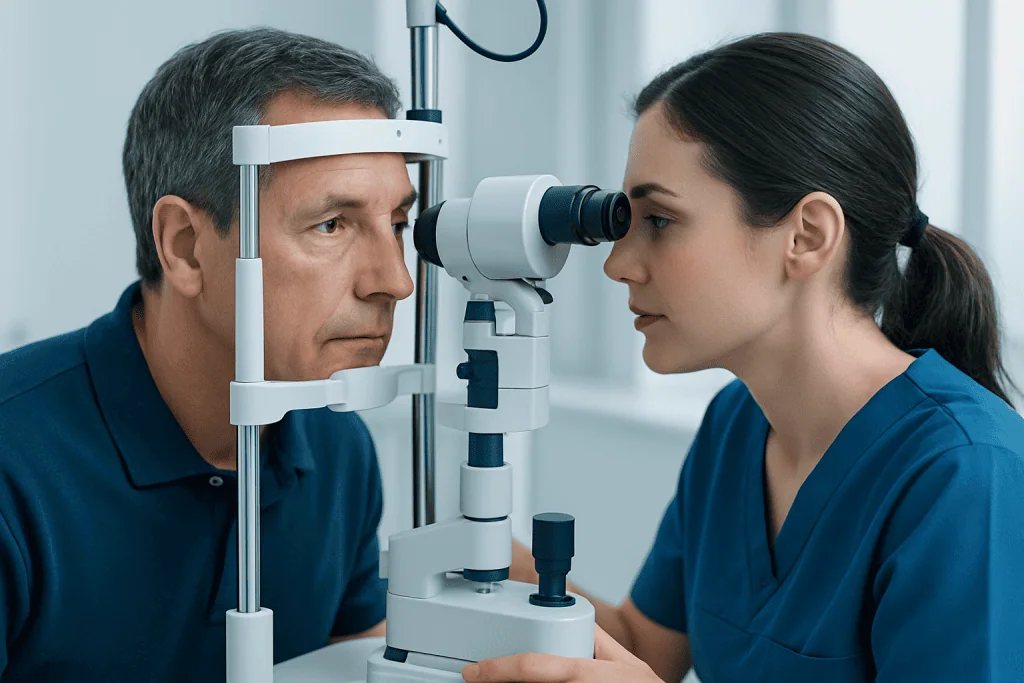
Many symptoms can lead to a neuro-ophthalmology referral. One of the most common is double vision, also called diplopia. This may happen when the eyes are not aligned properly because of weakness or dysfunction in the nerves or muscles that move the eyes. Some people notice double vision only when looking in certain directions, while others have it constantly.
Another important symptom is vision loss that cannot be explained by a routine eye exam alone. This may include blurred vision, dimming of vision, color vision changes, blind spots, or loss of side vision. Sudden vision loss, even if painless, should be assessed urgently because it can sometimes signal a problem with the optic nerve or blood supply.
Other symptoms include drooping of one or both eyelids, unequal pupil size, episodes of temporary vision loss, eye pain with movement, and visual disturbances such as flashing lights or zigzag lines. Some patients also have headaches, dizziness, facial numbness, weakness, or balance problems alongside visual symptoms, which can point to a neurological cause.
- Double vision
- Unexplained vision loss or blurred vision
- Visual field loss, including side vision problems
- Drooping eyelid or abnormal eye movements
- Unequal pupils
- Temporary vision blackout or dimming
Conditions a neuro-ophthalmologist commonly evaluates

Neuro-ophthalmologists assess a wide range of disorders. These include optic nerve conditions such as optic neuritis, ischemic optic neuropathy, and swelling of the optic disc. They also evaluate disorders affecting eye movement, such as cranial nerve palsies, myasthenia gravis, thyroid eye disease, and other causes of misalignment that lead to double vision.
Some patients are referred for visual field defects caused by problems in the brain’s visual pathways. These may occur with stroke, tumors, trauma, inflammation, or other neurological conditions. Neuro-ophthalmology can also help when symptoms suggest raised intracranial pressure, for example in papilledema, where swelling of the optic nerve can develop because of pressure around the brain.
In addition, the specialty often overlaps with diseases that affect both the nervous system and vision. A patient may be evaluated for multiple sclerosis when optic neuritis or eye movement symptoms are present. Others may need assessment for headaches with visual disturbances, pituitary region problems, or vascular conditions affecting the optic nerve and brain.
How diagnosis is made
Diagnosis begins with a detailed history. The specialist usually asks when symptoms began, whether they are sudden or gradual, and whether they come with pain, headache, weakness, numbness, or other neurological signs. Past medical history, medications, autoimmune disease, diabetes, high blood pressure, and recent infections can all be important clues.
The examination is often more extensive than a standard vision check. It may include visual acuity testing, color vision, pupil reactions, eye alignment and movement testing, eyelid position, and a careful assessment of the optic nerve and retina. Visual field testing is commonly used to detect missing areas of vision that can help localize where the problem is occurring.
Depending on the findings, additional tests may be needed. These can include blood tests, optical coherence tomography of the optic nerve and retina, and imaging such as MRI of the brain and orbits. In selected cases, doctors may request CT scanning or other neurological investigations to look for inflammation, compression, stroke, or structural causes.
Because neuro-ophthalmic symptoms can come from several different systems, diagnosis sometimes involves a multidisciplinary approach. A patient may be assessed together by ophthalmology, neurology, radiology, endocrinology, or neurosurgery to reach the most accurate explanation and treatment plan.
Treatment options depend on the cause
There is no single treatment for neuro-ophthalmic problems because treatment is based on the underlying diagnosis. Some conditions improve with medication, such as inflammation-related optic nerve disease, migraine-related symptoms, or autoimmune disorders. Others may require careful observation if the condition is stable and expected to recover over time.
When double vision is present, management may include temporary patching, prism glasses, or treatment of the nerve or muscle problem causing the eye misalignment. If the issue comes from a compressive lesion, vascular problem, or structural abnormality, treatment may involve a different specialist and may include procedures or surgery. In certain cases, brain tumor surgery or other neurosurgical care may be part of the overall treatment pathway.
Some disorders require urgent treatment to protect vision or brain function. For example, optic nerve swelling caused by raised intracranial pressure must be investigated promptly. Likewise, sudden vision loss from vascular causes or symptoms related to possible stroke need emergency assessment.
Recovery varies from person to person. Some patients regain vision fully, while others may have partial recovery or need longer-term monitoring. Follow-up is often important to track visual fields, optic nerve health, eye alignment, and any signs that the underlying condition is changing.
When to seek urgent medical attention
Some symptoms should never be ignored. Immediate medical care is important for sudden vision loss in one or both eyes, sudden onset of double vision, eye movement problems associated with weakness or numbness, new pupil abnormalities, or severe headache with visual changes. These symptoms can sometimes be linked to serious neurological or vascular conditions.
Urgent attention is also needed if visual symptoms develop with pain around the eye, confusion, trouble speaking, facial droop, imbalance, or a sudden loss of side vision. Even if symptoms improve quickly, they should still be evaluated because temporary episodes can occasionally signal an underlying circulation or nerve problem.
Not every visual symptom is an emergency, but unexplained changes that persist, recur, or worsen deserve medical review. Early assessment often makes diagnosis easier and may reduce the risk of ongoing vision problems. It is generally best to seek help promptly rather than wait for symptoms to settle on their own.
What to expect at an appointment and ongoing care
A neuro-ophthalmology appointment may take longer than a general eye visit because the assessment is detailed. Patients are often asked to describe symptoms carefully, bring previous eye test results or scans, and list all medications and medical conditions. In many clinics, the pupils may be dilated, which can temporarily blur near vision afterward.
It can help to bring a companion, especially if symptoms include dizziness, double vision, or recent changes in vision. If episodes are intermittent, some patients find it useful to keep a record of when they happen, how long they last, and whether they are associated with headache, fatigue, or specific triggers. This information may support the diagnosis.
Long-term care depends on the condition. Some people need only one evaluation and reassurance, while others benefit from regular monitoring, repeat visual field testing, or coordinated care with neurology and other specialties. For patients seeking international care, Acibadem International’s multidisciplinary specialists and JCI-accredited hospitals evaluate and treat neuro-ophthalmic conditions with coordinated diagnostic and treatment planning.
In selected situations, a person’s care may also overlap with services such as neurology or vision-related management within broader neurological treatment. The most appropriate plan is individualized and based on symptoms, test results, and the underlying cause.
Frequently asked questions
What is the difference between an ophthalmologist and a neuro-ophthalmologist?
An ophthalmologist diagnoses and treats diseases of the eyes, including the cornea, lens, retina, and glaucoma. A neuro-ophthalmologist has additional expertise in vision problems related to the optic nerve, brain, and the nerves that control eye movements. This specialist is often consulted when symptoms are not fully explained by a routine eye exam.
Do I need a referral to see a neuro-ophthalmologist?
In many cases, patients are referred by an ophthalmologist, neurologist, or primary care doctor after initial assessment. However, referral requirements can depend on the healthcare system, insurance plan, or clinic policy. If symptoms are sudden or severe, urgent medical assessment should not be delayed.
Can neuro-ophthalmology help with headaches and visual disturbances?
Yes, neuro-ophthalmology may help when headaches are accompanied by double vision, visual aura, blurred vision, pupil changes, or optic nerve concerns. The aim is to determine whether symptoms are related to migraine, increased pressure around the brain, nerve dysfunction, or another neurological condition. Appropriate treatment depends on the underlying cause.
Is double vision always a neurological problem?
No, double vision can have several causes, including eye muscle imbalance, corneal problems, lens issues, and neurological disorders. A specialist evaluation helps determine whether the problem comes from the eye itself or from the nerves and brain pathways that control vision and eye movement. Sudden new double vision should be assessed promptly.
What tests might be done in neuro-ophthalmology?
Testing may include visual acuity, color vision, pupil examination, eye movement assessment, and visual field testing. The doctor may also recommend imaging such as MRI or CT, optical coherence tomography, or blood tests depending on the suspected cause. Not every patient needs every test.
Can neuro-ophthalmic conditions be treated successfully?
Many neuro-ophthalmic conditions can be treated, controlled, or monitored effectively once the cause is identified. Outcomes vary depending on how quickly the problem is diagnosed and what is affecting the visual pathways. Early assessment gives the best chance of protecting vision and guiding the right care.
References
- American Academy of Ophthalmology
- North American Neuro-Ophthalmology Society
- National Eye Institute
- National Institute of Neurological Disorders and Stroke
- Mayo Clinic
This article is for general information only and is not a substitute for professional medical advice. Please consult a qualified doctor about your individual situation.
Explore treatments in Turkey — costs, top hospitals & a free quote
JCI-accredited · board-certified surgeons · reply within 24h
Add us as a Preferred Source to see more of our trusted health content across Google Search, AI Overviews and Discover.
Check your numbers in seconds
BMI, calories, due date, blood pressure and 30+ more clinical calculators — free, instant, doctor-reviewed ranges.