What Is Neurophysiological Testing Used For? Symptoms, Diagnoses, and Next Steps
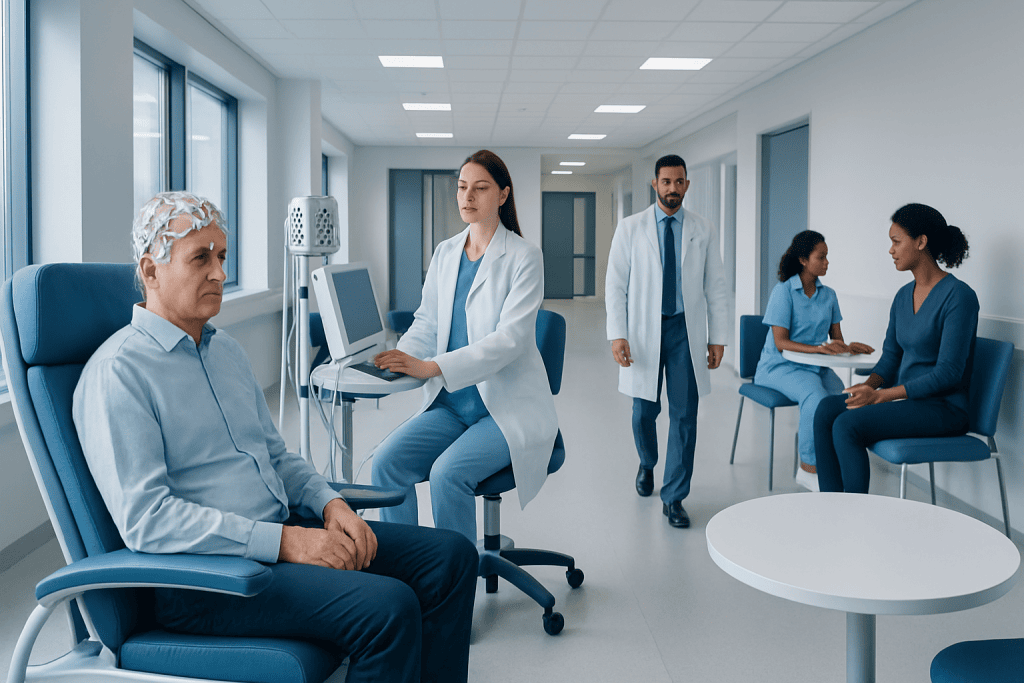
Neurophysiological testing assesses the function of the nervous system rather than only its structure. Common tests include EEG, EMG, nerve conduction studies, evoked potentials, and sleep-related recordings.
Key Takeaways
- Neurophysiological testing assesses the function of the nervous system rather than only its structure.
- Common tests include EEG, EMG, nerve conduction studies, evoked potentials, and sleep-related recordings.
- These exams can help clarify symptoms such as tingling, muscle weakness, fainting episodes, seizures, and abnormal movements.
- Many neurophysiological tests are outpatient procedures and are generally well tolerated.
- Results are interpreted together with a medical history, physical examination, and imaging when needed.
Neurophysiological testing is a group of exams that measure how the brain, spinal cord, nerves, and muscles work. These tests help doctors investigate symptoms such as weakness, numbness, seizures, tremor, balance problems, and sleep-related concerns.
Overview of neurophysiological testing
Neurophysiological testing refers to a range of tests that assess how well the nervous system is working. Instead of taking pictures of the body, as imaging tests do, these exams measure electrical activity or signal transmission in the brain, spinal cord, nerves, muscles, and sometimes the pathways involved in sleep, hearing, or vision. This functional information can be very helpful when symptoms are present but the cause is not yet clear.
Doctors may recommend neurophysiological testing when a person has symptoms such as numbness, tingling, muscle weakness, unusual movements, blackouts, suspected seizures, chronic pain with a nerve pattern, or sleep-related breathing and movement concerns. The goal is to identify whether symptoms are linked to a problem in the brain, peripheral nerves, muscles, neuromuscular junction, or spinal pathways.
These tests are usually part of a broader evaluation. A doctor will also consider the person’s medical history, current symptoms, medications, physical examination findings, and, when appropriate, blood tests or imaging. In many cases, neurophysiological testing helps narrow the diagnosis and guide treatment planning in a precise and practical way.
What symptoms and conditions can these tests help evaluate?
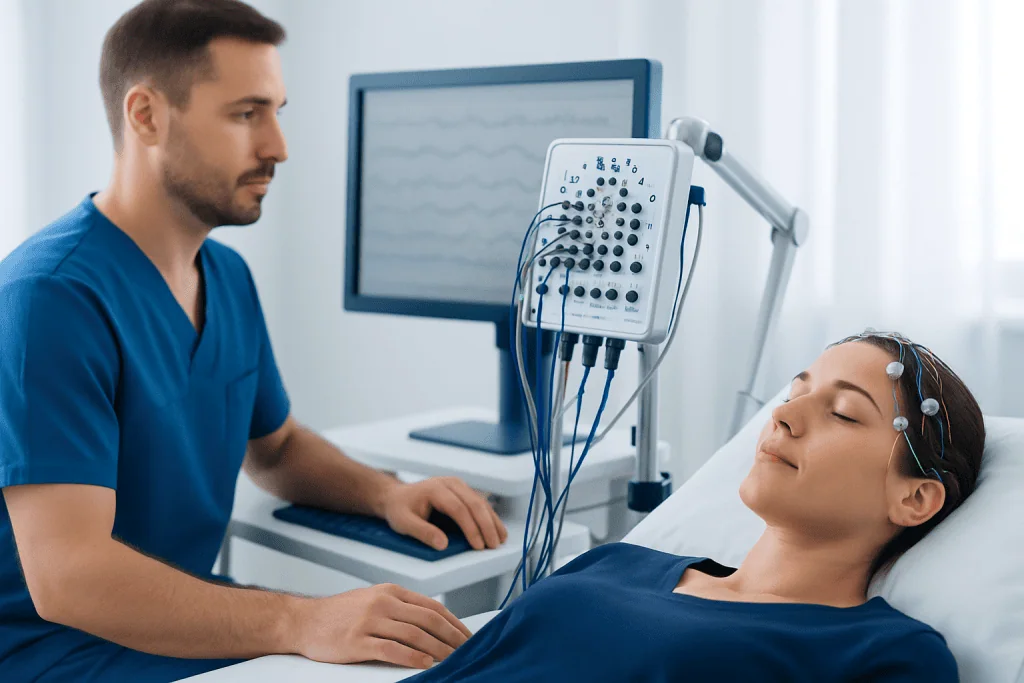
Neurophysiological testing is used when symptoms suggest a disturbance in nerve or brain function. Common reasons for referral include persistent tingling, burning sensations, hand or foot numbness, muscle cramps, twitching, weakness, loss of balance, tremor, dizziness, or episodes of staring or loss of awareness. It may also help assess headaches with unusual neurological features, fainting-like events, memory-related concerns, or sleep symptoms such as snoring, pauses in breathing, and unexplained daytime sleepiness.
These tests can support the diagnosis of a wide range of neurological conditions. Depending on the symptom pattern, they may help doctors evaluate epilepsy and related seizure disorders, peripheral neuropathy, carpal tunnel syndrome, radiculopathy from a pinched nerve, muscle diseases, myasthenia gravis, movement disorders, and some forms of spinal cord dysfunction. In selected cases, they are also used to assess visual, hearing, or sensory pathway problems through evoked potentials.
Neurophysiological findings are not usually interpreted on their own. For example, numbness may come from a peripheral nerve problem, a spinal root issue, or a central nervous system condition. Testing helps localize where the problem is likely to be and whether it appears mild, moderate, or more advanced, which can be important for next steps and follow-up care.
- Numbness, tingling, or burning in the hands or feet
- Muscle weakness, cramping, twitching, or fatigue
- Blackouts, suspected seizures, or unexplained episodes
- Tremor, abnormal movements, or balance changes
- Sleep disturbances, breathing pauses during sleep, or excessive daytime sleepiness
Common types of neurophysiological tests
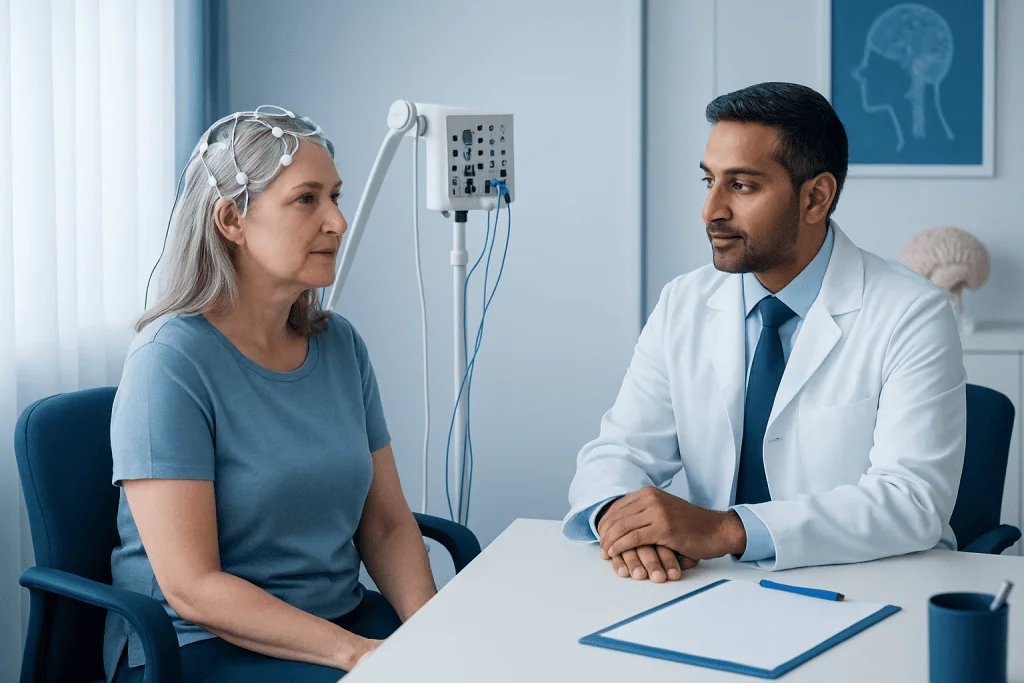
One of the best-known tests is the electroencephalogram, or EEG. An EEG records electrical activity from the scalp and is commonly used to evaluate seizures, episodes of altered awareness, and some sleep-related or encephalopathic conditions. In some situations, doctors may recommend prolonged recordings or video-EEG monitoring to better capture events as they happen.
Electromyography, or EMG, and nerve conduction studies are often performed together. Nerve conduction studies assess how quickly and effectively electrical signals travel through peripheral nerves, while EMG measures the electrical activity of muscles at rest and during contraction. These tests are especially useful when symptoms suggest neuropathy, nerve compression, radiculopathy, or a primary muscle disorder.
Evoked potentials measure how the nervous system responds to specific sensory stimuli, such as visual patterns, sounds, or touch. They can help assess the function of sensory pathways from the eyes, ears, or limbs to the brain. Sleep studies may also include neurophysiological monitoring when doctors are investigating sleep apnea, abnormal nighttime behaviors, or movement-related sleep disorders. In practice, the exact test or combination of tests depends on the person’s symptoms and the doctor’s clinical question.
When clinically appropriate, a patient may also be assessed alongside other neurological services such as epilepsy evaluation or tests that complement neurology care for broader diagnosis and management.
How doctors prepare for and perform the tests
Preparation depends on the specific test. For an EEG, patients may be advised to arrive with clean, dry hair and avoid hair products that could interfere with the scalp electrodes. For some EEG studies, sleep deprivation may be recommended because it can make certain brain activity patterns easier to detect. Medication instructions should always come from the treating doctor, since some medicines should not be stopped without guidance.
Before EMG and nerve conduction studies, the skin should generally be clean and free of heavy lotions or oils. During nerve conduction studies, small electrodes are placed on the skin and brief electrical impulses are used to measure nerve responses. During EMG, a fine needle electrode is inserted into selected muscles to record their electrical activity. The test can cause temporary discomfort, but most people complete it without major difficulty.
Evoked potential tests are usually noninvasive and involve recording responses while the person looks at a pattern, listens to sounds, or receives mild sensory stimulation. Sleep studies are often performed overnight in a sleep laboratory or, for some questions, with carefully selected home-based equipment. The healthcare team explains each step in advance so patients know what to expect and can feel more at ease.
How results are interpreted and what they can show
Neurophysiological test results help doctors understand where the problem may be located and how the nervous system is functioning. For example, nerve conduction studies may show slowing or reduced signal strength in a peripheral nerve, while EMG may suggest nerve injury, muscle disease, or a disorder affecting the communication between nerve and muscle. EEG may reveal patterns that support a seizure disorder, diffuse brain dysfunction, or sometimes a normal result despite ongoing symptoms.
A normal test result can still be useful. It may help rule out certain conditions, narrow the diagnosis, or prompt doctors to consider a different part of the nervous system or another cause altogether. Not every symptom produces an abnormal test, especially if episodes are intermittent, early in their course, or related to conditions that are better identified by imaging, laboratory studies, or clinical examination.
Results are most meaningful when reviewed in context. A specialist may combine the findings with MRI, blood tests, bedside neurological examination, and the timeline of symptoms. This integrated approach helps guide decisions such as whether monitoring is needed, whether treatment should start, or whether referral to another specialist would be helpful.
Next steps after diagnosis: treatment and follow-up
Treatment after neurophysiological testing depends on the underlying condition rather than on the test alone. If the results point to a compressed nerve, treatment may include activity changes, splinting, physical therapy, or, in some cases, procedural or surgical options. If testing suggests epilepsy, neuropathy, myasthenia gravis, or a sleep disorder, the care plan may involve medications, lifestyle measures, further testing, or follow-up with a relevant specialist.
Some people need additional evaluations after neurophysiological testing. These may include imaging, blood work, genetic testing, or more specialized monitoring. For example, ongoing episodes of altered awareness may lead to more detailed video EEG monitoring, while symptoms of nerve injury may be considered alongside EMG testing or rehabilitation planning if not already performed.
Follow-up is important because symptoms and test findings can change over time. Repeat testing may sometimes be recommended to monitor recovery after nerve injury, evaluate progression, or assess treatment response. In experienced centers, multidisciplinary specialists review the results together to create a plan that matches the patient’s symptoms, daily needs, and health goals.
For international patients who need coordinated assessment, Acibadem International offers multidisciplinary neurological care in JCI-accredited hospitals, including diagnosis and treatment pathways for complex neurophysiological conditions.
Self-care, practical tips, and when to seek medical advice
There is no single way to prevent every condition that leads to neurophysiological testing, but practical self-care can support nerve and brain health. Managing chronic conditions such as diabetes, avoiding excessive alcohol use, protecting the wrists and spine during repetitive activities, getting enough sleep, and discussing medication side effects with a doctor may all be helpful. Prompt evaluation of new neurological symptoms can also reduce delays in diagnosis.
Before a scheduled test, patients can prepare by writing down their symptoms, when they started, how often they occur, and what seems to trigger or relieve them. Bringing a medication list and any previous imaging or test results can make the appointment more efficient. If episodes are brief or unpredictable, a family member’s description or a symptom diary may provide useful details.
Medical advice should be sought if a person develops new or worsening numbness, weakness, repeated fainting-like episodes, possible seizures, sudden balance problems, or sleep symptoms that significantly affect daily life. Urgent care is especially important for sudden one-sided weakness, trouble speaking, severe sudden headache, or loss of consciousness, as these may require immediate evaluation. In non-emergency situations, a neurologist or neurophysiology specialist can explain whether testing is appropriate and what type may be most informative.
Frequently asked questions
Is neurophysiological testing painful?
Most neurophysiological tests are well tolerated, although some can cause temporary discomfort. Nerve conduction studies involve brief electrical pulses, and EMG uses fine needle electrodes in selected muscles. EEG and many evoked potential tests are noninvasive and usually not painful.
How long does neurophysiological testing take?
The timing depends on the test being performed and how many areas need to be assessed. A routine EEG may take less than an hour, while EMG and nerve conduction studies can vary based on complexity. Some sleep studies and prolonged EEG recordings take several hours or overnight.
Do I need to stop my medications before the test?
Patients should not stop medications unless their doctor specifically advises them to do so. Some medicines can affect test results, but others are important to continue safely. The testing team usually gives clear instructions in advance.
Can neurophysiological testing diagnose all nerve and brain disorders?
No single test can diagnose every neurological condition. These studies provide valuable functional information, but they are usually interpreted together with symptoms, examination findings, imaging, and laboratory tests. Sometimes results are normal even when symptoms are real, which may lead to further evaluation.
What is the difference between MRI and neurophysiological testing?
MRI shows the structure of the brain, spine, or nerves, while neurophysiological testing shows how those structures are functioning. In many cases, both types of information are useful. A doctor may order one or both depending on the symptoms and suspected condition.
When are sleep-related neurophysiological tests recommended?
They may be recommended when a person has loud snoring, pauses in breathing during sleep, abnormal nighttime movements, or significant daytime sleepiness. These tests can help identify sleep apnea and some movement or behavior disorders during sleep. The exact type of study depends on the symptoms and the doctor’s assessment.
References
- World Health Organization
- National Institute of Neurological Disorders and Stroke
- American Clinical Neurophysiology Society
- International Federation of Clinical Neurophysiology
This article is for general information only and is not a substitute for professional medical advice. Please consult a qualified doctor about your individual situation.
Joint and spine care in Turkey — expert assessment & treatment
JCI-accredited · board-certified surgeons · reply within 24h
Add us as a Preferred Source to see more of our trusted health content across Google Search, AI Overviews and Discover.