What Is Neuropsychiatry? Conditions It Treats and When to Seek Care

Neuropsychiatry connects neurology and psychiatry to assess brain-related changes in emotions, behavior, and cognition. It may help people with memory problems, mood changes, personality changes, confusion, attention difficulties, or symptoms after brain injury or illness.
Key Takeaways
- Neuropsychiatry connects neurology and psychiatry to assess brain-related changes in emotions, behavior, and cognition.
- It may help people with memory problems, mood changes, personality changes, confusion, attention difficulties, or symptoms after brain injury or illness.
- Assessment often includes a detailed history, neurological and mental status evaluation, and sometimes brain imaging or cognitive testing.
- Treatment may combine medication, psychotherapy, rehabilitation, and management of the underlying neurological condition.
- Early evaluation is helpful when symptoms affect daily life, safety, work, school, or relationships.
Neuropsychiatry is a medical specialty that focuses on conditions where brain function and mental health overlap. It helps evaluate and treat symptoms such as changes in mood, behavior, memory, attention, sleep, and thinking when they may be related to a neurological or psychiatric condition.
Overview: What neuropsychiatry means
Neuropsychiatry is the area of medicine that looks at the close connection between the brain, behavior, emotions, and thinking. It sits at the meeting point of neurology, which focuses on the nervous system, and psychiatry, which focuses on mental health. A neuropsychiatrist assesses symptoms that may involve both, such as memory loss with mood changes, personality changes after a head injury, or confusion linked to a medical brain condition.
This specialty is useful because many symptoms do not fit neatly into only one category. For example, depression can affect concentration and memory, while epilepsy, stroke, dementia, autoimmune disease, or Parkinson’s disease can affect mood and behavior. Neuropsychiatry helps bring these pieces together to understand whether symptoms are caused by a brain disorder, a mental health condition, or a combination of factors.
The goal is not only to make a diagnosis, but also to improve quality of life. That may include reducing distressing symptoms, supporting independence, helping with school or work function, and guiding family members who may be affected by changes in behavior or cognition. Care is often coordinated with neurologists, psychiatrists, psychologists, rehabilitation teams, and primary care doctors.
What conditions does neuropsychiatry treat?
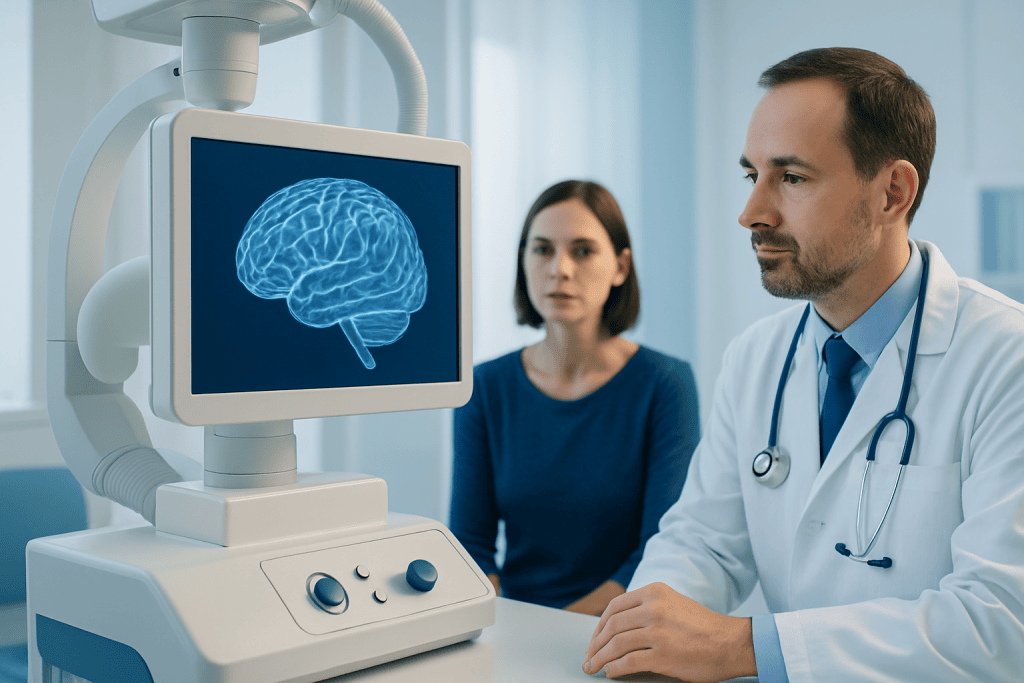
Neuropsychiatry evaluates a wide range of symptoms and conditions that affect both brain health and mental well-being. These may include cognitive problems such as memory loss, poor concentration, confusion, slowed thinking, and difficulty planning or organizing. Emotional and behavioral symptoms are also common, including depression, anxiety, irritability, impulsivity, hallucinations, apathy, and sudden personality change.
Some people are referred after a known neurological diagnosis. Examples include dementia, epilepsy, stroke, traumatic brain injury, multiple sclerosis, Parkinson’s disease, autoimmune encephalitis, brain infections, sleep-related neurological conditions, and complications after neurosurgery. In these situations, a neuropsychiatric evaluation can help explain how the condition is affecting thinking, mood, or behavior.
Others are referred because symptoms are present but the cause is unclear. A person may seem forgetful but actually be affected by depression, severe anxiety, medication side effects, poor sleep, or another treatable issue. Neuropsychiatry can also help in functional decline related to Alzheimer's disease, behavioral symptoms in Parkinson's disease, and mood or cognitive changes linked to epilepsy.
- Memory and concentration problems
- Behavioral or personality changes
- Mood symptoms linked to neurological illness
- Psychiatric symptoms after brain injury or stroke
- Confusion, delirium, or fluctuating mental status
- Sleep, attention, or executive function difficulties
Common symptoms and signs

Symptoms seen in neuropsychiatry can be subtle or more noticeable, and they may develop suddenly or gradually over time. Family members often observe the first signs, such as unusual forgetfulness, repeated questions, loss of motivation, emotional outbursts, poor judgment, or social withdrawal. In some cases, the person affected may be fully aware of the change; in others, insight may be limited.
Cognitive symptoms can include memory problems, difficulty focusing, slowed processing, trouble finding words, getting lost in familiar places, or difficulty following steps in a task. Emotional symptoms may include persistent sadness, anxiety, irritability, sudden mood swings, reduced emotional expression, or loss of interest in daily activities. Behavioral changes may involve agitation, impulsivity, suspiciousness, poor sleep, or unusual beliefs and perceptions.
It is important to remember that these symptoms do not always mean a serious degenerative disease. Stress, depression, medications, alcohol or substance use, infections, hormonal changes, vitamin deficiencies, and sleep disorders can all affect thinking and behavior. Because many possible causes overlap, a structured medical assessment is often the safest way to understand what is happening.
Causes and risk factors
Neuropsychiatric symptoms may result from many different biological and psychological factors. Structural brain changes, inflammation, abnormal electrical activity, reduced blood flow, neurodegeneration, and neurotransmitter imbalance can all affect how a person thinks, feels, and behaves. The same symptom, such as confusion or anxiety, may arise from very different causes, which is why careful evaluation matters.
Common medical causes include stroke, head injury, epilepsy, dementia, brain tumors, infections affecting the nervous system, autoimmune disorders, metabolic problems, and side effects of medicines. Sleep deprivation, chronic pain, hearing or vision loss, and substance use may worsen symptoms or make an underlying condition more noticeable. Older adults are especially vulnerable to sudden confusion during illness, dehydration, or medication changes.
Risk factors depend on the underlying condition but may include older age, vascular disease, diabetes, hypertension, prior neurological illness, family history of neurodegenerative disorders, repeated head trauma, and severe psychiatric illness. Even when a risk factor is present, symptoms should not be self-diagnosed. Many potentially reversible conditions can look similar to more serious disorders at first.
How neuropsychiatric assessment is done
A neuropsychiatric evaluation usually begins with a detailed medical history and a careful review of symptoms. The clinician asks when symptoms began, whether they are getting worse, what situations trigger them, and how they affect daily life. Information from family or caregivers can be very helpful, especially when there are memory problems, confusion, or personality changes.
The assessment may include a neurological examination, mental status examination, and screening of memory, attention, language, and executive function. Depending on the case, additional tests may be recommended to look for underlying causes. These can include blood tests, medication review, brain imaging such as MRI, electroencephalography for seizures, sleep evaluation, or formal neuropsychological testing to measure cognitive strengths and weaknesses in more detail.
Diagnosis is often a step-by-step process rather than a single visit answer. Symptoms may overlap across several conditions, and treatment response can also help clarify the picture. In some cases, people may be referred for brain MRI or consultation with specialists in movement disorders, dementia, sleep medicine, rehabilitation, or psychiatry to build a complete care plan.
Treatment options in neuropsychiatry
Treatment depends on the underlying cause, the person’s symptoms, and their goals. In many cases, care involves a combination of approaches rather than one single treatment. The plan may include treating the neurological illness, addressing mood or behavioral symptoms, improving sleep, reviewing medications, and supporting daily function at home, school, or work.
Medicines may be used to manage depression, anxiety, psychosis, agitation, attention problems, sleep issues, or cognitive symptoms when appropriate. Psychotherapy or supportive counseling can help people adapt to changes in memory, function, or diagnosis, and it can also help caregivers cope with stress. Cognitive rehabilitation, occupational therapy, speech and language therapy, and structured routines may improve function and safety.
When symptoms are linked to a specific neurological problem, treatment may focus on that condition directly. For example, seizure control can reduce cognitive and behavioral disruption, and rehabilitation after head injury or stroke may help recovery. Some patients may benefit from electroencephalography as part of evaluation for seizure-related symptoms or from coordinated care with specialists in psychiatry when emotional symptoms are prominent.
Near the end of the care journey, some patients also seek evaluation in specialized centers. Acibadem International’s multidisciplinary specialists and JCI-accredited hospitals diagnose and treat neuropsychiatric conditions for international patients, with care coordinated across neurology, psychiatry, imaging, and rehabilitation when needed.
Self-care, family support, and daily management
Self-care can play an important role alongside medical treatment. Helpful habits often include regular sleep, balanced meals, hydration, physical activity suited to the person’s abilities, and limiting alcohol or other substances that may worsen cognition or mood. Keeping a consistent daily schedule can reduce stress and improve memory and attention in some people.
Practical strategies can also make daily life easier. These may include written reminders, phone alarms, labeled storage, pill organizers, and simple step-by-step routines. When behavior or judgment has changed, families may need to think about driving safety, fall prevention, financial oversight, and support with medications or appointments.
Caregivers often need support too. Behavioral and cognitive symptoms can be exhausting and emotionally confusing, especially when a loved one’s personality seems different. Education about the condition, respite support, and regular communication with the care team can make long-term management more manageable and compassionate for everyone involved.
When to seek care
Medical advice should be sought when changes in memory, mood, behavior, sleep, or thinking are new, persistent, or affecting everyday life. Early evaluation is especially important if symptoms interfere with work, school, relationships, medication management, or personal safety. A gradual decline can still deserve prompt attention, even if the person seems physically well.
Urgent medical care is needed for sudden confusion, new hallucinations, seizures, severe agitation, loss of consciousness, sudden weakness, trouble speaking, or major changes after a head injury. These symptoms may point to a stroke, infection, seizure disorder, medication reaction, or another acute medical problem that should not be delayed.
It can also be helpful to seek care when symptoms are difficult to explain. If someone has both neurological and emotional symptoms, or if previous treatment has not fully helped, neuropsychiatry may offer a more integrated assessment. Bringing a list of symptoms, medicines, past diagnoses, and observations from family members can make the consultation more useful.
Frequently asked questions
What is the difference between neuropsychiatry and psychiatry?
Psychiatry focuses on diagnosing and treating mental health conditions such as depression, anxiety, and psychosis. Neuropsychiatry looks more specifically at symptoms that may be connected to both brain function and mental health, such as memory loss, personality change, or mood symptoms linked to neurological disease.
Who should see a neuropsychiatrist?
A person may benefit from neuropsychiatric care if they have changes in memory, thinking, behavior, or mood that may be related to a neurological illness or brain injury. It can also help when symptoms are complex, unclear, or not improving as expected with standard treatment.
Does memory loss always mean dementia?
No. Memory problems can be caused by many conditions, including depression, anxiety, poor sleep, medication side effects, thyroid problems, vitamin deficiencies, infections, or stress. A proper medical evaluation is important because some causes are treatable or reversible.
What tests might be needed in neuropsychiatry?
Testing depends on the person's symptoms and medical history. It may include a neurological exam, mental status assessment, blood tests, cognitive testing, brain imaging, or studies such as EEG if seizures are suspected.
Can neuropsychiatric conditions be treated?
Many neuropsychiatric symptoms can be improved, managed, or better understood with the right care plan. Treatment may involve medication, psychotherapy, rehabilitation, sleep support, and management of the underlying neurological condition.
When is it urgent to get help?
Urgent care is important for sudden confusion, seizures, fainting, severe agitation, hallucinations, sudden weakness, trouble speaking, or abrupt changes after a head injury. These symptoms may signal an acute medical problem and should be assessed promptly.
References
- World Health Organization
- National Institute of Mental Health
- National Institute on Aging
- American Psychiatric Association
- American Academy of Neurology
This article is for general information only and is not a substitute for professional medical advice. Please consult a qualified doctor about your individual situation.
Neuropsychiatry in Turkey — costs, top hospitals & a free quote
JCI-accredited · board-certified surgeons · reply within 24h
Add us as a Preferred Source to see more of our trusted health content across Google Search, AI Overviews and Discover.