What Is Rehabilitation? A Patient Guide
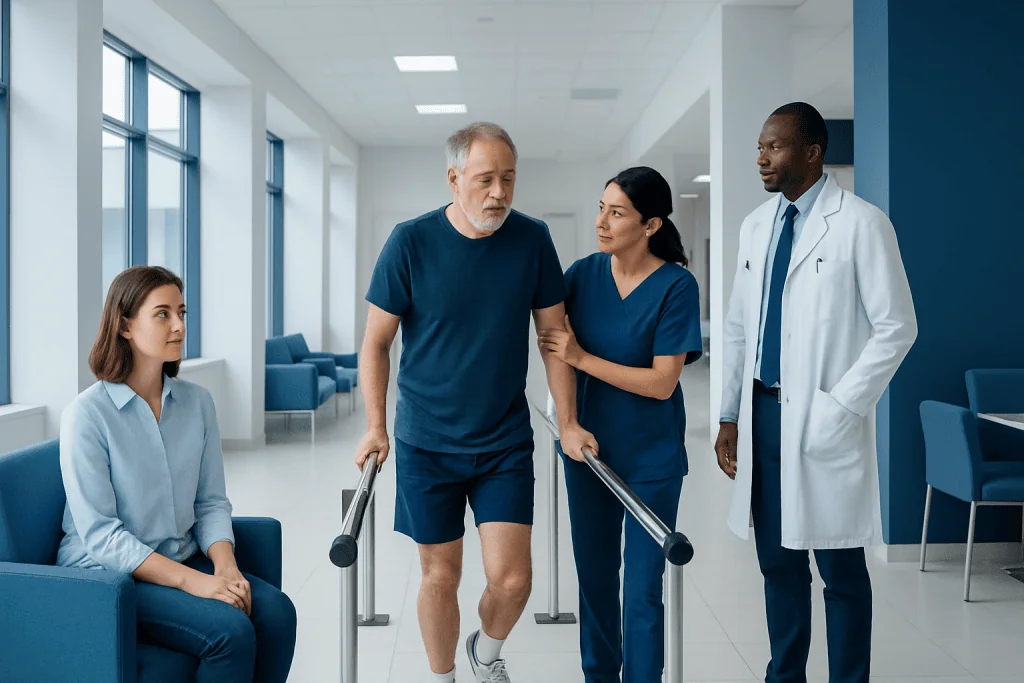
Rehabilitation supports recovery after injury, illness, surgery, stroke, or chronic disease. It may include physical, occupational, speech, respiratory, and psychological therapies.
Key Takeaways
- Rehabilitation supports recovery after injury, illness, surgery, stroke, or chronic disease.
- It may include physical, occupational, speech, respiratory, and psychological therapies.
- A rehabilitation plan is tailored to each person’s needs, goals, and overall health.
- Starting rehabilitation early can often improve function and independence.
- Rehabilitation can take place in hospitals, outpatient clinics, inpatient centers, or at home.
Rehabilitation is a personalized process that helps people recover physical, mental, and daily living abilities after illness, injury, surgery, or a long-term condition. It focuses on improving function, independence, comfort, and quality of life at every stage of recovery.
Overview: what rehabilitation means
Rehabilitation is medical care that helps a person regain, maintain, or improve abilities that have been affected by illness, injury, surgery, or a long-term health condition. These abilities may include walking, speaking, swallowing, dressing, working, breathing, thinking clearly, or managing everyday tasks safely. The goal is not only healing, but also helping the person function as independently and comfortably as possible.
Rehabilitation is often part of recovery after events such as fractures, joint replacement, spinal problems, stroke, heart or lung disease, cancer treatment, or prolonged hospitalization. It can also help children with developmental needs and adults living with neurological or musculoskeletal conditions. In many cases, rehabilitation begins while medical treatment is still ongoing and continues as recovery progresses.
Care is usually provided by a team. Depending on the person’s needs, this may include rehabilitation physicians, physical therapists, occupational therapists, speech and language therapists, rehabilitation nurses, psychologists, respiratory therapists, dietitians, and social workers. Each professional focuses on a different part of recovery, while working toward shared goals.
Who may need rehabilitation
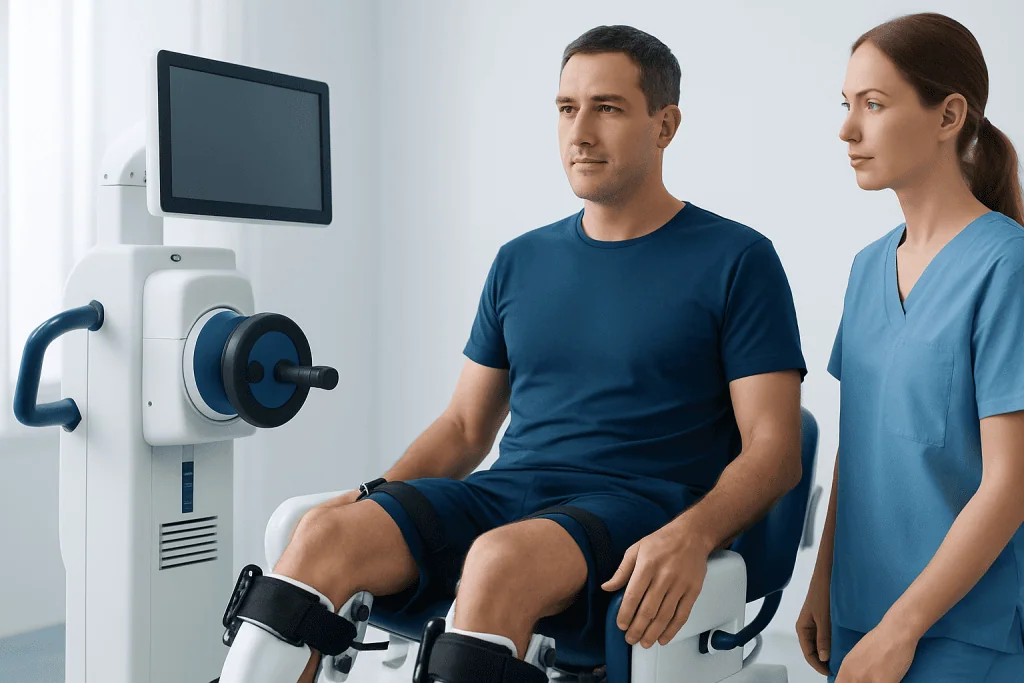
Rehabilitation can benefit people of all ages. Some need it for a short period after a specific event, such as surgery or a sports injury. Others may need longer-term support for chronic conditions that affect movement, energy, communication, memory, or self-care.
Common reasons for rehabilitation include orthopedic injuries, back or neck pain, stroke, traumatic brain injury, spinal cord injury, arthritis, neurological conditions, heart attack, chronic lung disease, cancer treatment, and deconditioning after a long illness. It is also commonly recommended after major procedures, especially when strength, mobility, or endurance have been reduced.
A person does not have to be severely disabled to benefit from rehabilitation. Even mild or moderate limitations can affect confidence, independence, and quality of life. Early support can often prevent avoidable complications such as muscle weakness, falls, stiffness, poor balance, fatigue, or difficulty returning to work and family activities.
- After surgery, rehabilitation may focus on pain control, movement, and safe daily activity.
- After neurological illness, it may target balance, coordination, speech, or swallowing.
- With chronic conditions, it may help preserve function and reduce symptom burden over time.
Types of rehabilitation and therapies used
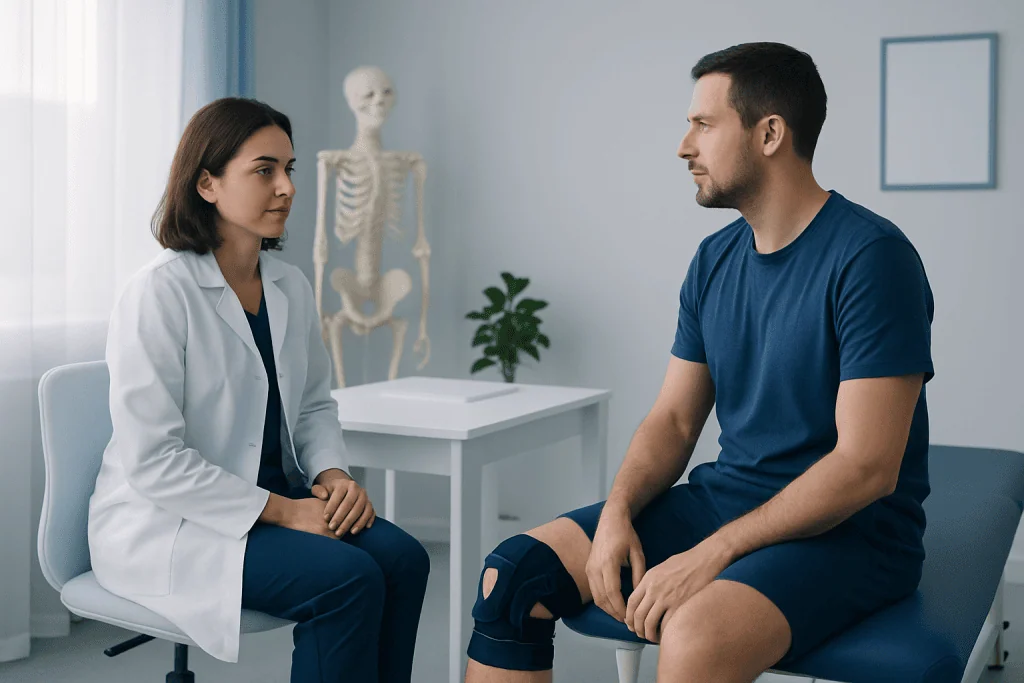
Rehabilitation is not a single treatment. It is a set of therapies chosen according to the person’s goals and medical condition. Physical therapy focuses on strength, flexibility, balance, walking, posture, endurance, and pain-related movement problems. It is commonly used after fractures, joint surgery, spinal disorders, and prolonged bed rest.
Occupational therapy helps people manage daily activities such as dressing, bathing, cooking, writing, or returning to work. This may include practicing tasks, adapting the home or workplace, and recommending assistive devices. Speech and language therapy supports communication, voice, cognition, and swallowing, especially after stroke or neurological illness.
Other forms of rehabilitation may include respiratory therapy to improve breathing, cardiac or pulmonary rehabilitation to increase safe exercise tolerance, cognitive rehabilitation for memory and attention problems, and psychological support to help with adjustment, motivation, anxiety, or depression during recovery. When needed, pain management and nutritional support are also part of the plan.
Some people need focused treatment after a specific condition, such as stroke or persistent musculoskeletal problems. Others may benefit from structured programs such as physical therapy and rehabilitation or rehabilitation after orthopedic rehabilitation, depending on their diagnosis and recovery needs.
How rehabilitation is planned and assessed
Rehabilitation starts with a detailed assessment. The team looks at the person’s medical history, current diagnosis, pain level, strength, balance, mobility, communication, thinking skills, emotional well-being, and ability to perform daily tasks. Just as importantly, they ask about personal goals, such as walking independently, climbing stairs, returning to work, or caring for family responsibilities.
From this assessment, the team creates an individualized rehabilitation plan. The plan usually includes short-term and long-term goals, recommended therapies, expected milestones, safety measures, and home exercises or activity advice. Goals are realistic and adjusted over time based on progress.
Progress is monitored regularly. The team may repeat movement tests, functional assessments, speech evaluations, or endurance measures to see what is improving and what still needs attention. Rehabilitation is most effective when the person actively participates, attends sessions consistently, and communicates openly about pain, fatigue, concerns, and changing priorities.
Where rehabilitation takes place
Rehabilitation can take place in several settings. Some people begin in the hospital soon after surgery, injury, or acute illness. Others are transferred to an inpatient rehabilitation center, where they receive more intensive therapy while still having close medical supervision. This is common when a person needs help with many daily functions or has complex recovery needs.
Outpatient rehabilitation is often used once the person is medically stable and able to travel to appointments. These programs may include regular sessions several times a week, along with a home exercise program. Home-based rehabilitation is another option for people who are recovering at home, have transportation difficulties, or need support practicing daily tasks in their own environment.
The most appropriate setting depends on the diagnosis, safety, level of independence, and goals of care. A person recovering from joint surgery may do well with outpatient therapy, while someone recovering from severe brain or spinal injury may need inpatient support first. In many cases, care moves step by step from hospital to inpatient rehab to outpatient or home programs.
What to expect during treatment
Rehabilitation usually involves repeated practice, gradual progression, and regular reassessment. Sessions may include guided exercises, balance or walking training, stretching, task practice, breathing exercises, communication therapy, or strategies to improve memory and attention. Depending on the condition, therapists may also provide education on body mechanics, fall prevention, pain coping, energy conservation, and safe use of equipment.
Recovery is often gradual rather than linear. Some days feel easier than others, and improvement may happen in small steps. It is common to feel tired after sessions, especially early in the program, but therapy should generally be safe and adapted to the person’s tolerance. If pain, dizziness, breathlessness, or emotional distress becomes significant, the rehabilitation team should be informed so the plan can be adjusted.
Family members and caregivers can play an important role. They may learn how to support exercises, assist with transfers, make the home safer, or encourage communication practice. In selected cases, specialized services such as neurological rehabilitation or recovery programs after sports injury rehabilitation may be recommended to match the person’s condition and goals.
Benefits, self-care, and staying motivated
The benefits of rehabilitation often go beyond physical recovery. It can improve confidence, independence, participation in family and social life, and the ability to return to school or work. It may also help reduce pain, prevent complications, improve balance, and lower the risk of losing function due to inactivity.
Self-care is an important part of success. Following the home program, staying as active as advised, getting enough sleep, eating well, taking medications as prescribed, and attending follow-up visits all support progress. Small, consistent efforts are usually more helpful than trying to do too much at once.
Motivation can rise and fall during recovery, especially if progress feels slow. Setting clear goals, celebrating small improvements, and asking for support when needed can make the process more manageable. Near the end of treatment, the team often provides a plan for maintaining gains and preventing setbacks.
For international patients who need coordinated recovery care, Acibadem International’s multidisciplinary specialists in JCI-accredited hospitals provide diagnosis and rehabilitation planning tailored to individual needs.
When to seek medical advice
A doctor should be consulted if a person has ongoing pain, weakness, balance problems, difficulty walking, trouble speaking or swallowing, loss of independence in daily activities, or delayed recovery after illness, injury, or surgery. These issues do not always improve on their own, and an early rehabilitation assessment may help identify the safest next steps.
Urgent medical attention is needed if new or sudden symptoms develop, such as chest pain, severe shortness of breath, sudden confusion, facial drooping, one-sided weakness, loss of consciousness, severe new back pain with numbness, or sudden inability to move a limb. These may point to an emergency rather than a routine rehabilitation issue.
Even when symptoms are not urgent, it is sensible to ask a healthcare professional whether rehabilitation could help. A timely referral can support better recovery, reduce avoidable disability, and help the person return to important daily activities with greater confidence.
Frequently asked questions
What is the main purpose of rehabilitation?
The main purpose of rehabilitation is to help a person improve function, independence, and quality of life after illness, injury, surgery, or chronic disease. It focuses on practical recovery, such as moving safely, communicating, managing daily tasks, and returning to usual activities as much as possible.
How long does rehabilitation take?
The length of rehabilitation varies widely depending on the condition, its severity, the person’s overall health, and the goals of treatment. Some people need only a few weeks, while others benefit from months of ongoing therapy and follow-up.
Is rehabilitation only for physical injuries?
No. Rehabilitation can also help with speech, swallowing, memory, thinking, breathing, emotional adjustment, and daily living skills. It is used after neurological conditions, heart and lung disease, cancer treatment, and many other health problems.
Do people need a doctor’s referral for rehabilitation?
In many cases, a doctor’s referral is helpful or required, especially after hospitalization, surgery, or a new diagnosis. Local rules differ, so it is best to check with a healthcare provider or rehabilitation center.
Can rehabilitation be done at home?
Yes, some rehabilitation can be provided at home, especially when travel is difficult or when practicing daily activities in the home setting is useful. Even with home-based care, the program should be guided by qualified professionals to make sure it is safe and effective.
What should a patient wear or bring to rehabilitation sessions?
Comfortable clothing, supportive shoes, a list of medications, and any relevant medical reports are often helpful. If the person uses glasses, hearing aids, a walking aid, or an assistive device, these should usually be brought as well.
References
- World Health Organization
- National Institute of Neurological Disorders and Stroke
- National Health Service
- American Physical Therapy Association
- MedlinePlus
This article is for general information only and is not a substitute for professional medical advice. Please consult a qualified doctor about your individual situation.
Explore treatments in Turkey — costs, top hospitals & a free quote
JCI-accredited · board-certified surgeons · reply within 24h
Add us as a Preferred Source to see more of our trusted health content across Google Search, AI Overviews and Discover.