What Is Rehabilitation Therapy and How Does It Work?
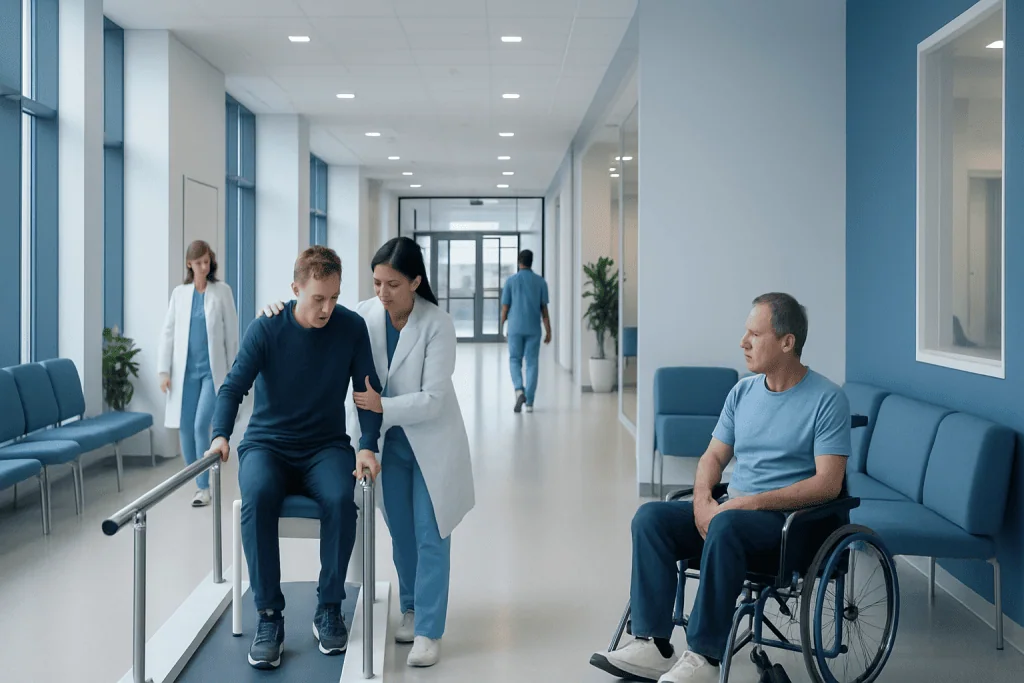
Rehabilitation therapy aims to restore function, reduce symptoms, and improve quality of life. It may include physical, occupational, speech, and other specialist therapies depending on individual needs.
Key Takeaways
- Rehabilitation therapy aims to restore function, reduce symptoms, and improve quality of life.
- It may include physical, occupational, speech, and other specialist therapies depending on individual needs.
- Treatment plans are tailored to a person’s condition, goals, age, and overall health.
- Progress often happens gradually and may continue over weeks to months.
- Early assessment and consistent participation can support better recovery outcomes.
Rehabilitation therapy is a personalized approach that helps people recover physical, cognitive, and communication skills after illness, injury, or surgery. It works by combining assessment, targeted exercises, education, and ongoing support to improve function and daily independence.
Overview of Rehabilitation Therapy
Rehabilitation therapy is a broad term for treatments that help a person regain abilities affected by injury, illness, surgery, or a long-term health condition. The main goal is to improve function and independence in everyday life. Depending on the person’s needs, rehabilitation may focus on movement, strength, balance, communication, swallowing, memory, self-care, or pain management.
Rehabilitation is not one single treatment. It is usually a structured program made up of different therapies that work together. A person may receive physical therapy to improve movement, occupational therapy to manage daily activities, speech and language therapy for communication or swallowing, and psychological or social support when needed.
This type of care can benefit people of all ages. It is often used after a stroke, bone fracture, joint replacement, sports injury, spinal problem, neurological disease, serious infection, or prolonged hospital stay. It may also support children with developmental needs and adults living with chronic conditions that affect function over time.
Rehabilitation therapy works best when it is individualized. The care team looks at what the person could do before the health problem, what challenges they have now, and what goals matter most to them. These goals may be as simple and meaningful as walking safely, returning to work, dressing independently, or speaking clearly again.
Who May Need Rehabilitation Therapy
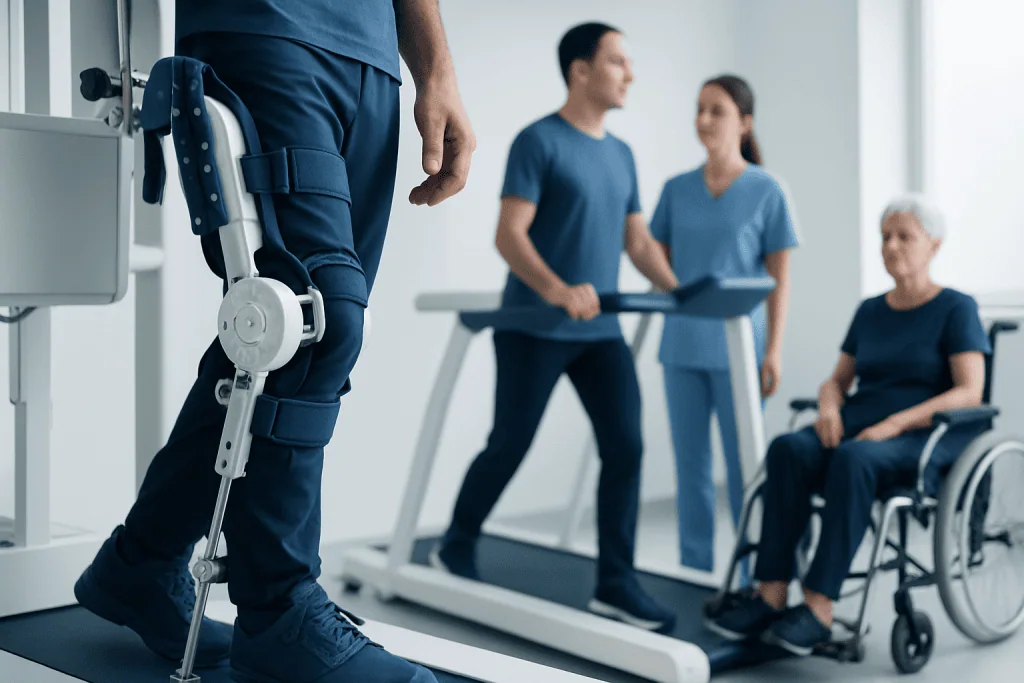
Many different health situations can lead to rehabilitation needs. Some people need it after a sudden event, such as a stroke, accident, or major surgery. Others use rehabilitation to manage the effects of a gradual condition, such as arthritis, multiple sclerosis, Parkinson’s disease, chronic back pain, or heart and lung disease.
Rehabilitation can also be helpful after orthopedic procedures or injuries that limit strength and mobility. For example, someone recovering from a fracture, ligament injury, or joint replacement may benefit from a plan that includes physical therapy and rehabilitation to rebuild confidence and function safely.
People recovering from neurological conditions may need support with walking, coordination, speech, or memory. In these cases, rehabilitation is often part of longer-term care for conditions such as stroke or other disorders affecting the brain, nerves, or spinal cord.
Common reasons a doctor may recommend rehabilitation therapy include:
- Difficulty walking, standing, or balancing
- Weakness after illness, injury, or surgery
- Trouble with dressing, bathing, eating, or other daily tasks
- Speech, language, voice, or swallowing problems
- Pain that interferes with movement or activity
- Reduced endurance after a hospital stay or prolonged bed rest
- Changes in memory, concentration, or problem-solving skills
Types of Rehabilitation Therapy
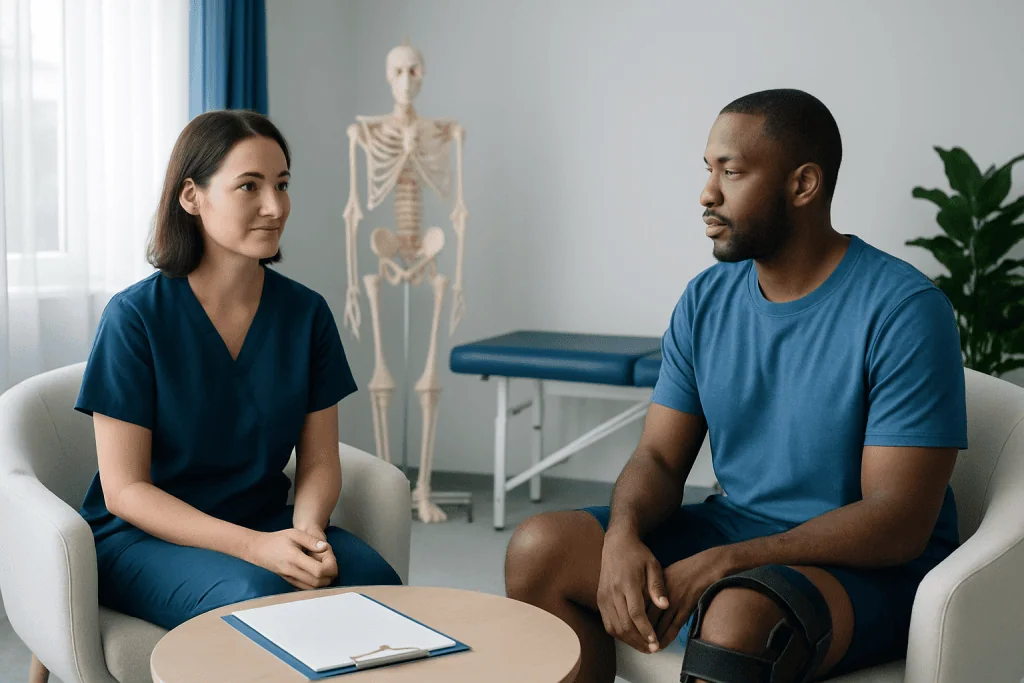
Physical therapy is one of the most familiar forms of rehabilitation. It focuses on movement, strength, flexibility, posture, balance, coordination, and pain reduction. A physical therapist may guide exercises, walking practice, stretching, and safe ways to move after injury or surgery. This can be especially useful for people recovering from musculoskeletal or neurological problems.
Occupational therapy helps people perform daily activities more independently and safely. This may include dressing, cooking, bathing, writing, working, or using tools and devices. Occupational therapists also recommend home or workplace adjustments and teach energy-saving techniques for people who tire easily or live with chronic pain.
Speech and language therapy supports people who have difficulty speaking, understanding language, using their voice, or swallowing. These challenges may follow stroke, head injury, neurological disease, or surgery. Therapy may involve communication exercises, swallowing strategies, and guidance for family members or caregivers.
Some rehabilitation programs also include additional support such as respiratory therapy, neurorehabilitation, pain management, psychological counseling, and nutritional advice. In some cases, specialized approaches such as robotic rehabilitation or neurological rehabilitation may be recommended to support recovery in a more targeted way.
How Rehabilitation Therapy Works
Rehabilitation usually begins with a detailed assessment. The therapist or rehabilitation physician reviews the person’s medical history, current symptoms, physical abilities, daily routines, and personal goals. They may assess strength, range of motion, coordination, balance, walking pattern, communication, swallowing, memory, or ability to carry out tasks at home and work.
After this assessment, the team creates a personalized treatment plan. This plan explains what therapies are needed, how often sessions may be helpful, what short-term and long-term goals are being targeted, and how progress will be measured. Plans often change over time as recovery develops and new goals become possible.
Treatment sessions commonly include guided exercises, task-based training, education, and practice of real-life activities. For example, a person may work on climbing stairs, getting in and out of bed, improving hand control, or speaking more clearly. The therapist also teaches techniques that help reduce the risk of reinjury and improve safety during recovery.
Rehabilitation works through repetition, gradual progression, and neuroplasticity or physical adaptation. In simple terms, the body and brain can often improve function when they are challenged in the right way over time. This is why active participation, regular practice, and communication with the care team are important parts of successful rehabilitation.
Diagnosis, Evaluation, and Goal Setting
Rehabilitation therapy itself is not a diagnosis, but it is guided by careful evaluation. A doctor may first identify the medical cause of symptoms and then refer the person for rehabilitation. In many cases, imaging tests, neurological exams, orthopedic assessments, or specialist reviews help explain why function has changed.
The rehabilitation team then looks beyond the diagnosis alone. Two people with the same condition may have very different needs. One person may want to return to sports, while another may simply want to walk around the home safely or eat without swallowing difficulty. Individual priorities shape the therapy plan.
Goals are usually specific, realistic, and measurable. For example, goals may include walking a certain distance, climbing stairs with less support, improving hand use for daily tasks, or speaking clearly enough for conversation. Breaking recovery into smaller steps can make progress easier to track and more encouraging.
Family involvement can also be valuable. Loved ones may help reinforce exercises, support communication strategies, or assist with home safety changes. When caregivers understand the goals and methods of rehabilitation, the person often feels more supported and confident between therapy sessions.
Treatment Options and What to Expect
The exact treatment plan depends on the person’s health condition, symptoms, age, and goals. Some people need short-term therapy after a minor injury or routine surgery. Others require more intensive or longer-lasting support after a serious event such as brain injury, spinal cord damage, or complex orthopedic surgery.
Rehabilitation may take place in a hospital, outpatient clinic, specialized center, or at home. Inpatient rehabilitation can be helpful when a person needs daily medical monitoring and coordinated therapy. Outpatient care is often suitable for those who are medically stable but still need regular sessions to build function over time.
Sessions are usually practical and active. Depending on the therapy type, a person may practice movement patterns, strengthening exercises, fine motor tasks, balance drills, speech exercises, breathing techniques, or swallowing skills. Assistive devices such as braces, walkers, adaptive utensils, or communication aids may also be introduced when useful.
Recovery speed varies from person to person. Some notice meaningful changes within a few weeks, while others improve more gradually over months. It is common for progress to happen in small steps rather than all at once. A multidisciplinary team, such as the specialists at Acibadem International’s JCI-accredited hospitals, may be involved when complex rehabilitation needs require coordinated care for international patients.
Prevention, Self-care, and Supporting Recovery
Not every need for rehabilitation can be prevented, but some steps may lower the risk of disability and support smoother recovery. Following medical advice after surgery or injury, staying physically active within safe limits, and seeking early care for pain or movement problems can all make a difference. Early rehabilitation is often helpful because it may reduce deconditioning and encourage safer return to daily activities.
At home, consistency matters. Doing prescribed exercises correctly, protecting healing tissues, pacing activity, and attending follow-up appointments can support progress. Rest is also important, especially when the body is healing. Recovery is rarely helped by pushing through significant pain or ignoring signs of fatigue.
Simple self-care strategies may include:
- Using assistive devices as instructed
- Keeping walkways clear to reduce fall risk
- Maintaining good posture and body mechanics
- Eating a balanced diet and staying hydrated
- Getting enough sleep to support healing
- Tracking symptoms and reporting changes to the care team
Emotional wellbeing is part of rehabilitation too. Frustration, worry, or loss of confidence can affect motivation. Encouragement from family, realistic goal setting, and honest conversations with therapists can help people stay engaged in the recovery process.
When to See a Doctor
A person should speak with a doctor if pain, weakness, balance problems, speech changes, swallowing difficulty, or reduced independence lasts longer than expected or starts to interfere with daily life. Rehabilitation may be helpful even when symptoms seem mild, especially if they are limiting movement, work, self-care, or communication.
Medical advice is especially important after stroke symptoms, head injury, serious falls, new numbness, sudden weakness, or loss of function. These problems may need urgent evaluation before rehabilitation begins. Prompt diagnosis can help guide the safest and most effective treatment plan.
People should also contact a healthcare professional if recovery seems to stall, if exercises cause worsening symptoms, or if new problems appear during therapy. Rehabilitation plans are meant to be adjusted. Ongoing review helps ensure that treatment stays appropriate and aligned with the person’s needs.
In general, early assessment is reassuring and practical. It can clarify what type of rehabilitation is needed, what results are realistic, and how a person can move forward with greater confidence and support.
Frequently asked questions
What is rehabilitation therapy used for?
Rehabilitation therapy is used to help people regain function after illness, injury, surgery, or disability. It may improve movement, strength, balance, communication, swallowing, or ability to do everyday tasks. The aim is to help the person become as independent and comfortable as possible.
Is rehabilitation therapy the same as physical therapy?
Not exactly. Physical therapy is one part of rehabilitation therapy and mainly focuses on movement, strength, mobility, and pain. Rehabilitation is a broader term that can also include occupational therapy, speech therapy, and other supportive treatments.
How long does rehabilitation therapy take?
The length of rehabilitation depends on the condition being treated, the severity of symptoms, and the person’s overall health. Some people need only a few weeks of therapy, while others benefit from months of ongoing support. Progress is often gradual and reviewed regularly.
Does rehabilitation therapy hurt?
Rehabilitation therapy should not cause severe or lasting pain, but some exercises may feel challenging or mildly uncomfortable. Therapists usually adjust activities to match the person’s ability and stage of healing. It is important to report any pain that feels sharp, worsening, or unusual.
Can rehabilitation therapy be done at home?
Yes, some rehabilitation can be done at home, either through home visits or exercises prescribed by a therapist. Many people combine clinic sessions with a home program for better continuity. Home-based therapy should still be guided by a qualified professional when possible.
Who provides rehabilitation therapy?
Rehabilitation therapy may be provided by a multidisciplinary team that includes rehabilitation physicians, physical therapists, occupational therapists, speech and language therapists, nurses, psychologists, and other specialists. The exact team depends on the person’s needs. Coordinated care is especially helpful for complex conditions.
References
- World Health Organization
- National Institute of Neurological Disorders and Stroke
- American Physical Therapy Association
- American Occupational Therapy Association
- American Speech-Language-Hearing Association
This article is for general information only and is not a substitute for professional medical advice. Please consult a qualified doctor about your individual situation.
Explore treatments in Turkey — costs, top hospitals & a free quote
JCI-accredited · board-certified surgeons · reply within 24h
Add us as a Preferred Source to see more of our trusted health content across Google Search, AI Overviews and Discover.