

What Is the Poliomyelitis? Here Is What the Evidence Says
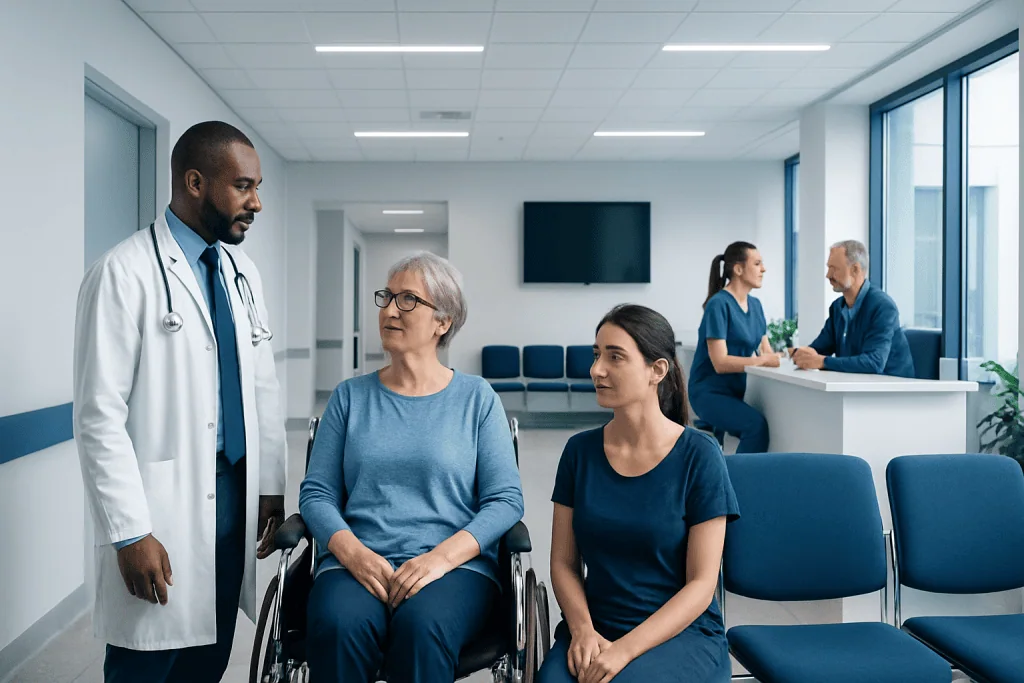
Poliomyelitis is caused by poliovirus and spreads mainly through contaminated food, water, or close contact. Most polio infections are mild or symptom-free, but severe cases can affect the brain and spinal cord.
Key Takeaways
- Poliomyelitis is caused by poliovirus and spreads mainly through contaminated food, water, or close contact.
- Most polio infections are mild or symptom-free, but severe cases can affect the brain and spinal cord.
- Warning signs such as sudden weakness, trouble moving a limb, stiff neck, or breathing difficulty need urgent medical attention.
- Doctors diagnose polio using a medical history, physical examination, and laboratory testing of stool, throat, or spinal fluid samples.
- There is no cure that removes the virus, but supportive treatment and rehabilitation can improve recovery and function.
- Vaccination is the best protection against poliomyelitis.
What is the poliomyelitis? Poliomyelitis, or polio, is a viral infection caused by poliovirus. Many infections cause no symptoms or only a mild flu-like illness, but in some people the virus can affect the nervous system and lead to muscle weakness or paralysis.
Overview: what is the poliomyelitis?
What is the poliomyelitis? Poliomyelitis, usually called polio, is an infectious disease caused by poliovirus. In many people, infection is harmless or causes only a short, mild illness. A much smaller number develop nerve involvement, which can lead to weakness, paralysis, and, in severe cases, problems with breathing or swallowing.
Poliovirus enters the body through the mouth and multiplies in the throat and intestines. It spreads mainly by the fecal-oral route, meaning tiny amounts of infected stool can contaminate hands, food, or water. Less commonly, it can spread through oral secretions.
Because many infections cause few or no symptoms, a person may not realize they have been exposed. Even so, public health measures treat polio seriously because of its potential to damage the spinal cord and brainstem. Vaccination has made polio rare in many parts of the world, but outbreaks can still occur where immunization levels are low.
How polio usually appears and the symptoms to watch for
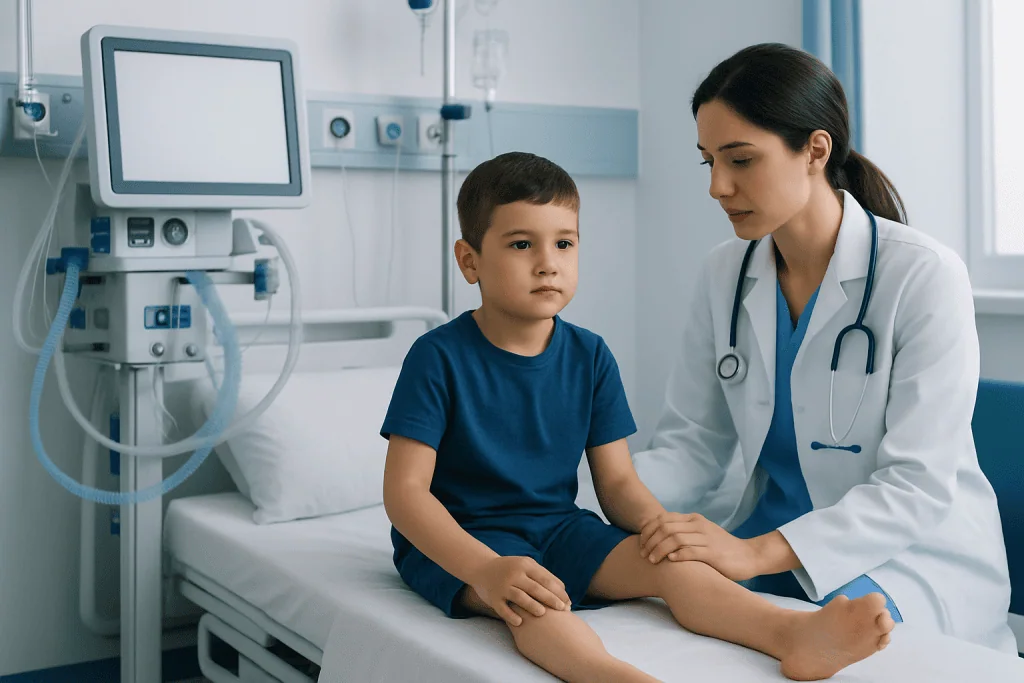
Most poliovirus infections do not cause paralysis. Some people have no symptoms at all. Others develop a mild, self-limited illness that can look like many common viral infections, with fever, sore throat, tiredness, headache, nausea, or stomach discomfort. This is why polio can be difficult to recognize based on symptoms alone.
In some cases, polio causes a form of viral meningitis, leading to neck stiffness, back pain, sensitivity to light, and more intense headache. These symptoms deserve medical review, especially if they follow recent travel to an area with poliovirus transmission or possible exposure to an infected person.
The most important red flags are sudden muscle weakness, reduced reflexes, floppy limbs, trouble standing, or paralysis that often affects one side more than the other. Difficulty swallowing, changes in voice, or shortness of breath can mean that the muscles involved in breathing are affected and need urgent care.
- Mild symptoms: fever, fatigue, sore throat, nausea, headache
- Nervous system symptoms: stiff neck, back pain, muscle pain, sensitivity to light
- Emergency warning signs: sudden weakness, difficulty breathing, trouble swallowing, paralysis
Causes and risk factors
Poliomyelitis is caused by poliovirus, an enterovirus that infects humans. The virus spreads most easily in places where sanitation is poor or where access to clean water is limited. It can also spread in close-contact settings if hand hygiene is inadequate.
A person is more likely to become infected or seriously affected if they are not fully vaccinated. Infants and young children are especially vulnerable, but unvaccinated adults can also get polio. Travel to areas where polio is still circulating increases risk, particularly for people who have not completed their vaccine schedule.
Immune status also matters. People with weakened immune systems may be more susceptible to infection and its complications. In a broader discussion of viral illnesses that can affect the nervous system, doctors may also consider conditions such as meningitis when symptoms include fever, headache, and neck stiffness, because early symptoms can overlap.
How doctors diagnose poliomyelitis
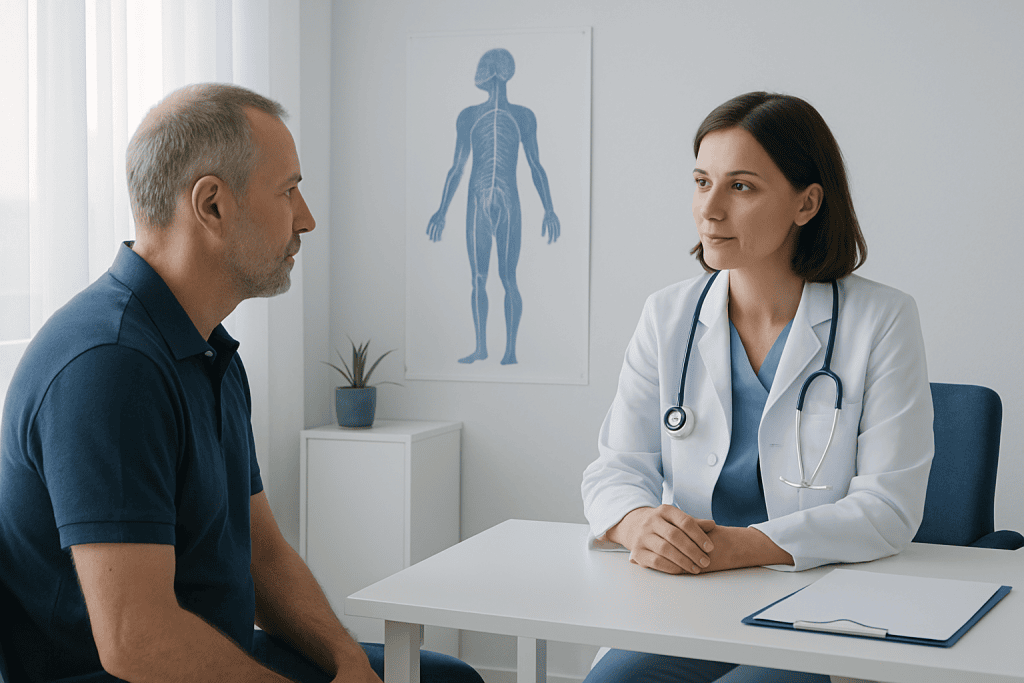
When polio is suspected, a doctor begins with a careful history and physical examination. They ask about recent symptoms, vaccination status, travel, possible exposure to someone with polio, and the timing of weakness. During the examination, they assess muscle strength, reflexes, sensation, and whether breathing or swallowing muscles are involved.
Laboratory testing is needed to confirm the diagnosis. Samples may include stool, throat swabs, and sometimes cerebrospinal fluid obtained by lumbar puncture. These tests help identify poliovirus and distinguish it from other infections and neurologic conditions.
Additional testing may be used when weakness is present. Doctors may order imaging or nerve and muscle studies to rule out other causes of acute weakness, depending on the situation. If there are concerns about the brain or spinal cord, advanced evaluation through MRI scanning can sometimes help assess related complications or alternative diagnoses.
Because sudden weakness can have several causes, prompt evaluation is important. Conditions affecting the nervous system, including Guillain-Barré syndrome, may look similar at first and need different treatment and monitoring.
Treatment options and supportive care
There is no medicine that directly cures poliomyelitis once infection has occurred. Treatment focuses on supportive care, careful monitoring, and helping the body recover. The care plan depends on how mild or severe the illness is and whether the nervous system is involved.
For mild illness, treatment may include rest, hydration, fever control, and monitoring for any signs of worsening. If weakness, paralysis, breathing difficulty, or swallowing problems develop, hospital care is often needed. In severe cases, respiratory support and nutritional support may be necessary.
Rehabilitation plays an important role in recovery. Physical therapy can help maintain joint movement, reduce stiffness, and improve function after weakness or paralysis. Depending on the person’s needs, doctors may also recommend physical therapy and rehabilitation and tailored neurological rehabilitation to support mobility, independence, and long-term quality of life.
Prevention and self-care
The best protection against poliomyelitis is vaccination. Polio vaccines are highly effective and are a routine part of childhood immunization schedules in many countries. Adults who are unvaccinated, incompletely vaccinated, or traveling to areas with ongoing transmission should ask a qualified healthcare professional whether vaccination or a booster is recommended.
Everyday hygiene also matters. Handwashing with soap and safe food and water practices help reduce spread. In community settings, good sanitation and public health surveillance are essential to controlling outbreaks.
If someone has a mild viral illness and is worried about polio, it is usually best to avoid close contact with vulnerable people until they have medical advice, especially if they recently traveled to an area of concern. Self-care should never replace urgent assessment if weakness, breathing difficulty, or swallowing problems appear.
When to seek medical care
Medical care should be sought promptly for fever with severe headache, stiff neck, significant muscle pain, or any new weakness. Even though most infections that look like a common virus are not polio, sudden neurologic symptoms should always be assessed without delay.
Emergency care is especially important if there is trouble breathing, difficulty swallowing, inability to lift an arm or leg, facial weakness, or rapidly worsening symptoms. These signs can point to serious nervous system involvement from polio or another urgent condition.
If there has been possible exposure to poliovirus, recent travel to a region with known transmission, or incomplete vaccination, it is helpful to mention this during the medical visit. Near the end of evaluation and care planning, some patients may benefit from a multidisciplinary approach. Acibadem International’s specialists in JCI-accredited hospitals diagnose and treat neurologic and infectious conditions for international patients when advanced assessment or rehabilitation is needed.
Frequently asked questions
Is poliomyelitis the same as polio?
Yes. Poliomyelitis is the full medical name for polio, a disease caused by poliovirus. The terms are used interchangeably.
Can polio be mild?
Yes. Many poliovirus infections cause no symptoms or only mild symptoms such as fever, tiredness, sore throat, or stomach upset. The concern is that a small number of infections can affect the nervous system and lead to weakness or paralysis.
How does poliomyelitis spread?
Polio spreads mainly through contaminated food, water, or hands after contact with infected stool. It can also spread through close contact with infected oral secretions. Good hygiene and vaccination are the main ways to reduce spread.
Is there a cure for poliomyelitis?
There is no antiviral cure that removes poliovirus once infection occurs. Treatment is supportive and may include rest, monitoring, breathing support if needed, and rehabilitation to improve strength and function.
How is polio diagnosed?
Doctors diagnose polio by combining the person’s symptoms, vaccination and travel history, physical examination, and laboratory tests. Samples from stool, throat, or cerebrospinal fluid may be tested to confirm the virus.
Can adults get polio?
Yes. Although polio is often associated with children, unvaccinated or incompletely vaccinated adults can also become infected. Adults who travel to areas with poliovirus circulation should ask a doctor about vaccine protection.
What is post-polio syndrome?
Post-polio syndrome is a condition that can appear years after recovery from earlier polio infection. It may cause new muscle weakness, fatigue, or pain. Anyone with a history of polio and changing symptoms should speak with a qualified doctor.
References
- World Health Organization
- Centers for Disease Control and Prevention
- UNICEF
- European Centre for Disease Prevention and Control
- National Institute of Neurological Disorders and Stroke
This article is for general information only and is not a substitute for professional medical advice. Please consult a qualified doctor about your individual situation.
Persistent digestive symptoms? Get evaluated in Turkey
JCI-accredited · board-certified surgeons · reply within 24h
Add us as a Preferred Source to see more of our trusted health content across Google Search, AI Overviews and Discover.

More from the Health Library



Related Specialists

Dr. Gül Sema Can
Gynecology & Obstetrics
Dr. Nuri Soysal
Aesthetic Plastic & Reconstructive Surgery
Dr. Büşra Nur Enez Baş
Acibadem Life Clinical Service
Dr. Hüseyin Ercan
Radiology